
How Talabat & Careem UAE Restaurant Data Scraping Maps 1M+ Records Across the Food Delivery Market?
Sep 17
Introduction
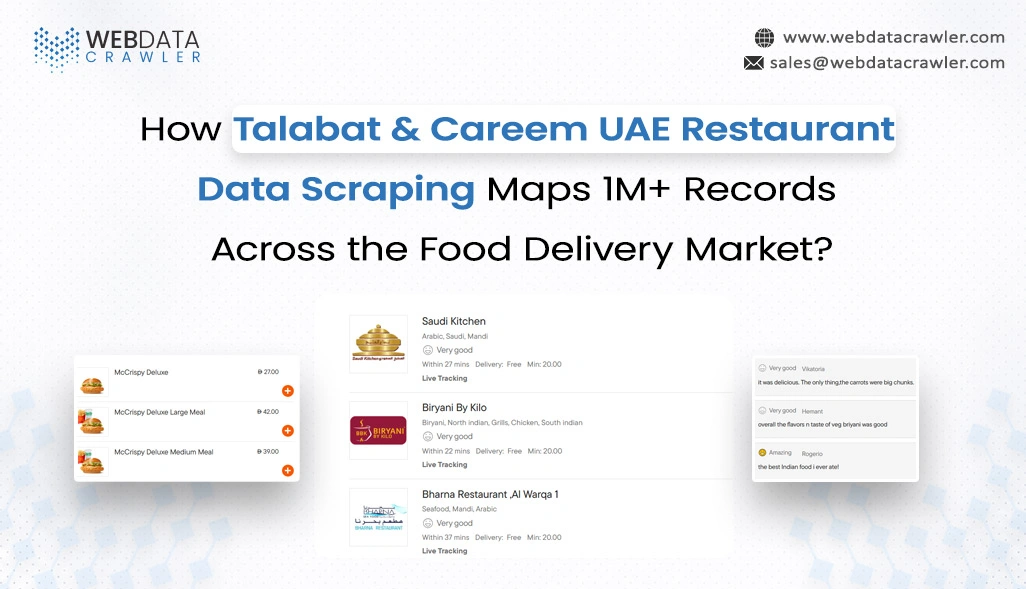
The UAE food delivery market generates extensive restaurant information across platforms, covering menus, prices, cuisines, ratings, locations, and delivery details. Talabat & Careem UAE Restaurant Data Scraping helps businesses organize this fragmented information into structured datasets for competitive research, pricing analysis, and restaurant market evaluation.
With thousands of restaurants changing menus, prices, offers, and availability frequently, manual collection becomes difficult to maintain. Businesses can Scrape Talabat Restaurant Data for Insights to monitor restaurant positioning, compare menu structures, and identify location-specific trends. A Talabat Restaurant Dataset further supports scalable market research.
Combining restaurant information from major delivery platforms creates a broader market view. More than 1 million records can represent restaurant listings, food categories, menu items, pricing signals, ratings, and delivery attributes. These datasets help analysts examine market density, cuisine preferences, pricing movements, and competitive activity across UAE locations.
Mapping Restaurant Distribution Across UAE Food Delivery Markets
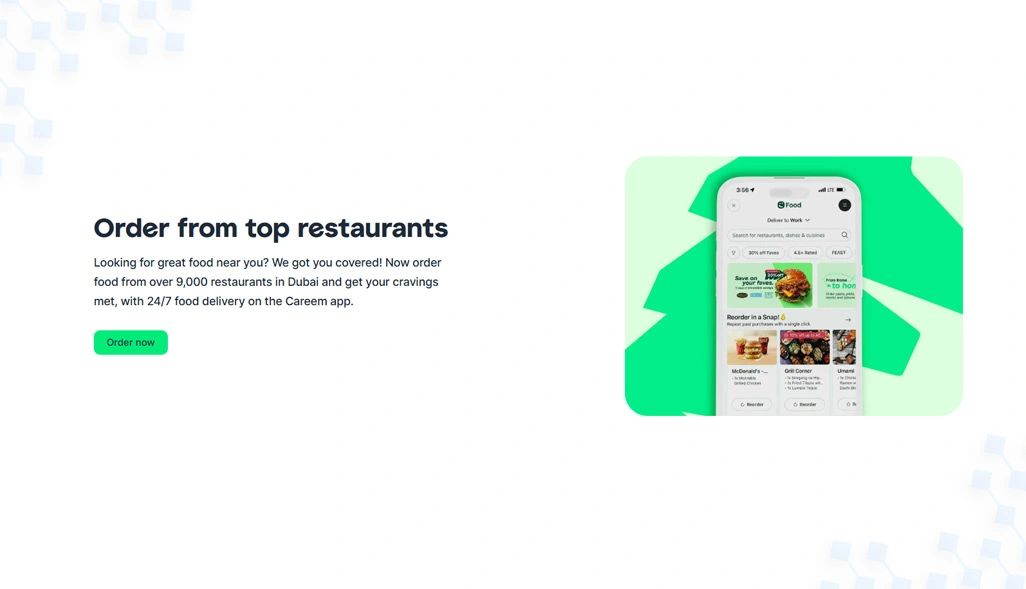
Restaurant listings provide valuable visibility into how food businesses are distributed across different UAE cities, neighborhoods, and delivery zones. By organizing restaurant names, locations, cuisines, ratings, menu categories, and delivery attributes, businesses can examine where competitive activity is concentrated. Scrape Careem Restaurant Data for Analysis can support this process by converting scattered platform information into structured records that are easier to compare and evaluate.
A detailed restaurant dataset can also reveal differences between locations and restaurant categories. Information such as cuisine type, restaurant rating, menu size, and operating area helps analysts identify dense food clusters and underserved segments. When Careem Restaurant Data Scraping is incorporated into a broader research workflow, businesses can compare restaurant presence across markets and understand how food options vary between different UAE locations.
A Careem Restaurant Dataset can then support geographic and competitive analysis. Analysts can evaluate restaurant concentration, compare cuisine availability, identify frequently listed restaurant categories, and monitor changes in platform coverage. This information becomes particularly useful for businesses assessing market entry opportunities, restaurant partnerships, delivery competition, and regional demand patterns.
Key data points can include:
- Restaurant names and locations
- Cuisine and food categories
- Ratings and review information
- Menu and delivery attributes
- Platform availability
- Geographic restaurant distribution
Data Attribute and Analytical Purpose:
| Data Attribute | Analytical Purpose |
|---|---|
| Restaurant Records | Market coverage |
| Cuisine Categories | Demand segmentation |
| UAE Locations | Geographic comparison |
| Ratings | Customer response |
| Delivery Details | Service evaluation |
A structured approach makes large restaurant collections easier to maintain and compare. Instead of relying on individual platform searches, businesses can work with consistent records that support recurring market research. This creates a clearer foundation for examining restaurant distribution, category growth, and competitive density across the UAE food delivery environment.
Tracking Menu Prices Across Competitive Restaurant Categories
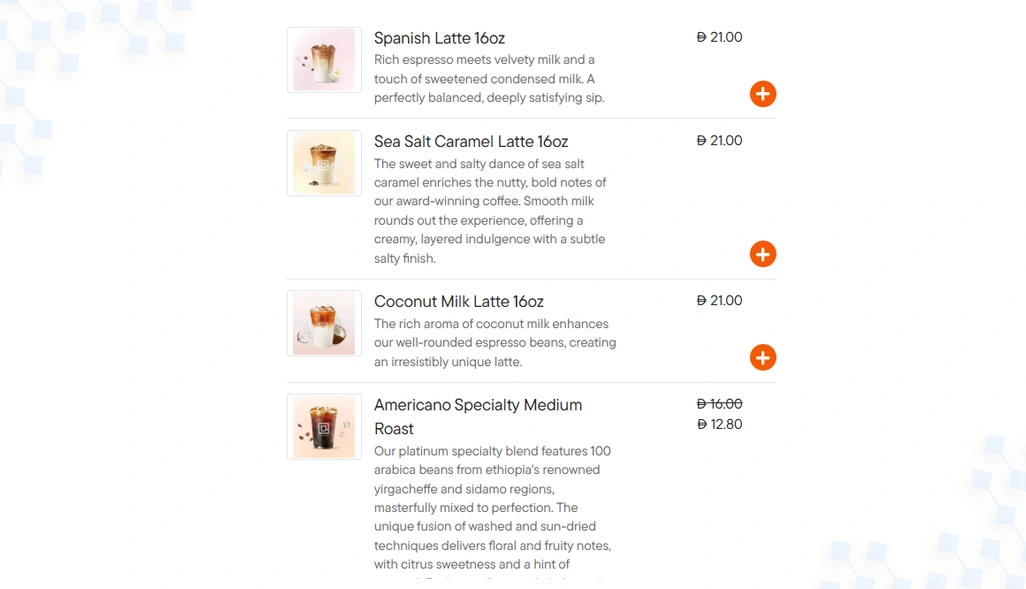
Menu-level information provides another important layer for understanding the UAE food delivery market. Restaurants frequently adjust dish prices, menu combinations, portion options, promotions, and category offerings. Collecting these attributes helps businesses compare pricing structures across restaurants and cuisines. Careem Now Food Delivery Data Scraping can organize these changing menu signals into structured records for broader pricing and competitive analysis.
Price comparisons become more meaningful when menu information is evaluated alongside restaurant categories, locations, and ratings. Analysts can identify average pricing ranges, premium menu segments, frequently listed dishes, and differences between neighborhoods. This approach allows businesses to understand how restaurants position similar offerings and where significant pricing variations appear across the delivery marketplace.
Structured menu records can also support promotional monitoring. Discounts, offers, meal combinations, and special pricing can influence customer choices and restaurant visibility. By maintaining historical records, analysts can compare current menu conditions with previous observations and identify recurring pricing movements. These insights can contribute to restaurant benchmarking, category research, and competitive monitoring.
Important information can include:
- Menu item names and categories
- Listed prices and price ranges
- Promotional offers
- Restaurant ratings
- Cuisine classifications
- Menu availability
- Location-specific pricing
Pricing Indicator and Business Application:
| Pricing Indicator | Business Application |
|---|---|
| Average Price | Benchmarking |
| Menu Size | Restaurant comparison |
| Discount Presence | Promotion monitoring |
| Category Pricing | Segment analysis |
| Price Variation | Regional evaluation |
Combining pricing information with restaurant and location attributes provides a more detailed view of competitive positioning. Businesses can identify pricing patterns across food categories and compare how similar restaurants structure their menus. This supports data-driven research without depending entirely on manual price checks across multiple delivery platforms.
Comparing Restaurant Competition Through Structured Market Records
Restaurant competition becomes easier to evaluate when information from multiple delivery platforms is organized into comparable records. Restaurant names, locations, cuisines, ratings, menu items, and availability can reveal where businesses overlap and how their offerings differ. Scrape Talabat Restaurant Data can help structure these attributes for restaurant benchmarking and market comparison.
Cross-platform restaurant records can provide useful information about market coverage. Businesses may compare whether restaurants appear across different delivery services, identify cuisine categories with strong platform representation, and examine differences in menu availability. This information helps analysts understand competitive density while maintaining a consistent structure for large-scale restaurant research.
Detailed datasets also support regional analysis by showing how restaurant competition changes across neighborhoods and cities. A restaurant category may have high representation in one location but limited coverage in another. Similarly, menu variety and restaurant ratings can vary between areas. These patterns provide useful context for businesses evaluating restaurant partnerships, competitive positioning, and expansion opportunities.
Useful comparison factors include:
- Restaurant platform presence
- Cuisine category coverage
- Menu availability
- Restaurant ratings
- Location distribution
- Pricing differences
- Delivery attributes
Competitive Metric and Market Application:
| Competitive Metric | Market Application |
|---|---|
| Restaurant Coverage | Platform comparison |
| Menu Availability | Offering analysis |
| Ratings | Customer perception |
| Location Presence | Geographic assessment |
| Cuisine Mix | Category comparison |
Organized restaurant records can therefore turn fragmented platform information into a practical competitive intelligence resource. Businesses can use structured datasets to monitor market coverage, identify overlapping restaurants, evaluate category representation, and track changes over time. This supports more consistent research across the UAE food delivery ecosystem while reducing dependence on repetitive manual observation.
How Web Data Crawler Can Help You?
Managing large restaurant datasets requires automated collection, structured processing, and consistent data delivery. Talabat & Careem UAE Restaurant Data Scraping through us can help businesses collect restaurant information across multiple locations and organize records for analysis. The process can support recurring data collection while reducing repetitive manual research.
Key capabilities include:
- Automated restaurant information collection
- Menu and pricing data extraction
- Location-based dataset organization
- Cuisine and category classification
- Rating and review data monitoring
- Structured output for business analysis
With automated workflows, businesses can process large volumes of restaurant information and prepare datasets for market research, competitor benchmarking, pricing analysis, and trend monitoring. In addition, Careem Food Delivery Data Scraping can support recurring collection requirements where updated restaurant information is needed for ongoing market evaluation.
Conclusion
Restaurant datasets provide a practical foundation for understanding the UAE food delivery landscape, from restaurant distribution and menu pricing to cuisine trends and competitive positioning. Talabat & Careem UAE Restaurant Data Scraping can bring these signals into a structured framework for scalable analysis and business research.
By applying Talabat Restaurant Data Scraping, businesses can organize large restaurant datasets and evaluate changing market patterns more consistently. Contact Web Data Crawler to discuss customized restaurant data collection, structured datasets, and scalable food delivery market intelligence solutions for your business.