


How Can Swiggy Data Scraping for Restaurant Market Research Transform Menu and Pricing Analysis?
Oct 27
Introduction
The hyper-competitive online food delivery landscape demands real-time intelligence to keep pace with shifting consumer cravings. Modern restaurant brands increasingly rely on continuous market monitoring to refine their daily operations and menu strategies. Integrating a robust Swiggy Food Data API allows businesses to systematically track neighborhood demand and competitive movements without manual observation errors.
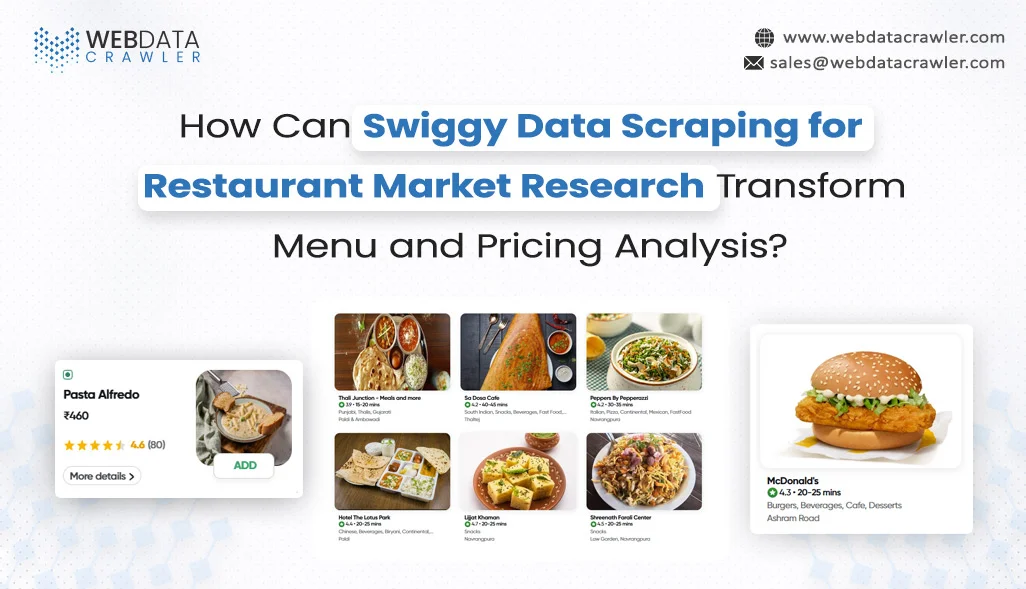
Dynamic market shifts make traditional survey methods obsolete for fast-casual and fine-dining establishments alike. Modern analytics platforms leverage Swiggy Data Scraping for Restaurant Market Research to extract structured insights on dish popularity and pricing thresholds. Having direct access to clear aggregator data ensures menu managers can make swift, evidence-based adjustments that protect operational margins.
Strategic growth in the food service sector relies heavily on understanding granular customer feedback and localized pricing variances. By tracking online storefront changes, food enterprise leaders can uncover underserved postal codes and emerging culinary trends. Automating this intelligence pipeline establishes a reliable framework for long-term category leadership and brand expansion.
Strategic Evaluation Of Competitor Menus And Regional Offerings
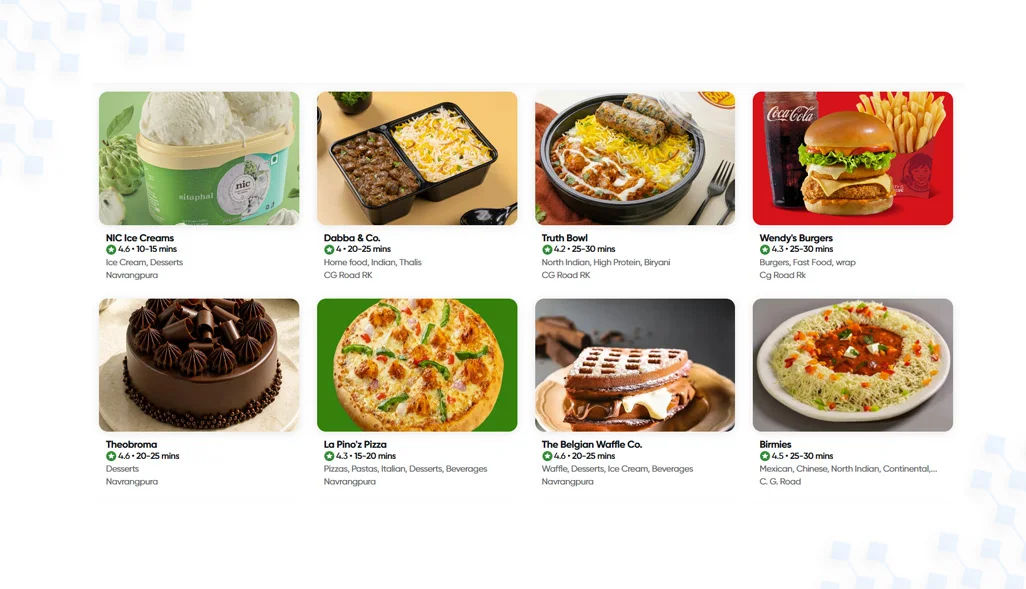
Analyzing food listings across diverse postal zones offers crucial insight into regional consumer preferences and culinary shifts. Utilizing Swiggy Food Delivery Data Scraping in 2026 helps restaurant management teams systematically evaluate localized dish availability, seasonal additions, and evolving dietary demands. Continuous monitoring ensures that cloud kitchens and established dining chains identify gaps in the market before competitors capitalize on them.
Tracking competitor menu updates allows catalog directors to compare dish performance against regional customer ratings. Observing ingredient trends and portion sizes across top-performing outlets helps culinary teams design targeted menu innovations with verified consumer appeal. Establishing a regular data pipeline guarantees that menu updates align directly with active ordering patterns.
Operational leaders who choose to Scrape Swiggy Restaurant Data for Competitive Benchmarking obtain the clarity required to drop underperforming menu items while launching high-margin alternatives that meet immediate market demand.
Key operational benefits of structured menu evaluation include:
- Uncovering regional flavor preferences across micro-markets.
- Tracking rival dish launches and seasonal menu rotations.
- Identifying underserved dietary categories like vegan or keto.
- Optimizing menu item naming conventions and descriptions.
| Region / Zone | Top Growing Category | Average Price (INR) | Competitor Density Score |
|---|---|---|---|
| Metro Zone A | Plant-Based Bowls | ₹320 | High (85/100) |
| Metro Zone B | Artisanal Pizzas | ₹480 | Medium (62/100) |
| Suburban Zone C | Gourmet Fusion Wraps | ₹220 | Low (34/100) |
Maintaining an agile menu strategy relies on continuous catalog analysis across all active delivery territories. Accessing automated competitor feeds enables restaurant groups to capture higher order volumes through well-timed product launches and refined category positioning.
Advanced Monitoring Of Real Time Pricing And Promotions
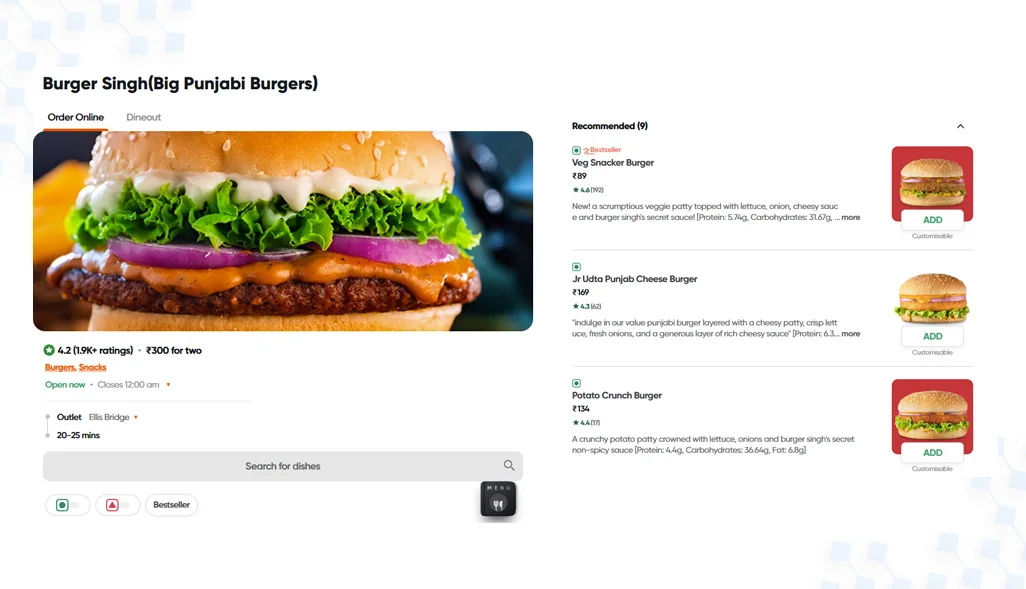
Pricing fluidity across digital delivery channels significantly impacts customer acquisition costs and long-term brand profitability. Implementing automated monitoring through a Swiggy Food Data Crawler gives financial analysts continuous visibility into daily price shifts, surge adjustments, and promotional structures. Understanding competitor meal combos and basket-level discounts prevents accidental margin erosion during peak dining hours.
Evaluating price elasticity across micro-markets helps revenue managers determine maximum price thresholds for core offerings without losing orders. Systematic intelligence tracks seasonal discount schedules to ensure your promotional campaigns run with optimal market timing.
Deploying a dedicated Swiggy API for Competitor Price Monitoring enables pricing managers to adjust digital storefront prices dynamically, maintaining strong market competitiveness while preserving healthy gross profit margins.
Core pricing analysis takeaways include:
- Monitoring competitor surge pricing during peak hours.
- Tracking meal bundle strategies and promotional discounts.
- Evaluating local consumer price sensitivity by dish type.
- Protecting profit margins against aggressive competitor discounting.
| Restaurant Segment | Baseline Meal Price (INR) | Avg. Discount Rate (%) | Effective Consumer Cost (INR) |
|---|---|---|---|
| Quick Service (QSR) | ₹250 | 20% | ₹200 |
| Casual Dining | ₹550 | 15% | ₹467.5 |
| Premium Kitchens | ₹900 | 10% | ₹810 |
Sustained market leadership requires balancing aggressive promotional tactics with rigorous margin defense strategies. Relying on structured pricing feeds gives enterprise operations the exact data points needed to fine-tune digital menu prices effectively across all urban hubs.
Optimizing Delivery Radius Coverage And Outlet Operational Metrics
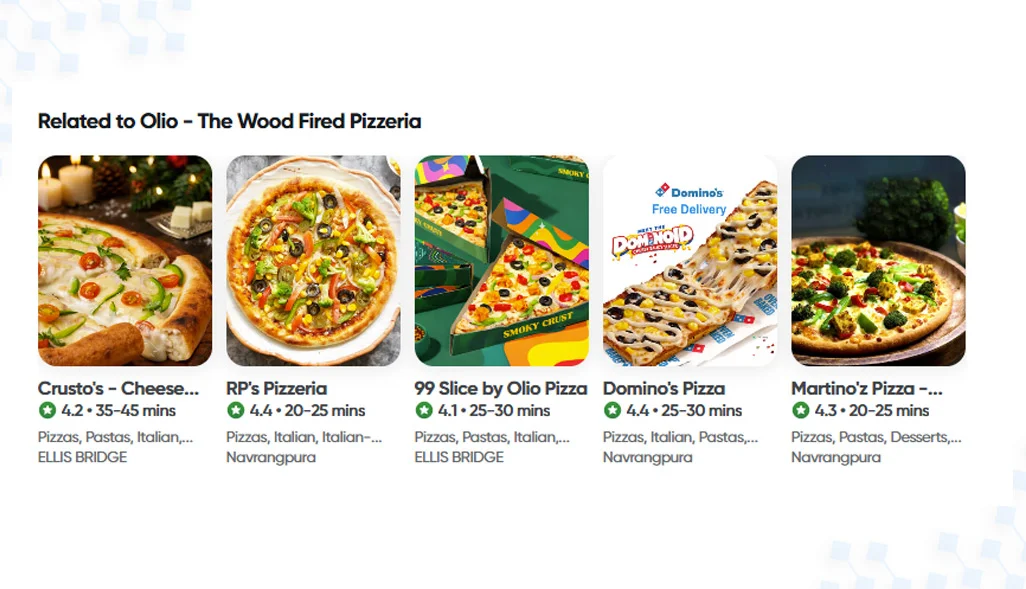
Successful geographic expansion relies on granular insights covering delivery coverage radii, dispatch efficiency, and customer rating distributions. Leveraging continuous Swiggy Food Delivery Data Scraping assists expansion planners and real estate teams in identifying lucrative cloud kitchen locations with proven order density. Analyzing performance standards across rival outlets allows kitchen managers to optimize order prep times and throughput.
Monitoring outlet downtime and item out-of-stock occurrences highlights supply chain challenges affecting market rivals. Top-performing brands utilize these operational indicators to streamline packaging processes and ensure high customer retention rates across platforms.
Businesses that systematically Extract Swiggy Food Delivery Trends build a decisive edge in logistical planning, ensuring expansion projects are backed by verified consumer demand and localized operational metrics.
Essential delivery metrics to benchmark include:
- Average preparation and dispatch timelines by zone.
- Geographic delivery radius and coverage reach.
- Stockout frequencies for high-demand ingredients.
- Customer rating distributions across competing outlets.
| Operational Metric | Category Benchmark | Industry Top 10% | Impact on Order Volume |
|---|---|---|---|
| Prep & Dispatch Time | 18 Mins | 12 Mins | +22% Repeat Orders |
| Delivery Radius Coverage | 5.5 Km | 8.0 Km | +35% Audience Reach |
| Menu Item In-Stock Rate | 91% | 98.5% | +14% Conversion Rate |
Building a high-performing food delivery presence demands ongoing refinement of kitchen operations and distribution limits. Harnessing real-time market metrics ensures every operational adjustment yields measurable improvements in fulfillment speed and customer loyalty.
How Web Data Crawler Can Help You?
Modern enterprise analytics requires structured, reliable, and compliant data extractions tailored specifically to your operational goals. Implementing Swiggy Data Scraping for Restaurant Market Research through an automated pipeline eliminates manual overhead while ensuring continuous data accuracy across thousands of restaurant listings.
We provides:
- Automated daily extraction of menu items, add-on options, and localized pricing structures.
- Comprehensive monitoring of aggregator discounts, combo offers, and seasonal packaging tactics.
- Precise geotagged market coverage across specified postal codes and delivery zones.
- Structuring raw unstructured JSON and HTML payloads into clean, database-ready CSV or API feeds.
- Continuous monitoring of customer ratings, sentiment metrics, and operational availability.
- Scalable infrastructure capable of handling large-scale extractions without service interruptions.
Custom enterprise solutions empower food service executives to tap into Swiggy Web Scraping for Food Delivery Trends, transforming raw aggregator listings into high-impact strategic growth assets.
Conclusion
Maximizing market share in today's fast-moving delivery ecosystem requires dynamic, real-time intelligence rather than periodic manual reviews. Incorporating regular Swiggy Data Scraping for Restaurant Market Research into your enterprise analytics stack delivers unmatched visibility into competitor operations and evolving consumer tastes.
Adopting continuous data monitoring allows food service businesses to refine pricing models, evaluate promotional effectiveness, and capture untapped delivery zones. Deploying Swiggy Web Scraping for Food Delivery Trends equips your strategy team with actionable metrics to outpace industry rivals consistently. Partner with Web Data Crawler today to transform raw food delivery data into your greatest competitive advantage!