


Why Does Real-Time Airline Fare Data Scraping for Dynamic Pricing Matter for Smarter Fare Analysis?
Oct 01
Introduction
Airline pricing changes continuously because fares respond to demand, seat availability, booking windows, route conditions, and seasonal movements. Real-Time Airline Fare Data Scraping for Dynamic Pricing helps businesses collect current fare information across multiple routes and booking platforms for more consistent market analysis.
Traditional fare research can become outdated quickly when airlines adjust prices several times throughout the day. Structured data collection provides timely visibility into competitor rates, fare classes, route-level movements, and availability patterns, supporting Dynamic Pricing Optimization with more relevant market information.
For airlines, travel companies, OTAs, and aviation analysts, timely fare intelligence supports practical decisions around pricing, promotions, and revenue planning. Comparing historical and current fare movements can also reveal recurring seasonal trends, demand shifts, and differences between competing routes.
Sharper Market Signals Through Continuous Airline Fare Movement Analysis
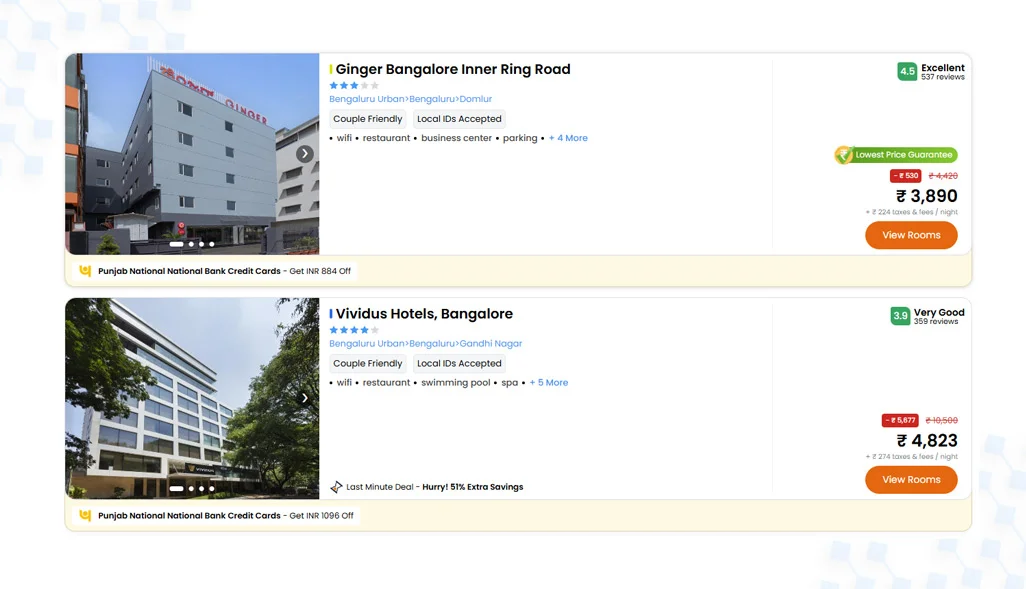
Airfare markets can shift within short intervals as airlines respond to booking volumes, remaining seats, travel dates, competitor activity, and seasonal demand. For pricing teams, Airline Ticket Price Monitoring Using Web Scraping creates a structured way to observe these changes across different carriers and routes. Instead of relying on occasional manual checks, businesses can collect fare observations at predefined intervals and compare them over time.
This approach helps analysts identify price movements that may otherwise be missed during infrequent research cycles. It also creates a broader view of how fares behave across domestic and international markets, supporting more consistent evaluation of market conditions. Data collection becomes more practical when information is delivered in a format that can connect with existing analytical environments.
Regular updates can then be compared against previous records to identify meaningful changes. A Web Scraping API can provide structured fare records for applications, dashboards, internal databases, and pricing workflows. Depending on business requirements, datasets can contain airline names, origin and destination airports, departure dates, cabin categories, fare amounts, currency details, and availability indicators.
| Data Point | Typical Coverage | Analytical Purpose |
|---|---|---|
| Ticket Price | Multiple daily checks | Fare comparison |
| Routes | 500+ | Market assessment |
| Cabin Classes | 4–8 | Product comparison |
| Travel Dates | 90-day range | Booking analysis |
| Availability | Multiple intervals | Inventory review |
Key advantages include:
- Frequent observation of changing fare conditions
- Consistent route-level data collection
- Historical comparison across travel periods
- Structured records for analytical workflows
- Flexible monitoring based on business needs
With these signals organized systematically, pricing teams can evaluate market movements with greater consistency and contextual accuracy.
Competitive Fare Intelligence Shaping More Informed Airline Pricing Strategies
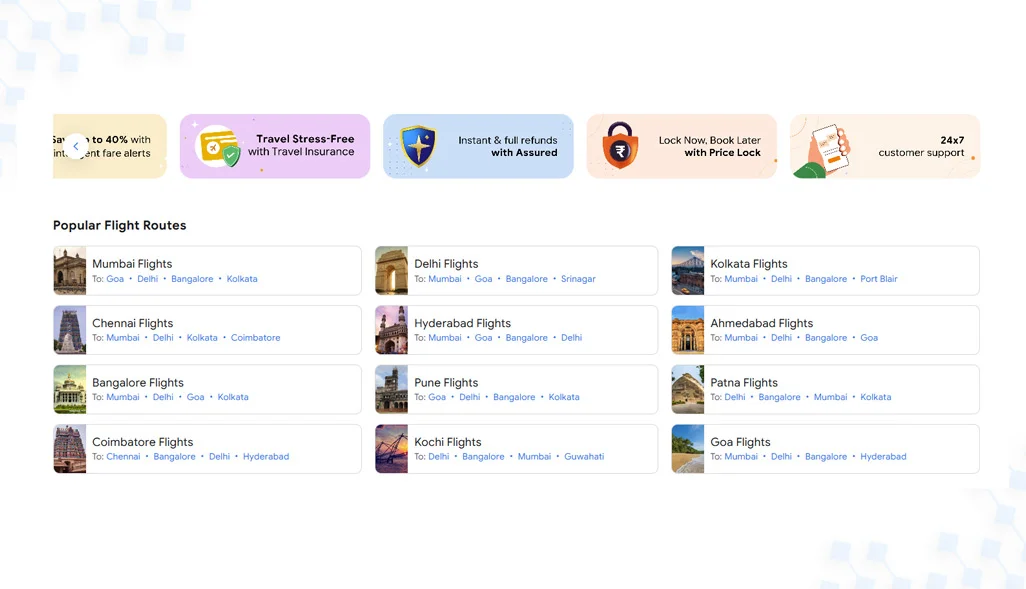
Competitive fare information provides important context when businesses evaluate airline pricing behavior. Prices from different carriers can vary according to travel dates, departure times, cabin classes, booking windows, and available inventory. Airline Competitor Fare Scraping for Pricing Intelligence helps teams collect comparable observations across multiple market participants.
By placing competitor records into a structured framework, analysts can examine how individual airlines position fares across similar routes. This can also highlight recurring differences between carriers and identify periods when pricing behavior changes significantly.
Historical records add another layer of value because current observations become more meaningful when compared with earlier conditions. Airline Fare Monitoring Dataset Scraping can organize collected information into reusable datasets containing route details, airline identifiers, fare values, travel dates, cabin categories, and timestamps. Such records can support trend analysis and help teams examine whether certain price movements occur repeatedly during weekends, holidays, high-demand periods, or promotional windows.
| Metric | Sample Coverage | Business Purpose |
|---|---|---|
| Airlines Tracked | 25+ | Market comparison |
| Routes Covered | 500+ | Route analysis |
| Fare Records | 100K+ | Historical assessment |
| Daily Updates | 6 cycles | Movement tracking |
| Travel Window | 90 days | Booking analysis |
Useful applications include:
- Comparing competing fares across similar routes
- Tracking repeated pricing changes
- Reviewing historical fare movements
- Identifying promotional pricing periods
- Supporting structured market research
Organized competitive records can also make reporting more consistent because analysts work from comparable fields rather than disconnected manual observations. This provides useful context for reviewing pricing decisions.
Connected Route Insights Reveal Demand Availability and Pricing Patterns

Airline fare analysis becomes more informative when price information is reviewed alongside route conditions and availability. A fare increase may reflect stronger demand, reduced inventory, a seasonal period, or competitive movement. Flight Route Price Monitoring Using Scraped Data allows businesses to compare pricing changes across specific origin-destination combinations and different travel periods. This creates a clearer picture of how fares behave across individual routes rather than treating the entire airline market as one category.
Broader travel information can also provide supporting context for fare analysis. Businesses can Extract Travel Data covering airline names, departure and arrival locations, schedules, travel dates, cabin classes, fare values, and availability. Combining these fields helps analysts examine relationships between published prices and other travel conditions. Historical comparisons can further reveal whether particular routes demonstrate recurring patterns during holidays, peak seasons, weekends, or high-demand booking periods.
| Indicator | Example Coverage | Analytical Value |
|---|---|---|
| Routes | 500+ | Geographic comparison |
| Airlines | 20+ | Market benchmarking |
| Fare Classes | 4–8 | Cabin analysis |
| Availability Checks | Multiple daily | Inventory review |
| Seasonal Periods | 4 periods | Trend assessment |
Key applications include:
- Comparing route-level pricing movements
- Monitoring availability alongside fare changes
- Reviewing seasonal pricing patterns
- Studying demand-related fare fluctuations
- Building historical route comparisons
Another useful layer comes from tracking inventory changes over time. Airline Fare Availability Monitoring Using Web Scraping can help teams observe availability signals alongside fare observations, making it easier to interpret whether price movements coincide with changing inventory conditions. Together, these records create a more complete foundation for airline market analysis.
How Web Data Crawler Can Help You?
Airline pricing teams require consistent information because fares, availability, and competitive conditions can change frequently. We support Real-Time Airline Fare Data Scraping for Dynamic Pricing by collecting structured information across airlines, routes, travel dates, cabin classes, and availability indicators.
The collected records can be cleaned and organized for dashboards, analytical models, monitoring systems, and internal pricing workflows. Businesses can define collection frequency, source coverage, required fields, and preferred delivery formats according to their operational requirements.
Key capabilities include:
- Automated collection across selected airline and travel platforms
- Route-level fare comparison across multiple carriers
- Scheduled extraction based on business requirements
- Structured datasets prepared for analytical applications
- Historical storage for identifying pricing patterns
- Flexible delivery through commonly used data formats
A structured collection process can reduce repetitive manual research while creating consistent records for analysis. Historical observations also help teams compare current market conditions against previous pricing periods, making route-level reporting more organized.
The collected information can support Scraped Airline Ticket Prices for Revenue Management by providing additional market context for pricing and revenue teams. Data can be prepared for reporting systems, analytical workflows, databases, or customized applications.
Conclusion
Airline pricing decisions depend on timely market information because fares, availability, booking patterns, and competitive conditions can change throughout the day. Real-Time Airline Fare Data Scraping for Dynamic Pricing provides structured visibility into route-level movements, competitor fares, seasonal changes, and availability signals. When these records are collected consistently, analysts can build more detailed comparisons between current observations and historical market conditions.
Structured fare information can also contribute to broader revenue planning by giving teams additional context around competitive movements and route behavior. Scraped Airline Ticket Prices for Revenue Management can complement internal pricing records and support more informed analysis of changing market conditions. Contact Web Data Crawler today to build a customized airline fare data collection solution for your pricing and market intelligence requirements.