
How Does Holiday Flight and Hotel Price Data Scraping for Analytics Expose Holiday Price Surges?
Oct 06
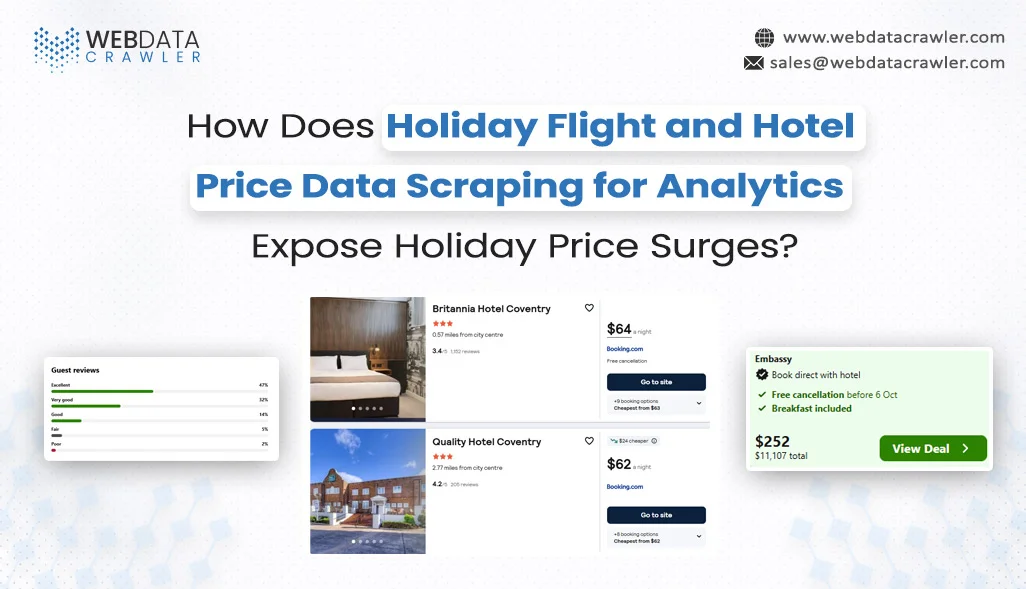
Introduction
Holiday travel pricing changes rapidly as airlines and hotels respond to demand, availability, booking windows, and seasonal events. Holiday Flight and Hotel Price Data Scraping for Analytics helps businesses collect structured pricing information across travel platforms and compare rate movements over time. These insights make seasonal price analysis more consistent and actionable.
During peak periods, even small pricing changes can significantly affect trip budgets and travel planning. Web Scraping Travel Data enables analysts to monitor airfare, hotel rates, room availability, discounts, destinations, and booking conditions across multiple sources. Comparing these records helps identify when prices begin rising and which travel segments experience stronger fluctuations.
By combining historical and current pricing records, businesses can identify recurring spikes, unusual movements, and demand-driven patterns. This approach supports forecasting, pricing decisions, promotional planning, and market comparison while helping analysts understand how holiday demand influences flight and accommodation costs across popular destinations.
Monitoring Holiday Fare Movements Across Major Travel Periods
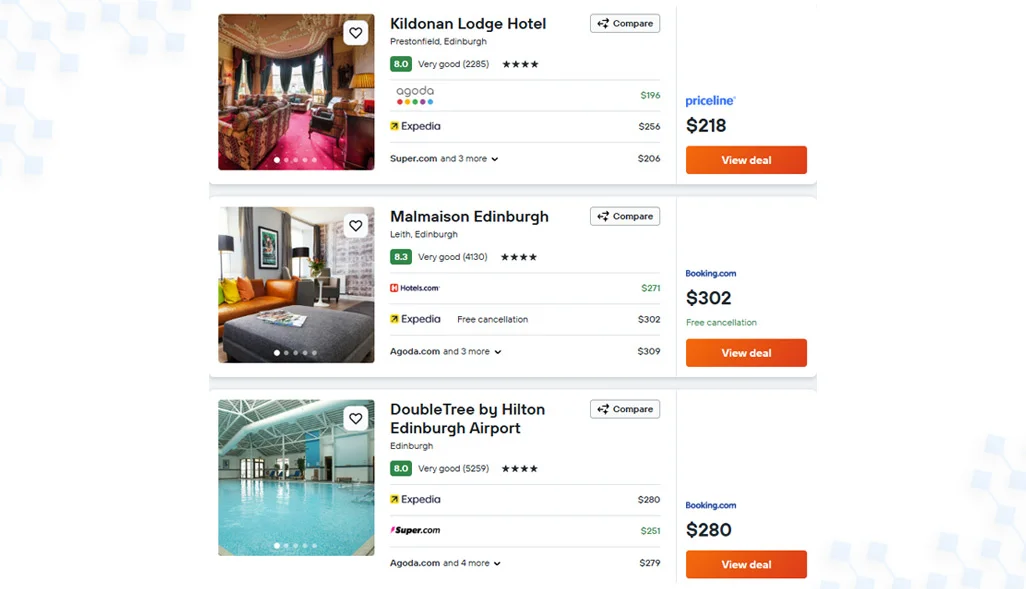
Holiday airfare can change several times before departure as airlines respond to booking activity, seat availability, route popularity, and travel demand. Analysts can collect pricing records at regular intervals to identify gradual increases or sudden jumps. Real-Time Flight Price Tracking Using Scraped Data makes it easier to compare fare movements across routes, airlines, departure dates, and booking windows.
Another important consideration is the collection method used for gathering changing travel information. Businesses evaluating Travel API vs Web Scraping for Real-Time Travel Data can consider factors such as source coverage, update frequency, scalability, and the number of fields required. A broader collection approach can provide more contextual information for detailed holiday pricing analysis.
Historical observations can also help identify when fares begin accelerating before major travel periods. For example, Scraping Flight Prices for Holiday Travel Forecasting can provide records that reveal relationships between booking timing and fare increases. Analysts can compare several observation periods to distinguish predictable seasonal movements from unusual pricing behavior.
Businesses can organize collected information around important analytical indicators, including:
- Departure and arrival locations
- Fare changes across booking dates
- Airline and route information
- Seat or availability indicators
- Travel dates and booking windows
| Metric | Analytical Purpose |
|---|---|
| Fare Change | Measures pricing movement |
| Booking Window | Identifies timing patterns |
| Seat Availability | Indicates demand pressure |
| Route Frequency | Compares route activity |
| Travel Date | Highlights seasonal effects |
This structured monitoring allows travel companies to identify emerging fare surges earlier and evaluate whether changes are isolated to particular routes or reflect broader holiday demand.
Comparing Competitive Pricing During Peak Holiday Demand
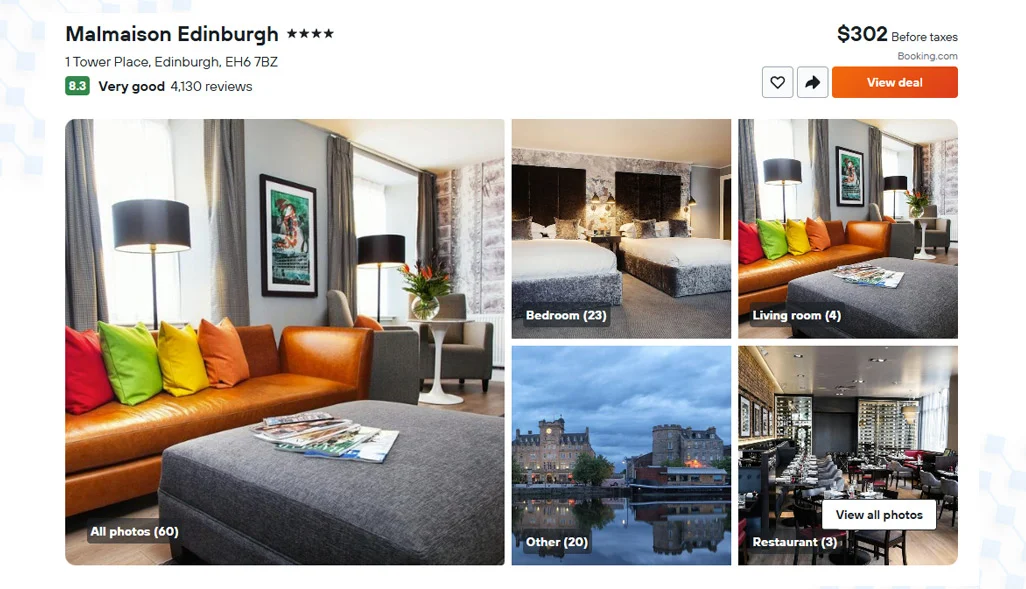
Holiday pricing becomes more meaningful when businesses compare similar flights, rooms, destinations, and travel dates across several providers. Such comparisons reveal whether a price increase is market-wide or limited to a particular platform. Holiday Travel Competitive Intelligence Using Scraped Data helps analysts examine competing offers, rate differences, promotions, availability, and destination-level movements.
Regular comparison can also reveal how competitors adjust prices when demand starts increasing. Through Competitor Price Monitoring, businesses can observe pricing gaps, discount changes, promotional activity, and shifts in available inventory. These observations can help identify recurring competitive behaviors during Christmas, New Year, summer holidays, long weekends, and other high-demand periods.
Hotel pricing should be evaluated alongside airfare because travelers often consider total trip costs rather than individual components. Travel Price Data Scraping for Peak Season Analysis can combine flight and accommodation records to show how transportation and lodging expenses move together. This provides a broader view of holiday pricing pressure across different destinations.
Businesses can focus on several competitive indicators during analysis:
- Comparable flight fares
- Hotel room prices
- Promotional discounts
- Room and seat availability
- Destination-specific pricing
- Changes across booking periods
| Comparison Area | Key Indicator |
|---|---|
| Flight Fare | Lowest available rate |
| Hotel Rate | Average nightly price |
| Promotion | Discount movement |
| Availability | Remaining inventory |
| Destination | Demand variation |
| Booking Period | Price movement |
When these records are collected consistently, analysts can determine whether a surge reflects stronger consumer demand, limited inventory, competitor movement, or a combination of multiple market conditions.
Revealing Seasonal Patterns Through Historical Travel Records
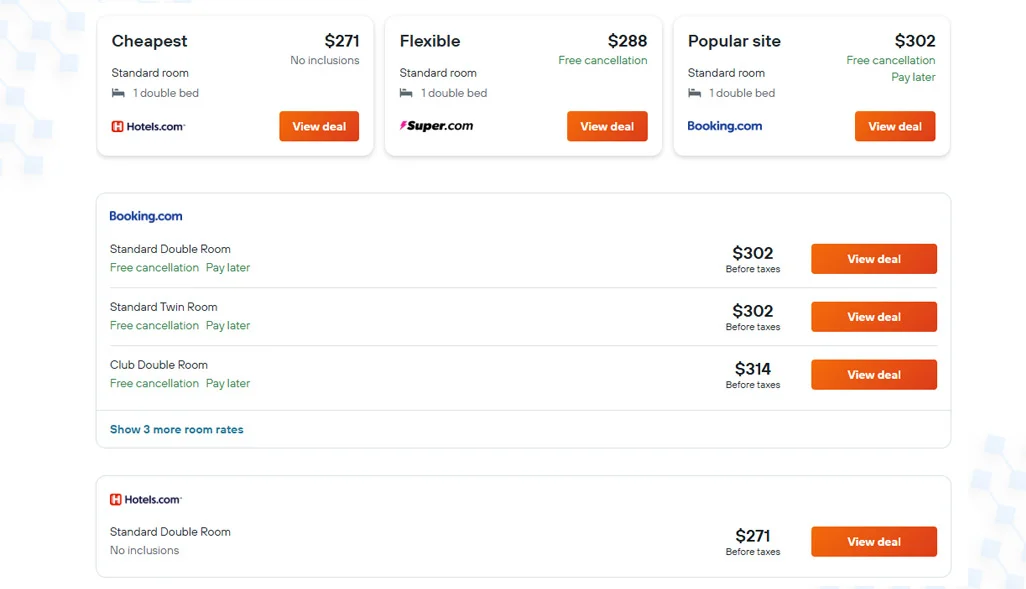
Historical pricing information provides valuable context for understanding how travel costs behave before, during, and after major holidays. Analysts can compare multiple travel periods to identify recurring increases, stable pricing windows, and unusual deviations. Travel Datasets can organize these historical observations into structured records for broader trend evaluation and reporting.
A longer historical view can show whether particular destinations experience similar price movements each year. For instance, Travel Pricing Trends Using Scraped Flight and Hotel Data can help compare airfare and accommodation changes across holiday cycles. This allows analysts to identify recurring seasonal patterns and evaluate whether current prices differ significantly from previous periods.
Forecasting can become more precise when historical pricing is connected with booking timing and availability changes. Scraping Flight Prices for Holiday Travel Forecasting can support analysis of how fares respond as departure dates approach. Comparing these movements across several holiday seasons may reveal periods when prices typically accelerate or remain relatively stable.
Analysts can organize historical travel information around several useful indicators:
- Previous holiday fare levels
- Accommodation pricing history
- Destination demand patterns
- Booking-date comparisons
- Availability fluctuations
- Seasonal pricing variations
| Data Point | Insight |
|---|---|
| Historical Fare | Seasonal movement |
| Hotel Rate | Accommodation demand |
| Travel Date | Peak-period impact |
| Destination | Regional demand |
| Availability | Inventory pressure |
| Booking Timing | Price acceleration |
Using these records, travel businesses can distinguish normal seasonal increases from unexpected price surges. This supports more informed forecasting, destination comparisons, pricing evaluations, and planning decisions during periods when travel demand can significantly influence overall costs.
How Web Data Crawler Can Help You?
Travel businesses need consistent pricing information to understand rapidly changing holiday markets. Holiday Flight and Hotel Price Data Scraping for Analytics can help collect flight fares, hotel rates, availability, destinations, travel dates, and promotional information from relevant online sources. We can organize this information into structured datasets for easier analysis, reporting, and historical comparison.
Key capabilities can support:
- Automated collection across selected travel sources
- Structured organization of flight and hotel information
- Regular monitoring of changing prices and availability
- Historical storage for seasonal comparisons
- Destination-level pricing analysis
- Custom data preparation for analytical workflows
After these processes are implemented, businesses can evaluate Scraping Flight Prices for Holiday Travel Forecasting alongside historical records to understand potential demand-driven movements. The resulting insights can support pricing strategies, travel recommendations, promotional planning, and operational decisions while reducing the effort involved in manually collecting changing travel information.
Conclusion
Holiday pricing can fluctuate because of demand, availability, booking timing, destination popularity, and seasonal events. By combining historical records with current observations, Holiday Flight and Hotel Price Data Scraping for Analytics helps analysts identify meaningful price movements and evaluate when holiday-related surges become more visible across different travel markets.
Consistent monitoring also supports Travel Pricing Trends Using Scraped Flight and Hotel Data, giving travel businesses a structured basis for comparing rates and planning future strategies. Accurate pricing intelligence can improve forecasting, market evaluation, and promotional decisions across peak travel periods. Contact Web Data Crawler today to build a structured travel data collection solution for holiday pricing analytics.