
Which Is Better: Travel API vs Web Scraping for Real-Time Travel Data for Modern Travel Businesses?
July 09 2026
Introduction
Travel businesses depend on timely, accurate, and wide-ranging information to manage fares, availability, packages, destination trends, and competitor activity. Airlines, online travel agencies, hotel platforms, tour operators, and travel marketplaces all need dependable data pipelines to respond to changing customer demand.
The discussion around Travel API vs Web Scraping for Real-Time Travel Data has become increasingly important as travel platforms update prices, inventory, policies, and promotions throughout the day. A travel API can provide structured access to approved data endpoints, while web scraping can capture publicly visible details from websites, booking pages, search results, and listing pages.
Selecting the right approach requires careful consideration of data coverage, update frequency, technical resources, compliance needs, and reporting objectives. Web Scraping Travel Data supports companies that need broader visibility across multiple travel sources, including data points not always available through standard API access.
Expanding Source Visibility Across Diverse Travel Platforms Today
Travel businesses often encounter incomplete information when they depend on a single supplier feed for fares, accommodation availability, destination packages, traveler reviews, and booking policies. API connections can deliver standardized records, but their usefulness depends on approved access, endpoint depth, regional supplier participation, and request limits.
Market studies indicate that hotel availability and room pricing can change several times each day, especially during holidays, major events, and seasonal peaks. Flight fares may also shift within hours as seat demand, route competition, and booking patterns change.
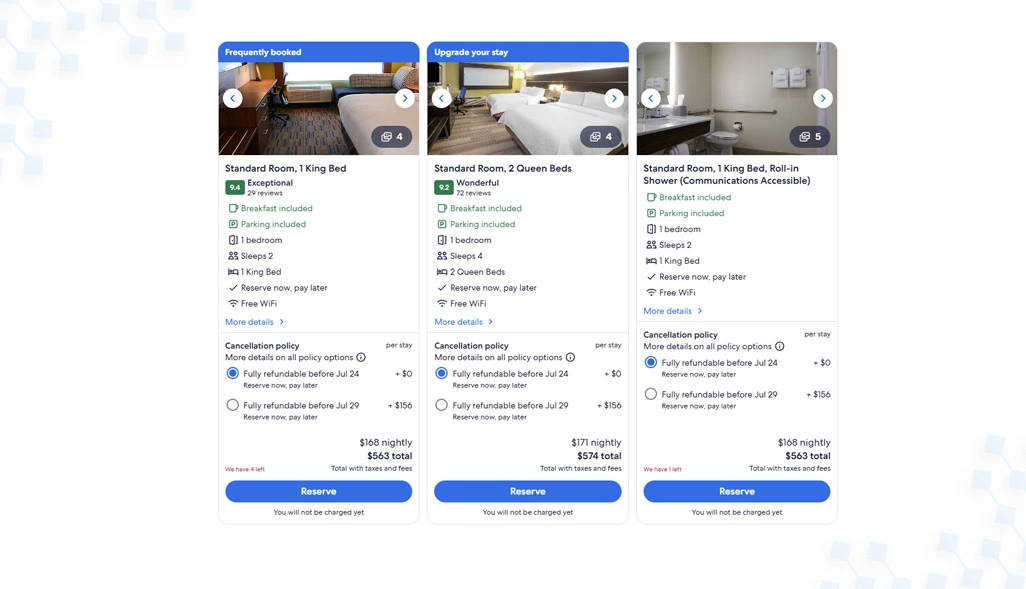
When structured collections include Travel Datasets such as room types, package inclusions, cancellation terms, ratings, destination details, and promotional offers, analysts can compare market conditions with greater accuracy. This approach supports stronger planning for inventory, pricing, and destination research.
| Data Challenge | API-Based Approach | Web Collection Approach | Business Impact |
|---|---|---|---|
| Supplier coverage gaps | Depends on connected partners | Reviews publicly visible sources | Expands market visibility |
| Limited listing details | Uses available endpoint fields | Captures page-level information | Improves report depth |
| Regional information gaps | Varies by provider participation | Monitors local travel platforms | Supports wider destination analysis |
| Promotion monitoring | May exclude visible offers | Tracks listing and campaign changes | Identifies timely opportunities |
For businesses reviewing collection models, Which Is Better Web Scraping or Travel API depends on source diversity, reporting depth, and the level of public information required for regular analysis.
Tracking Price Movements Through Continuous Market Monitoring
Price changes remain a major operational concern for airlines, hotels, travel agencies, vacation rental platforms, and online booking businesses. Flight fares, hotel rates, package prices, and rental costs may fluctuate based on seasonal demand, route popularity, booking windows, competitor actions, and available inventory.
Travel platforms increasingly use automated monitoring to evaluate rate changes across destinations, room categories, routes, and booking channels. Industry observations suggest that hotel rates can vary by 10% to 25% during high-demand periods, while airline fares may change several times in a single day.
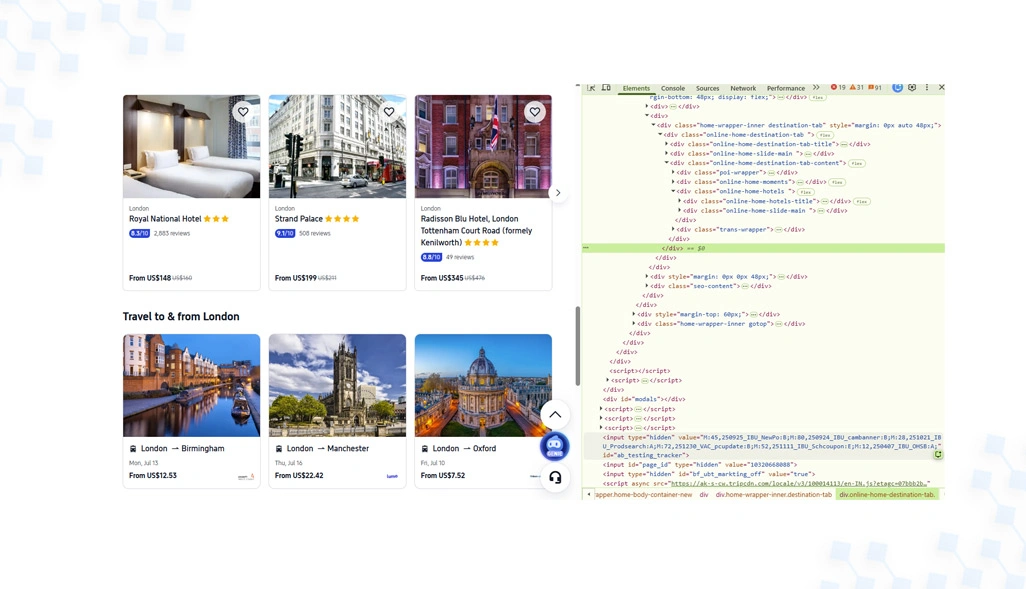
A Scraping API can support recurring data collection from dynamic travel pages by organizing visible fare, availability, and package information into structured outputs. This process can help teams compare routes, track room-level prices, monitor promotional changes, and create historical records for trend analysis.
| Price Monitoring Factor | API-Based Collection | Web Collection Method | Operational Benefit |
|---|---|---|---|
| Flight fare changes | Covers connected airline suppliers | Tracks visible airline and OTA fares | Supports route comparisons |
| Hotel pricing updates | Depends on provider availability | Captures room-level displayed rates | Improves pricing visibility |
| Package promotions | May contain limited offer fields | Reviews public package details | Supports campaign planning |
| Historical pricing | Stores returned records | Creates repeated market snapshots | Strengthens forecasting |
The choice of Travel API or Web Scraping for Price Monitoring should reflect required update frequency, source coverage, data detail, and the reporting priorities of the travel business.
Building Competitive Intelligence Through Marketplace Performance Analysis

Travel brands need wider market intelligence beyond fares and inventory to understand how competitors position offers across booking channels. Details such as listing rank, room benefits, cancellation flexibility, loyalty incentives, review trends, destination packages, and promotional messages can influence traveler choices.
Travelers frequently compare several booking platforms before confirming a reservation, particularly when evaluating hotels, flights, vacation packages, and rental properties. This comparison behavior increases the importance of tracking how competitors present prices, amenities, discounts, and booking conditions.
A Web Scraping API can organize publicly visible records from hotel listings, airline booking pages, travel marketplaces, and OTA search results. The collected information can be converted into structured reports, dashboards, comparison models, and recurring intelligence feeds for business teams.
| Intelligence Area | Information Collected | Strategic Application |
|---|---|---|
| Listing visibility | Ranking position and search placement | Improves marketplace positioning |
| Room benefits | Amenities, meal plans, and cancellation terms | Refines offer structures |
| Promotional activity | Discounts, coupons, and loyalty benefits | Supports campaign adjustments |
| Customer feedback | Ratings, reviews, and recurring concerns | Guides service improvements |
| Route coverage | Schedules, fares, and availability | Supports route-level planning |
Through Travel Competitor Analysis Using Web Scraping, travel teams can evaluate competitor presentation, promotional patterns, booking benefits, and listing visibility across multiple channels. Broader performance reporting can also benefit from Travel API vs Web Scraping for Ota Analytics when teams need a combined view of supplier records and public marketplace activity.
How Web Data Crawler Can Help You?
Travel businesses require consistent data workflows to track market shifts, supplier updates, competitor activity, and customer-facing offers. With Travel API vs Web Scraping for Real-Time Travel Data included in the planning process, businesses can select the most suitable approach for their travel intelligence needs.
Our approach includes:
- Collect flight, hotel, rental, and package information from multiple travel sources.
- Monitor route-level fares and hotel room pricing at scheduled intervals.
- Track listing changes, availability updates, and promotional campaigns.
- Build structured reports for regional travel market analysis.
- Integrate collected records with dashboards, databases, and analytics tools.
- Support customized workflows for recurring travel data requirements.
Our team can also support Web Scraping Travel Data for Competitive Intelligence by creating tailored workflows for competitor monitoring, offer tracking, listing comparison, and travel market reporting. This helps travel businesses convert high-volume public information into organized and actionable insights.
Conclusion
Travel businesses need flexible data strategies to manage changing prices, availability, customer expectations, and competitor activity. A balanced approach using Travel API vs Web Scraping for Real-Time Travel Data can help teams combine structured supplier feeds with broader market visibility from public travel platforms.
Businesses can improve reporting quality, pricing responsiveness, and destination-level research through Travel Booking API Scraping for Insights that aligns with operational goals. Contact Web Data Crawler today to build a customized travel data collection solution for your business.