


How to Integrate Zoopla API Into a Real Estate Platform for Smarter Property Search Experiences?
Oct 22
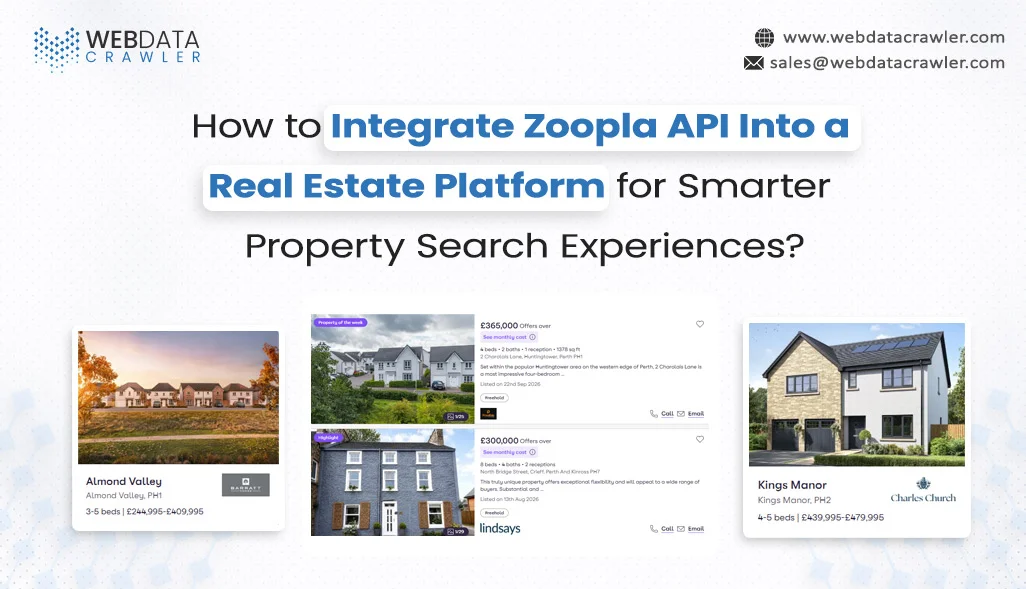
Introduction
The modern real estate landscape demands instant access to transparent, up-to-date listing information. Buyers and renters no longer tolerate stale data or incomplete market records when making high-stakes financial decisions. Consequently, proptech companies must modernize their infrastructure to deliver reliable, dynamic valuation estimates and comprehensive property profiles directly to end users.
To meet these evolving market expectations, developers rely on structured portal feeds. When software engineering teams Integrate Zoopla API Into a Real Estate Platform, they instantly connect their application to millions of residential listings across the United Kingdom. This seamless integration ensures your users gain immediate visibility into live pricing changes and historical property records.
However, relying solely on standard API endpoints can sometimes restrict access to custom historical metrics or deep market trends. In such instances, combining structured endpoints with Zoopla Property Data Scraping allows businesses to capture comprehensive historical archives, missing metadata, and regional price trends required for sophisticated real estate analytics platforms.
Technical Architecture For Automating Real Time Housing Market Listings
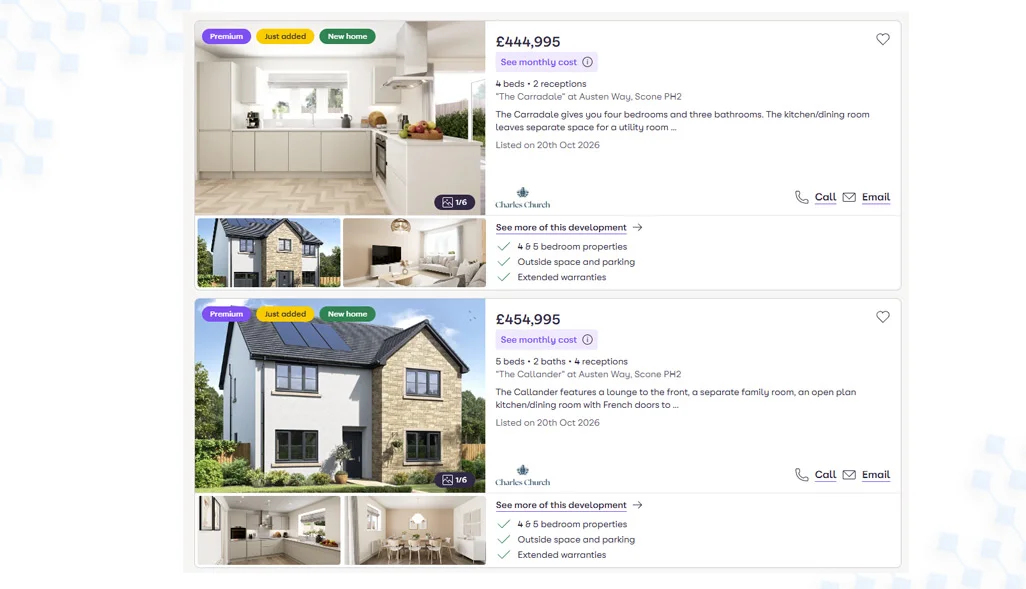
Building a reliable proptech solution requires automated pipelines to sync property listings, standardize incoming data, and update databases. Zoopla Web Scraping for Property Data helps streamline inventory management and deliver timely property updates to users. Establishing reliable data connection channels ensures that new home availability, price reductions, and status changes reflect immediately across web interfaces without requiring manual intervention from system administrators.
When developers configure a Zoopla Real Estate Data API connector within their core system architecture, they eliminate administrative latency and ensure complete data accuracy across all public-facing property portals. Automated synchronization loops continuously check for modified listing records, validating property descriptions, floor plans, and media assets before committing them to live production environments. This end-to-end automation keeps portal inventory fully refreshed and eliminates human errors during record entry.
Modern property platforms that maintain continuous listing updates see a dramatic improvement in user interaction metrics. Industry benchmarks indicate that platforms maintaining live market updates experience up to 40% higher repeat session rates compared to platforms that rely on traditional manual batch refresh schedules.
Key architectural benefits of automated real-time property ingestion include:
- Elimination of manual listing upload delays and input mistakes
- Instant synchronization of price changes and property availability status
- Seamless database scaling capable of managing millions of active property records
- Significant increase in user session duration and repeat portal visits
| Ingestion Parameter | Manual Data Processing | Automated API Pipeline |
|---|---|---|
| Update Frequency | Delayed (24–72 hours) | Instant / Real-Time |
| Data Accuracy | High Error Risk (~15%) | Near Zero Error Rate (<1%) |
| Listing Volume Capability | Low (Limited by manual labor) | Scalable (Millions of listings) |
| User Retention Boost | Baseline | +40% Increase |
Utilizing Comprehensive Property Valuation Records For Smart Analytics Engines
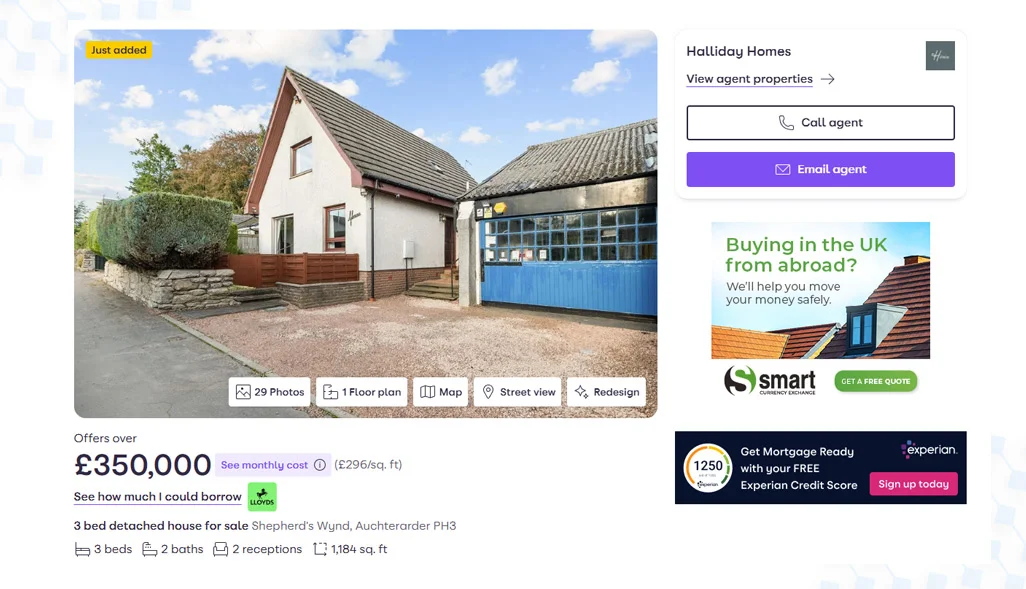
Integrating historical property records into valuation models helps real estate software deliver accurate price estimates and market trend analysis. Using Extract Authorized Zoopla Property Listing Data supports automated valuations based on past transactions, local yields, price changes, and property features. Providing users with transparent, data-backed property assessments fosters trust and helps buyers make confident financial decisions.
By integrating a structured Zoopla Real Estate Dataset into core analytics frameworks, property platforms gain access to rich historical data points required for high-precision valuation algorithms. Developers can construct comparative market analysis tools that evaluate neighborhood price trajectories, estimated rental yields, and days on market for specific zip codes. These quantitative insights allow real estate platforms to offer personalized recommendations that appeal directly to retail buyers and commercial property investors.
Empowering portal users with thorough analytical data directly increases platform engagement and inquiry rates. Behavioral statistics show that property seekers and real estate investors are 65% more likely to submit inquiries when presented with historical pricing trends alongside live listing comparisons.
Key data components driving advanced valuation engines include:
- Historical purchase records and appreciation calculations over multi-year cycles
- Neighborhood-level rental yield estimates designed for property investors
- Contextual geographic intelligence highlighting local market infrastructure
- Time-on-market metrics that assist buyers in identifying motivated sellers
| Data Attribute | Platform Benefit | Business Impact |
|---|---|---|
| Historical Price Records | Accurate valuation benchmarking | Boosts user trust & retention |
| Rental Yield Estimates | Tailored investor search filters | Attracts high-value investors |
| Neighborhood Statistics | Contextual area intelligence | Elevates platform engagement |
| Time-on-Market Analytics | Identifies motivated sellers | Accelerates transaction rates |
Enhancing User Search Filters With Granular Listing Data Structures
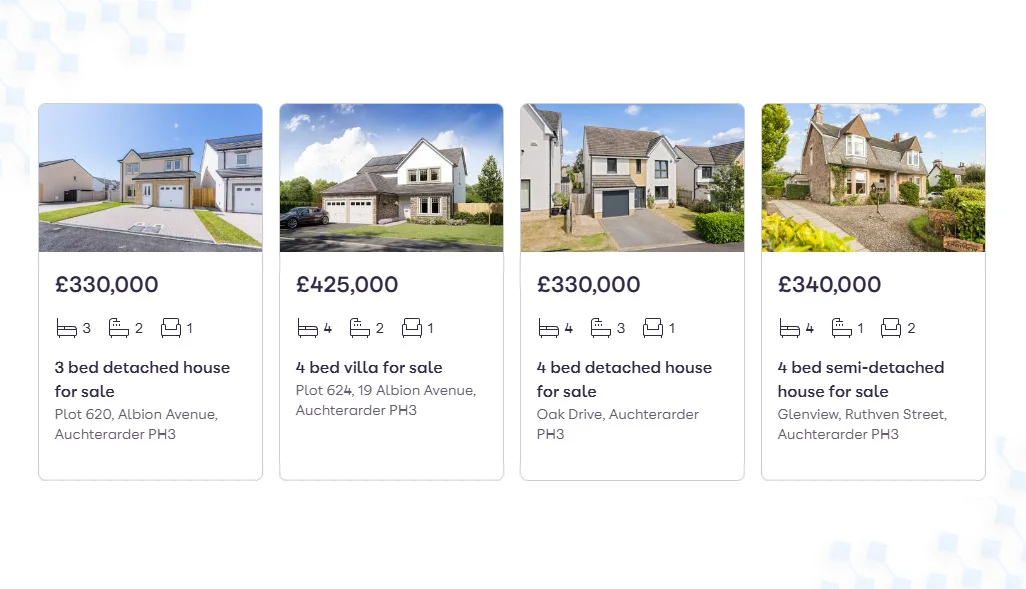
Delivering superior search experiences requires property portals to provide intuitive filtering options that extend beyond simple price limits and bedroom numbers. Platform engineers can build contextual search interfaces that allow users to filter listings based on exact commute times, local school ratings, energy performance certificates, and specific structural features. Structuring granular listing details into indexed database fields makes complex search queries fast and responsive for end-users.
When engineering teams systematically Scrape Property Listings From Zoopla or process structured partner data feeds, they extract detailed metadata points that enrich property profile pages. These enriched data attributes allow developers to implement advanced search logic, such as sorting properties by potential rental return or filtering homes by recent price reduction percentages. Providing these refined options reduces search friction and helps users locate matching properties faster.
Optimizing search mechanics and filter granularity directly improves user acquisition and lead generation performance across property portals. Implementing detailed metadata search filters typically increases inquiry conversion rates from a standard 1.5% baseline up to an average of 3.8%.
Essential features that power modern proptech search filters include:
- Commuting distance and exact route proximity options
- Historical price drop percentages and yield filters
- Comprehensive property attribute matching including tax bands
- High-converting lead generation interfaces driven by structured metadata
| Search Feature | Traditional Portal | Advanced Data-Driven Portal |
|---|---|---|
| Postcode Proximity | Basic radius boundary | Exact distance & commuting routes |
| Price Trend Filters | Fixed price ranges | Historical price change percentage |
| Yield & ROI Filters | Not available | Real-time rental return calculations |
| Enquiry Conversion | Standard (1.5%) | Enhanced (3.8% Average Rate) |
How Web Data Crawler Can Help You?
Modern proptech enterprises often require dedicated data gathering infrastructure to handle large-scale listing extractions, historical updates, and custom pipeline builds. Specialized crawling services handle complex web structures, proxy networks, dynamic scripts, and anti-scraping checks, delivering structured JSON or CSV data ready for direct database integration.
By choosing specialized data extraction services, engineering teams can save hundreds of hours in pipeline maintenance while guaranteeing uninterrupted data delivery. When organizations decide to Integrate Zoopla API Into a Real Estate Platform, customized web data extraction ensures clean, reliable datasets.
- Custom web scraping architecture tailored to modern real estate frameworks
- Automated validation protocols to eliminate duplicate and outdated listings
- Scalable cloud infrastructure providing low-latency continuous data feeds
- Flexible output formats compatible with major databases and cloud storage
- Real-time monitoring pipelines ensuring 99.9% data delivery uptime
- Enterprise-grade security and full compliance with data processing standards
Partnering with a reliable data crawling provider streamlines technical operations while allowing businesses to execute Zoopla Real Estate Competitor Data Research efficiently to maintain a strong market edge.
Conclusion
Building a responsive real estate application requires reliable data pipelines that keep property information accurate and accessible. When companies Integrate Zoopla API Into a Real Estate Platform, they elevate the overall user experience, boost user retention metrics, and power smart evaluation modules using structured property insights.
Leveraging tools like a Zoopla Real Estate Market Intelligence Scraper empowers your development team to continuously gather market analytics, optimize property discovery workflows, and scale platform operations seamlessly. Contact Web Data Crawler today to request a custom data extraction solution for your real estate business.