


How Worten Data Scraping Supports Cross-Store Product Data Helps Track Prices, Sellers and Stock?
Nov 17
Introduction
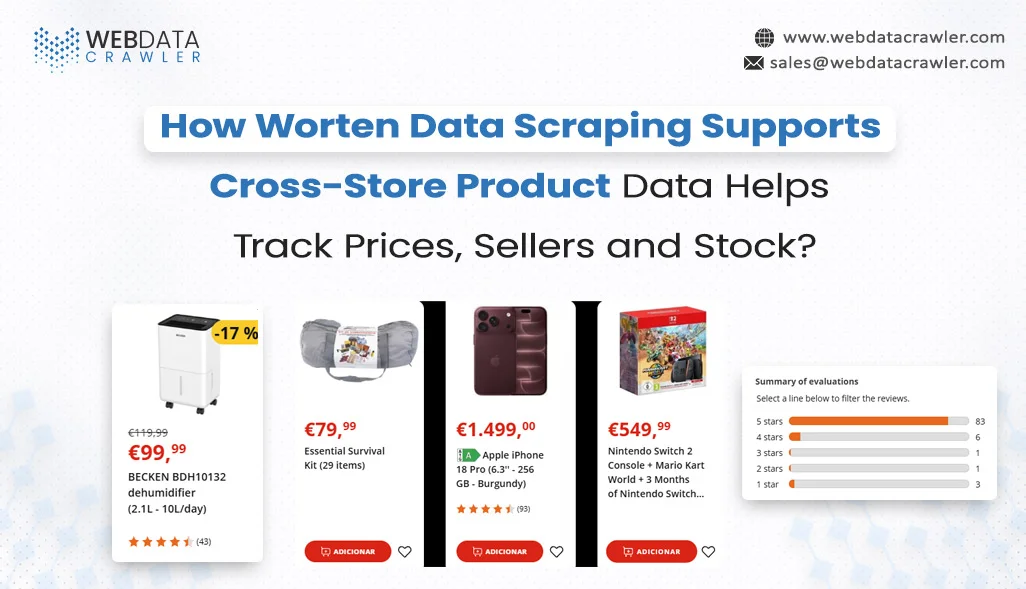
Retail competition across Iberian marketplaces requires constant visibility into competitor catalogs, promotional shifts, and regional inventory levels. Relying on manual checks leaves pricing teams reacting days after market changes occur, resulting in lost Buy Box share and eroded profit margins across high-velocity consumer electronics and home appliance categories.
Implementing structured Worten Product Data Scraping eliminates blind spots by capturing live SKU attributes directly from storefront pages. Instead of guessing how rival merchants adjust discounts during peak sales events, retail analysts receive clean, normalized records that align catalog variations across multiple regional online storefronts.
Understanding How Worten Data Scraping Supports Cross-Store Product intelligence empowers brands to unify disparate marketplace feeds into a single source of truth. By linking identical EANs, brand codes, and technical specifications across competing retail domains, businesses make faster, data-backed decisions on assortment expansion and dynamic repricing.
Tracking Cross-Store Pricing Dynamics and Margin Shifts Effectively
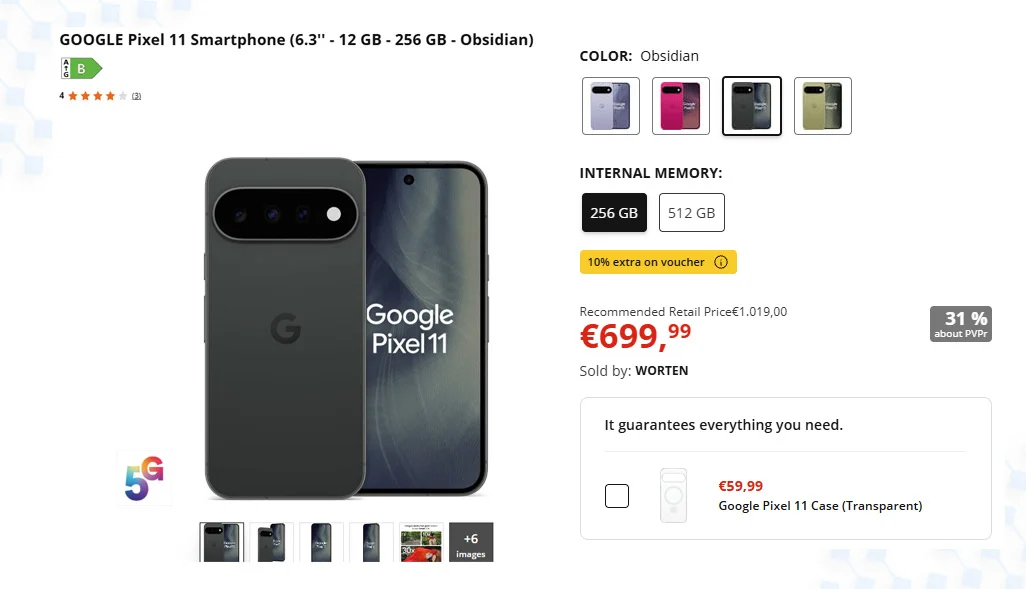
Accurate price benchmarking across multi-brand retailers depends on capturing both listed retail prices and temporary promotional markdowns throughout the entire sales cycle. According to European e-commerce retail benchmarks, over 68% of online shoppers compare prices across at least three storefronts before purchasing consumer electronics, making real-time price parity essential for conversion retention and brand loyalty.
Deploying enterprise Ecommerce Data Scraping pipelines allows commercial pricing engines to monitor SKU-level fluctuations across Worten and competing Iberian portals simultaneously without manual intervention. By comparing historical discount patterns against live storefront listings, pricing analysts distinguish between short-term flash sales and permanent supplier price reductions across regional markets.
When retail teams Scrape Worten Product Prices at scheduled intervals, they detect sudden flash discounts, promotional bundle offers, and shipping fee adjustments before those changes siphon organic traffic away from their own listings. Continuous monitoring ensures that category managers maintain strict price competitiveness while safeguarding baseline gross margins during high-traffic retail events.
- Tracks base retail prices alongside temporary promotional markdowns and voucher codes.
- Compares shipping fees and regional tax inclusions across competing retail domains.
- Flags sudden competitor price drops within minutes to prevent Buy Box loss.
| Pricing Metric | Manual Monitoring | Automated Cross-Store Extraction | Impact on Margin |
|---|---|---|---|
| Update Frequency | Once per week | Every 15 to 60 minutes | +14% faster reaction time |
| Promotional Detection | 40% capture rate | 99.4% capture rate | Prevents margin erosion |
| SKU Coverage | Under 500 SKUs | 50,000+ SKUs daily | Full catalog visibility |
| Price Parity Accuracy | ~78% due to lag | 99.8% verified match | +9% conversion lift |
Integrating structured price feeds into automated repricing rules prevents unnecessary race-to-the-bottom discounting across overlapping product catalogs. Rather than slashing margins blindly, category managers rely on verified cross-store intelligence to adjust bids selectively on price-elastic items while holding firm on exclusive or high-demand inventory.
Monitoring Third-Party Sellers and Marketplace Competition Across Channels
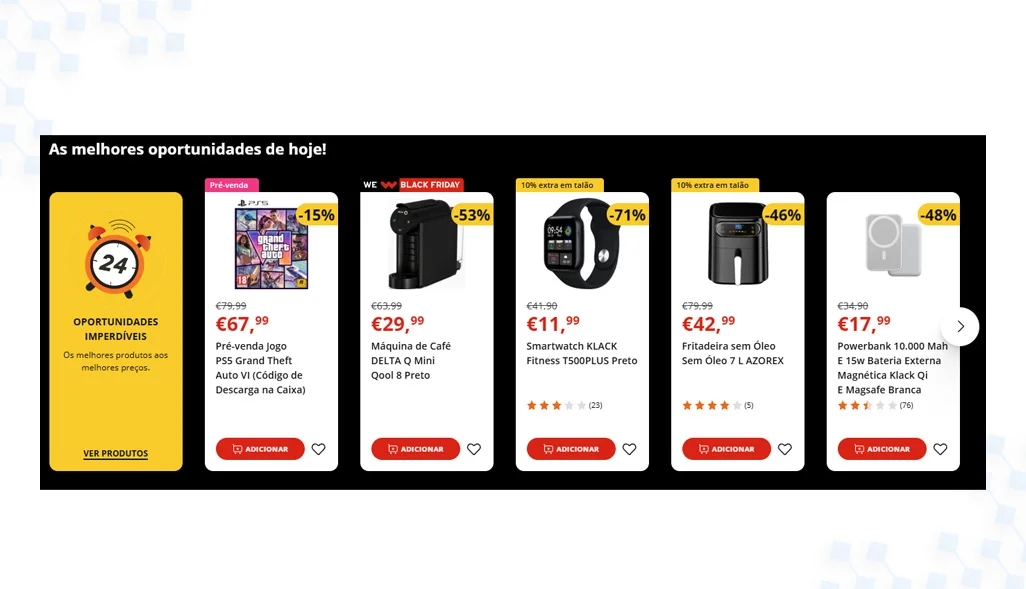
Worten operates both as a direct retailer and a sprawling third-party marketplace, meaning a single product detail page frequently hosts multiple competing merchants. Industry marketplace studies indicate that the top-positioned seller captures roughly 82% of total unit sales on shared product listings, driven heavily by fulfillment speed, shipping cost, and seller rating metrics.
Building structured E-Commerce Datasets enables brands to map every active merchant competing on their core catalog items across Iberian retail channels. This granular visibility reveals how third-party resellers position identical SKUs, adjust fulfillment promises, and capture featured placement during peak shopping windows throughout the fiscal year.
Through a dedicated Worten Product Listing Web Scraper, retail intelligence teams record seller names, fulfillment methods, delivery lead times, and customer review scores alongside standardized product identifiers. Capturing these merchant-level signals allows brand protection teams to identify unauthorized resellers or Minimum Advertised Price violations immediately before they erode brand equity.
- Identifies all active third-party merchants competing on shared product detail pages.
- Benchmarks seller fulfillment speeds, delivery windows, and return policy terms.
- Detects unauthorized resellers and recurring Minimum Advertised Price policy violations.
| Seller Intelligence Parameter | Business Application | Typical Marketplace Variance |
|---|---|---|
| Seller Identity & Storefront | Detect unauthorized distribution channels | 3 to 12 sellers per popular SKU |
| Fulfillment & Delivery Speed | Benchmark logistics against Worten Express | 24-hour vs. 5-day delivery windows |
| Seller Rating & Feedback | Evaluate merchant reliability on shared listings | 4.1 to 4.9 star average threshold |
| Buy Box Ownership Share | Track daily win-rate across top categories | Shifts 4 to 6 times daily on electronics |
By correlating seller identity with cross-store catalog records, brand managers pinpoint which merchants consistently undercut recommended retail prices across multiple marketplaces. This actionable visibility supports the enforcement of selective distribution agreements and ensures authorized retail partners maintain fair display prominence on high-converting digital shelves.
Auditing Stock Availability and Supply Chain Velocity Continuously
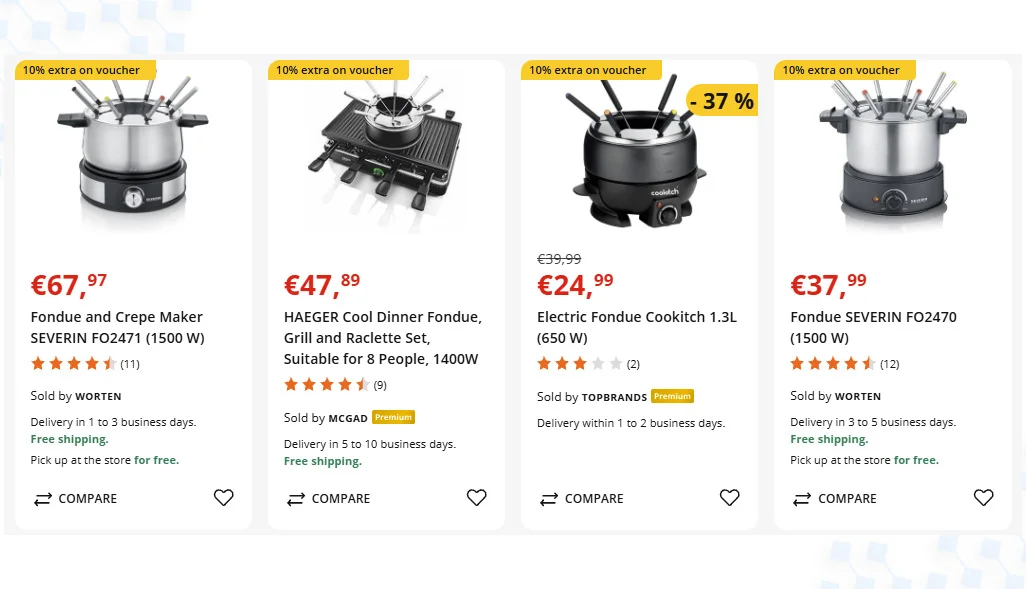
Out-of-stock events on competing platforms create immediate revenue opportunities for well-stocked retailers, yet stockouts often go unnoticed without automated catalog tracking. Retail supply chain research shows that stockouts cost European online retailers nearly 4% in lost annual revenue, while competitors with ready inventory capture up to 65% of displaced shopper demand.
Connecting an enterprise Web Scraping API directly to internal inventory management systems turns competitor stock depletion into an immediate commercial and marketing trigger. Rather than waiting for weekly supplier reports, merchandising teams gain live visibility into regional warehouse availability and storefront stock status tags across thousands of overlapping SKUs.
When retail analysts Extract Worten Product Information continuously, they monitor stock status indicators, regional store pickup availability, and historical restock intervals across competing product lines. Tracking these availability signals enables digital marketing teams to dynamically increase paid search bids on items where rival storefronts have completely depleted their inventory.
- Monitors live in-stock, low-stock, and out-of-stock status flags across regional storefronts.
- Tracks local store pickup availability to uncover regional fulfillment bottlenecks.
- Measures average competitor restock durations to improve upstream demand forecasting.
| Stock Tracking Indicator | Operational Trigger | Expected Revenue Impact |
|---|---|---|
| Competitor Out-of-Stock Alert | Increase paid search bids on matching SKUs | +18% to +25% traffic capture |
| Low-Stock Threshold Warning | Hold current price instead of discounting | +3.5% gross margin preservation |
| Regional Store Pickup Status | Adjust localized fulfillment allocation | -12% last-mile shipping cost |
| Restock Cycle Duration | Forecast supplier lead times across brands | 92% demand planning accuracy |
Cross-referencing stock availability across stores also reveals broader upstream supply chain bottlenecks before they impact quarterly revenue targets. If an entire product series goes out of stock across Worten and neighboring retailers simultaneously, procurement teams recognize a wider manufacturing delay rather than an isolated merchandising error, allowing proactive inventory allocation.
How Web Data Crawler Can Help You?
Scaling cross-store retail intelligence requires clean engineering pipelines that adapt to frequent storefront layout changes without breaking data delivery. Our managed extraction infrastructure demonstrates How Worten Data Scraping Supports Cross-Store Product matching by delivering deduplicated, schema-validated feeds straight into your analytics warehouse.
- Delivers automated EAN and MPN matching to align identical products across multiple retail storefronts effortlessly.
- Handles dynamic JavaScript rendering, geo-localized pricing, and anti-bot defenses with zero maintenance burden for your internal engineers.
- Schedules high-frequency extraction runs tailored to peak promotional windows, flash sales, and seasonal retail campaigns.
- Normalizes currencies, tax inclusions, shipping fees, and technical attributes into ready-to-query JSON or CSV formats.
- Monitors marketplace seller rotations and stock status shifts in real time to trigger instant pricing or ad-spend adjustments.
- Scales seamlessly from thousands of core SKUs to millions of cross-store records with enterprise SLA guarantees.
By pairing automated catalog matching with a Real-Time Worten Product Scraping API, we ensure your merchandising and pricing teams always operate on fresh, reliable marketplace intelligence.
Conclusion
Maintaining competitive pricing, clean seller governance, and uninterrupted stock visibility across Iberian e-commerce channels is impossible with manual spreadsheets alone. Understanding How Worten Data Scraping Supports Cross-Store Product alignment gives retail brands the structural clarity needed to protect margins, identify market gaps, and respond immediately to competitor price drops or inventory shortages.
Integrating a Real-Time Worten Product Scraping API into your commercial workflow transforms raw marketplace pages into structured, actionable retail intelligence that drives measurable revenue growth. Contact Web Data Crawler today to request a custom sample dataset and see how automated cross-store data extraction can elevate your digital shelf strategy.