
Zomato Scraper API and Data Extraction: A Complete Guide to Scraping Zomato Restaurant Data
June 29 2026
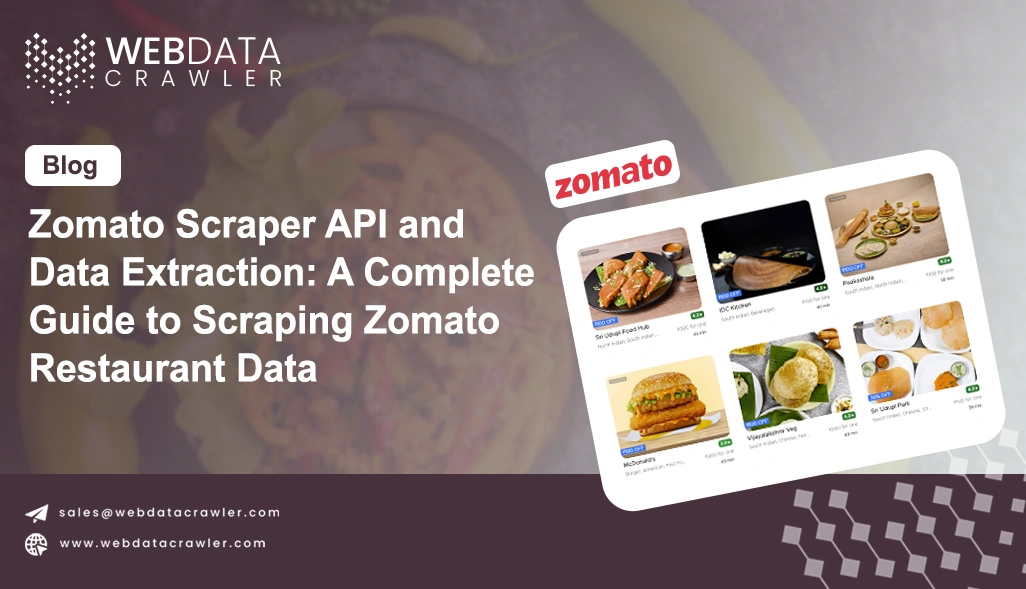
Zomato has become one of the most influential food delivery and restaurant discovery platforms, particularly across India and several international markets. With millions of restaurant listings, menus, reviews, and real-time delivery data points, Zomato represents a massive, constantly updating dataset that restaurants, food-tech companies, and market analysts increasingly want to tap into. This is where a reliable Zomato scraper API and dedicated Zomato food scraper services come in turning scattered platform data into structured, analyzable datasets.
In this guide, we'll explore how to extract Zomato restaurant data, the technical approach behind web scraping Zomato food delivery data, and the business use cases driving demand for this kind of structured information.
For organizations seeking a more scalable and automated approach, a Zomato Food Data API enables seamless access to restaurant listings, menu details, pricing information, customer reviews, and delivery insights, making large-scale data collection and analysis significantly more efficient.
Why Zomato Data Has Become So Valuable
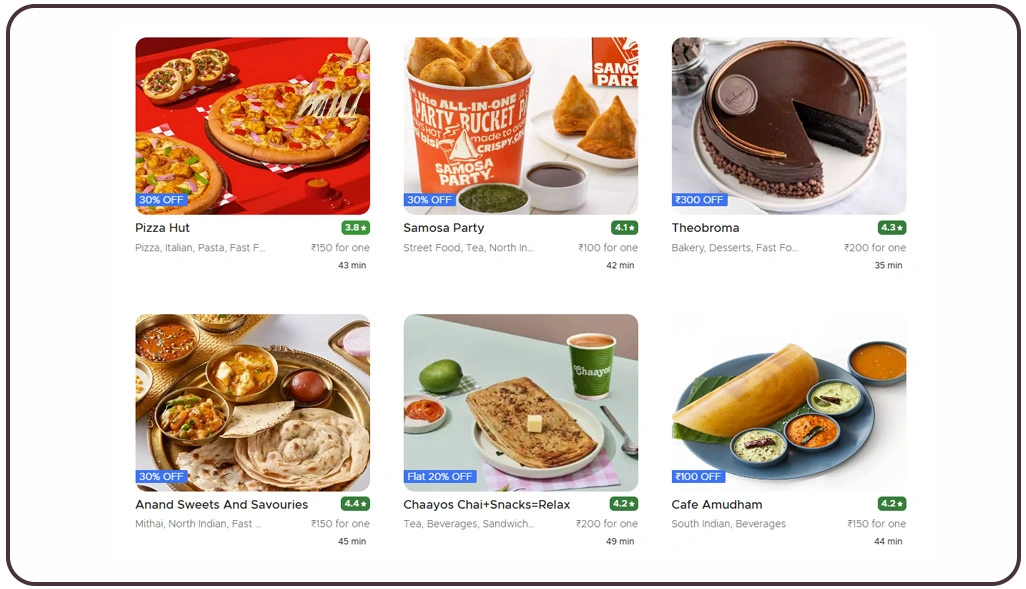
Zomato isn't just a delivery app it's a comprehensive restaurant discovery platform combining menus, pricing, reviews, ratings, photos, and delivery logistics into a single ecosystem. For any business operating in the food and restaurant space, this represents an enormously rich data source:
- Restaurant owners can benchmark their pricing and ratings against nearby competitors
- Food brands can track menu trends and ingredient popularity across cities
- Investors and analysts can use restaurant openings, closings, and pricing shifts as economic indicators
- Delivery logistics companies can study real-time delivery time data to benchmark their own performance
- Market researchers can analyze customer sentiment at scale through aggregated review data
Because Zomato's data changes constantly new restaurants join daily, menus get updated seasonally, prices fluctuate with promotions, and delivery times shift based on demand manual tracking simply isn't sustainable. This is exactly why web scraping Zomato data has become a standard practice for businesses that need to monitor this ecosystem at scale.
What Does It Mean to Extract Zomato Restaurant Data?
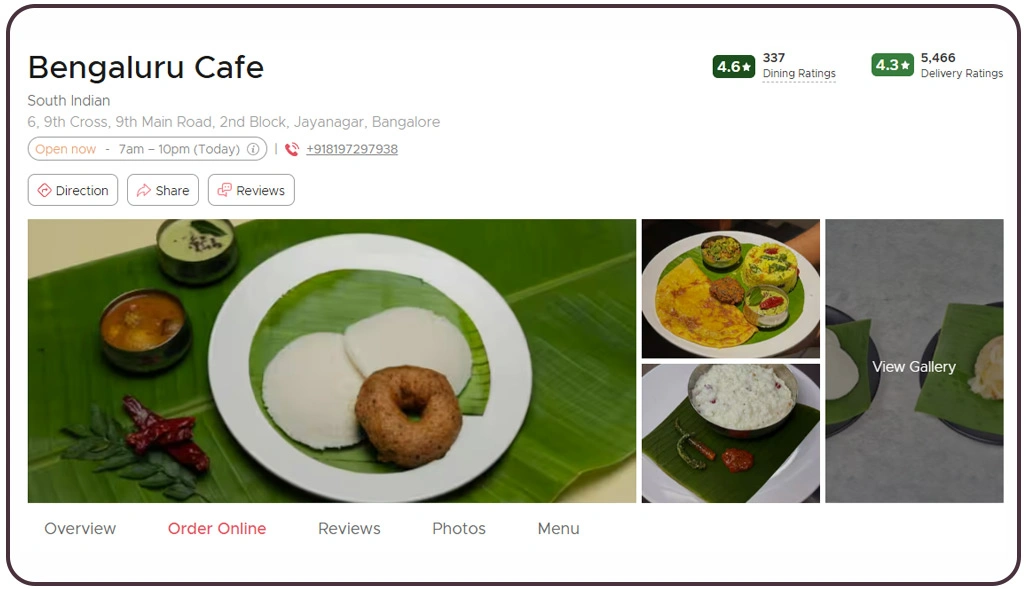
Extract Zomato restaurant data refers to the automated process of pulling structured information from Zomato's restaurant listings, menu pages, and review sections. Rather than manually browsing the platform, a scraper systematically visits relevant pages and organizes the extracted information into clean, structured formats such as JSON or CSV.
Common data points captured during a Zomato extraction project include:
- Restaurant names, addresses, and cuisine types
- Average cost for two and pricing tiers
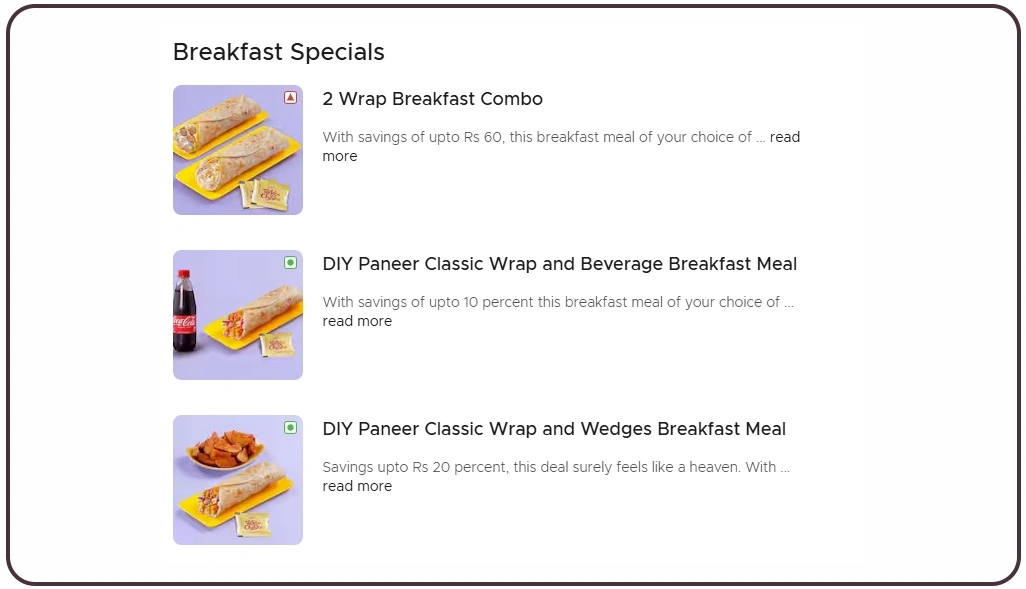
- Full menu listings with item names, descriptions, and prices
- Customer ratings (both delivery and dining ratings, where available)
- Review text, review counts, and review timestamps
- Operating hours and delivery time estimates
- Photos and restaurant ambiance tags
- Promotional offers, discounts, and partner deals
Given how frequently this information updates, most serious data extraction efforts are built as recurring jobs running daily or weekly rather than one-time data pulls, ensuring the resulting dataset remains accurate and useful over time.
Web Scraping Zomato Food Delivery Data: What Makes It Different
While extracting restaurant listing and menu data shares similarities with general restaurant data scraping, web scraping Zomato food delivery data specifically focuses on the operational, delivery-side data layer. This includes:
- Real-time delivery time estimates for specific locations
- Restaurant availability status (open for delivery vs. temporarily closed)
- Delivery fee structures and minimum order values
- Surge or peak-hour pricing adjustments
- Service area boundaries that may shift based on rider availability
This delivery-focused data tends to be far more time-sensitive than menu or review data. Delivery time estimates can change within minutes based on order volume, weather conditions, or rider availability in a given area meaning scraping pipelines built around this data layer typically require more frequent polling compared to scraping relatively stable menu listings.
To capture these rapidly changing delivery metrics effectively, many businesses deploy a Zomato Food Data Crawler that continuously monitors availability, delivery estimates, fee structures, and service coverage, ensuring access to accurate and up-to-date operational insights for analysis and decision-making.
Zomato Food Scraping API and Zomato Scraper API: On-Demand Structured Data
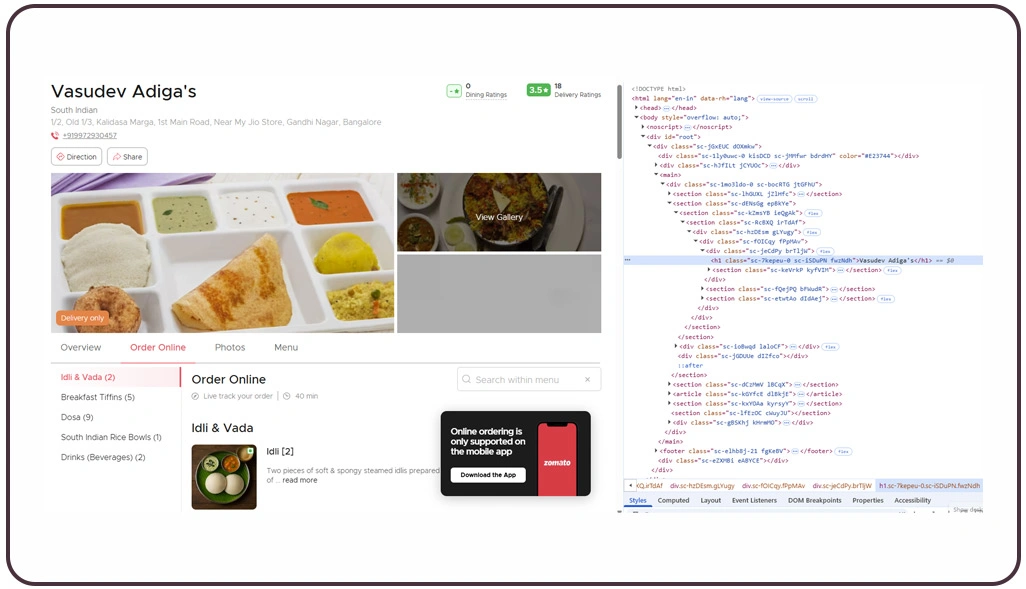
For businesses that want programmatic, on-demand access to Zomato data without managing scraping infrastructure themselves, a Zomato food scraping API or Zomato scraper API offers a streamlined solution. Rather than building and maintaining custom scrapers, developers can send requests to an API endpoint and receive clean, structured restaurant and menu data in return.
A well-designed Zomato scraper API typically supports:
- Restaurant search queries retrieve listings based on city, cuisine, or specific keywords
- Detailed restaurant profiles pull full menu, pricing, and rating data for specific restaurant IDs
- Bulk extraction capabilities process large batches of restaurant data in a single request cycle
- Geo-targeted queries retrieve location-specific delivery time and availability data
- Scheduled data refresh automate recurring pulls to keep datasets current without manual triggering
- Built-in handling for anti-bot protections including proxy rotation and request throttling to maintain consistent access
This API-driven approach is particularly valuable for engineering teams who want to integrate Zomato data directly into internal dashboards, pricing tools, or recommendation engines without having to build and maintain custom scraping logic from scratch.
What Is a Zomato Scraper, and How Does It Work?
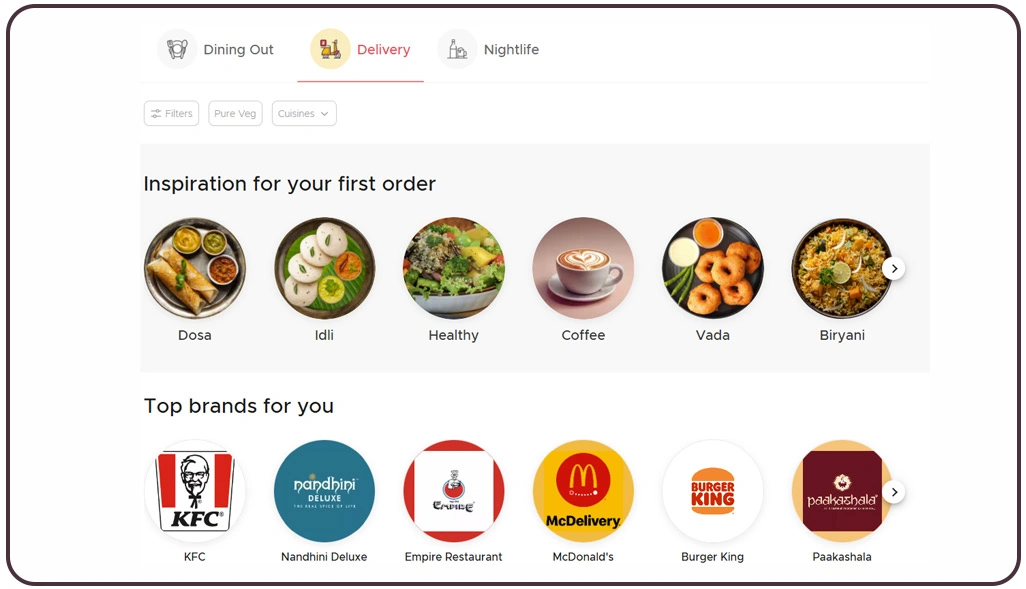
At its core, a Zomato scraper is simply a piece of automated software designed to navigate Zomato's website or app interface and extract specific data fields. Depending on the scale and sophistication of the project, a Zomato scraper might be built using:
- Headless browser automation simulating real user browsing behavior to render JavaScript-heavy pages and extract visible content
- Direct API interaction where feasible, interacting with the underlying data endpoints that power Zomato's search and listing pages, which often return cleaner, more structured JSON responses
- Hybrid approaches combining both methods depending on which pages or data types are being targeted
Regardless of the underlying method, a well-built Zomato scraper needs to account for:
- Pagination handling to retrieve complete result sets across search queries or category listings
- Location-based request simulation since search results and delivery data vary significantly by city or neighborhood
- Rate limiting and proxy management to avoid triggering anti-bot defenses during large-scale crawls
- Data validation ensuring extracted fields are complete, correctly formatted, and free of duplicates before being stored
- In practice, Zomato Food Delivery Data Scraping combines these techniques to systematically extract real-time restaurant availability, menu updates, pricing details, and location-based delivery insights, enabling businesses to build reliable datasets for analytics and competitive intelligence.
Zomato Food Scraper Services: What Businesses Typically Need
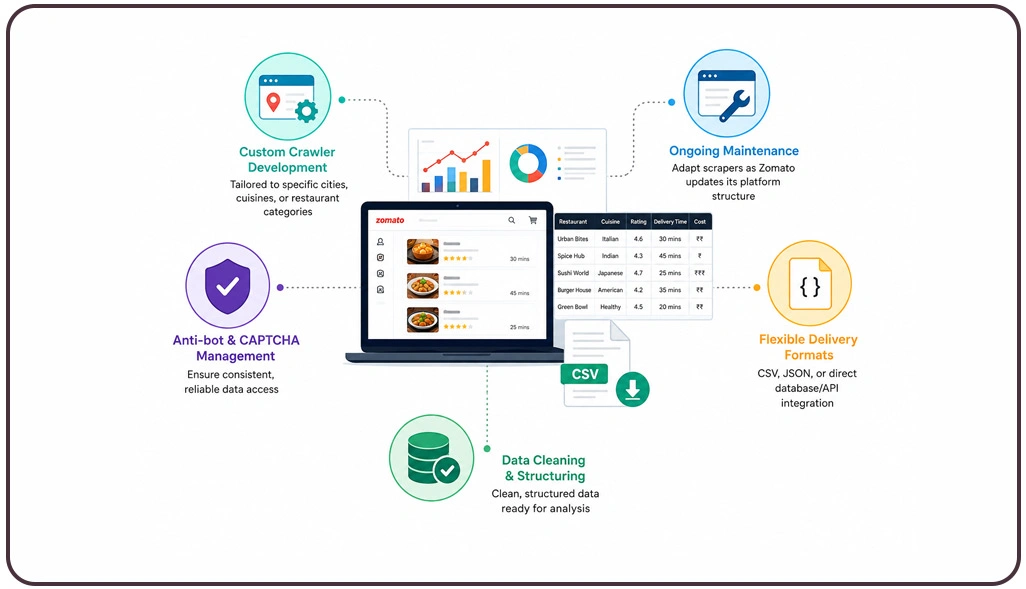
Rather than building scraping capabilities in-house, many businesses turn to dedicated Zomato food scraper services that handle the entire data extraction lifecycle. These services typically offer:
- Custom crawler development tailored to specific cities, cuisines, or restaurant categories
- Ongoing maintenance to adapt scrapers as Zomato updates its platform structure
- Anti-bot and CAPTCHA management to ensure consistent, reliable data access
- Flexible delivery formats including CSV, JSON, or direct database/API integration
- Data cleaning and structuring so extracted data arrives ready for analysis rather than requiring additional processing
This managed approach is particularly appealing for businesses that need reliable, ongoing data access without dedicating internal engineering resources to building and maintaining scraping infrastructure.
Key Use Cases for Zomato Data Extraction
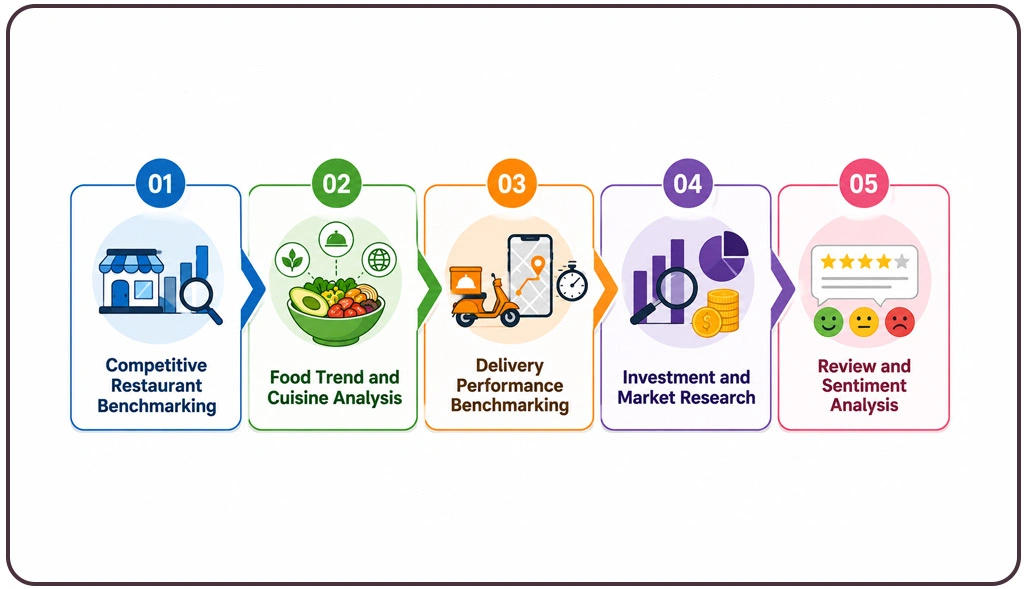
1. Competitive Restaurant Benchmarking
Restaurant owners use extracted Zomato data to compare their pricing, ratings, and menu offerings against nearby competitors, identifying opportunities to adjust pricing or differentiate their menu.
2. Food Trend and Cuisine Analysis
By aggregating menu and review data across thousands of restaurants, food brands and culinary analysts can identify emerging cuisine trends, popular ingredients, or shifting consumer preferences across different cities.
3. Delivery Performance Benchmarking
Logistics and delivery companies compare their own delivery speed and reliability against Zomato's published estimates, identifying areas where their service can improve or where they already outperform.
4. Investment and Market Research
Analysts track new restaurant openings, closures, and pricing trends on Zomato as alternative data signals for assessing local economic activity and consumer spending patterns in the food service sector.
5. Review and Sentiment Analysis
Aggregating customer reviews at scale allows businesses to identify common complaints, popular dishes, or service quality trends across competing restaurants valuable input for both restaurant operators and food delivery platforms looking to improve their offerings.
Challenges in Scraping Zomato Data
Extracting data from a large, high-traffic platform like Zomato comes with several technical challenges:
- Dynamic, JavaScript-rendered content that requires headless browser automation or direct API interaction rather than basic HTML parsing
- Location-dependent results that require simulating requests from many different cities or neighborhoods to capture complete data
- Anti-bot protections, including CAPTCHAs, rate limiting, and behavioral detection systems designed to block automated traffic
- Frequent platform updates that can break existing scraping logic without warning, requiring ongoing maintenance
- High data volume, given the platform's extensive restaurant and review database across multiple countries
These challenges are exactly why most businesses pursuing large-scale Zomato data extraction choose to work with specialized scraping providers rather than building this capability entirely in-house the ongoing engineering effort required to keep pace with platform changes can quickly outweigh the benefits of a purely internal solution.
Overcoming these barriers is essential for building a reliable Zomato Restaurant Dataset, which requires continuous updates, structured data validation, and scalable extraction workflows to ensure accuracy across menus, reviews, and location-specific listings.
Best Practices for Reliable Zomato Data Extraction
- Build location-aware crawling logic that can simulate requests across multiple cities or neighborhoods to ensure complete data coverage
- Use rotating proxies and request throttling to minimize the risk of triggering anti-bot defenses during large-scale crawls
- Match polling frequency to data type delivery time and availability data may need frequent updates, while menu and review data can be refreshed less often
- Validate and clean extracted data before storage to catch formatting inconsistencies or missing fields early
- Monitor for structural changes on Zomato's platform so extraction logic can be updated proactively rather than reactively after a scraper breaks
Conclusion
From Zomato scraper API integrations built for real-time restaurant search to comprehensive efforts to extract Zomato restaurant data at scale for market research, structured Zomato data has become a valuable asset for restaurants, food-tech companies, and analysts alike. The technical complexity of dynamic content rendering, location-based results, and anti-bot protections, however, means most organizations benefit from partnering with an experienced provider rather than building this infrastructure from scratch.
At Web Data Crawler, we build custom, scalable scraping solutions for food delivery and restaurant discovery platforms like Zomato covering everything from menu and pricing extraction to real-time delivery data and review analysis. If you're looking to turn Zomato's restaurant data into a reliable, structured asset for your business, our team can design an extraction pipeline tailored to your exact requirements.