
How Can Web Scraping Liquor Product Catalog Data From Retail Websites Transform Retail Intelligence?
July 2 2026
Introduction
The liquor retail market changes rapidly as brands, distributors, online stores, and supermarkets continuously adjust product assortments, promotional offers, inventory levels, and regional pricing. Retail businesses need reliable visibility into these changes to make informed decisions around assortment planning, pricing strategy, category management, and customer engagement.
Manual tracking of hundreds of liquor websites is slow, inconsistent, and difficult to scale across different cities, states, and online platforms. Liquor Price Scraping enables retailers, beverage brands, and market research teams to collect current product prices, discount details, bottle sizes, pack formats, and promotional campaigns from multiple online sources.
Industry reports indicate that pricing and availability are among the leading factors influencing online alcohol purchase decisions, making updated product intelligence essential for retail growth. With Web Scraping Liquor Product Catalog Data From Retail Websites, companies can capture structured details such as product names, brands, categories, alcohol type, volume, ratings, images, descriptions, stock status, and seller information.
Analyze Competitive Pricing Patterns Across Retail Channels
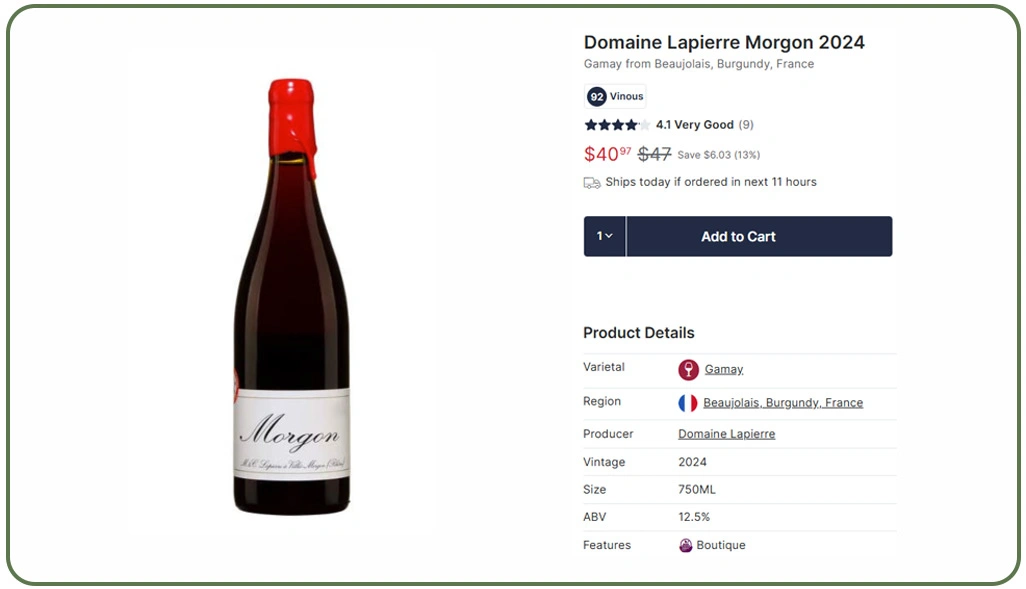
Liquor retailers often face difficulty maintaining competitive prices because product costs differ by store location, product size, supplier agreements, taxes, promotional timing, and delivery charges. A whiskey bottle, wine pack, or premium tequila product may appear at different prices across several online retailers, making manual price comparisons unreliable and time-consuming.
Web Scraping Liquor Data supports retail teams by collecting regular prices, discounted prices, promotional values, bundle offers, delivery fees, and loyalty discounts from relevant online stores. Retail studies show that approximately 70% of online shoppers compare prices before completing purchases, making price visibility important for conversion performance and customer retention.
| Pricing Intelligence Area | Captured Information | Retail Value |
|---|---|---|
| Standard pricing | Regular listed product prices | Supports price benchmarking |
| Discount activity | Sale prices and percentage reductions | Identifies promotion patterns |
| Product formats | Bottle sizes and multipack details | Enables fair comparisons |
| Bundle offers | Combo packs and seasonal deals | Improves campaign planning |
| Regional variation | Location-based price differences | Supports localized strategy |
Using Liquor Price Data Scraping for Market Analysis, businesses can monitor category-level pricing changes across premium, mid-range, and value segments. This helps teams determine whether competitor changes are temporary promotions, regional adjustments, or broader market movements.
Regular pricing data collection also helps retailers build reporting dashboards that highlight daily or weekly changes. These insights improve promotional timing, margin protection, competitor evaluation, and pricing decisions across evolving liquor retail markets.
Strengthen Assortment Planning Through Product-Level Insights
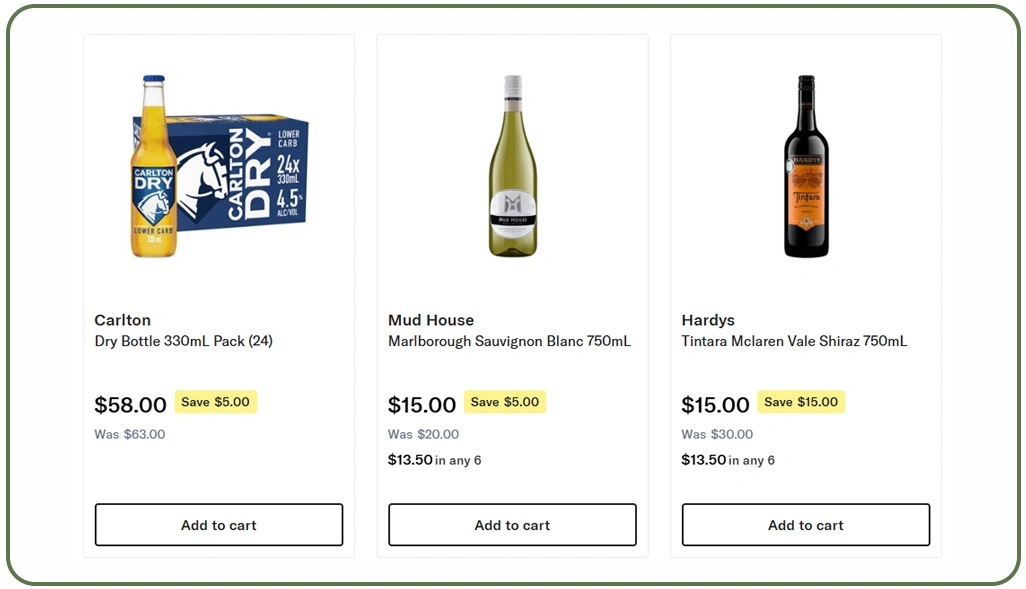
Retailers need accurate product intelligence to maintain relevant liquor assortments across changing consumer preferences. Category managers must understand which brands, formats, flavors, and product types competitors prioritize online. However, manually reviewing hundreds of retail listings makes it difficult to identify assortment gaps, new launches, high-visibility products, and changing category demand.
Retail data extraction collects product titles, brands, categories, bottle volumes, alcohol percentages, flavor details, product descriptions, ratings, images, and review counts from online stores. These details can be organized into structured Liquor Datasets that support more informed category planning.
| Assortment Metric | Example Information | Planning Benefit |
|---|---|---|
| Category depth | Products listed within each category | Reveals assortment gaps |
| Brand coverage | Available brands by retailer | Supports supplier analysis |
| Product formats | Bottles, cans, packs, and gift boxes | Improves merchandising plans |
| Customer response | Ratings and review volumes | Highlights popular products |
| New listings | Recently added catalog items | Tracks market activity |
Through Scrape Online Liquor Store Product Data, businesses can compare product variety across specialty stores, supermarkets, marketplaces, and regional retailers. This creates a clearer view of competitor catalog depth and helps teams identify opportunities to improve their own assortment.
Structured catalog intelligence also supports better inventory allocation, product onboarding, and merchandising decisions. Retailers can identify underrepresented categories, monitor competitor launches, and prioritize products that align with consumer demand. Consistent product-level monitoring helps businesses reduce catalog blind spots while creating a stronger, more relevant online liquor selection.
Track Stock Changes for Smarter Inventory Decisions
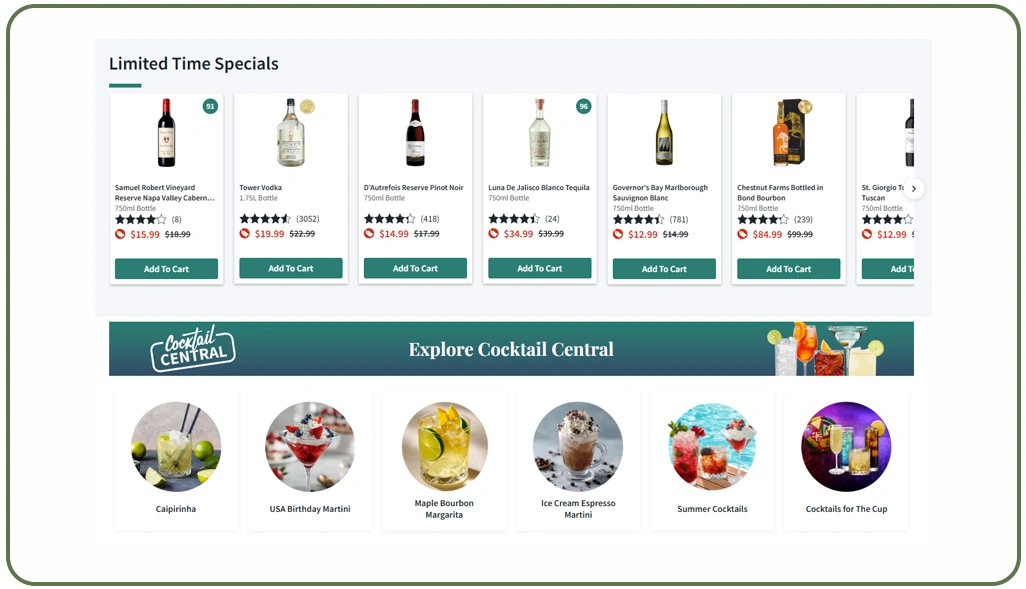
Product availability plays a major role in online liquor retail performance because customers expect preferred brands, bottle sizes, and pack formats to be available when they shop. Retailers need continuous visibility into stock conditions to understand demand patterns, prevent missed sales, and improve replenishment decisions.
Automated data collection captures stock labels such as available, low stock, out of stock, temporarily unavailable, discontinued, and back in stock. Retail research suggests that stockouts can cause retailers to lose up to 10% of potential sales in high-demand product categories, making availability monitoring essential for digital commerce operations.
| Availability Area | Captured Data | Operational Value |
|---|---|---|
| Stock status | In-stock and out-of-stock labels | Supports demand planning |
| Product removals | Delisted product pages | Detects catalog changes |
| Replenishment activity | Back-in-stock updates | Improves ordering timing |
| Regional availability | Location-specific stock information | Supports local planning |
| Fast-moving products | Frequent availability changes | Identifies demand signals |
Businesses can Scrape Online Liquor Store Data to evaluate stock conditions across multiple online retailers and identify whether shortages are retailer-specific or market-wide. This supports faster procurement responses and helps teams prioritize high-demand products.
With Scrape Liquor Availability Across Multiple Retailers, retailers can compare availability patterns across locations and channels. Liquor Inventory Monitoring Using Web Scraping further supports continuous catalog tracking, helping businesses detect stock changes, product removals, and replenishment activity for stronger inventory control.
How Web Data Crawler Can Help You?
Retail intelligence becomes more effective when product, price, and availability information is collected continuously from relevant online sources. By using Web Scraping Liquor Product Catalog Data From Retail Websites in the middle of your data strategy, your team can convert fragmented product listings into meaningful retail intelligence.
Our solutions can help you:
- Collect product details from multiple liquor retail websites
- Track daily changes in listed product prices
- Monitor discounts, bundles, and promotional campaigns
- Capture stock availability and catalog updates
- Standardize product information into structured formats
- Deliver data through files, dashboards, or APIs
These capabilities help retailers reduce manual research efforts while improving the accuracy of market comparisons. With Liquor Data API for Pricing Intelligence, businesses can integrate updated retail information directly into internal analytics platforms, pricing tools, inventory systems, and reporting dashboards.
Conclusion
Retailers can improve pricing visibility, product assortment planning, and stock monitoring by turning online catalog information into structured intelligence. When used strategically, Web Scraping Liquor Product Catalog Data From Retail Websites helps businesses identify competitor changes, monitor category trends, and make more informed retail decisions.
Better market visibility also supports stronger promotional planning and inventory coordination through Liquor Competitor Pricing Data Scraping for Market Research. Contact Web Data Crawler today to build a customized liquor retail data solution that supports your pricing, catalog, and competitive intelligence goals.