
Web Scraping Grocery Data Services: The Complete Guide to Grocery & Supermarket Data Extraction in 2026
June 26 2026
Introduction
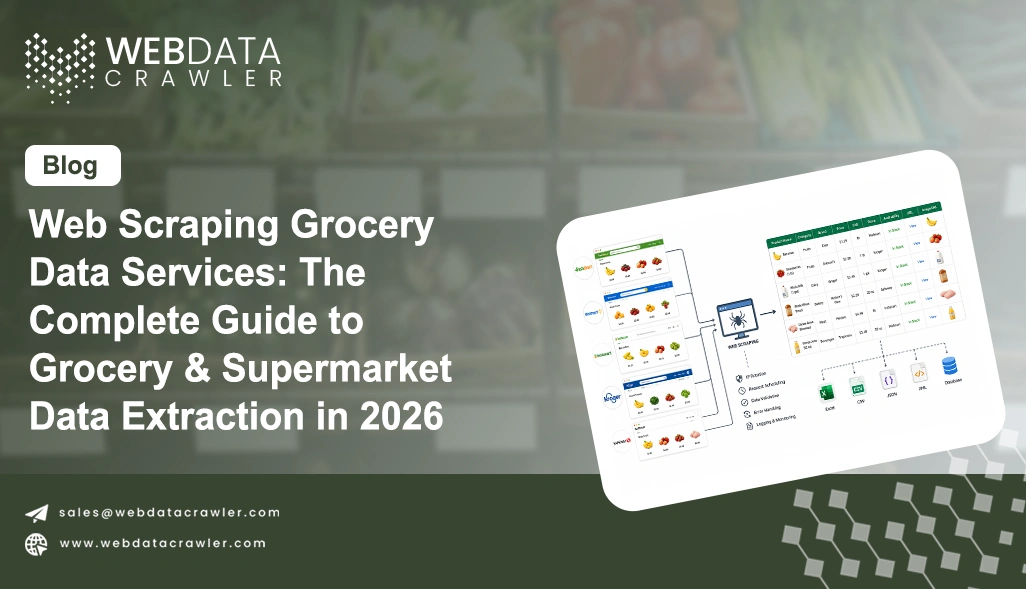
The grocery and FMCG industry is one of the most data-intensive sectors in the world. Prices change daily, promotions rotate weekly, delivery slots fluctuate by the hour, and shelf assortments shift based on regional demand. For retailers, brands, delivery platforms, and market researchers, staying on top of this constant churn manually is impossible. This is where web scraping grocery data services step in turning chaotic, scattered online information into structured, actionable datasets that power smarter business decisions.
In this guide, we'll explore how grocery data extraction works, why it matters across the supply chain, and how businesses are using grocery delivery data scraping APIs, price monitoring tools, and FMCG scraping solutions to stay ahead of competitors.
As competition intensifies across online retail channels, Web Scraping Grocery Data enables businesses to track product availability, pricing fluctuations, promotional campaigns, and consumer trends in real time, helping them make faster and more informed decisions.
Why Grocery Data Has Become a Business-Critical Asset
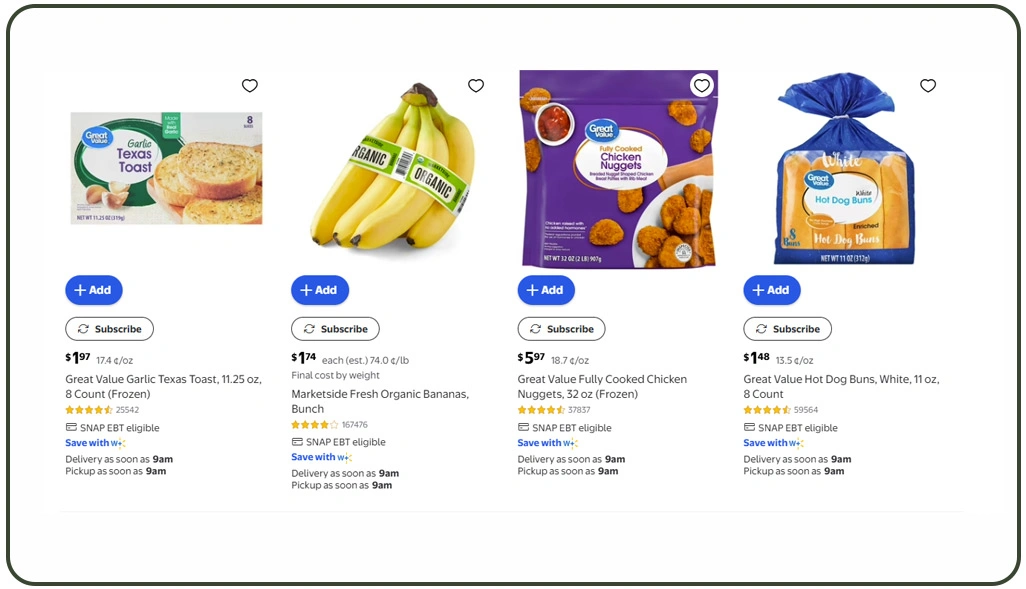
A decade ago, grocery shopping was a purely offline experience. Today, with the explosive growth of platforms like Instacart, DoorDash, Walmart Grocery, Amazon Fresh, and countless regional delivery apps, an enormous volume of pricing, inventory, and consumer behavior data now lives online. Every SKU listed, every price change, every "out of stock" badge, and every delivery fee represents a data point that can be captured and analyzed.
Businesses that can systematically collect and interpret this data gain a measurable edge they can react to competitor pricing within hours instead of weeks, identify regional demand patterns, and forecast inventory needs more accurately. This growing need has fueled demand for web scraping grocery delivery data solutions tailored specifically to the nuances of grocery and supermarket websites, which are often more complex than typical e-commerce platforms due to location-based pricing, dynamic loading, and frequent promotional layovers.
What Is Grocery Web Scraping?
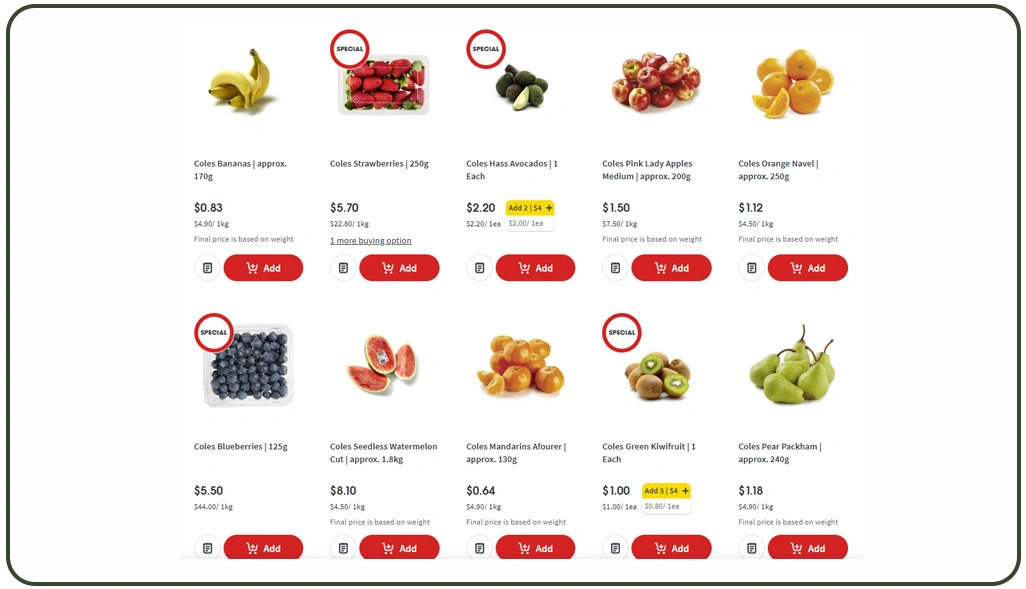
Grocery web scraping is the automated process of extracting structured information from grocery store websites, supermarket chains, and online delivery platforms. This typically includes:
- Product names, brands, and categories
- Current and historical pricing
- Discounts, coupons, and promotional bundles
- Stock availability and inventory status
- Delivery time slots, fees, and zip-code-based service areas
- Store locations and regional assortment differences
- Customer ratings and reviews
Unlike scraping a static blog or news site, scraping grocery delivery data involves navigating geolocation-based content, JavaScript-rendered pages, infinite scroll product listings, and anti-bot protections all of which require purpose-built crawling infrastructure rather than basic scripts.
Grocery Delivery Data Scraping API: On-Demand Access to Structured Data
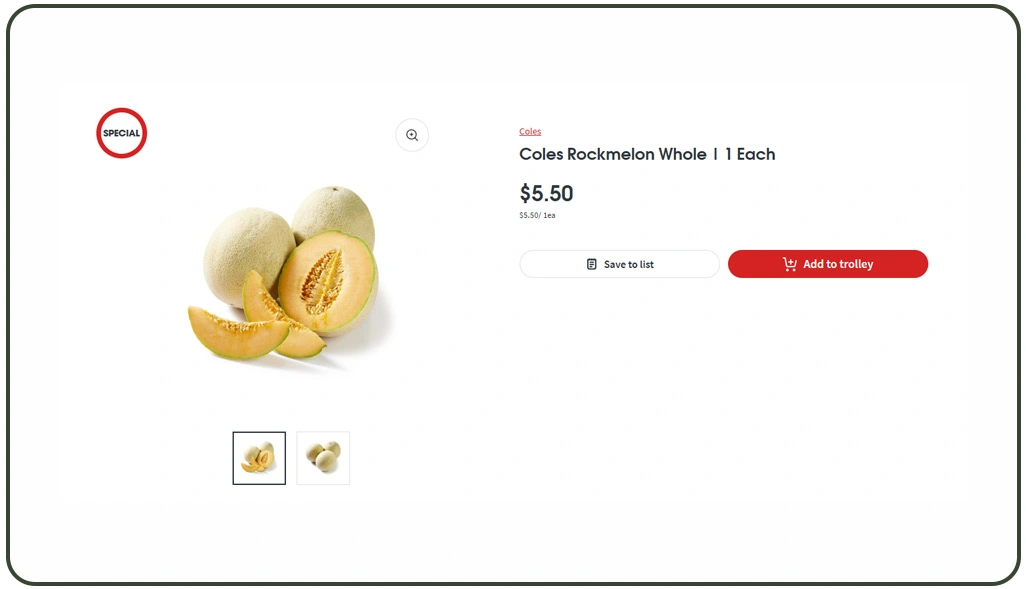
For companies that need a scalable, developer-friendly way to pull grocery information without managing scraping infrastructure themselves, a grocery delivery data scraping API is the go-to solution. Instead of building and maintaining custom crawlers, businesses can send a request to an API endpoint and receive clean, structured data in JSON or CSV format almost instantly.
A well-built grocery delivery data API typically supports:
- Real-time queries fetch current prices, stock status, and delivery availability on demand
- Bulk extraction pull thousands of SKUs across multiple retailers in a single batch job
- Geo-targeted requests retrieve location-specific pricing and delivery windows by zip code or region
- Scheduled crawls automate recurring data pulls (hourly, daily, weekly) without manual intervention
- IP rotation and CAPTCHA handling ensure consistent uptime even against sites with strong anti-scraping measures
This API-first approach is especially valuable for product teams, data scientists, and engineering teams who want to integrate grocery data directly into internal dashboards, pricing engines, or demand-forecasting models without reinventing the scraping wheel each time a target site changes its layout.
Access to reliable Quick Commerce Datasets further enhances the value of grocery delivery APIs by providing real-time insights into product availability, pricing changes, delivery speeds, and evolving consumer purchasing patterns across rapid-commerce platforms.
Grocery & Supermarket Data Scraping Services in the USA
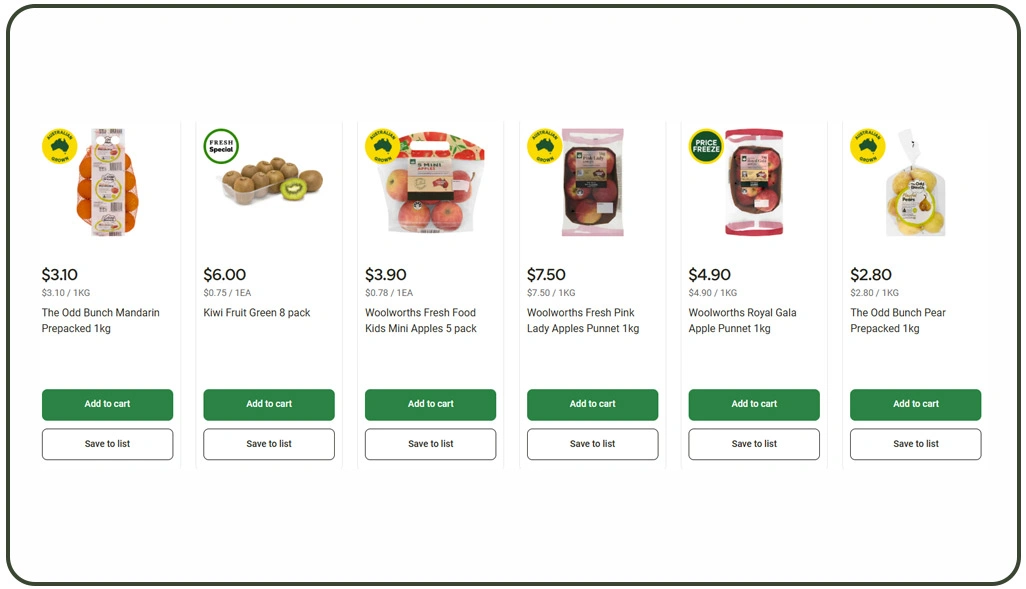
The American grocery market is famously fragmented national chains like Kroger, Walmart, Albertsons, and Publix compete alongside regional players, warehouse clubs, and a rapidly growing field of online-only delivery services. This fragmentation makes grocery & supermarket data scraping services in the USA particularly valuable, since pricing and promotions can vary dramatically not just by retailer, but by state, city, and even individual store.
Businesses commonly use US-focused grocery scraping services to:
- Benchmark prices across competing supermarket chains in specific metro areas
- Track regional promotional cycles tied to local holidays and events
- Monitor private-label product rollouts and pricing strategy
- Analyze delivery fee structures across zip codes to optimize their own logistics pricing
- Identify which products are frequently out of stock in specific regions, signaling supply chain gaps
Because US grocery e-commerce sites often render content dynamically and apply location-based paywalls or geofencing, a generic scraper rarely performs well here. Dedicated grocery & supermarket data scraping services build location-aware crawlers that simulate browsing from specific regions to retrieve accurate, store-level data something off-the-shelf tools struggle to replicate consistently.
Grocery Price Monitoring API and Real-Time Grocery Price Analysis

Pricing is the single most volatile variable in grocery retail. A grocery price monitoring API continuously tracks price changes across multiple retailers and delivers alerts or structured feeds whenever shifts occur. This is invaluable for:
- Retailers practicing dynamic or competitive pricing strategies
- CPG and FMCG brands monitoring how retailers price their products relative to MAP (Minimum Advertised Price) agreements
- Investors and analysts using pricing trends as a proxy for inflation or consumer demand signals
- Delivery platforms adjusting markup strategies based on competitor benchmarks
The real value emerges when price monitoring moves from periodic snapshots to real-time grocery price analysis. Rather than checking prices once a day, real-time systems capture price fluctuations as they happen particularly important during high-velocity events like holiday sales, flash promotions, or supply disruptions that cause rapid markups. Companies leveraging real-time analysis can adjust their own pricing within minutes rather than days, directly protecting margins and market share.
Web Scraping Grocery Prices Dataset: Turning Raw Data Into Research-Ready Assets
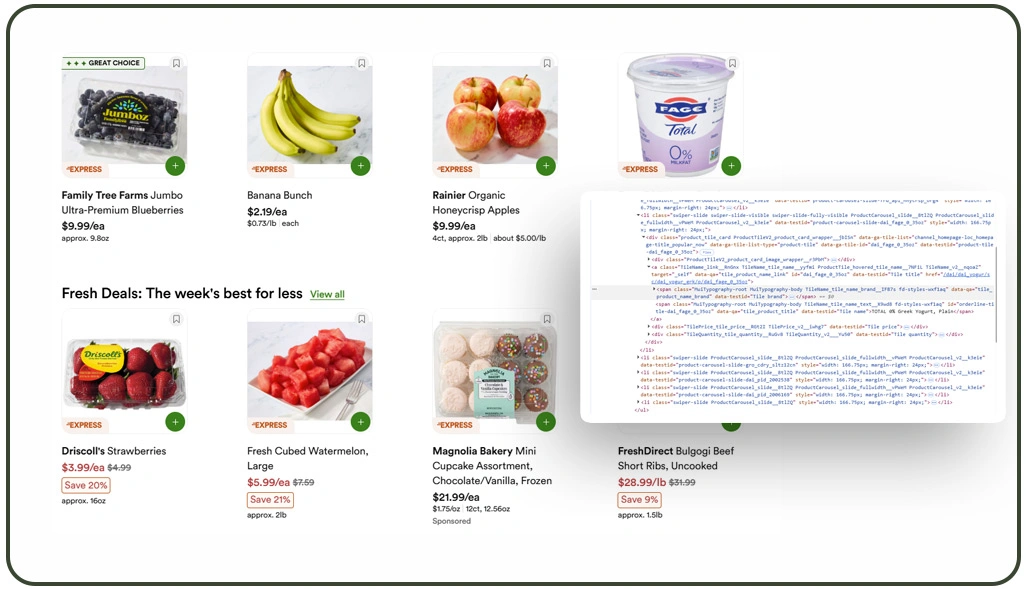
Not every business wants live API access many simply need a comprehensive, historical web scraping grocery prices dataset for research, academic study, or internal modeling. These datasets are typically delivered as structured exports (CSV, JSON, or database dumps) covering:
- Multi-month or multi-year price history across retailers
- SKU-level granularity with brand, category, and unit pricing
- Regional price comparisons across cities or states
- Promotional and non-promotional price baselines
Economists studying inflation trends, hedge funds building alternative data models, and consumer goods companies conducting market research all rely on pre-built grocery price datasets to avoid the overhead of building extraction pipelines from scratch. A clean, well-documented dataset can shortcut months of internal data engineering work.
Grocery Price Data Intelligence Services: Beyond Raw Numbers
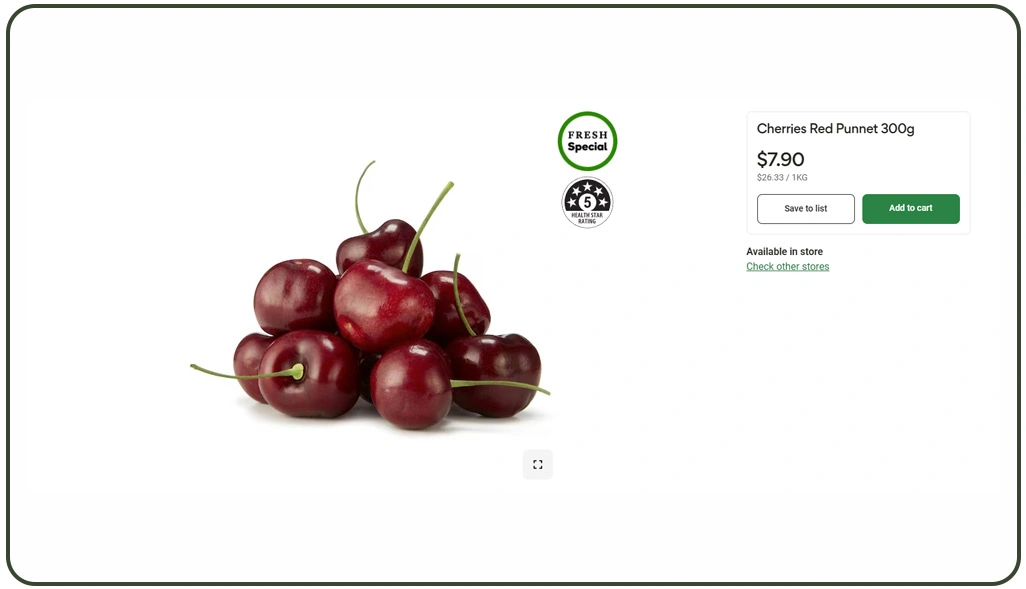
Collecting prices is only the first step the real value lies in interpretation. Grocery price data intelligence services layer analytics, visualization, and predictive modeling on top of raw scraped data to answer strategic questions such as:
- Which competitors are most aggressive with discounting in a given category?
- How do price changes correlate with regional demand or seasonality?
- What's the optimal price point to remain competitive without eroding margin?
- Are there emerging private-label threats undercutting established brands?
These intelligence services essentially convert scattered pricing data into a strategic decision-making tool, often presented through dashboards, automated reports, or direct integrations with a company's pricing and merchandising systems.
These insights also support Dynamic Pricing Optimization, enabling retailers and brands to adjust prices based on competitor activity, market demand, inventory levels, and seasonal trends while maintaining profitability and customer appeal.
Grocery FMCG Pricing and Product Data Scraping Services
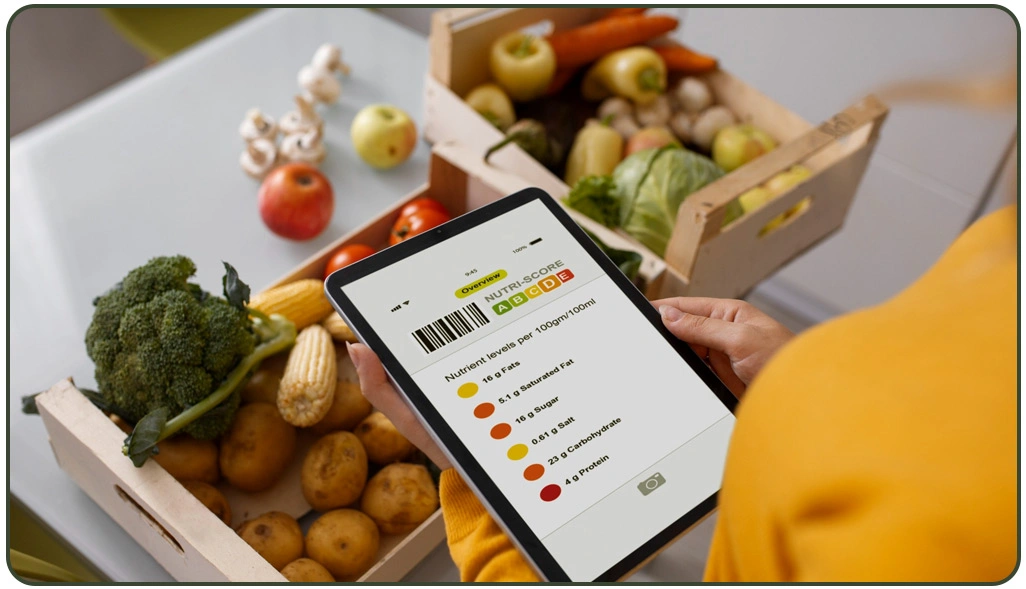
The Fast-Moving Consumer Goods (FMCG) sector covering packaged foods, beverages, household products, and personal care items depends heavily on grocery shelf data to manage distribution and pricing strategy. Grocery FMCG pricing data scraping services and grocery FMCG web scraping services focus specifically on:
- Tracking how FMCG products are priced and promoted across different retail channels
- Monitoring shelf placement and digital "shelf share" on e-commerce grocery platforms
- Comparing private-label versus branded product pricing within the same category
- Detecting unauthorized resellers or grey-market pricing violations
For brand managers, grocery FMCG product data scraping solutions also help track new product launches across competitors, monitor packaging or pricing updates, and benchmark promotional cadence all critical inputs for trade marketing and category management teams trying to defend or grow market share in a highly competitive aisle.
Scraping Grocery Store Data for Local Insights
While national trends matter, grocery shopping is fundamentally a local behavior. Scraping grocery store data for local insights allows businesses to understand hyper-local dynamics, such as:
- Which products are popular in specific neighborhoods or cities
- How delivery times and fees vary by local market density
- Local competitor entry or expansion (new store openings reflected in updated location data)
- Regional pricing anomalies that may indicate supply chain or demand issues
Local insight scraping is particularly valuable for franchise operators, regional grocery chains, and delivery startups trying to identify underserved markets or optimize last-mile logistics in specific zip codes.
Common Challenges in Grocery Web Scraping
Despite its value, grocery data extraction isn't trivial. Common obstacles include:
- Dynamic, JavaScript-heavy pages that require headless browser rendering rather than simple HTML parsing
- Geofencing and location-based content that show different prices depending on detected location
- Aggressive anti-bot systems including CAPTCHAs, rate limiting, and IP blocking
- Frequent site structure changes that break scrapers without proactive maintenance
- High data volume across thousands of SKUs and multiple retailers simultaneously
These challenges are exactly why most businesses choose to partner with specialized scraping providers rather than building and maintaining in-house crawlers the engineering overhead of keeping pace with constantly evolving grocery websites can quickly outweigh the benefit of doing it yourself.
To overcome these technical barriers, many organizations rely on a Scraping API that handles browser automation, proxy management, CAPTCHA solving, and data extraction workflows, ensuring reliable access to large-scale grocery data with minimal operational overhead.
Industries That Benefit Most From Grocery Data Scraping
- Retailers competitive price benchmarking and assortment planning
- CPG/FMCG brands MAP compliance monitoring and promotional tracking
- Delivery platforms fee and service-area optimization
- Investors and hedge funds alternative data for inflation and consumer spending models
- Market research firms large-scale consumer goods studies
- Logistics companies demand forecasting based on regional buying patterns
Conclusion
Grocery and supermarket data has evolved from a back-office reporting concern into a frontline competitive weapon. Whether you need a real-time grocery price monitoring API, a one-time web scraping grocery prices dataset, or ongoing grocery FMCG product data scraping solutions, the right extraction partner can save your team months of engineering effort while delivering cleaner, more reliable data.
At Web Data Crawler, we specialize in building custom, scalable grocery and supermarket data scraping pipelines covering everything from delivery platforms and price intelligence to local market insights across the USA and beyond. If you're ready to turn scattered grocery web data into a structured, decision-ready asset, our team can design a solution tailored to your exact data needs.