


How Does Wayfair Product Data API for Furniture Price Monitoring Improve Furniture Price Tracking?
Aug 25, 2026
Introduction
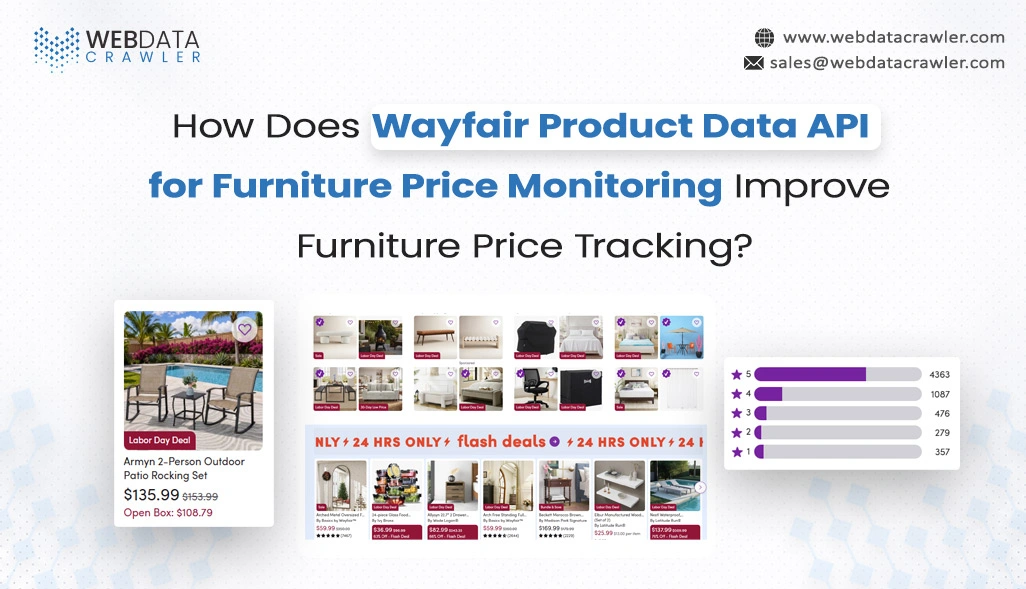
Furniture pricing changes frequently because brands adjust prices according to demand, promotions, inventory, seasonal trends, and competitor movements. Businesses need structured, timely information to understand these changes without depending on fragmented manual research. Wayfair Product Data API for Furniture Price Monitoring provides organized product and pricing information for continuous market observation.
Automated collection makes it easier to Scrape Wayfair Product Data across furniture categories, including sofas, beds, tables, chairs, storage units, and home décor. Businesses can compare current and historical prices, identify promotional changes, and evaluate product positioning across large catalogs while reducing repetitive monitoring work and improving pricing visibility.
For retailers, manufacturers, marketplaces, and analysts, consistent product intelligence supports faster commercial decisions. API-driven data can be integrated into dashboards, pricing engines, business intelligence platforms, and internal databases. This creates a repeatable process for tracking furniture prices and recognizing meaningful market movements as they occur.
Improving Furniture Price Visibility Through Automated Market Tracking
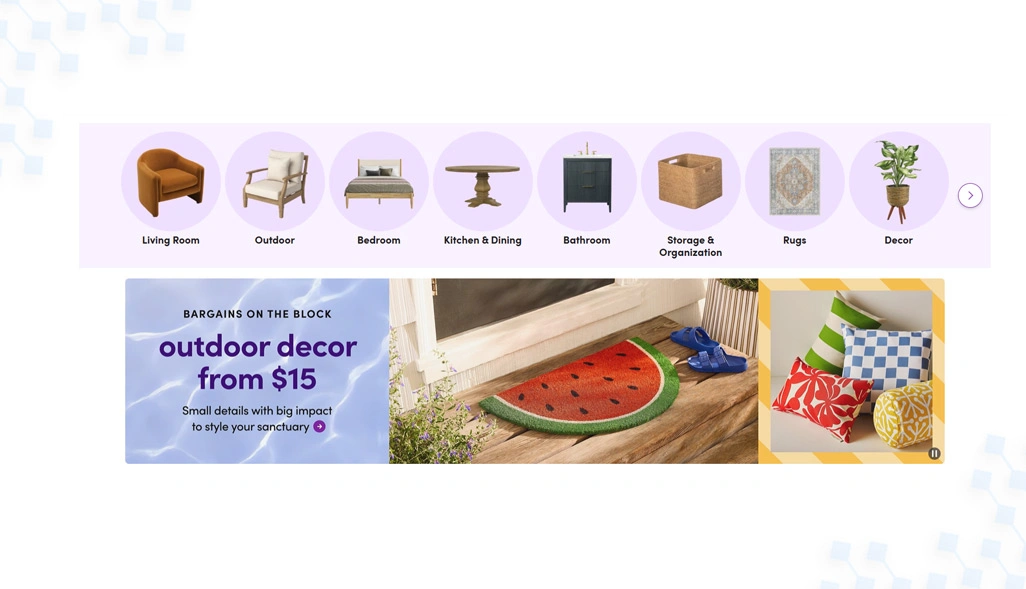
Furniture businesses often monitor thousands of products across sofas, beds, dining furniture, office furniture, storage solutions, and décor. Manual comparison can make it difficult to identify every price movement on time. Automated collection creates a structured view of changing prices, discounts, availability, ratings, and product attributes across selected categories for more consistent market analysis.
A structured Wayfair Product and Pricing Dataset can combine current observations with historical records, allowing analysts to compare pricing patterns over different periods. This makes it easier to identify frequent discounts, unusual price changes, and differences between comparable products. Historical snapshots also provide useful context when businesses evaluate seasonal pricing behavior.
Teams can use Wayfair Price Monitoring API for Insights to connect pricing information with dashboards, reporting systems, and analytical workflows. This supports recurring monitoring without requiring employees to repeatedly check individual listings. It also helps pricing managers organize large volumes of product information into measurable indicators for category-level evaluation and competitive benchmarking.
Important monitoring activities can include:
- Tracking current and previous product prices
- Measuring discount frequency across categories
- Comparing similar products and configurations
- Monitoring availability alongside pricing changes
- Identifying recurring seasonal pricing patterns
Monitoring Area and Illustrative Coverage:
| Monitoring Area | Illustrative Coverage |
|---|---|
| Product Categories | 40+ |
| Monthly Price Observations | 50,000+ |
| Discount Records | 10,000+ |
| Historical Snapshots | 12 months |
Consistent monitoring can therefore improve pricing visibility while reducing spreadsheet-based research. Businesses gain a more organized foundation for evaluating market movements, identifying pricing gaps, and deciding when further analysis or commercial action is required.
Strengthening Competitive Pricing Decisions With Continuous Product Tracking
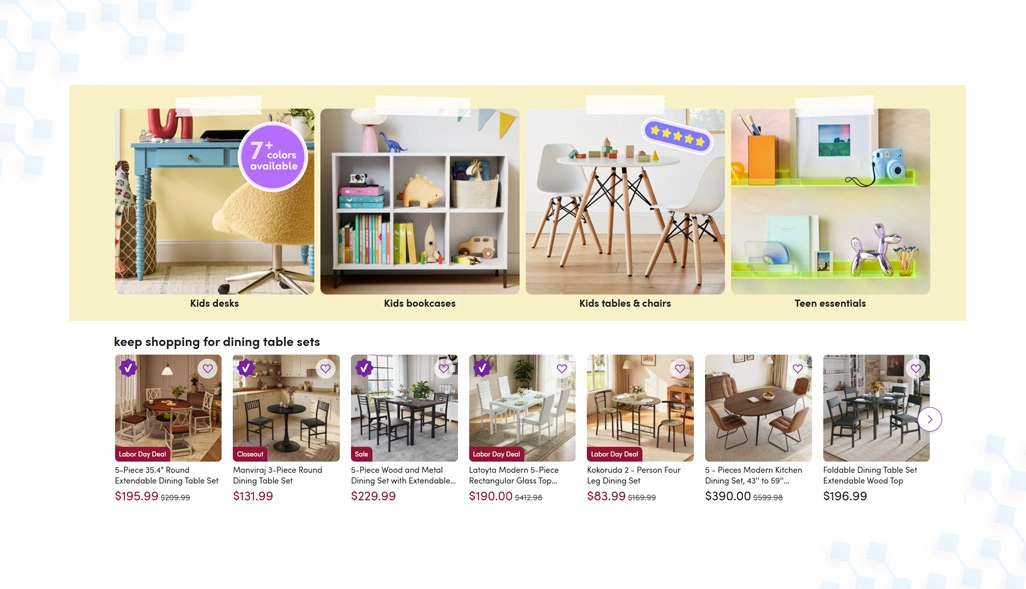
Competitive furniture pricing depends on understanding how similar products move across categories and brands. Businesses need timely information about listed prices, promotional offers, specifications, ratings, and availability to make meaningful comparisons. Automated collection can bring these attributes together, making category-level evaluation more consistent and reducing dependence on manually gathered information.
A Wayfair E-Commerce Data Crawler can organize recurring collections across relevant product listings and transform changing marketplace information into structured records. Pricing teams can then compare similar furniture items, identify notable price differences, and review promotional activity across selected categories. This approach also makes large-scale monitoring more practical when product counts continue to increase.
Businesses can Scrape Real-Time Wayfair Product Data for Analytics to evaluate current market conditions alongside historical observations. This enables analysts to identify sudden reductions, recurring promotional patterns, and products whose prices move differently from comparable listings. Combining current and historical information can provide stronger context for pricing reviews and category performance assessments.
Useful competitive tracking activities include:
- Comparing prices among similar furniture products
- Monitoring promotional frequency and discount depth
- Reviewing product specifications during comparisons
- Tracking changes in product availability
- Identifying categories with frequent price movements
Competitive Metric and Illustrative Result:
| Competitive Metric | Illustrative Result |
|---|---|
| Comparable SKUs | 7,500+ |
| Monitored Categories | 35+ |
| Weekly Price Changes | 15% |
| Promotional Observations | 9,000+ |
Continuous tracking gives pricing teams a clearer picture of marketplace movements. Instead of relying on isolated observations, businesses can build repeatable comparison processes that support pricing reviews, assortment planning, promotional evaluation, and broader competitive intelligence initiatives.
Building Scalable API Workflows for Furniture Pricing Intelligence
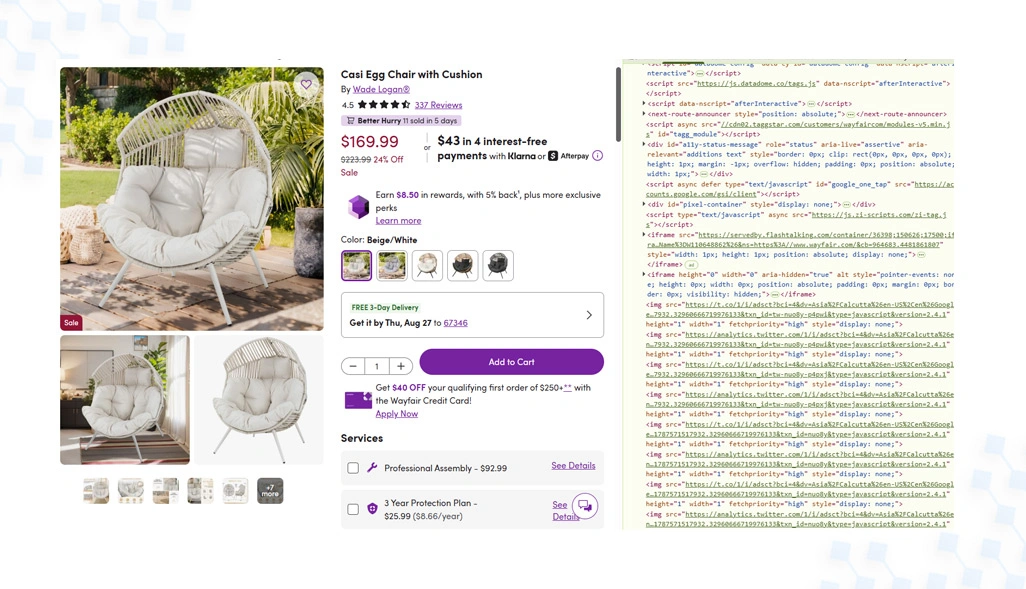
Large furniture catalogs require scalable data workflows capable of handling frequent product and price updates. Businesses may need information from thousands of listings while maintaining consistent structures for analytics and reporting. Automated systems can help organize product details, pricing changes, discounts, availability, and other attributes without creating extensive manual processing requirements.
Wayfair E-Commerce Data API workflows can connect collected information with databases, dashboards, business intelligence platforms, and pricing applications. This makes recurring information delivery more practical for organizations managing large catalogs. Structured feeds can also support automated alerts when selected prices, discounts, or availability conditions change beyond predefined business thresholds.
Through Wayfair API Integration for Pricing, companies can connect marketplace information with internal pricing systems and analytical applications. This can support automated comparisons, scheduled updates, reporting, and price-change notifications. Integration also reduces the need for separate manual workflows, allowing pricing teams to work with centralized information across multiple business functions.
Businesses can focus on several scalable activities:
- Automating recurring product data collection
- Connecting pricing information with internal systems
- Creating threshold-based price alerts
- Supporting scheduled reporting and analysis
- Maintaining structured historical pricing records
Workflow Metric and Illustrative Result:
| Workflow Metric | Illustrative Result |
|---|---|
| Daily Records Processed | 50,000+ |
| Automated Alerts | 1,200+ |
| Refresh Frequency | Hourly |
| Manual Monitoring Reduction | 60% |
A structured approach to Wayfair API for Competitive Analysis can further support comparisons between products, categories, and pricing positions. Teams can also evaluate How to Scrape Wayfair Product Data within compliant technical workflows when designing collection strategies. Together, scalable processing and organized analysis create a stronger foundation for ongoing furniture price intelligence.
How Web Data Crawler Can Help You?
Wayfair Product Data API for Furniture Price Monitoring can support businesses that require structured furniture pricing information at scale. We can organize collection workflows around product catalogs, prices, discounts, availability, ratings, specifications, and category-level information. The resulting data can be prepared for analytics, competitive benchmarking, pricing intelligence, and internal reporting.
Key capabilities include:
- Automated collection across selected furniture categories and product listings
- Structured formatting for easier database storage and analytical processing
- Scheduled monitoring to capture recurring product and pricing changes
- Data validation to reduce duplicate, incomplete, or inconsistent records
- Flexible delivery formats that support dashboards and business applications
- Scalable workflows designed for expanding catalogs and monitoring requirements
Businesses can also use Wayfair Price Monitoring API for Insights to connect collected information with pricing analysis workflows. This approach helps teams reduce repetitive research, improve data consistency, compare market movements, and build practical pricing strategies from continuously refreshed information.
Conclusion
Furniture pricing is influenced by promotions, demand, inventory, seasonality, and competitor activity, making consistent monitoring important for data-driven pricing decisions. Wayfair Product Data API for Furniture Price Monitoring helps businesses organize recurring product and pricing information into a structured workflow that can support comparisons, alerts, analytics, and reporting.
Businesses can further strengthen their pricing workflows with Scrape Real-Time Wayfair Product Data for Analytics, enabling teams to evaluate current product movements alongside historical records. Get in touch with Web Data Crawler to build a customized furniture pricing data solution tailored to your monitoring requirements.