
How USA Real Estate Data Scraping for Property Prices Trends Helps Predict 75% of Price Fluctuations?
March 30
Introduction
The real estate market in the United States is increasingly driven by data rather than assumptions. Investors, brokers, and analysts rely on structured insights to understand fluctuations in housing prices, rental yields, and buyer behavior. This is where Popular Real Estate Data Scraping plays a vital role, enabling businesses to gather vast volumes of listing, pricing, and regional demand data efficiently.
By using USA Real Estate Data Scraping for Property Prices Trends, organizations can analyze historical and current data patterns to predict future price movements with higher precision. These insights help identify high-demand areas, seasonal price shifts, and emerging investment opportunities across different states. Data-driven strategies also reduce risk by offering predictive intelligence backed by factual market trends instead of guesswork.
Moreover, automated scraping solutions allow stakeholders to monitor thousands of listings simultaneously, capturing price updates, property features, and neighborhood-level insights in real time. As competition intensifies, businesses that integrate data scraping into their strategies are better positioned to optimize pricing, enhance investment decisions, and adapt to dynamic market conditions.
Detecting Supply Demand Imbalances Across Regional Housing Markets
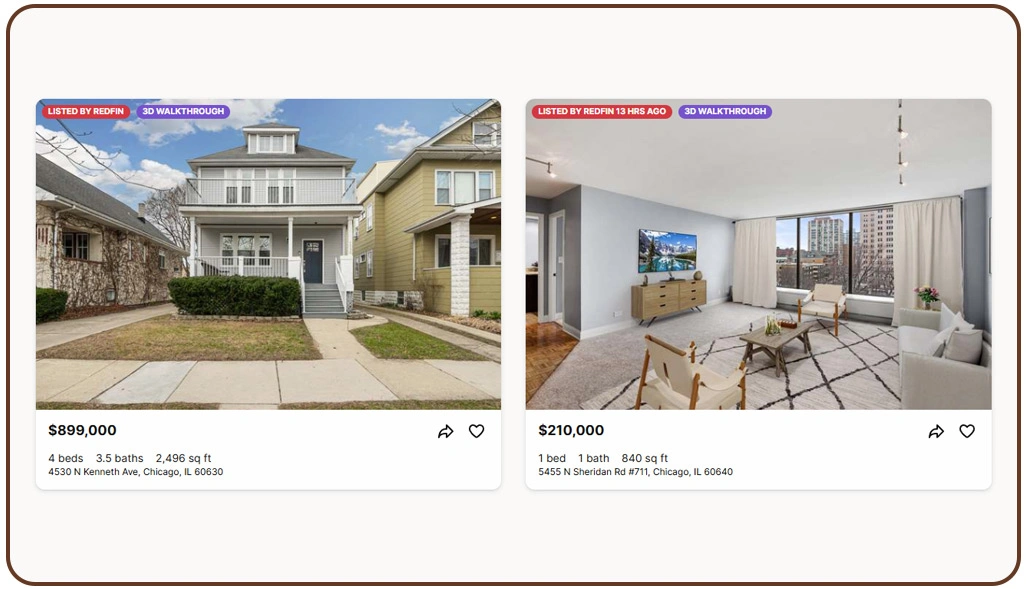
Understanding regional imbalances between supply and demand is critical for interpreting price movements in the housing market. By leveraging structured data collection methods, businesses can assess listing volumes, availability trends, and buyer activity across multiple regions.
One of the most effective approaches involves working with Real Estate Datasets, which consolidate property-related information from various listing platforms and regional sources. These datasets help identify pricing inconsistencies, demand clusters, and supply gaps across cities and neighborhoods. By analyzing such structured data, stakeholders can detect early signals of price fluctuations.
Additionally, Real Estate Listing Data Scraping Across the USA allows continuous tracking of new listings, withdrawn properties, and price adjustments. This real-time monitoring helps uncover areas where limited supply meets increasing demand, often leading to price surges.
Key Market Gap Indicators:
| Indicator | Insight | Impact on Pricing |
|---|---|---|
| Low Inventory Levels | Limited property availability | Drives higher property prices |
| Increased Buyer Activity | More searches and inquiries | Creates competitive bidding |
| Faster Sales Cycles | Reduced time on market | Indicates strong demand |
| Regional Price Gaps | Uneven pricing trends | Highlights growth areas |
Studies indicate that a 15–20% reduction in available inventory can push property prices upward by nearly 10% in competitive regions. These insights allow businesses to act proactively, identifying high-potential investment zones while minimizing exposure to volatile markets.
Understanding Buyer Behavior and Market Perception Patterns Deeply
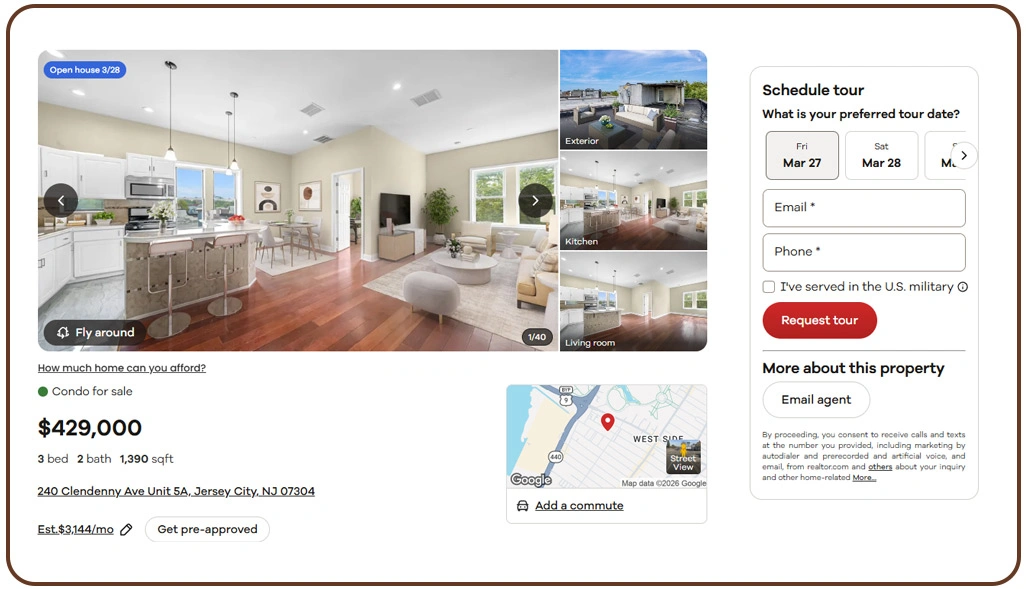
Beyond numerical indicators, buyer perception and engagement play a major role in shaping property price movements. Analyzing how potential buyers interact with listings, leave feedback, and evaluate neighborhoods provides deeper insight into market dynamics.
A critical component of this approach is Sentiment Analysis, which evaluates opinions from property reviews, neighborhood discussions, and customer feedback. Positive sentiment surrounding a location or property often leads to increased demand, while negative perception can suppress interest and affect pricing trends.
Moreover, MLS Data Scraping USA for Real Estate enables access to detailed property records, including historical pricing, listing durations, and property attributes. This data supports a more refined understanding of how buyer behavior aligns with actual market performance.
Behavioral Data Insights Table:
| Data Type | Source | Pricing Influence |
|---|---|---|
| Buyer Reviews | Property platforms | Impacts perceived value |
| Engagement Metrics | Views and clicks | Reflects buyer interest |
| Historical Records | MLS databases | Supports trend forecasting |
| Community Feedback | Forums and portals | Influences desirability |
Research suggests that properties associated with strong positive perception can command up to 12–15% higher prices compared to similar listings. By combining behavioral insights with structured datasets, businesses can refine pricing strategies and improve prediction accuracy across different housing segments.
Strengthening Pricing Decisions Through Competitive Market Comparisons
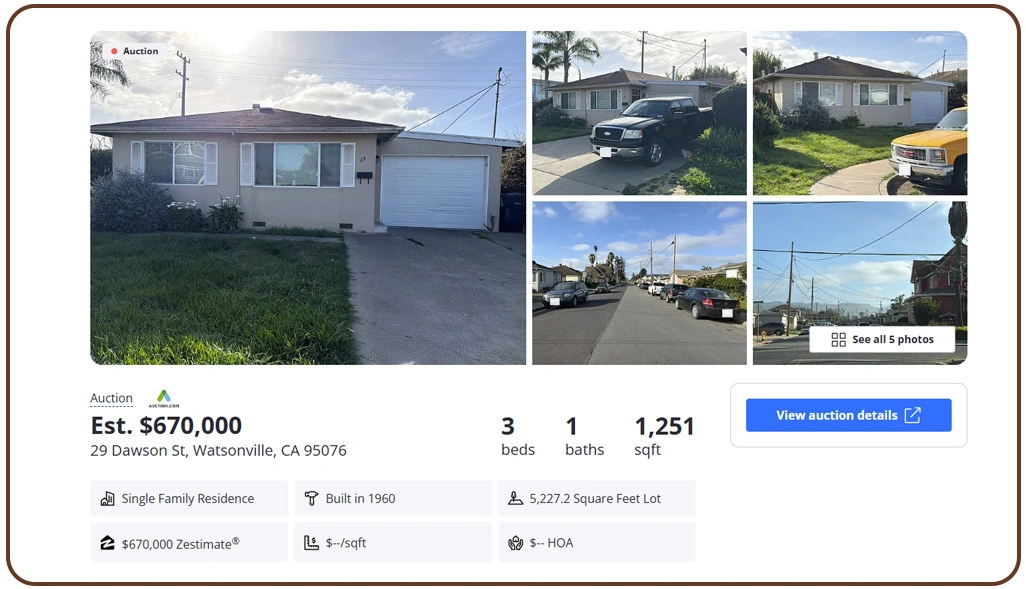
Accurate pricing decisions require a clear understanding of how similar properties are positioned within the market. By analyzing competitor listings, pricing adjustments, and promotional strategies, businesses can develop more effective and adaptive pricing models that align with current market conditions.
One essential strategy is Competitive Benchmarking, which allows businesses to compare property prices against similar listings in the same geographic area. This approach ensures that pricing remains competitive while maximizing profitability. It also highlights opportunities where properties may be underpriced or overpriced relative to market standards.
Another valuable method is to Track Property Trends in the USA Using Data Scraping Techniques, which helps identify long-term shifts in pricing patterns, seasonal variations, and competitor behavior. These insights allow businesses to anticipate changes and respond more effectively.
Competitive Pricing Insights:
| Metric | Description | Business Benefit |
|---|---|---|
| Price Comparison | Evaluate similar listings | Improves pricing accuracy |
| Market Positioning | Identify pricing gaps | Enhances competitiveness |
| Real-Time Monitoring | Continuous updates | Faster response to changes |
| Trend Evaluation | Historical analysis | Better forecasting |
In addition, USA Property API Data Scraping provides continuous access to real-time property data, enabling seamless integration into analytics systems. This ensures that pricing strategies are always based on the latest available information.
How Web Data Crawler Can Help You?
In today’s dynamic property landscape, businesses require reliable and scalable data solutions to stay competitive. By integrating USA Real Estate Data Scraping for Property Prices Trends, organizations can automate data collection, streamline analytics, and make faster, data-backed decisions that align with real-time market changes.
Our advanced solutions are designed to deliver accurate, structured, and actionable insights tailored to your business needs:
- Collect large-scale property data from multiple sources.
- Monitor pricing updates in real time.
- Analyze regional demand and supply shifts.
- Identify high-performing investment locations.
- Track historical trends for forecasting.
- Enable seamless integration with analytics tools.
Additionally, our expertise in Extract USA Housing Supply Analysis via Web Crawler ensures you gain deeper insights into inventory levels and market dynamics for smarter investment planning.
Conclusion
Real estate markets demand precision and adaptability, and data-driven strategies have become essential for achieving both. By implementing USA Real Estate Data Scraping for Property Prices Trends, businesses can interpret market signals more effectively and anticipate price fluctuations with greater confidence.
At the same time, leveraging insights from Real Estate Listing Data Scraping Across the USA enhances visibility into regional dynamics and competitive landscapes. Start transforming your real estate strategy today with Web Data Crawler solutions that drive smarter decisions and long-term success.