
How to Track Food Delivery Pricing Trends Using Swiggy API Data for Effective Restaurant Benchmarking?
June 18
Introduction
The food delivery industry is evolving rapidly, and restaurants are now relying heavily on data-driven insights to remain competitive in highly dynamic marketplaces. One of the most effective approaches today is Track Food Delivery Pricing Trends Using Swiggy API Data, which enables businesses to understand real-time fluctuations in menu pricing, demand shifts, and customer behavior patterns across platforms. With increasing competition, manual tracking is no longer sufficient for accurate benchmarking.
Modern restaurant operators are integrating digital intelligence systems that process large-scale datasets from delivery platforms. Swiggy Food Delivery Data Scraping has become a foundational technique for collecting structured information such as pricing, delivery fees, discounts, and menu variations across thousands of listings. This allows businesses to identify pricing gaps and optimize their strategies efficiently.
By using API-driven intelligence, restaurants can compare competitors, track promotional trends, and refine their pricing models. The ability to monitor changes instantly ensures better decision-making and improved profitability. In today's fast-paced ecosystem, data-backed strategies are no longer optional but essential for survival and growth in the food delivery sector.
Understanding Dynamic Pricing Patterns Across Delivery Platforms
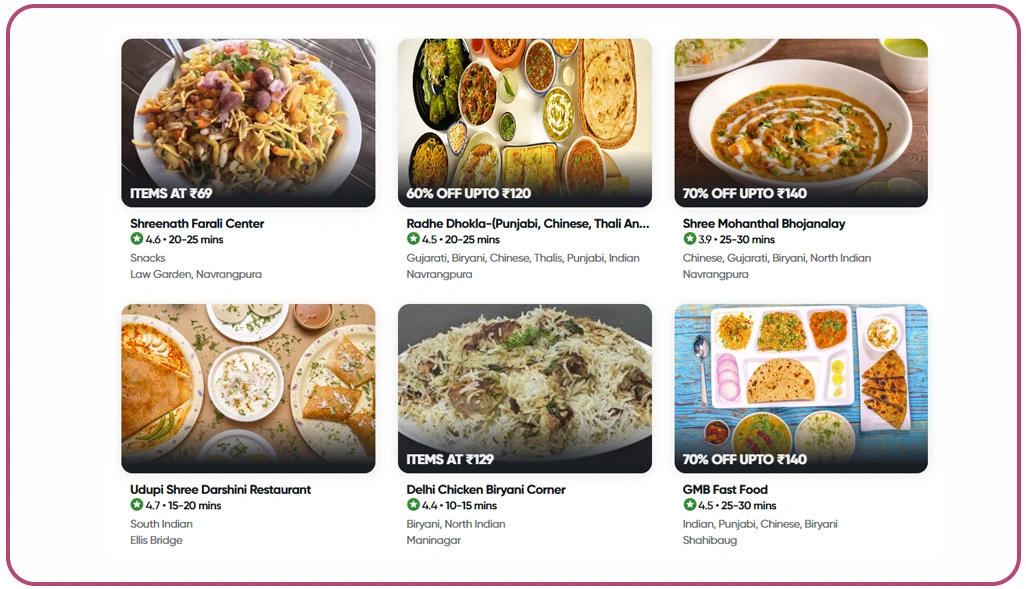
The food delivery ecosystem has become increasingly competitive, requiring restaurants to continuously monitor pricing behavior across platforms. Structured intelligence systems now allow businesses to evaluate shifting demand, customer expectations, and competitor strategies with greater accuracy. Data-backed decision-making is essential for maintaining profitability in this fast-moving environment.
Modern analytics approaches rely on Real-Time Food Delivery Trend Analysis Using Swiggy Data Scraping to observe live market fluctuations. This enables restaurants to adjust pricing strategies instantly and align them with consumer behavior patterns. At the same time, structured datasets help identify gaps in pricing consistency across regions and categories.
Pricing Observation Table:
| Cuisine Category | Avg Market Price | Competitor Range | Demand Index | Variation Level |
|---|---|---|---|---|
| Indian Meals | ₹175 | ₹160–₹190 | High | Moderate |
| Chinese Food | ₹210 | ₹200–₹230 | Medium | Low |
| Snacks | ₹120 | ₹110–₹130 | High | Low |
The Swiggy Restaurant Dataset plays a crucial role in aggregating structured information across multiple vendors, enabling deeper benchmarking insights. Restaurants can analyze pricing differences, promotional strategies, and regional demand variations more effectively.
This structured intelligence approach helps businesses shift from reactive pricing adjustments to proactive strategic planning. It ensures better alignment with market expectations and improves revenue stability. Over time, such data-driven methods strengthen competitiveness in highly saturated delivery markets and support long-term growth planning.
Enhancing Competitive Position Through Menu Intelligence Systems
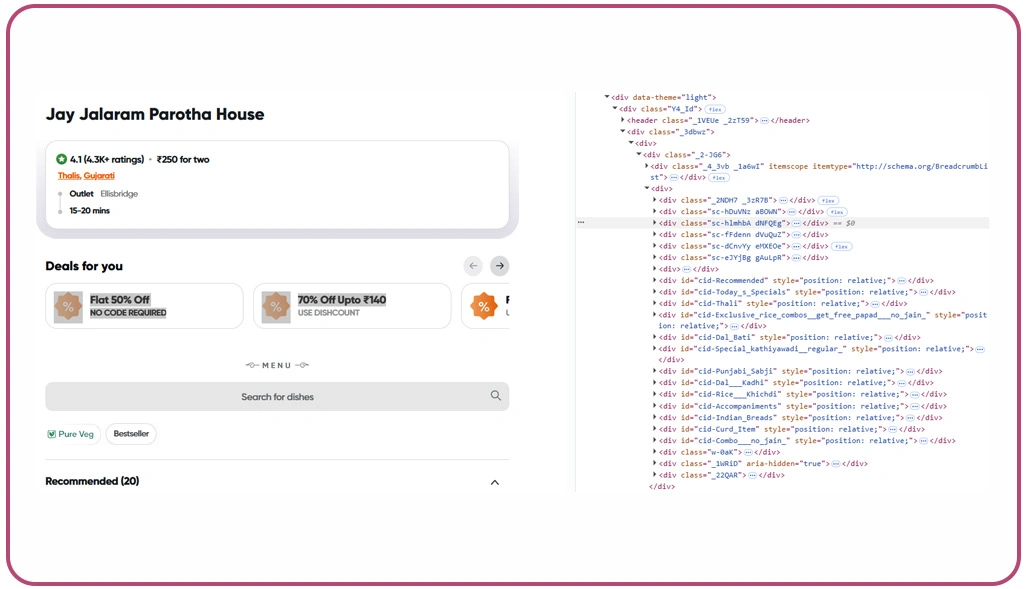
Understanding competitor strategies is essential for optimizing restaurant performance in delivery-driven markets. Businesses often struggle to track frequent menu updates, pricing changes, and promotional campaigns manually, leading to missed opportunities and inaccurate benchmarking.
Advanced analytics powered by Restaurant Competitor Analysis Using Swiggy Scraper API enables detailed evaluation of competitor offerings, helping businesses identify gaps and refine their own strategies effectively. This supports better positioning across different customer segments.
Competitor Performance Table:
| Business Type | Menu Diversity | Discount Strategy | Avg Order Value | Customer Trend |
|---|---|---|---|---|
| QSR Chains | Medium | High | ₹230 | Rising |
| Cloud Kitchens | Low | Medium | ₹180 | Stable |
| Casual Dining | High | Low | ₹400 | Consistent |
The Swiggy Food Data Crawler ensures continuous extraction of updated menu and pricing information, allowing restaurants to maintain real-time visibility of competitor changes. This enhances decision-making accuracy and reduces reliance on outdated insights.
Additionally, structured analysis helps businesses optimize menu design, identify high-performing items, and improve promotional efficiency. It also supports better inventory planning and reduces wastage by aligning supply with demand trends.
By integrating intelligent monitoring systems, restaurants can improve operational efficiency and strengthen their market positioning. This results in more consistent performance across multiple delivery platforms and ensures better adaptability to changing consumer preferences.
Strengthening Revenue Models With Intelligent Pricing Systems
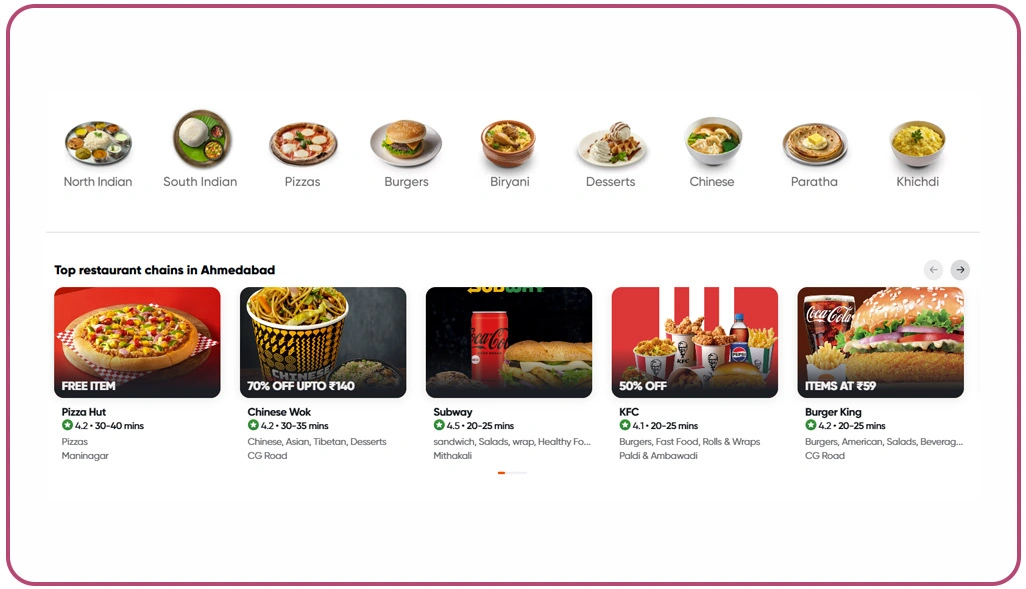
Revenue optimization in the food delivery industry depends heavily on accurate pricing strategies and timely adjustments. Restaurants must continuously evaluate market fluctuations, competitor pricing, and customer behavior to remain profitable.
Modern systems using Restaurant Pricing Intelligence Using Swiggy Scraper API enable businesses to analyze pricing effectiveness and adjust strategies based on real-time insights. This improves revenue consistency across different categories and locations.
Revenue Optimization Table:
| Category | Current Price | Optimized Price | Demand Impact | Revenue Shift |
|---|---|---|---|---|
| Burgers | ₹130 | ₹140 | +12% | +15% |
| Beverages | ₹85 | ₹90 | +10% | +11% |
| Main Course | ₹250 | ₹245 | -4% | -2% |
The Swiggy Food Data API supports structured and scalable access to real-time market data, enabling businesses to refine pricing strategies based on dynamic demand signals. This improves forecasting accuracy and revenue planning.
With continuous monitoring, restaurants can adjust pricing during peak hours, seasonal demand shifts, and promotional campaigns. This ensures better alignment with customer expectations and improves profitability.
Data-driven pricing models also help businesses maintain competitive positioning while maximizing revenue potential. Over time, this leads to stronger financial stability and improved market adaptability across multiple delivery channels.
How Web Data Crawler Can Help You?
Modern restaurant intelligence systems rely heavily on automation to process large-scale datasets efficiently. Track Food Delivery Pricing Trends Using Swiggy API Data becomes significantly more powerful when integrated with advanced crawling systems that continuously extract, clean, and structure marketplace information.
Our approach includes:
- Collects structured pricing data from multiple restaurant listings
- Identifies hidden patterns in customer demand behavior
- Tracks promotional campaigns across different zones
- Monitors menu updates with high frequency accuracy
- Supports predictive analytics for demand forecasting
- Improves data consistency across analytics systems
In addition, Swiggy Menu and Pricing Data Extraction for Market Intelligence plays a crucial role in ensuring data accuracy and consistency across all analytical models, enabling smarter business decisions. By integrating automation, businesses can streamline their entire intelligence workflow and reduce operational inefficiencies.
Conclusion
Effective restaurant benchmarking depends on continuous data monitoring and intelligent pricing strategies. Track Food Delivery Pricing Trends Using Swiggy API Data empowers businesses to align their pricing models with real-time market behavior, improving competitiveness and revenue performance.
By integrating Real-Time Food Delivery Trend Analysis Using Swiggy Data Scraping, restaurants can identify demand shifts early and adjust their strategies accordingly. Start building smarter pricing strategies today with Web Data Crawler for scalable restaurant growth.