
How Top Web Crawling Use Cases Across Industries Drive 35% Growth in E-commerce, Food, and Travel Sectors?
Feb 03
Introduction
Modern digital platforms operate in an environment where decisions must be supported by accurate, real-time market signals rather than assumptions. Businesses across retail, food delivery, grocery, and travel are increasingly dependent on structured external data to identify demand patterns, pricing movements, and customer behavior shifts. This is where Top Web Crawling Use Cases Across Industries begin to play a measurable role in driving scalable performance improvements.
Organizations handling thousands of SKUs, menus, routes, or listings face constant volatility. Prices fluctuate hourly, availability changes rapidly, and competitors react faster than ever. Traditional data collection methods are no longer sufficient to keep pace with this complexity.
By combining Enterprise Web Crawling capabilities with analytics, companies convert scattered online information into strategic intelligence. Across sectors, the value lies not just in collecting data, but in transforming it into actionable signals that align pricing, inventory, and customer engagement strategies.
Understanding Competitive Visibility in Digital Marketplaces

Rapid price changes, frequent promotions, and shifting product availability make digital commerce extremely volatile. Many online retailers still depend on delayed reports or manual tracking, which limits their ability to respond quickly. Without structured external data, pricing teams often react after competitors have already captured demand.
Automated crawling solves this by continuously collecting public marketplace signals such as product prices, discounts, and stock indicators. When supported by Live Crawler Services, data refresh cycles become near real-time, ensuring decisions are based on current market conditions rather than outdated snapshots.
The impact of consistent market visibility becomes clearer when viewed across operational metrics. Businesses using structured crawling frameworks report stronger price alignment, improved promotion timing, and reduced revenue leakage. This approach also supports Web Crawling Use Cases for E-Commerce Platforms, enabling brands to compare listings across multiple marketplaces without manual intervention.
| Market Challenge | Data Captured | Business Outcome |
|---|---|---|
| Sudden price drops | Competitor pricing signals | Faster repricing response |
| Promotion mismatches | Campaign tracking | Higher conversion rates |
| Stock uncertainty | Availability indicators | Reduced lost sales |
By building a continuous intelligence layer around competitor behavior, digital retailers move from reactive pricing to confident, data-backed execution. This foundation becomes essential as product catalogs expand and competition intensifies across channels.
Aligning Pricing Decisions With Inventory Intelligence

High-volume retail and grocery models operate under constant pressure to balance margins with availability. Misaligned pricing often leads to excess stock, aggressive discounting, or missed revenue opportunities. Without visibility into competitor movements, pricing strategies frequently fail to reflect actual market demand.
Automated crawling bridges this gap by connecting external pricing signals with internal inventory data. Through Web Scraping Ecommerce Data, businesses monitor competitor price changes, bundle offers, and availability trends, allowing pricing engines to react dynamically.
Retailers also benefit from regional intelligence that highlights localized demand patterns. By applying Grocery Pricing and Inventory Crawling, organizations can adapt pricing strategies by geography, improving turnover while minimizing wastage. Inventory planning becomes more accurate as demand forecasting models incorporate real-world market behavior.
| Operational Focus | Crawled Insight | Performance Impact |
|---|---|---|
| Stock planning | Competitor availability | Lower overstock risk |
| Price positioning | Market benchmarks | Improved margin control |
| Demand forecasting | Trend signals | Higher forecast accuracy |
When pricing and inventory operate from the same intelligence source, decision-making becomes faster and more consistent. This integrated approach reduces operational friction while supporting scalable growth across large product assortments.
Optimizing Consumer Experience in Food and Travel Platforms
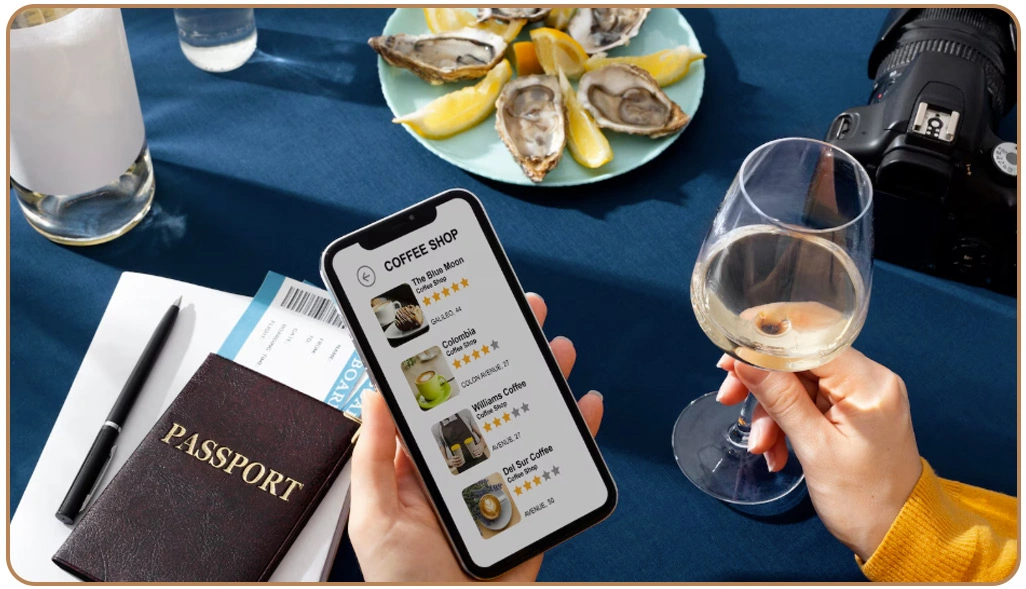
Food delivery and travel platforms rely on precision. Small inaccuracies in pricing, menu listings, or availability can quickly erode user trust and reduce conversions. Because these industries experience frequent updates, static data collection methods often fail to keep pace.
Automated crawling enables continuous monitoring of menus, delivery charges, routes, and fares. With Web Scraping Food Data, food platforms track competitor pricing shifts, portion changes, and promotional patterns across locations. These insights support smarter menu pricing decisions and help platforms maintain consistency across partner listings.
Similarly, Food Delivery Price and Menu Crawling Use Cases allow businesses to adjust offerings dynamically without sacrificing margins. For travel platforms, Travel Fare and Availability Crawling Use Cases ensure accurate fare comparisons and seat visibility, directly influencing booking confidence.
| Platform Area | Data Observed | Business Benefit |
|---|---|---|
| Menu accuracy | Pricing and item changes | Higher order completion |
| Fare tracking | Real-time price movement | Increased booking rates |
| Availability updates | Live listing status | Fewer cancellations |
By maintaining real-time alignment between displayed information and market reality, platforms enhance user trust and improve transaction success. This level of accuracy becomes a competitive differentiator in fast-moving service-driven industries.
How Web Data Crawler Can Help You?
Midway through this process, Top Web Crawling Use Cases Across Industries enable organizations to transform scattered public data into actionable business inputs that support pricing, planning, and performance optimization.
Key capabilities include:
- Continuous market monitoring across platforms.
- Automated change detection and alerting.
- Scalable infrastructure for large data volumes.
- Structured data delivery for analytics integration.
- Region-specific intelligence coverage.
- Secure and compliant data collection.
The result is a more responsive operational model built on verified external intelligence, supporting advanced use cases such as Web Crawling Use Cases for E-Commerce Platforms.
Conclusion
Growth across digital industries increasingly depends on how effectively companies interpret external market signals. When applied strategically, Top Web Crawling Use Cases Across Industries enable organizations to align pricing, availability, and customer experience with real-world demand patterns, resulting in measurable performance improvements.
For sectors managing high transaction volumes, Grocery Pricing and Inventory Crawling supports smarter forecasting and operational resilience. If your business aims to improve visibility, reduce risk, and scale with confidence, now is the time to invest in structured web data intelligence. Connect with Web Data Crawler today and transform market complexity into a growth advantage.