


How Can Tesco Offers and Promotions Data Extraction for Retail Analytics Track Clubcard Prices?
Oct 05
Introduction
Retailers need consistent visibility into product pricing, promotional changes, discounts, and availability to understand how grocery markets shift. Tesco listings can change frequently across categories, locations, and promotional periods, making structured data useful for comparing product-level movements and identifying recurring pricing patterns.
Using a Tesco Grocery Data Crawler, businesses can collect product names, standard prices, Clubcard prices, promotional labels, pack sizes, categories, and availability details at scheduled intervals. This creates a structured view of changing retail conditions and supports historical analysis across multiple product groups, brands, and product types.
By maintaining historical snapshots, analysts can examine how Clubcard pricing differs from standard prices and how promotional activity changes across grocery categories. Tesco Offers and Promotions Data Extraction for Retail Analytics can organize these records into datasets suitable for price comparison, promotion tracking, assortment evaluation, and market research.
Strategic Pricing Signals Shaping Tesco Grocery Category Performance Analysis
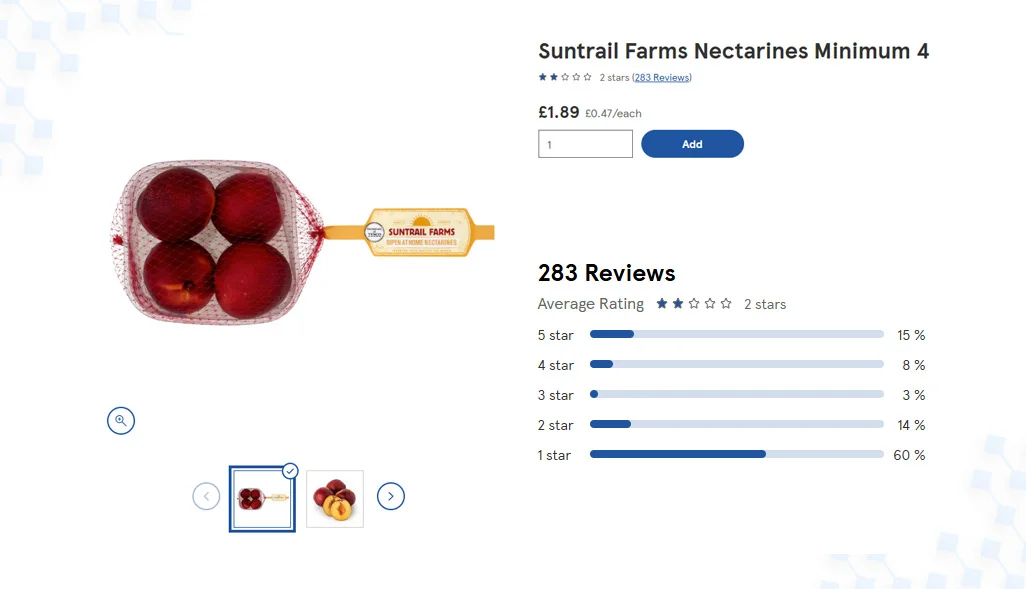
Monitoring grocery prices over repeated collection cycles gives retailers a clearer picture of pricing behavior across different product categories. Standard prices can change because of promotions, supplier adjustments, seasonal demand, or assortment decisions. Tesco Product Price Monitoring Using Web Scraping can capture these movements with product names, pack sizes, prices, promotional labels, and timestamps.
Competitor comparisons add another layer to category-level analysis because similar grocery products may carry different prices across retailers. By using Scrape Tesco Grocery Competitor Price Data within a structured workflow, analysts can organize comparable products and review differences across brands, pack sizes, and categories. This approach can support pricing teams when examining market positioning, promotional intensity, and product-level price gaps without depending on isolated manual checks.
A structured delivery layer can make collected records easier to integrate with internal analytics platforms and reporting systems. Through a Tesco Grocery Data API, businesses can receive organized product records for dashboards, category analysis, scheduled reporting, and downstream data processing. Automated delivery also reduces repetitive handling when datasets contain large numbers of products and frequent pricing observations.
Key tracking activities can include:
- Recording regular and promotional prices
- Comparing prices across selected categories
- Monitoring pack-size variations
- Identifying recurring price movements
- Maintaining historical product snapshots
| Retail Metric | Illustrative Monthly Coverage |
|---|---|
| Product Records | 1.8M+ |
| Category Groups | 85+ |
| Price Observations | 2.4M+ |
| Historical Snapshots | 12+ |
Together, these practices create a consistent pricing dataset that can support retail analysis over extended periods. Analysts can segment records by category, product, brand, and collection date to understand changes more clearly. The resulting information can also support promotional reviews, assortment decisions, and market benchmarking where recurring price visibility is required.
Dynamic Promotion Patterns Revealing Clubcard Discount and Offer Movements
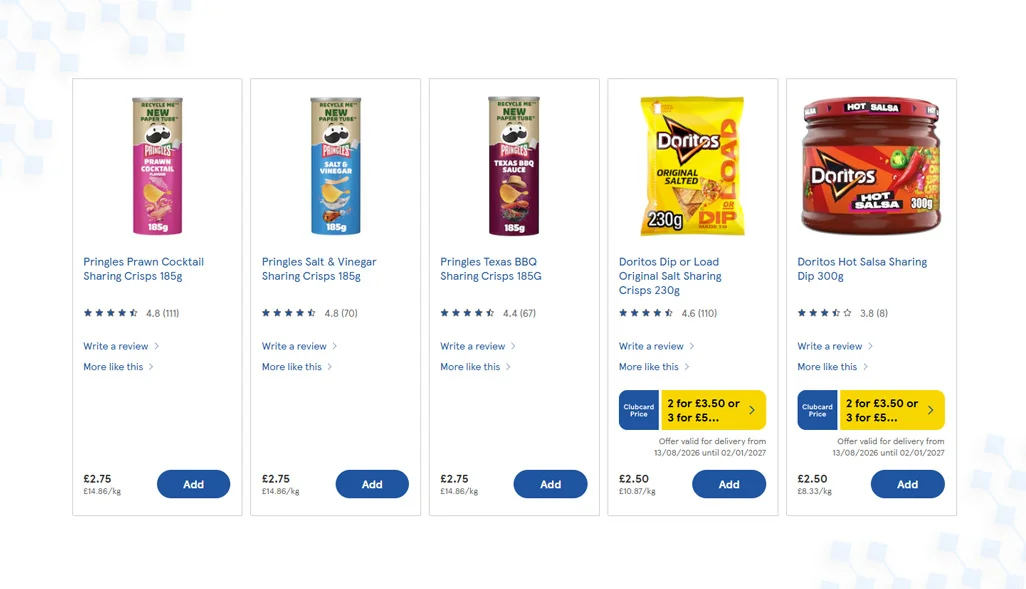
Clubcard promotions create an additional pricing layer because member-specific prices can differ from standard shelf or online prices. Tracking both values over time helps analysts understand discount depth, promotional frequency, and the duration of specific offers. Tesco Clubcard Price Monitoring Using Web Scraping can record these price variations alongside product identifiers, promotional labels, and collection timestamps for structured historical analysis.
A broader Tesco Retail Intelligence Using Product Data Scraping workflow can organize product, pricing, category, and promotional information into consistent records. Analysts can then compare promotional activity across product groups, identify recurring campaigns, and examine whether certain categories experience deeper or more frequent member-focused discounts.
Fast-moving grocery environments require frequent observations because prices and availability can change within relatively short periods. A Tesco Quick Commerce Dataset can provide structured grocery information that complements promotional analysis and helps place individual pricing movements within broader online retail patterns.
Useful promotional analysis activities include:
- Recording standard and member prices
- Measuring discount percentages
- Tracking promotional start and end periods
- Comparing promotional frequency by category
- Identifying repeated Clubcard offers
| Promotional Metric | Illustrative Coverage |
|---|---|
| Clubcard Listings | 310K+ |
| Product Categories | 60+ |
| Promotional Snapshots | 900K+ |
| Repeated Offers | 72K+ |
When these records are maintained consistently, retailers can distinguish short promotional campaigns from recurring pricing strategies. Historical comparisons can also show how product groups behave during seasonal periods, major campaigns, or changes in customer demand. This creates a practical foundation for reviewing Clubcard pricing alongside broader grocery promotion activity.
Integrated Availability Signals Strengthening Tesco Assortment and Market Analysis

Price and promotion information becomes more meaningful when product availability is tracked within the same analytical workflow. Products may appear at different prices while their availability changes across collection periods. Web Scraping Tesco Stock Availability Data for Market Research can capture product status, availability indicators, category details, and timestamps, allowing analysts to compare stock conditions with pricing and promotional activity.
Assortment analysis can identify products that remain consistently listed, appear temporarily, or move between available and unavailable states. Using a Tesco Product Data API for Assortment Analysis can organize product attributes into structured records that are easier to filter and evaluate. Analysts can review category depth, product presence, pack-size variations, and assortment changes across repeated collection cycles.
Online grocery demand can shift product visibility and purchasing patterns across different categories. A benchmark such as Tesco Data Scraping Highlight About 65% Online Grocery Demand and Retail Product Shifts can be incorporated into analytical reporting as a reference point for studying broader product movement.
Key assortment monitoring activities include:
- Recording product availability status
- Tracking newly listed products
- Identifying unavailable products
- Comparing assortment depth by category
- Reviewing product status changes
| Assortment Metric | Illustrative Monitoring |
|---|---|
| Availability Checks | 2.2M+ |
| Assortment Records | 900K+ |
| Status Changes | 145K+ |
| Category Comparisons | 75+ |
Combining availability, pricing, promotional, and assortment records provides a broader view of retail product behavior. Historical datasets can help analysts identify relationships between promotional periods and product availability while supporting seasonal comparisons and category reviews.
How Web Data Crawler Can Help You?
Retail data workflows require consistent collection, structured processing, and reliable historical storage to support recurring analysis. Tesco Offers and Promotions Data Extraction for Retail Analytics can be incorporated into a scalable workflow that captures product information, pricing changes, promotional activity, and availability at defined intervals.
Key capabilities include:
- Scheduled collection across selected Tesco categories and products
- Structured organization of product and pricing attributes
- Historical storage for recurring retail comparisons
- Category-level datasets for market research
- Flexible data delivery for analytical workflows
- Scalable collection for large product catalogs
The workflow can be configured around specific product categories, collection frequencies, data fields, and delivery requirements. This allows businesses to focus on the retail indicators most relevant to their research objectives while maintaining consistent records across collection periods.
For businesses reviewing pricing changes across grocery markets, Tesco Product Price Monitoring Using Web Scraping can support organized historical records for category comparisons and recurring market reviews. These outputs can be connected with dashboards, reporting platforms, or internal data systems according to project requirements.
Conclusion
Retail pricing analysis requires more than observing a single product price at one point in time. Tesco Offers and Promotions Data Extraction for Retail Analytics provides a structured approach for reviewing standard prices, Clubcard offers, promotional periods, assortment changes, and availability records across recurring collection cycles.
Historical records can also support Tesco Retail Intelligence Using Product Data Scraping by giving analysts organized information for category comparisons, promotional reviews, and assortment planning. Connect with Web Data Crawler to build a structured Tesco retail data collection workflow tailored to your analytics requirements.