


How Swiggy Pricing Data Scraping for Menu Price Parity Helps Compare Online and In-Store Prices?
Sep 29
Introduction
Restaurant pricing can vary between delivery platforms and physical outlets due to commissions, promotions, packaging charges, taxes, and location-based pricing. Swiggy Pricing Data Scraping for Menu Price Parity helps businesses compare listed menu prices with in-store prices and identify meaningful differences across restaurants, dishes, and locations.
Consistent monitoring provides structured visibility into online menu rates, item names, discounts, serving sizes, and restaurant details. Businesses can combine this information with Restaurant Competitor Pricing Data to evaluate pricing patterns, identify unusual differences, and understand how delivery-platform pricing compares with prices displayed directly by restaurants.
Using Web Scraping Swiggy Delivery Data, analysts can organize large volumes of restaurant pricing information into comparable datasets. This supports regular tracking of menu changes, promotional movements, and price gaps while helping teams assess whether online listings remain reasonably aligned with corresponding physical-store menus.
Mapping Menu Prices Across Online And Physical Restaurant Channels
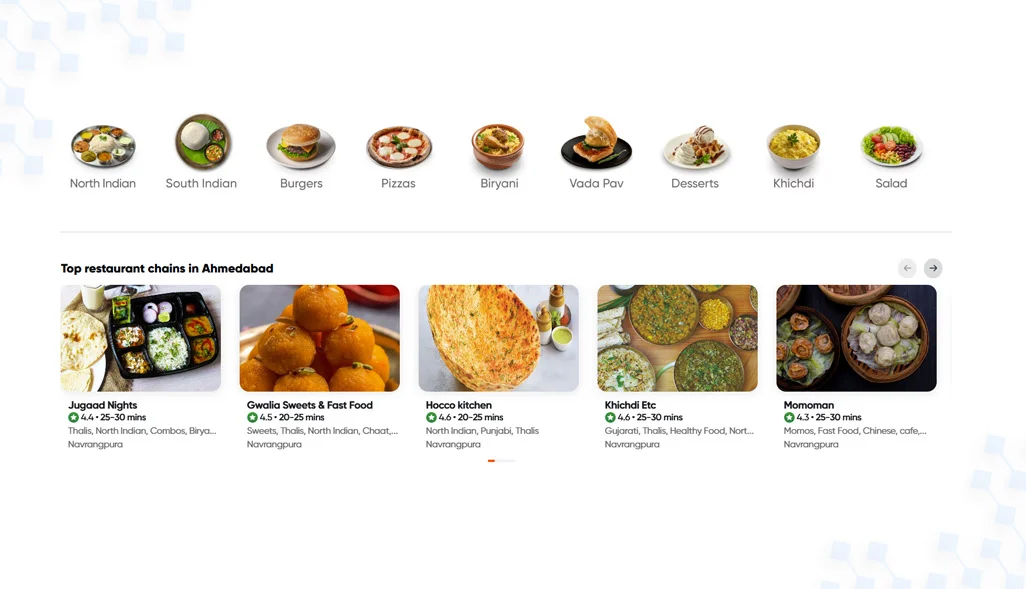
Comparing online and in-store prices requires consistent fields across restaurants, dishes, locations, and serving sizes. Swiggy Menu Data Scraping for Analysis can organize item-level information for structured comparisons. A standardized collection process helps analysts match similar dishes, distinguish variants, and record prices alongside relevant restaurant and location details.
A structured Swiggy Restaurant Dataset can contain restaurant names, menu categories, item names, listed prices, discounts, ratings, locations, availability, and collection timestamps. Keeping these fields consistent makes it easier to compare digital listings with physical menus while reducing confusion caused by different naming conventions or package sizes.
Businesses can review several indicators together instead of examining listed prices alone. This approach helps identify whether differences result from promotions, portion sizes, taxes, packaging charges, or genuine channel-level pricing changes. Historical records also make repeated variations easier to identify across different restaurants and locations.
Key comparison activities can include:
- Matching equivalent dishes across channels
- Recording prices with collection timestamps
- Separating promotional and regular prices
- Comparing serving sizes and variants
- Grouping restaurants by location
| Comparison Metric | Example Value | Analysis Purpose |
|---|---|---|
| Restaurants Tracked | 500 | Coverage |
| Menu Items | 18,000 | Item comparison |
| Locations | 12 | Geographic variation |
| Price Gap | 8.5% | Parity measurement |
| Discount Variance | 12% | Promotion review |
These records provide a practical foundation for consistent restaurant price comparison and recurring market analysis.
Measuring Online And Storefront Price Differences Through Time
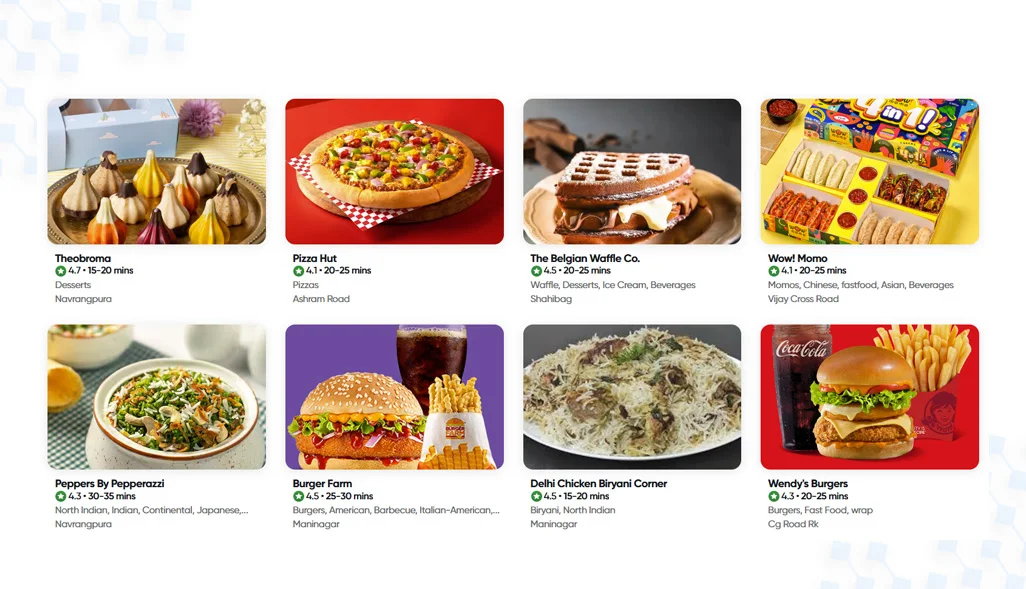
Online menus can display different prices because restaurants may adjust delivery pricing, apply platform promotions, or change item configurations. Recurring collection helps analysts capture these changes at regular intervals and compare current values with previous records. This creates a clearer view of pricing movements across selected restaurants and locations.
A Swiggy Food Data Crawler can collect recurring menu snapshots containing item names, prices, discounts, availability, categories, and timestamps. Historical snapshots allow analysts to distinguish temporary promotional changes from recurring pricing differences, while location-level records can reveal whether similar restaurants follow different pricing approaches in separate markets.
Businesses can also examine price movements alongside promotional activity to understand the context behind observed differences. Menu Price Parity Swiggy vs In-Store Pricing becomes easier to evaluate when comparable products, portions, and discounts are recorded consistently. This helps reduce misleading comparisons created by mismatched menu items.
Useful monitoring activities can include:
- Capturing recurring menu snapshots
- Tracking price changes by location
- Recording promotional adjustments
- Comparing equivalent menu variants
- Maintaining historical pricing records
| Metric | Before Monitoring | After Monitoring |
|---|---|---|
| Restaurants Compared | 250 | 500 |
| Items Matched | 7,500 | 18,000 |
| Price Variations Found | 9.2% | 8.5% |
| Update Frequency | Weekly | Daily |
| Comparison Coverage | 65% | 91% |
Regular collection creates a stronger basis for identifying recurring pricing movements and understanding differences between online listings and physical restaurant menus.
Building Structured Intelligence For Cross Channel Pricing Decisions
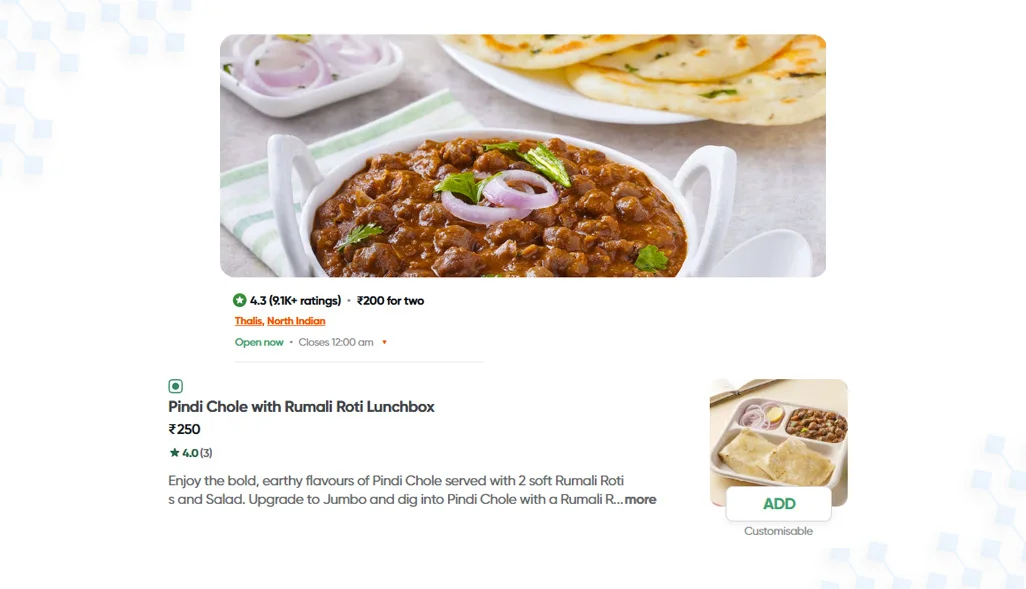
Once pricing records are standardized, teams can examine changes across restaurants, categories, locations, and time periods. Restaurant Pricing Intelligence Data helps connect menu prices with discounts, availability, ratings, and other contextual attributes. These combined fields provide broader visibility into pricing behavior without relying on isolated observations.
A Swiggy Food Data API can support structured data delivery into dashboards, analytical systems, reporting tools, or internal monitoring workflows. Standardized outputs allow teams to process large volumes of menu information while maintaining consistent fields for restaurant identification, product matching, pricing history, and location-based comparisons.
Analysts can then combine pricing records with restaurant attributes to identify recurring patterns and unusual variations. Food Delivery Competitor Analysis Data provides additional context for comparing restaurants, categories, promotional activity, and menu positioning. Historical datasets can also support trend analysis across selected periods.
Important analytical activities can include:
- Integrating structured pricing records
- Monitoring restaurant-level price movements
- Comparing categories across locations
- Connecting discounts with price changes
- Supporting dashboard-based reporting
| Data Point | Sample Records | Business Use |
|---|---|---|
| Menu Prices | 25,000 | Price comparison |
| Discounts | 9,500 | Promotion tracking |
| Ratings | 22,000 | Context analysis |
| Restaurant Locations | 1,200 | Regional comparison |
| Daily Snapshots | 30 | Trend analysis |
Combining these structured indicators gives businesses a consistent framework for reviewing online and physical menu pricing while supporting broader restaurant market research.
How Web Data Crawler Can Help You?
Pricing parity monitoring becomes more manageable when businesses collect comparable restaurant information through a structured workflow. Swiggy Pricing Data Scraping for Menu Price Parity can support recurring collection of menu prices, item details, promotions, restaurant information, and timestamps across selected locations.
Key capabilities can include:
- Automated collection of restaurant menu information across targeted locations.
- Regular capture of item prices and promotional changes.
- Structured organization of restaurant and menu-level records.
- Historical storage for comparing pricing movements over time.
- Flexible datasets suitable for dashboards and analytical workflows.
- Monitoring support for identifying recurring differences between channels.
A structured process reduces manual comparison work and creates consistent records for research, reporting, and internal pricing reviews. Teams can also combine collected records with existing business information to examine pricing behavior across multiple restaurant categories. This approach provides practical visibility into online and offline variations.
Using structured Restaurant Competitor Pricing Data alongside collected records can further support market monitoring, historical comparisons, and restaurant-level research. Businesses can define collection frequencies, selected locations, relevant menu fields, and reporting requirements according to their analytical needs.
Conclusion
Reliable restaurant price comparisons depend on consistent menu records, comparable item structures, and regular monitoring across locations. Swiggy Pricing Data Scraping for Menu Price Parity provides a structured approach for examining online and in-store differences while tracking discounts, menu updates, and pricing movements over time.
When multiple pricing indicators are analyzed together, businesses can build stronger Restaurant Pricing Intelligence Data for competitive research, reporting, and market monitoring. A structured scraping workflow can reduce manual checks and improve consistency across restaurant datasets. Connect with Web Data Crawler to build a customized restaurant pricing data collection solution for your business.