
How Can Scraping Variant Data From Home Decor and Furnishing Sites Increase Catalog Accuracy Quickly?
May 19
Introduction
Accurate variant-level catalog intelligence is becoming essential for furniture and decor marketplaces as consumer choices expand across colors, materials, dimensions, and styles. This creates catalog duplication, mismatched SKUs, and delayed merchandising decisions. Using Competitor Price Monitoring, brands can compare identical products sold with multiple finishes and dimensions while keeping pricing structures aligned with market demand.
Modern retailers rely on Scraping Variant Data From Home Decor and Furnishing Sites to organize catalog attributes and standardize variant details for analytics. Product listings often include hidden metadata such as upholstery, frame material, wood type, and assembly format, making structured extraction vital for consistency. According to industry reports, nearly 34% of furniture e-commerce listings contain incomplete variant tagging, which affects search visibility and buyer confidence.
As marketplaces scale, brands need structured datasets to understand how product options influence demand and pricing. Capturing variant-specific information supports assortment optimization and improves competitive product matching. This process becomes even more important when catalogs update daily and product variants multiply rapidly across regional storefronts. Strong extraction strategies ensure teams benchmark products accurately and improve decision-making with timely competitive visibility.
Building Standardized Product Structures Across Decor Catalogs
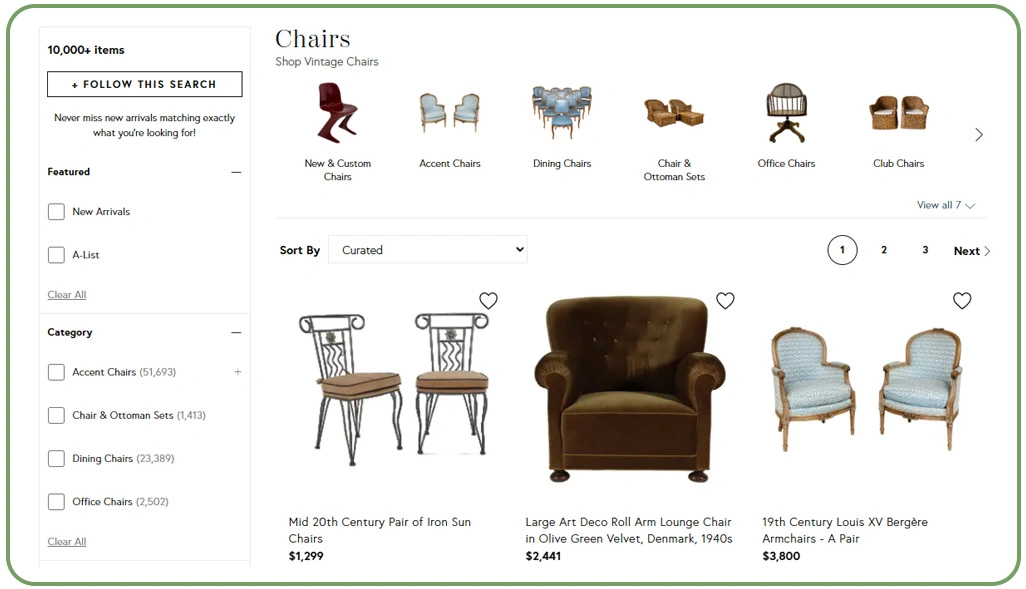
Home decor retailers often manage thousands of listings that include multiple dimensions, finishes, and material combinations. When suppliers use inconsistent naming conventions, businesses face catalog duplication, incorrect classifications, and poor search experiences. These issues create operational delays and reduce product visibility across marketplaces. This approach reduces manual intervention and supports more reliable merchandising strategies.
Businesses increasingly use Home Decor Competitor Product Data Scraping to compare similar products sold by different marketplaces. This helps identify differences in design, dimensions, assembly options, and packaging attributes. When product records are aligned under one standardized system, teams can compare assortment structures and identify overlapping products more efficiently. This method improves catalog matching and supports better decision-making for assortment planning.
Using Web Scraping Services, companies can automatically collect product titles, descriptions, specifications, dimensions, and stock details from multiple furnishing websites. This ensures consistency in master catalogs and reduces manual updates. Studies show nearly 41% of home furnishing listings contain incomplete attribute tags, making automated extraction highly valuable for marketplace analysis.
| Catalog Issue | Business Impact | Improvement |
|---|---|---|
| Inconsistent attributes | Duplicate products | Better classification |
| Missing specifications | Search errors | Accurate mapping |
| Variant duplication | Catalog mismatch | Improved organization |
Structured extraction also supports long-term category planning by reducing mismatched records and improving competitive comparisons. As assortments expand, clean data pipelines become essential for maintaining catalog accuracy and helping businesses align product structures across dynamic decor marketplaces.
Understanding Buyer Preferences Through Variant Insights
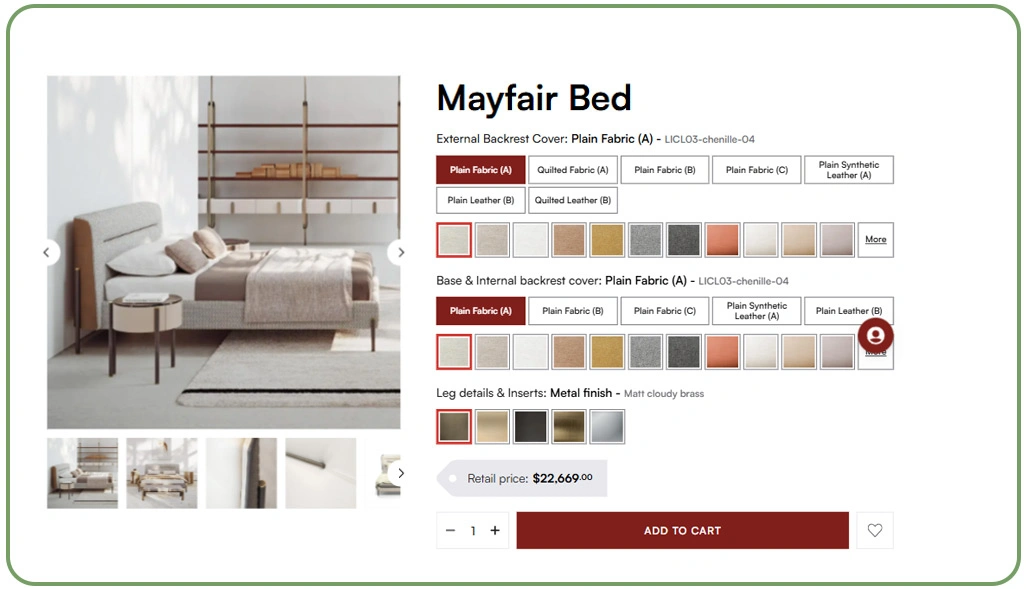
Consumer preferences in home decor change according to style, material, size, and color combinations. A single product can appear in multiple finishes, which influences buying decisions and average selling price. Businesses need structured variant-level datasets to understand which combinations attract customers and which options underperform. This helps sellers align inventory with market demand and improve online assortment visibility.
Many retailers use Scrape Color and Material Variants From Decor Websites to capture available styles and compare similar offerings from competitors. Extracting variant information provides a clearer view of how products are positioned and helps identify which designs generate stronger customer engagement. This process improves product comparison and assists teams in recognizing assortment gaps.
Companies also apply Sentiment Analysis to study customer reviews for specific material and color options. This reveals whether customers prefer wooden finishes, fabric combinations, or premium design variants. Insights from reviews help businesses understand how product presentation affects purchasing decisions and customer retention.
| Variant Type | Preference Rate | Market Trend |
|---|---|---|
| Wooden finish | 38% | Strong |
| Fabric color | 29% | Stable |
| Metallic style | 21% | Growing |
Another important strategy is using Furniture Pricing Insights by Product Variant Data to compare how design combinations influence price ranges. Products made from premium materials often show higher pricing across marketplaces. It supports smarter inventory planning and helps retailers improve product matching while maintaining consistent catalogs across home decor marketplaces.
Strengthening Benchmarking With Dynamic Variant Monitoring
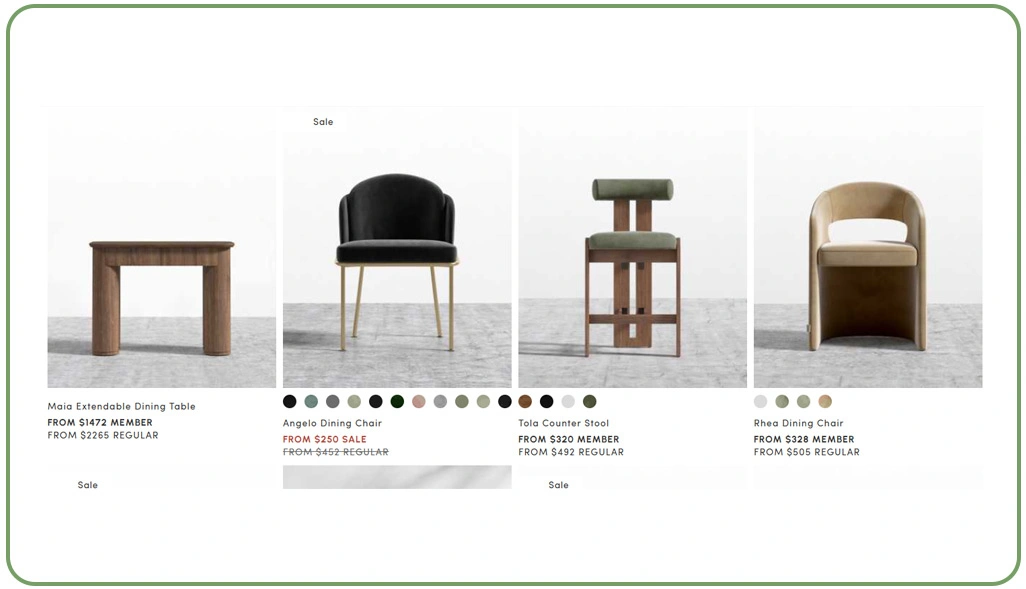
Furnishing websites frequently update assortments based on seasonal trends, stock changes, and supplier launches. These constant changes make manual monitoring difficult, especially when products have multiple styles, sizes, or material options. Automated extraction allows businesses to track these updates continuously and maintain reliable benchmark datasets for comparison.
Organizations depend on Multi-Variant Furniture Product Data Extraction to capture product-specific details such as finish type, dimensions, package format, and assembly structure. This makes it easier to compare similar products sold across multiple e-commerce stores. With structured data, businesses can identify assortment gaps and monitor product availability more effectively.
To maintain continuous updates, many companies implement Live Crawler Services that automatically track newly added products and changed variants. This reduces outdated records and ensures businesses always work with fresh data. Industry reports show furniture assortments can shift by more than 20% every quarter due to supplier updates and seasonal launches.
| Data Category | Business Use | Benefit |
|---|---|---|
| Size variants | Product matching | Better accuracy |
| Material options | Grouping | Consistency |
| Design styles | Trend analysis | Faster insights |
Another important application is Product Taxonomy Extraction From Furnishing Websites, which helps create organized product hierarchies. It strengthens assortment visibility, reduces missing product records, and improves competitive analysis for retailers managing large and frequently changing home furnishing catalogs.
How Web Data Crawler Can Help You?
Accurate retail intelligence depends on structured extraction and scalable monitoring. By using Scraping Variant Data From Home Decor and Furnishing Sites, businesses can organize complex furniture assortments and compare every product variation across marketplaces.
- Capture product variants with structured attributes
- Track pricing updates across regional stores
- Standardize material and color combinations
- Detect newly added marketplace listings
- Monitor assortment gaps among competitors
- Build cleaner benchmarking datasets
These capabilities improve catalog consistency and help teams react to changing market trends quickly. Businesses also benefit from Home Decor Competitor Product Data Scraping to compare market assortments, improve matching logic, and strengthen data-backed category planning.
Conclusion
Retailers need structured data to compare complex furnishing assortments accurately. Through Scraping Variant Data From Home Decor and Furnishing Sites, businesses can reduce mismatched listings and improve catalog consistency across marketplaces.
Detailed insights from Multi-Variant Furniture Product Data Extraction help brands align assortments, benchmark products, and optimize pricing decisions. Connect with Web Data Crawler to build reliable retail intelligence pipelines for your business growth.