
How to Scrape Tripadvisor Reviews Data for Travel Sentiment Analysis Across Hotels and Attractions?
Sep 24
Introduction
Travel businesses increasingly rely on customer feedback to understand how guests perceive hotels, attractions, destinations, amenities, and overall experiences. Scrape Tripadvisor Reviews Data for Travel Sentiment Analysis helps organize large volumes of public review information into structured datasets for identifying recurring opinions and experience patterns.
Reviews can reveal satisfaction levels, service complaints, facility preferences, location-specific concerns, and frequently praised experiences. With Tripadvisor Travel Data Scraping Services, researchers can collect review ratings, comments, dates, reviewer details, hotel information, attraction names, and related attributes for systematic analysis.
Structured review data also supports comparisons across properties and destinations. Businesses can examine sentiment changes over time, identify frequently mentioned service elements, and understand differences between positive and negative experiences. This creates a practical foundation for travel intelligence, customer experience research, and destination-level decision-making.
Unearthing Hidden Guest Opinions Across Hotels and Travel Destinations
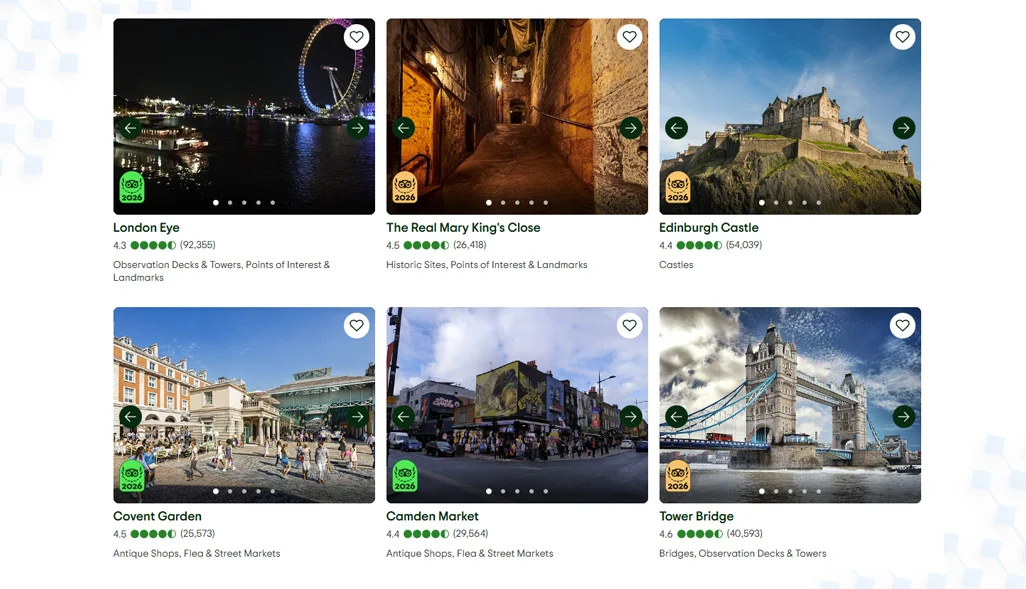
Travel reviews contain extensive information about how visitors perceive hotels, attractions, amenities, and destinations. Ratings provide measurable satisfaction indicators, while written comments explain the reasons behind those ratings. When these elements are collected systematically, analysts can identify recurring service strengths, customer complaints, and experience-related themes across multiple properties.
A Scrape Tripadvisor Reviews Dataset can organize review text, ratings, dates, property names, locations, and relevant categories into consistent records. Such structured information makes it easier to compare customer opinions across different accommodation types and destinations. Analysts can also separate feedback according to travel periods, locations, or property characteristics to identify more specific patterns.
A structured Tripadvisor Travel Dataset can further support historical comparisons by combining review information from multiple properties and periods. Analysts can examine whether sentiment changes after operational adjustments, seasonal shifts, service improvements, or changes in visitor expectations. Rating distributions can also be compared with written feedback to identify differences between numerical scores and expressed opinions.
Common signals that can be examined include:
- Overall ratings and rating distributions
- Positive and negative review frequencies
- Frequently mentioned hotel facilities
- Guest concerns about service quality
- Location-specific experience patterns
- Changes in feedback across periods
| Review Element | Analytical Purpose |
|---|---|
| Rating | Measures satisfaction levels |
| Review Text | Provides detailed customer opinions |
| Review Date | Supports historical comparisons |
| Property Category | Enables accommodation comparisons |
| Location | Identifies destination-specific patterns |
Combining numerical ratings with written feedback provides a more detailed perspective on customer experiences. Businesses can use these structured observations to understand what visitors value most, where recurring concerns appear, and which service characteristics receive frequent attention across hotels and attractions.
Transforming Scattered Travel Feedback Into Structured Analytical Intelligence
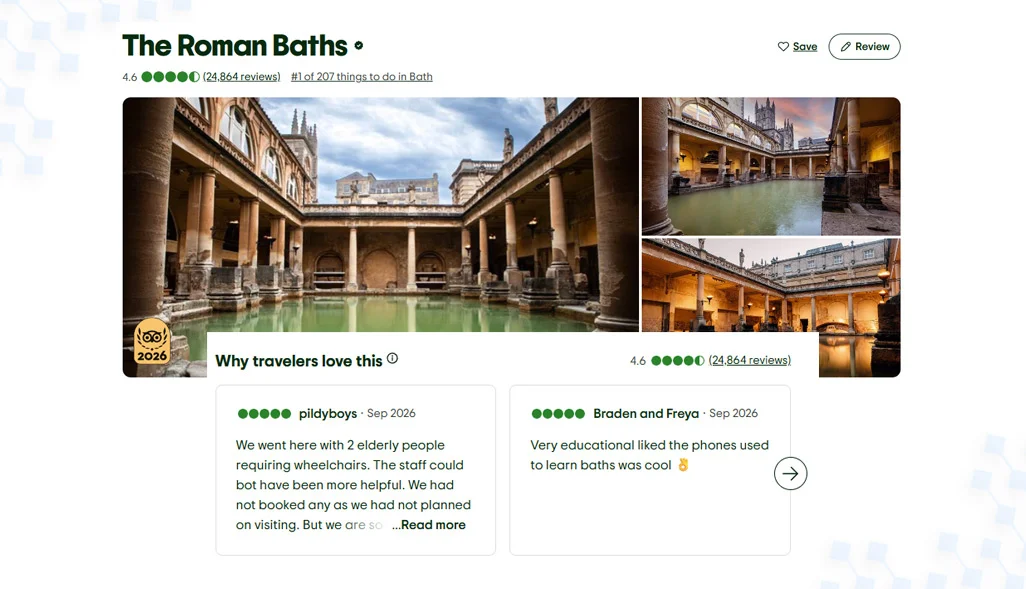
Large-scale review analysis requires consistent data organization because customer comments can vary significantly in length, wording, rating style, and subject matter. Standardized collection helps analysts group similar information and prepare it for sentiment classification, topic identification, trend analysis, and comparative research across travel businesses.
A Hotel Review Sentiment Analytics Scraping workflow can organize comments according to attributes such as rating, review date, property, location, and service category. This makes it easier to identify discussions related to cleanliness, staff behavior, rooms, food, accessibility, facilities, location, and overall guest satisfaction without manually sorting thousands of individual comments.
A Tripadvisor Travel Data Crawler can collect relevant review attributes across selected pages and convert them into consistent records. Once organized, analysts can classify comments into positive, neutral, or negative groups and examine how sentiment differs between properties. Topic-based analysis can also show which services appear most frequently within different sentiment categories.
Important processing activities may include:
- Standardizing review fields and formats
- Categorizing reviews by property type
- Grouping feedback by service topics
- Separating ratings from written opinions
- Identifying repeated customer concerns
- Preparing records for sentiment processing
| Processing Stage | Purpose |
|---|---|
| Data Collection | Gathers relevant review records |
| Data Cleaning | Removes inconsistent information |
| Categorization | Groups related review attributes |
| Sentiment Classification | Identifies opinion categories |
| Topic Analysis | Highlights recurring subjects |
Consistent organization allows travel researchers to analyze feedback at both property and destination levels. It also supports repeated monitoring because newly collected records can follow the same structure as historical datasets, making comparisons easier and helping teams identify changes in customer perceptions over time.
Strategic Applications of Visitor Feedback Across Modern Travel Research
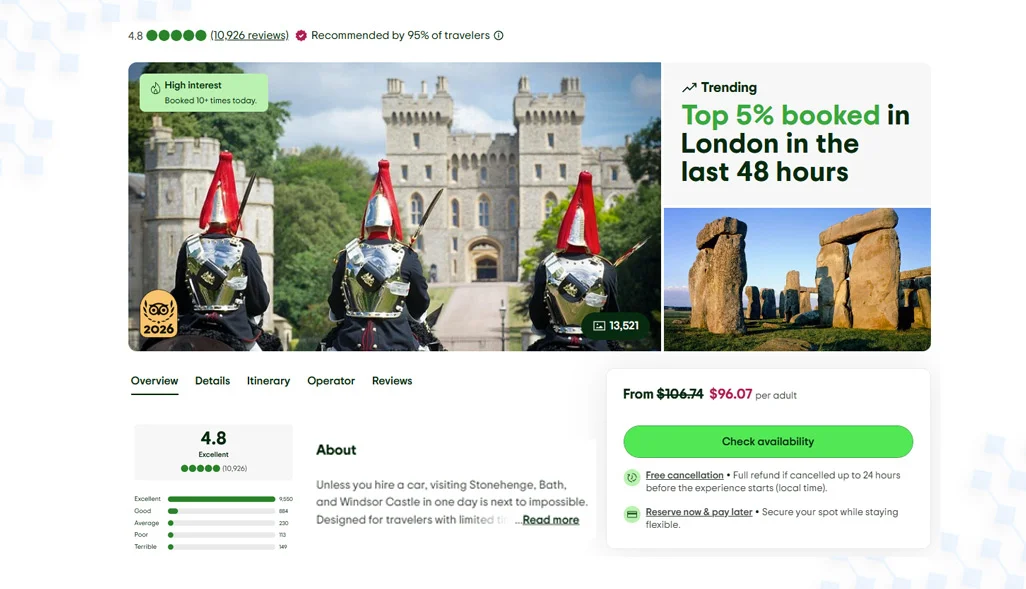
Review information can support several analytical activities across hotels, attractions, destinations, and broader travel markets. Written feedback often contains details about service quality, visitor expectations, facilities, staff interactions, accessibility, food, location, and overall experiences that may not be visible through ratings alone.
Several Tripadvisor Review Data Sentiment Analysis Use Cases can support reputation monitoring, competitor comparisons, destination research, service evaluation, and customer experience studies. Analysts can categorize comments according to sentiment and topic, then compare the resulting patterns across properties. This approach helps identify which subjects generate favorable or unfavorable discussions.
A Scraping API can help connect structured review collections with databases, dashboards, analytics systems, and sentiment-processing workflows. This integration can make recurring research easier by allowing collected records to move into established data pipelines. Historical and newly collected information can then be examined together for trend analysis and reporting.
Businesses can apply these insights across areas such as:
- Hotel reputation monitoring
- Destination experience research
- Competitor service comparisons
- Customer satisfaction analysis
- Attraction feedback evaluation
- Recurring sentiment monitoring
| Research Area | Useful Measurement |
|---|---|
| Reputation Monitoring | Sentiment distribution |
| Competitor Analysis | Rating differences |
| Service Evaluation | Topic frequency |
| Destination Research | Location-level sentiment |
| Trend Monitoring | Sentiment changes |
Combining review ratings, written opinions, dates, locations, and thematic categories creates a broader analytical foundation for travel research. Teams can identify frequently discussed services, compare customer perceptions between properties, and observe how visitor feedback develops across different periods and destinations.
How Web Data Crawler Can Help You?
Travel research requires organized information that can be processed efficiently across numerous hotels, attractions, and destinations. Scrape Tripadvisor Reviews Data for Travel Sentiment Analysis can provide structured review records containing ratings, text, dates, locations, property information, and other relevant attributes for analytical workflows.
We can support review data collection and organization according to defined project requirements. Its approach can help businesses prepare information for sentiment classification, competitive research, reputation monitoring, and customer experience analysis.
Key capabilities include:
- Structured collection of publicly available review information
- Custom fields based on specific research requirements
- Organized datasets for analytical and reporting workflows
- Scalable extraction across selected travel categories
- Data formatting for databases and business intelligence tools
- Support for recurring data collection requirements
With properly structured information, teams can reduce manual review analysis and work with consistent records across multiple research periods. The resulting Hotel Review Intelligence Dataset can support trend identification, property comparisons, service analysis, and broader travel-market research while keeping the collected information organized for downstream analytical use.
Conclusion
Travel reviews provide valuable signals about customer expectations, satisfaction, service quality, and destination experiences. Scrape Tripadvisor Reviews Data for Travel Sentiment Analysis can turn large volumes of review information into structured records that support sentiment classification, comparison, and trend monitoring across hotels and attractions.
A well-organized Hotel Review Sentiment Analysis Dataset can help researchers examine recurring themes, evaluate experience patterns, and support data-driven travel research. Contact Web Data Crawler to discuss your Tripadvisor review data collection requirements and build a structured workflow suited to your analysis needs.