
How to Scrape Shake Shack Menu Prices and Calories for 30% Faster Competitive Food Analytics?
Jan 28
Introduction
Fast-food brands now compete as much on data as they do on taste. Menu pricing, calorie transparency, portion sizing, and regional variations are constantly shifting, making real-time visibility critical for analysts, aggregators, and food delivery platforms. Shake Shack, as a premium fast-casual brand, offers an ideal benchmark for understanding how price positioning and nutritional disclosures influence consumer choices across markets.
By applying Scrape Shake Shack Menu Prices and Calories, businesses can analyze how menu adjustments correlate with demand spikes, seasonal launches, and inflation-driven price changes. This approach helps uncover patterns in premium burger pricing, plant-based alternatives, and calorie-dense offerings that shape value perception.
Additionally, integrating Shake Shack Food Delivery Data Scraping enables organizations to measure availability differences across platforms, delivery markups, and fulfillment speed. This layered insight supports smarter decisions for food aggregators, QSR competitors, and market researchers aiming to reduce analysis cycles while improving forecast accuracy.
Interpreting Menu Design and Nutrition Signals
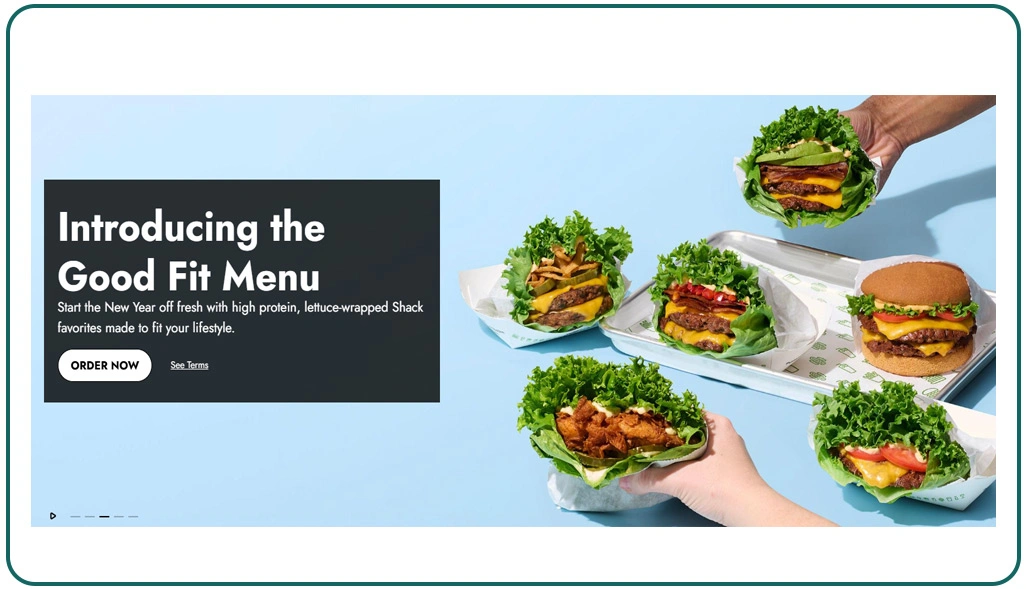
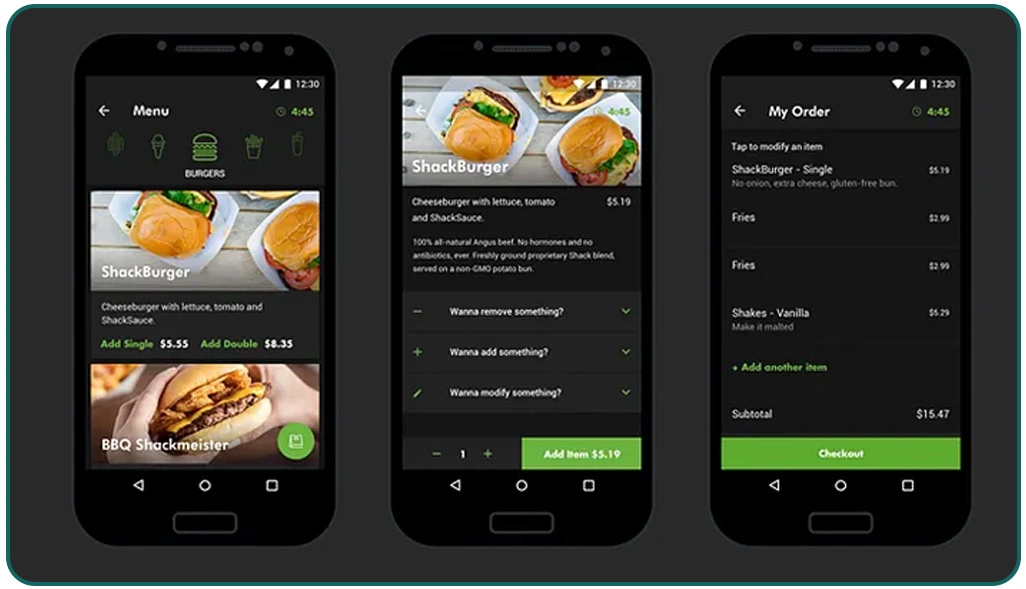
Fast-casual menus are intentionally structured to influence consumer decisions through price tiers, calorie visibility, and category placement. Shake Shack's menu reflects a balance between indulgence and transparency, offering a useful framework for understanding how customers interpret value in premium quick-service dining. Analyzing menu structure allows researchers to see how portion size, calorie disclosure, and item grouping subtly guide purchase behavior.
By applying Shake Shack Menu Data Extraction, analysts can organize items by category, nutritional density, and price range to understand how different offerings perform. When paired with broader Food and Restaurant Datasets, the data becomes even more powerful, allowing comparisons across similar brands, cuisines, and price brackets.
Researchers often observe that menu items positioned as indulgent maintain steady demand despite higher calorie counts, especially when paired with premium ingredient messaging. Meanwhile, clearly labeled lighter options tend to attract weekday traffic and health-focused consumers. Tracking these patterns over time supports smarter decisions around menu balancing and product innovation.
Sample Menu Insight Structure:
| Attribute Category | Analytical Purpose | Strategic Outcome |
|---|---|---|
| Price Bands | Measures perceived value | Refines pricing tiers |
| Calorie Ranges | Evaluates health impact | Guides nutrition strategy |
| Category Placement | Identifies visibility bias | Improves menu layout |
| Item Descriptions | Tracks quality perception | Enhances positioning |
This structured evaluation transforms menu listings into behavioral insights that support long-term food analytics and planning.
Evaluating Price Positioning Across Markets
Pricing strategy plays a critical role in how fast-food brands maintain loyalty while managing rising operational costs. Shake Shack's premium pricing approach makes it an ideal reference point for understanding how consumers respond to incremental price changes across locations and time periods. Accurate pricing intelligence helps analysts move from assumptions to evidence-based evaluations.
Using Web Scraping Shake Shack Restaurant Pricing Data, teams can monitor price adjustments across cities, store formats, and menu categories. This allows organizations to detect trends such as gradual increases, regional deviations, and category-specific shifts. When aligned with Competitive Benchmarking, pricing data reveals how Shake Shack positions itself relative to both premium competitors and value-focused chains.
Analytical studies often show that moderate price increases do not significantly reduce demand when brand perception remains strong. However, sudden changes or inconsistent regional pricing can influence customer sentiment and conversion rates. Tracking these movements consistently enables better forecasting and pricing discipline.
Pricing Intelligence Snapshot:
| Pricing Metric | Observed Behavior | Strategic Insight |
|---|---|---|
| Regional Variance | High | Reflects local cost sensitivity |
| Update Frequency | Moderate | Indicates controlled pricing |
| Category Spread | Narrow | Supports premium consistency |
| Discount Activity | Limited | Protects brand value |
This pricing visibility empowers analysts to anticipate market reactions, assess brand resilience, and design smarter pricing strategies grounded in real data.
Building Automated Analytics Infrastructure
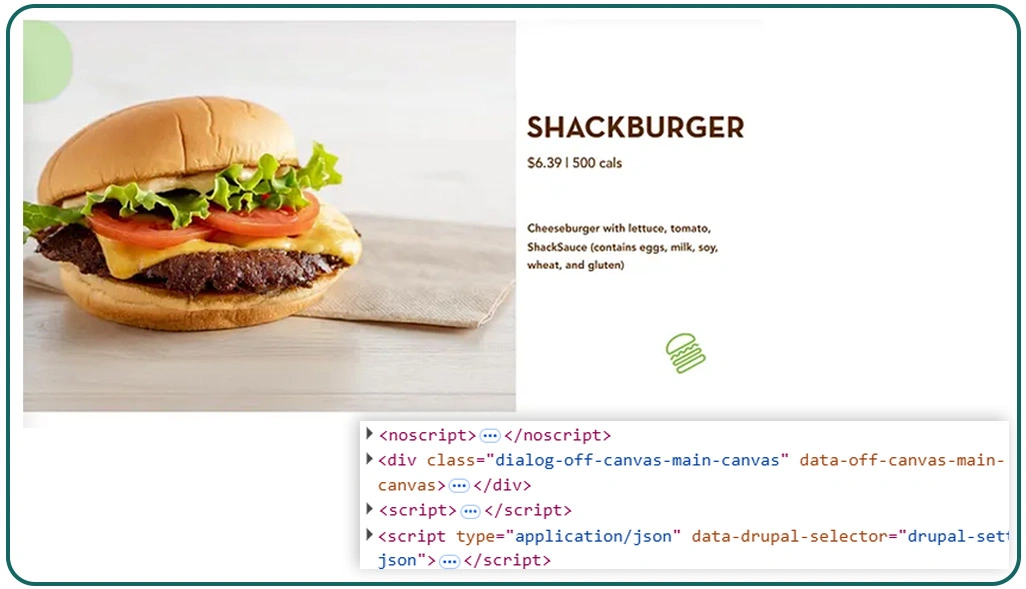
As menu updates become more frequent and region-specific, manual tracking methods quickly fall short. Automation is essential for maintaining accuracy and speed in food analytics workflows. Scalable infrastructure ensures that pricing and nutritional insights remain reliable even as data volume grows.
Organizations looking to Extract Shake Shack Menu Data for Market Research benefit from automated pipelines that continuously capture updates without human intervention. These systems reduce errors, eliminate delays, and support near real-time analysis. When combined with a Web Scraping API, data can be standardized, validated, and delivered directly into dashboards or analytical models.
Automation also enables longitudinal studies, allowing teams to track how menu adjustments influence customer behavior over months or years. Analysts gain the ability to correlate pricing changes with demand shifts, seasonal patterns, and promotional cycles more efficiently.
Automated Data Workflow Overview:
| Pipeline Stage | Core Function | Resulting Benefit |
|---|---|---|
| Data Collection | Continuous menu capture | Timely updates |
| Structuring | Category normalization | Clean datasets |
| Validation | Change detection | Reduced inconsistencies |
| Delivery | System integration | Faster analytics |
By shifting to automated infrastructure, food analytics teams reduce processing time while improving insight quality. This approach supports scalable research, consistent reporting, and faster decision-making across competitive fast-food environments.
How Web Data Crawler Can Help You?
Building reliable food analytics systems requires more than raw extraction—it demands consistency, scalability, and contextual accuracy. With Scrape Shake Shack Menu Prices and Calories integrated into structured pipelines, teams can reduce manual effort while improving analytical depth across pricing and nutrition intelligence.
What we support:
- Scalable menu data collection across regions.
- Change detection for prices and nutritional values.
- Structured output formats for analytics tools.
- High-frequency monitoring without data loss.
- Custom logic for category and combo mapping.
- Secure, compliant data handling workflows.
For teams seeking reliable automation without infrastructure overhead, our solutions also integrate seamlessly with Shake Shack Fast Food Menu Scraper frameworks to accelerate deployment and reduce operational complexity.
Conclusion
Modern food analytics depend on timely visibility into pricing and nutritional signals that influence consumer behavior. By applying Scrape Shake Shack Menu Prices and Calories, organizations gain measurable advantages in understanding premium positioning, demand elasticity, and menu evolution across fast-casual markets.
When combined with structured pipelines designed to Extract Shake Shack Menu Data for Market Research, these insights support faster decisions, sharper forecasts, and stronger competitive strategies. Connect with Web Data Crawler today and build analytics that move as fast as your market.