
How to Scrape Property Listings in New Zealand for Market Insights to Compare 3 Major City Markets Fast?
March 09

Introduction
New Zealand’s real estate market has experienced rapid transformation in recent years, driven by urban growth, investment demand, and shifting buyer preferences. Major cities such as Auckland, Wellington, and Christchurch have emerged as key hubs where property prices, rental demand, and investment opportunities vary significantly. This is where the ability to Scrape Property Listings in New Zealand for Market Insights becomes increasingly valuable.
Property portals, real estate platforms, and listing marketplaces generate massive volumes of data every day. Listings include details like price trends, property types, location demand, rental yields, and sales history. Advanced Popular Real Estate Data Scraping methods allow organizations to automatically gather property listings, structure them into datasets, and analyze them quickly.
When large-scale property data is collected systematically, businesses can track price fluctuations, compare city-level trends, and identify profitable investment zones. For example, Auckland’s housing prices often behave differently compared to Wellington’s rental market or Christchurch’s rebuilding-driven growth. Through automated data extraction and structured analytics, companies can make informed real estate decisions faster.
Analyzing Property Price Differences Across Major Urban Regions
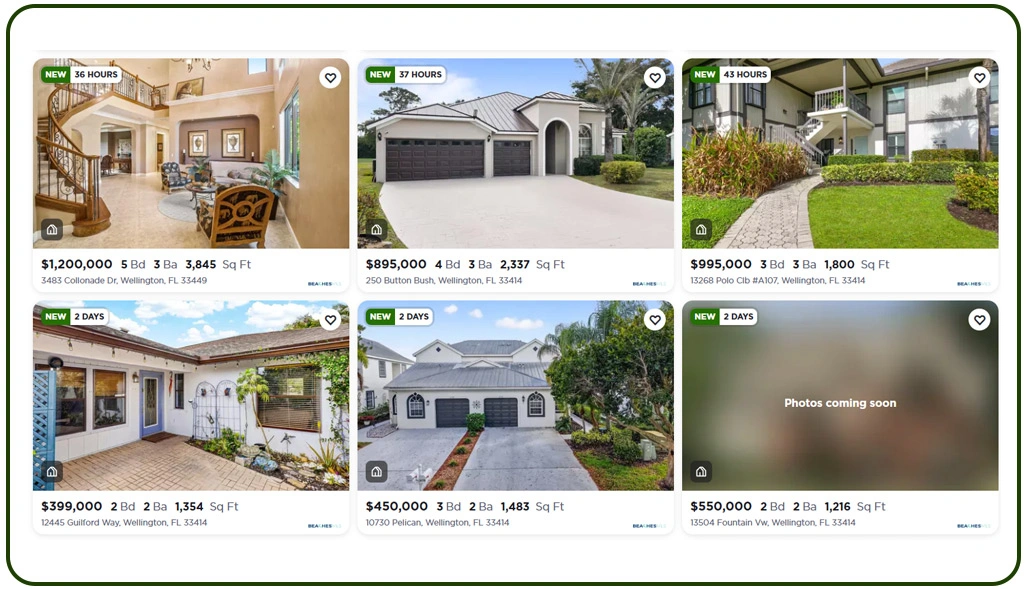
Investors and analysts studying property patterns often focus on major cities such as Auckland, Wellington, and Christchurch because each city demonstrates unique housing demand characteristics. By collecting structured property information from multiple listing platforms, businesses can build reliable Real Estate Datasets that reveal pricing patterns, housing supply distribution, and buyer interest levels.
Automated analytics plays a significant role in monitoring regional property performance. For example, analysts performing Auckland Property Price Monitoring Using Scraper can track listing price changes, neighborhood demand shifts, and new property inventory entering the market.
The process also allows investors to compare regional property growth patterns more efficiently. Auckland often shows strong price momentum due to its population expansion and economic activity. Meanwhile, Wellington's government-driven workforce creates consistent housing demand, and Christchurch continues to show gradual growth due to ongoing redevelopment.
Example: Property Price Trends in Key Cities:
| City | Average Property Price | Annual Growth Rate | Major Market Factor |
|---|---|---|---|
| Auckland | NZD 1.05M | 5.8% | Population expansion |
| Wellington | NZD 850K | 4.2% | Government employment |
| Christchurch | NZD 720K | 3.9% | Infrastructure development |
By organizing large property datasets and comparing city-level indicators, analysts can identify pricing trends and evaluate future investment potential. Structured property data enables businesses to recognize undervalued regions, assess housing demand patterns, and build accurate market forecasts that support better real estate investment decisions.
Evaluating Investment Opportunities Through Rental And Sales Data
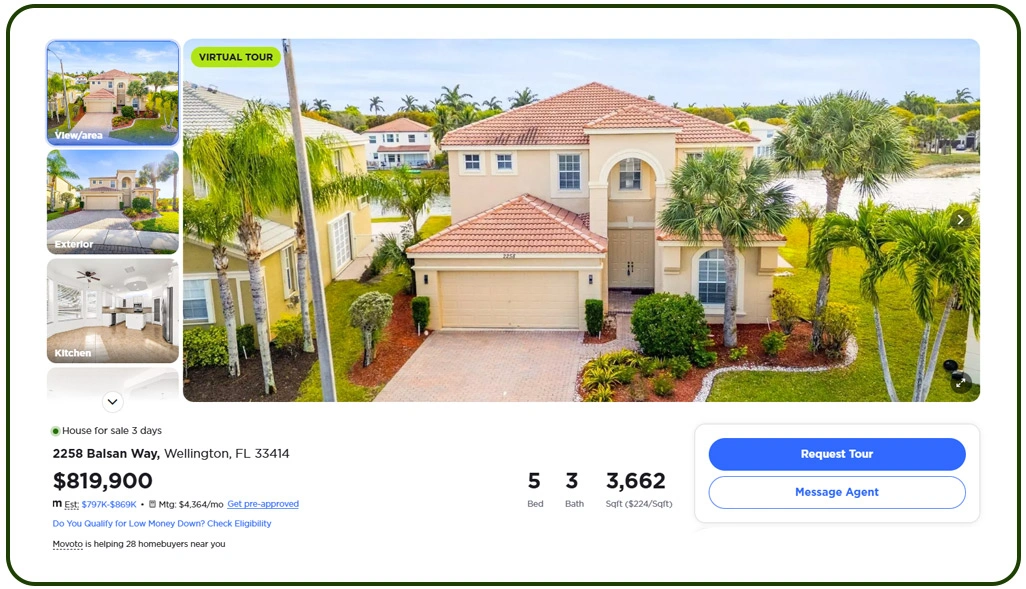
Property investors often rely on detailed listing data to evaluate investment potential across different locations. When analysts gather large volumes of listing information from real estate platforms, they can perform deeper Market Research to evaluate property performance across cities and neighborhoods.
For instance, Wellington’s housing market demonstrates strong rental demand due to the concentration of government offices and professional employment sectors. Analysts conducting Web Scraping Wellington Real Estate Investment Data can observe rental price fluctuations, property availability trends, and neighborhood demand patterns.
Another important analytical method involves comparing rental listings with property sales information. Through Rental vs Sale Property Data Scraping in Wellington, investors can evaluate whether long‑term rental strategies produce stronger returns than property resale investments.
Example: Rental vs Property Sale Comparison:
| Property Category | Average Rental Yield | Average Sale Price | Investor Demand Level |
|---|---|---|---|
| Apartments | 5.6% | NZD 640K | High |
| Townhouses | 4.9% | NZD 720K | Moderate |
| Detached Homes | 3.8% | NZD 890K | Stable |
These insights allow investors to compare rental profitability with property ownership costs. By combining rental data with sales information, businesses can identify high-performing investment locations, assess tenant demand, and create more accurate forecasts about future housing returns in key urban areas.
Using Automated Systems To Track Regional Housing Demand

Modern real estate analysis increasingly depends on automation to process large volumes of property listings quickly and efficiently. Housing platforms generate thousands of new listings daily, making manual monitoring nearly impossible. Automated tools powered by a Web Crawler help analysts systematically gather property details such as price changes, listing durations, property types, and neighborhood demand levels.
Large-scale property data collection also helps researchers analyze regional housing development patterns. For example, analysts conducting Christchurch Housing Data Scraping can track rebuilding-related housing supply trends and evaluate long-term property demand in newly developed areas.
Automation also enables organizations to Extract Automated Property Data Collection in New Zealand, allowing analysts to compile structured property information from multiple listing platforms. These datasets provide valuable insights into property supply trends, market demand behavior, and location-based price fluctuations.
Example: Key Housing Demand Indicators:
| Data Indicator | Market Insight |
|---|---|
| Listing Duration | Indicates buyer demand speed |
| Rental Price Movement | Reflects tenant interest levels |
| Property Type Distribution | Shows housing supply balance |
| Location Listing Density | Highlights popular neighborhoods |
Another powerful approach involves the ability to Scrape Location-Based Property Demand Analysis for New Zealand, which helps businesses identify neighborhoods where housing demand is rapidly increasing.
How Web Data Crawler Can Help You?
Understanding the property market requires accurate, timely, and large-scale data collection. In modern analytics workflows, organizations frequently Scrape Property Listings in New Zealand for Market Insights to build reliable datasets that support pricing analysis, investment forecasting, and housing demand evaluation.
We offer specialized solutions designed to simplify large-scale property data extraction and analysis.
Our Key Capabilities:
- Automated collection of property listings from multiple platforms.
- Structured datasets for pricing and rental trend analysis.
- City-level property demand tracking and analytics.
- Real-time updates for property price changes.
- Scalable solutions for large property marketplaces.
- Clean, structured datasets ready for analytics tools.
Businesses also benefit from Christchurch Housing Data Scraping, which helps track regional housing trends and evaluate property growth opportunities in developing urban areas.
Conclusion
Analyzing city-level housing trends requires accurate property data and consistent tracking of listing activity. Many real estate firms rely on automated tools to Scrape Property Listings in New Zealand for Market Insights, allowing them to compare market conditions across Auckland, Wellington, and Christchurch more efficiently.
Data-driven insights also support smarter property investment strategies, especially when businesses conduct Web Scraping Wellington Real Estate Investment Data to understand rental performance and investment potential. Contact Web Data Crawler today to transform raw listings into actionable market intelligence.