
How to Scrape Job Data From Glassdoor, Monster, and Indeed to Analyze 1M+ Listings With 35% Trends?
Feb 06
Introduction
The hiring landscape is more competitive than ever, with thousands of new job postings appearing daily across multiple job portals. That’s why organizations now rely on automated job listing monitoring and structured job data collection to Scrape Job Data From Glassdoor, Monster, and Indeed to identify trending roles, emerging skills, and shifting salary expectations with greater accuracy.
Job platforms such as Glassdoor, Monster, and Indeed contain valuable recruitment insights, including job titles, company demand, skill requirements, location-based hiring trends, and salary ranges. When this information is captured in real time, businesses can build smarter hiring strategies, compare competitor recruitment movements, and identify talent gaps across industries.
Many enterprises are now investing in Glassdoor Data Scraping Services to consolidate hiring trends and build reliable datasets that support workforce planning. By building structured job datasets, companies can track demand surges, predict hiring cycles, and create data-backed recruitment strategies based on millions of job listings.
Designing Automated Pipelines for Job Market Tracking
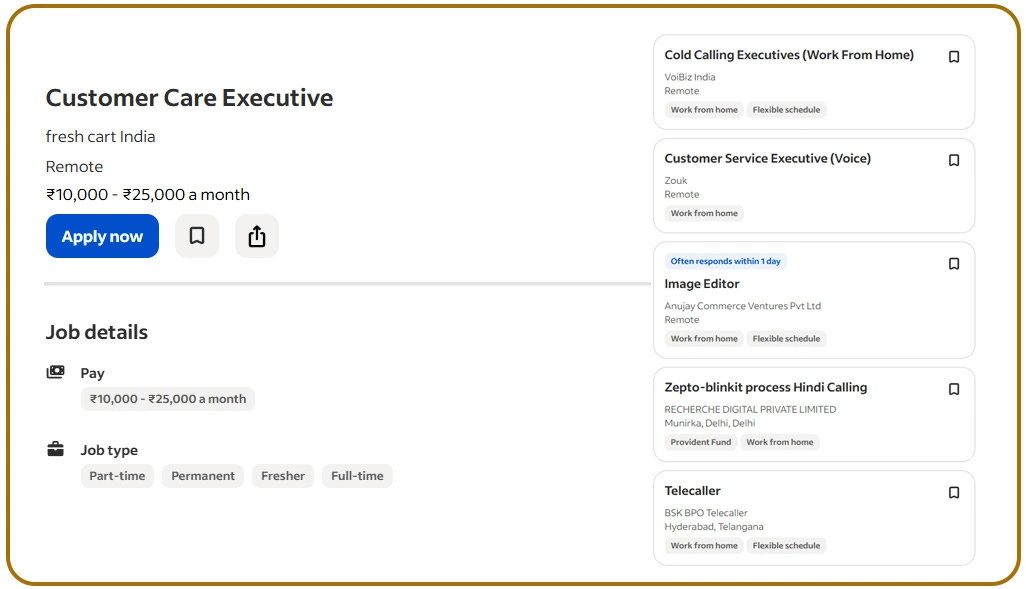
Recruitment teams today need structured job data because market demand changes quickly across industries and cities. When job listings are monitored daily, businesses can spot hiring spikes, salary changes, and emerging skill requirements before competitors react. Automated job scraping workflows allow organizations to capture large volumes of job postings and convert them into clean datasets for analysis.
A well-designed pipeline usually starts by identifying core data fields such as job title, company name, job location, salary range, job type, experience requirements, and required skills. Many organizations rely on sources like the Indeed Recruitment Dataset to build reliable benchmarking insights across multiple industries and roles.
Companies also implement Web Scraping Indeed Job Postings to monitor job frequency and hiring growth patterns in real time. This helps HR teams identify which roles are expanding and which locations show stronger hiring momentum. With structured datasets, businesses can map demand changes, compare growth across regions, and forecast recruitment budgets more accurately.
| Data Category | Extracted Information | Business Use |
|---|---|---|
| Job Metadata | Title, posting date, job ID | Demand tracking |
| Company Info | Employer name, ratings | Competitor monitoring |
| Location Data | City, state, remote tag | Regional analysis |
| Salary Details | Range, benefits | Compensation planning |
| Skills Data | Tools, certifications | Talent gap detection |
Comparing Multiple Platforms for Hiring Patterns
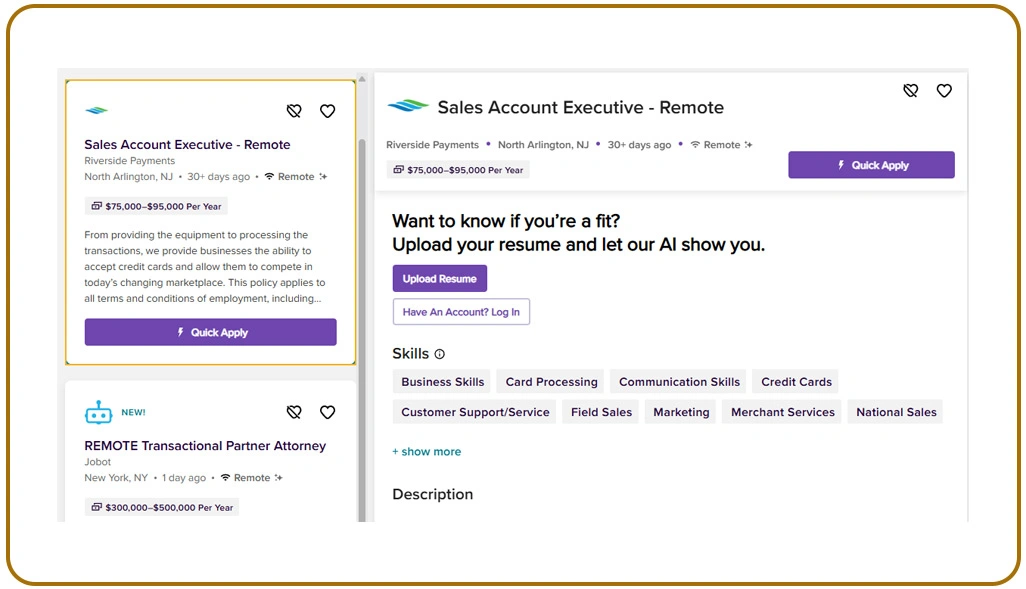
Recruitment intelligence becomes more effective when job listings from different portals are analyzed together. Each platform provides unique value. Some offer stronger salary insights, while others focus more on staffing-driven vacancies or high-volume postings. By combining datasets, businesses can identify demand surges, evaluate competitor hiring behavior, and detect where job growth is strongest.
Organizations that conduct Glassdoor vs Monster vs Indeed Recruitment Market Research can compare listing volumes, job categories, and skill expectations across platforms. Many enterprises use Monster Data Scraping Services to extract structured listings and integrate them into centralized recruitment dashboards.
This ensures the collected data is standardized for reporting and workforce planning. Additionally, tools like the Monster Job Portal Data Scraper help businesses monitor vacancy growth patterns and understand employer recruitment intensity across locations and industries.
| Platform | Key Focus | Best For | Major Insight |
|---|---|---|---|
| Glassdoor | Salary and reviews | Employer analysis | Pay trends |
| Monster | Staffing demand | Vacancy monitoring | Hiring spikes |
| Indeed | High volume postings | Market tracking | Real-time updates |
Converting Listings Into Workforce Intelligence Models

Collecting job listings is only valuable when the extracted information is transformed into structured workforce intelligence. For example, “Cloud Engineer” and “Senior Cloud Engineer” may represent the same job family for forecasting purposes. This classification process improves reporting accuracy and helps businesses build meaningful trend dashboards.
Organizations focusing on Workforce and Talent Demand Data Extraction can identify which roles are expanding and which skills are becoming essential across industries. When job data is analyzed at scale, companies can detect up to 35% faster shifts in demand for trending skills such as cybersecurity, automation, and AI tools.
Companies also generate large-scale Recruitment Datasets that include job counts, salary benchmarks, and skill frequency indicators. Additionally, analytics teams often use Glassdoor Hiring Market Trend Insights to measure competitor hiring activity and identify which employers are growing their workforce aggressively.
| Analysis Type | Data Used | Output Insight | Business Benefit |
|---|---|---|---|
| Skill Tracking | Skills in postings | Rising skill trends | Training planning |
| Salary Benchmarking | Salary ranges | Pay averages | Better compensation |
| Demand Forecasting | Job counts by month | Growth prediction | Hiring strategy |
| Regional Mapping | Location-based jobs | Hiring hotspots | Expansion planning |
How Web Data Crawler Can Help You?
Our solutions support automated crawling, structured parsing, and data standardization so enterprises can Scrape Job Data From Glassdoor, Monster, and Indeed while maintaining consistent formats for reporting and forecasting.
Our Key Support Includes:
- Multi-platform job listing collection workflows.
- Automated deduplication and structured formatting.
- Location-wise, role-wise, and industry-wise segmentation.
- Daily or hourly update monitoring.
- API-ready output formats for analytics integration.
- Custom dashboards for recruitment tracking.
With our advanced Monster Job Portal Data Scraper, businesses can build a reliable intelligence layer for hiring demand evaluation and competitor recruitment tracking.
Conclusion
A structured approach to Scrape Job Data From Glassdoor, Monster, and Indeed allows organizations to build centralized hiring intelligence that supports workforce planning, skill demand forecasting, and compensation benchmarking.
When combined with automation and analytics, Workforce and Talent Demand Data Extraction becomes a powerful strategy for predicting future job market demand and improving recruitment efficiency. Contact Web Data Crawler today to start building your recruitment intelligence pipeline with confidence.