
How to Scrape Grocery Store Prices for Cost Comparison to Achieve 52% Smarter Buying Decisions?
Feb 17
Introduction
In today's rapidly shifting retail environment, grocery prices fluctuate daily due to supply chain disruptions, regional demand, seasonal inventory changes, and competitive discounting strategies. For consumers and businesses alike, keeping track of price variations across multiple stores is no longer optional if the goal is cost efficiency.
Many retail analysts and procurement teams now rely on automation to collect product pricing details directly from store websites, online grocery platforms, and quick commerce apps. With the help of Web Scraping Grocery Data, businesses can track product rates, discounts, availability, and delivery charges without relying on manual research.
Market research suggests that automated price tracking improves cost control and buying strategy accuracy by up to 52%, especially for businesses that manage frequent purchasing cycles. In this blog, we will explore how to Scrape Grocery Store Prices for Cost Comparison supports smarter purchasing decisions through structured workflows, real-world use cases, and proven data strategies.
Strengthening Budget Control Through Price Tracking
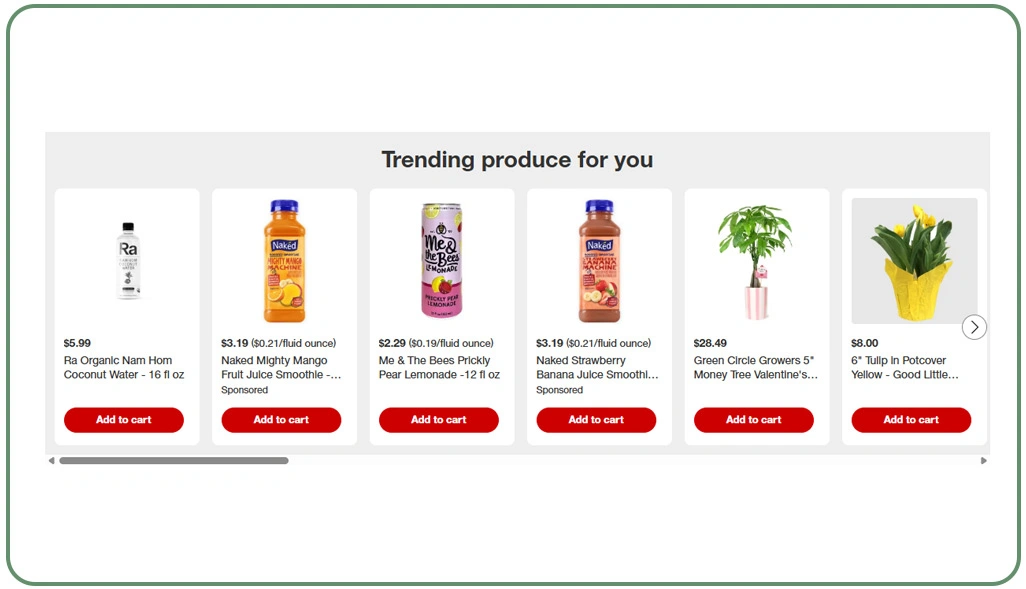
When grocery buyers depend on limited store data, they often miss better-value opportunities and end up paying inconsistent prices across categories. This becomes a serious issue for retailers, wholesalers, restaurants, and procurement teams that purchase high-volume products every week.
Using Popular Grocery Data Scraping, organizations can collect pricing details for daily essentials like dairy products, grains, packaged snacks, beverages, and cleaning supplies. Retail studies show that automated monitoring helps reduce unnecessary spending by nearly 28%, especially when teams can compare similar products across multiple stores.
Many data teams also use Grocery Supermarket Pricing Data Extractor to capture product price history and organize it into usable formats like CSV, Excel, or JSON. This structured dataset allows category managers to evaluate price volatility, compare brand performance, and identify cost-effective vendors.
| Price Tracking Insight Area | What Data Reveals | Business Value |
|---|---|---|
| Category price changes | Weekly fluctuations | Smarter buying cycles |
| Discount pattern tracking | Promo frequency | Better deal timing |
| Vendor benchmarking | Store-level price gaps | Reduced overspending |
| Price history reports | — | Budget planning support |
| — | — | Stronger procurement |
Overall, grocery price intelligence improves purchase timing, strengthens cost control, and ensures purchasing strategies remain consistent across all product categories.
Managing Fast Price Shifts Across Grocery Platforms
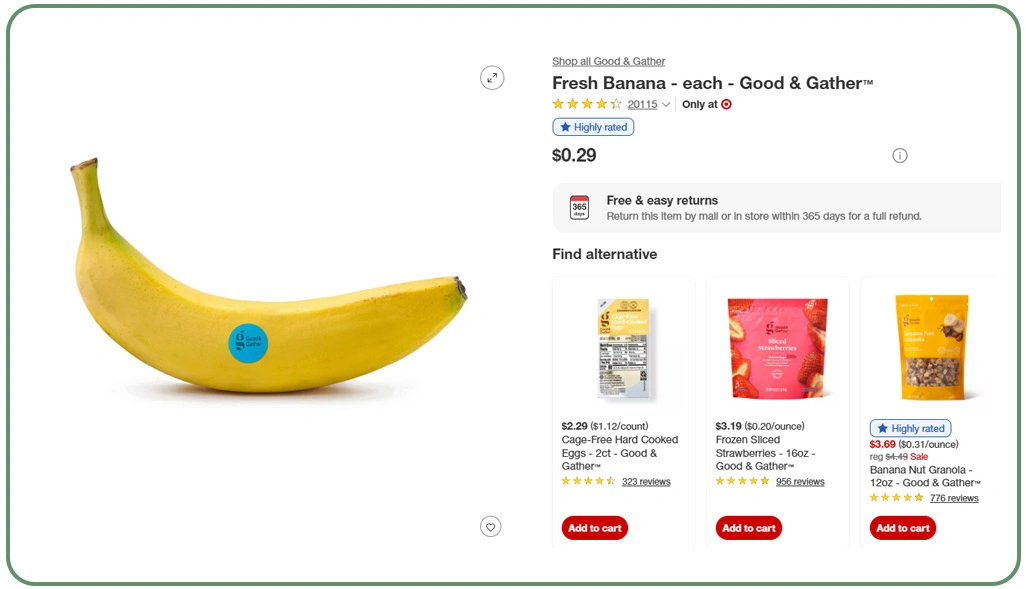
Grocery pricing often changes quickly due to demand spikes, regional supply issues, and promotional campaigns. The same item may be priced differently on multiple grocery websites and delivery apps, making it difficult for businesses to identify the most cost-effective purchase option.
To solve this, businesses collect Quick Commerce Datasets to evaluate how instant delivery platforms price essential grocery products compared to supermarkets. Industry analysis suggests that quick commerce grocery prices can be 15% to 35% higher because of convenience charges and delivery-based markups. Having accurate datasets helps buyers compare product pricing and avoid unnecessary overspending.
Many organizations rely on Real-Time Grocery Price Comparison Data Scraping to monitor product prices continuously. With such structured information, procurement managers can respond immediately when better deals appear, improving purchase accuracy and reducing delay in decision-making.
| Pricing Challenge | Data-Driven Solution | Key Outcome |
|---|---|---|
| Rapid price fluctuations | Continuous scraping updates | Faster decisions |
| Store-to-store price gaps | Multi-platform comparison | Lower purchase costs |
| Quick commerce markups | Delivery fee monitoring | Better cost accuracy |
| Promo inconsistency | Discount history tracking | Smarter buying timing |
With real-time visibility, businesses can avoid sudden pricing spikes and improve cost comparison decisions across all platforms.
Building Market Intelligence With Structured Data
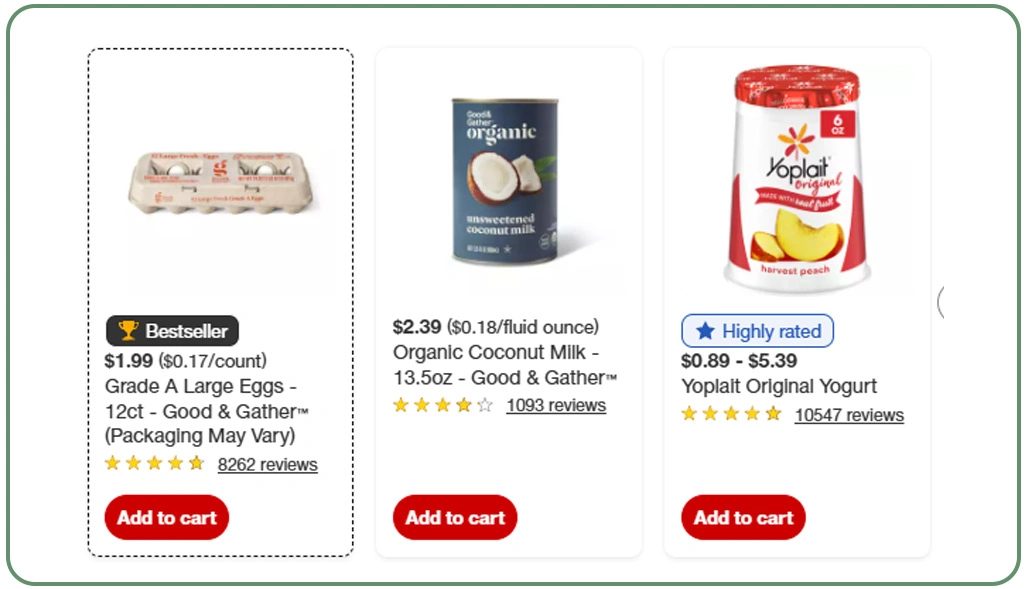
Large-scale grocery data collection is essential for retailers and analytics teams aiming to understand pricing behavior, consumer demand shifts, and competitive market trends. Manual tracking becomes ineffective when thousands of products change prices daily across multiple stores and delivery platforms.
Businesses that apply Web Scraping Services can build detailed pricing dashboards that support competitor benchmarking and promotional analysis. Studies show that automated reporting improves market intelligence speed by nearly 40% compared to manual survey-based tracking.
A major advantage of structured scraping is inflation monitoring. Retailers and research organizations frequently need historical grocery price records to understand long-term pricing growth patterns. Many analytics firms use automation to Extract Grocery Product Prices for Inflation Analysis, helping them create accurate reports for forecasting and trend prediction.
| Market Intelligence Need | Extracted Data Type | Strategic Advantage |
|---|---|---|
| Competitor pricing trends | Price + discount info | Better benchmarking |
| Inflation tracking | Historical pricing history | Accurate forecasting |
| Category volatility review | Daily price shifts | Smarter planning |
| Promo pattern mapping | Bundles + offers | Improved campaigns |
Ultimately, structured grocery datasets help businesses shift from reactive pricing decisions to predictive intelligence, improving profitability and competitive planning.
How Web Data Crawler Can Help You?
Many grocery businesses struggle to build scalable pricing intelligence systems because they lack automation, clean datasets, and real-time monitoring. Instead of manual price tracking, businesses can rely on advanced scraping workflows that support Scrape Grocery Store Prices for Cost Comparison at scale while ensuring accuracy and consistency.
What we supports:
- Multi-store grocery price tracking with structured datasets.
- Category-based product comparison for better procurement planning.
- Automated discount and promotional offer monitoring.
- SKU-level price matching and competitor benchmarking.
- Daily reporting for pricing teams and retail analysts.
- Clean output formats for dashboards and BI integration.
It also supports advanced data intelligence solutions through Real-Time Grocery Price Comparison Data Scraping, enabling grocery brands to track fast-moving pricing environments more efficiently.
Conclusion
Smarter grocery buying is no longer about occasional store comparisons or manual deal tracking. When organizations adopt automated workflows to Scrape Grocery Store Prices for Cost Comparison, they reduce procurement errors, improve cost control, and strengthen their pricing strategy through accurate data.
Using tools like Grocery Market Basket Analysis Data Scraper improves basket-level decision-making and ensures businesses can track true cost variations across multiple platforms. Contact Web Data Crawler now to start building your automated grocery price monitoring solution.