


How to Scrape Booking Hotel Data via Booking.com vs Expedia for Real-Time Hotel Price Comparison?
Sep 23
Introduction
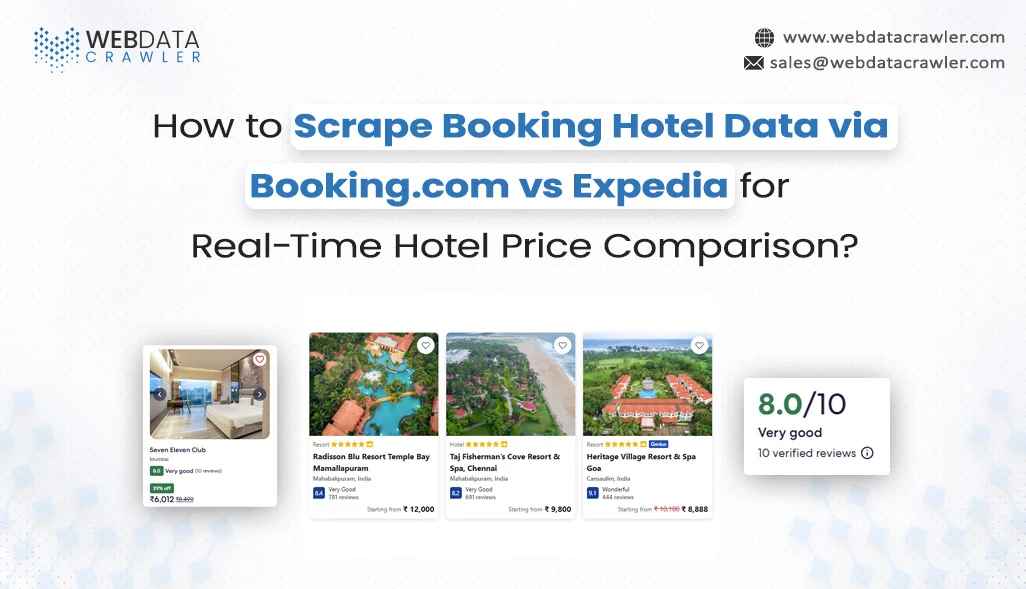
Hotel price comparisons become clearer when you Scrape Booking Hotel Data via Booking.com vs Expedia, tracking room rates, availability, amenities, and offers. Comparing both platforms helps travel companies identify pricing differences, monitor accommodation trends, and organize hotel information for analytics, competitive research, and smarter pricing decisions.
Modern travel businesses increasingly collect structured accommodation information across multiple booking platforms. Expedia Travel Data Scraping Services can support the collection of hotel names, room categories, prices, ratings, policies, and availability. Similarly, Booking-focused extraction can create consistent datasets for comparing properties across destinations and travel dates.
A systematic comparison also helps businesses identify price fluctuations, promotional offers, and changes in room availability. With automated collection, analysts can organize large volumes of accommodation information into usable datasets and dashboards. This makes recurring monitoring more practical while reducing the effort required for manual hotel price research.
Strategic Frameworks for Comparing Hotel Rates Across Booking Platforms
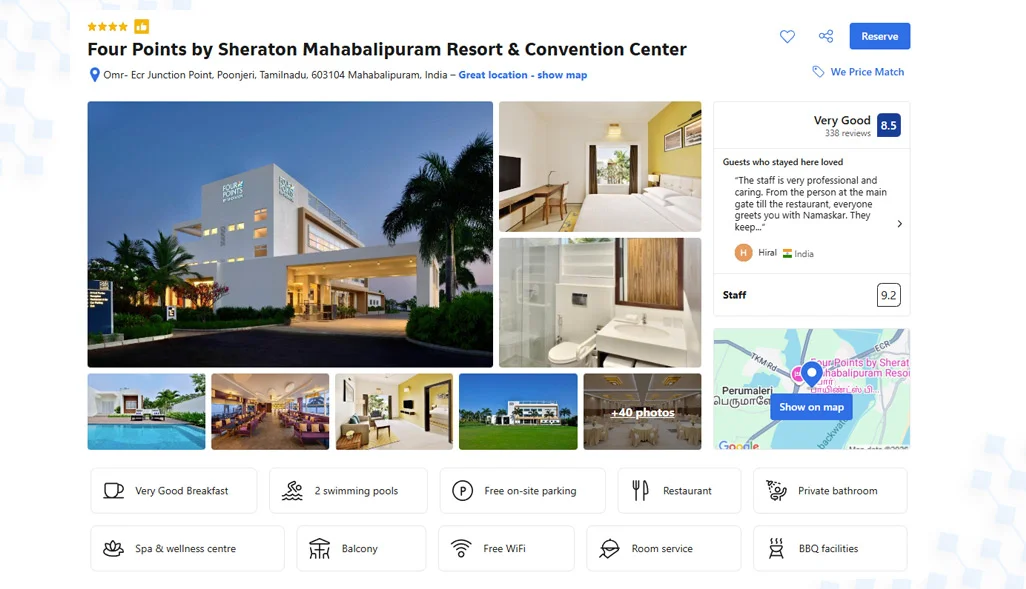
Hotel price comparison requires consistent collection of room rates, occupancy details, cancellation policies, property amenities, and promotional offers. Booking Hotel Price Scraping can help organize these variables into structured records, making it easier for analysts to compare similar properties across both platforms. Consistent fields also reduce discrepancies during recurring price checks and make historical comparisons more practical.
Travel companies can examine the same hotel across different destinations, room categories, guest counts, and travel dates. Booking.com Travel Data Scraping Services can support systematic collection of accommodation information, allowing businesses to organize property names, ratings, room types, policies, and availability alongside pricing details. This creates a clearer foundation for comparing equivalent hotel offerings across booking platforms.
Comparison Area, Purpose, and Business Use:
| Comparison Area | Purpose | Business Use |
|---|---|---|
| Room Rates | Identify price variations | Pricing analysis |
| Room Types | Compare accommodation options | Inventory research |
| Availability | Track booking conditions | Demand monitoring |
| Amenities | Compare included facilities | Property analysis |
| Policies | Review booking conditions | Customer research |
Businesses can also analyze how prices change according to weekdays, weekends, seasons, destinations, and room categories. Tracking these variations over multiple dates helps analysts identify recurring pricing patterns. For example, monitoring several hundred properties can produce thousands of individual observations, giving travel businesses a broader view of accommodation pricing behavior.
- Compare equivalent room categories across platforms
- Track availability changes across selected dates
- Monitor accommodation policies and amenities
- Organize recurring pricing observations for analysis
Automated collection further reduces the need for repetitive manual checks across different hotel pages. Analysts can combine current records with historical snapshots to evaluate price movements and promotional changes. This approach creates a more organized comparison process, supporting travel research, competitor monitoring, pricing intelligence, and reporting activities without changing the underlying structure of the collected hotel information.
Advanced Methods for Structuring Expedia Hotel Pricing Intelligence
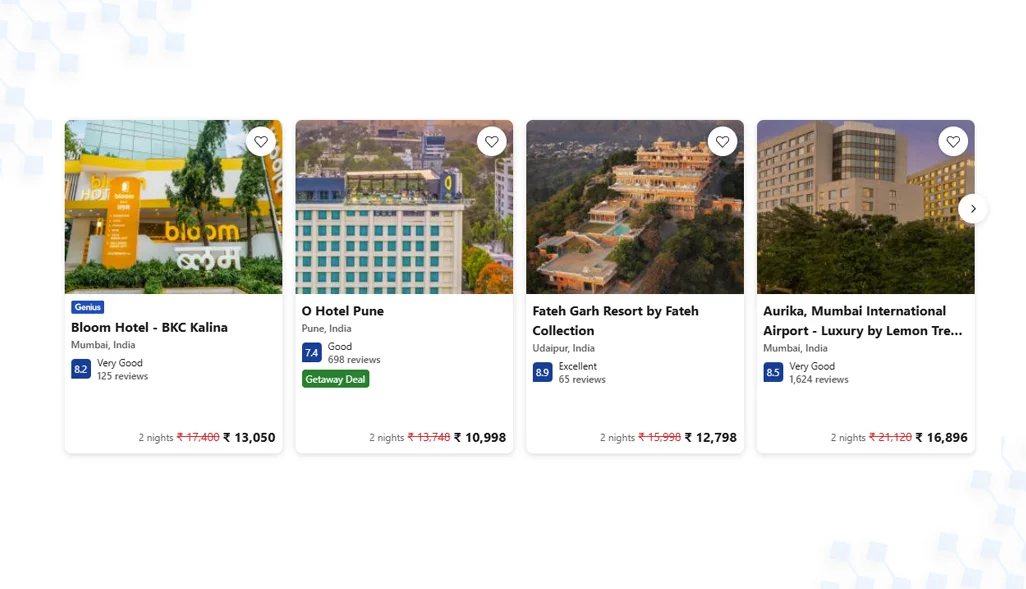
A structured hotel dataset provides a practical foundation for analyzing accommodation prices, availability, ratings, room categories, and booking conditions. Businesses can Scrape Expedia Hotel Dataset records to organize information into standardized fields that support comparisons across properties and destinations. Consistent data structures also make it easier to identify differences between similar accommodation options.
Hotel information becomes more useful when collected with destination, property, room, and booking-date context. The Expedia Travel Dataset can provide organized records for examining hotel pricing trends, promotional patterns, availability changes, and property characteristics. Analysts can combine these observations with historical records to understand how accommodation values change throughout different booking periods.
Dataset Component, Analytical Purpose, and Example Application:
| Dataset Component | Analytical Purpose | Example Application |
|---|---|---|
| Property Details | Identify hotels | Inventory analysis |
| Room Information | Categorize accommodation | Product comparison |
| Price Records | Examine rate movements | Pricing research |
| Ratings | Assess customer perception | Market analysis |
| Availability | Monitor inventory | Demand tracking |
Historical datasets can become particularly useful when businesses collect information at regular intervals. For example, tracking 500 properties over several weeks can create thousands of records that reveal changes in room prices, availability, promotions, and booking conditions. Such records allow analysts to compare current observations against previous snapshots instead of relying on isolated price checks.
- Organize hotel records by destination
- Separate room types and accommodation categories
- Track historical price observations
- Monitor availability and promotional changes
Businesses can also organize the collected information according to destination, hotel category, room type, or travel period. This segmentation makes it easier to identify pricing patterns within specific markets. When combined with dashboards or analytical tools, structured hotel datasets can support reporting, competitive research, demand analysis, and broader travel-market intelligence while maintaining a consistent format for ongoing evaluation.
Continuous Insights Through Automated Hotel Availability Monitoring Systems
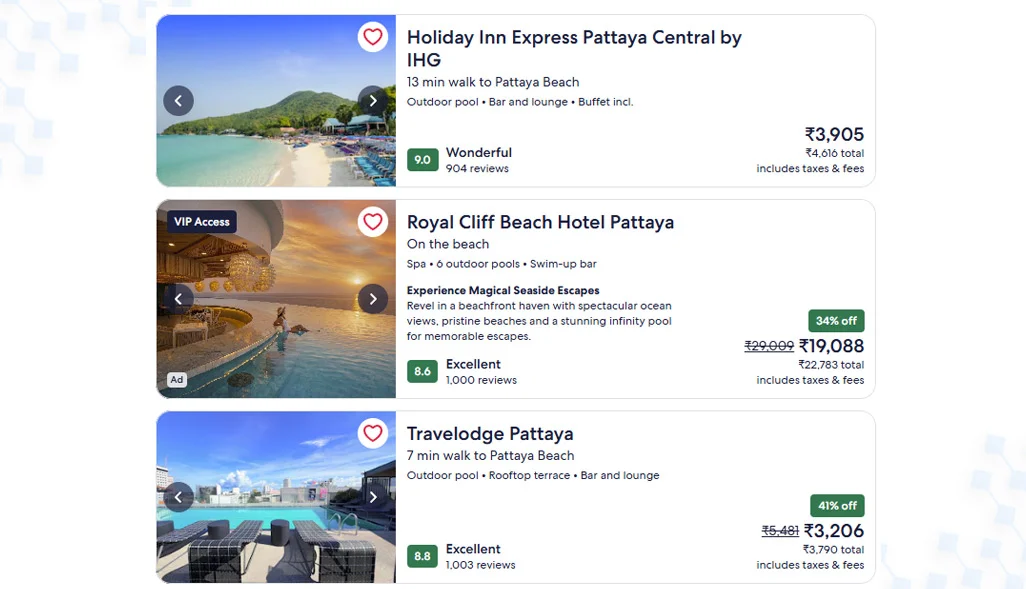
Continuous hotel monitoring helps businesses understand how accommodation prices and availability change throughout the booking cycle. By collecting structured records from multiple booking sources, analysts can examine room rates, property information, cancellation conditions, amenities, and promotional changes. Regular observations make it easier to identify patterns that may not appear during one-time manual research.
Businesses can Scrape Expedia Hotel Data to capture changing hotel information at scheduled intervals and compare new observations with earlier records. This process can identify differences in room prices, availability, property ratings, and booking conditions. Recurring collection also creates a timeline that analysts can use to examine how accommodation information develops over specific travel periods.
Monitoring Factor, Tracking Objective, and Analysis Benefit:
| Monitoring Factor | Tracking Objective | Analysis Benefit |
|---|---|---|
| Prices | Identify rate movements | Trend analysis |
| Availability | Monitor inventory | Demand insights |
| Promotions | Detect special offers | Market research |
| Amenities | Track property updates | Content comparison |
| Policies | Observe booking changes | Customer analysis |
Historical information from Booking.com Travel Dataset records can further support destination-level analysis by providing structured observations for different properties and booking periods. Businesses can compare current information against previous snapshots to identify recurring patterns, unusual changes, or differences between accommodation categories.
- Schedule recurring hotel information collection
- Track price and availability changes
- Compare current and historical observations
- Organize destination-specific hotel records
Regular monitoring is particularly useful for travel companies managing large hotel inventories across multiple destinations. Instead of manually revisiting individual listings, teams can work with standardized records collected at defined intervals. These records can then feed analytical dashboards, pricing reports, or internal databases, making it easier to evaluate accommodation trends and maintain updated information for ongoing business analysis.
How Web Data Crawler Can Help You?
Businesses handling hotel information can use automated crawling workflows to collect structured accommodation data from multiple pages and destinations. With Scrape Booking Hotel Data via Booking.com vs Expedia, teams can organize room rates, availability, property details, and offers into standardized datasets for analysis.
We can support recurring extraction and help maintain consistent data fields across large hotel inventories. Key capabilities include:
- Automated collection across selected hotel pages
- Structured extraction of room and property details
- Scheduled monitoring for recurring updates
- Data organization for analytical workflows
- Destination-wise hotel information management
- Export-ready datasets for business reporting
A centralized workflow can reduce repetitive manual research and make large-scale hotel comparisons easier to maintain. Businesses can also apply Hotel Price Comparison Scraping Service capabilities to organize pricing information into formats suitable for dashboards, reports, and competitive analysis.
Conclusion
Real-time accommodation analysis depends on consistent data collection, structured records, and recurring monitoring. Scrape Booking Hotel Data via Booking.com vs Expedia can help businesses compare room prices, availability, amenities, and promotional information across major booking platforms.
A systematic workflow also supports better historical analysis and recurring price checks. Hotel Price Monitoring Scraping Service can help organize changing hotel information into usable datasets for travel analytics and competitive research. Contact Web Data Crawler today to discuss your hotel data collection requirements and build a structured solution for ongoing price comparison and monitoring.