
What Drives Better Retail Brand Inventory Intelligence Using Quick Commerce Data Across Markets?
June 25
Introduction
Modern retail ecosystems are evolving rapidly as demand cycles shorten and customer expectations rise across digital-first channels. Brands today need precise visibility into product movement, stock availability, and fulfillment efficiency to remain competitive in fragmented markets. This shift is especially visible in hyperlocal delivery ecosystems where inventory changes in real time and traditional reporting tools fail to keep up.
In this environment, Retail Brand Inventory Intelligence Using Quick Commerce Data becomes essential for understanding how products behave across platforms, regions, and demand spikes. It helps brands align supply strategies with actual consumption patterns rather than assumptions.
Additionally, Web Scraping Quick Commerce Data enables structured extraction of real-time signals from multiple marketplaces, giving retailers a unified intelligence layer. Retailers can detect gaps between expected and actual inventory flow, helping reduce both overstock and stockouts. This intelligence also supports faster decision-making across procurement and distribution teams, ensuring smoother operations across competitive retail environments.
Improving Stock Flow Across Digital Retail Channels

Retail ecosystems operating across fast delivery networks face constant volatility in product movement, making it difficult for brands to maintain synchronized stock visibility across platforms. To address these gaps, modern retail systems integrate structured data access layers such as Quick Commerce Product Availability Data API for Retail Analytics, which enables accurate extraction of SKU-level availability metrics.
Additionally, Quick Commerce Data APIs Every Retail Brand provides standardized access to real-time inventory updates, helping unify fragmented marketplace data into a single analytical framework for improved decision-making and operational planning.
When applied effectively, this approach enhances replenishment accuracy, reduces stockouts, and improves forecasting efficiency. Retailers gain better visibility into product movement trends, enabling faster response to demand spikes and regional variations. The integration of automated data systems ensures consistent tracking across platforms, improving both agility and supply chain responsiveness in highly competitive retail environments.
| Platform | SKU Availability | Update Speed | Demand Trend |
|---|---|---|---|
| A | High | 5 min | Rising |
| B | Medium | 10 min | Stable |
| C | Low | 3 min | Volatile |
Overall, brands that adopt unified intelligence systems can reduce inefficiencies, improve demand alignment, and strengthen cross-market performance visibility. This structured approach ensures that inventory decisions are not based on static reports but on continuously updated signals, enabling smarter allocation strategies and better customer satisfaction across rapidly changing retail ecosystems globally.
Building Unified Insights From Fragmented Sources
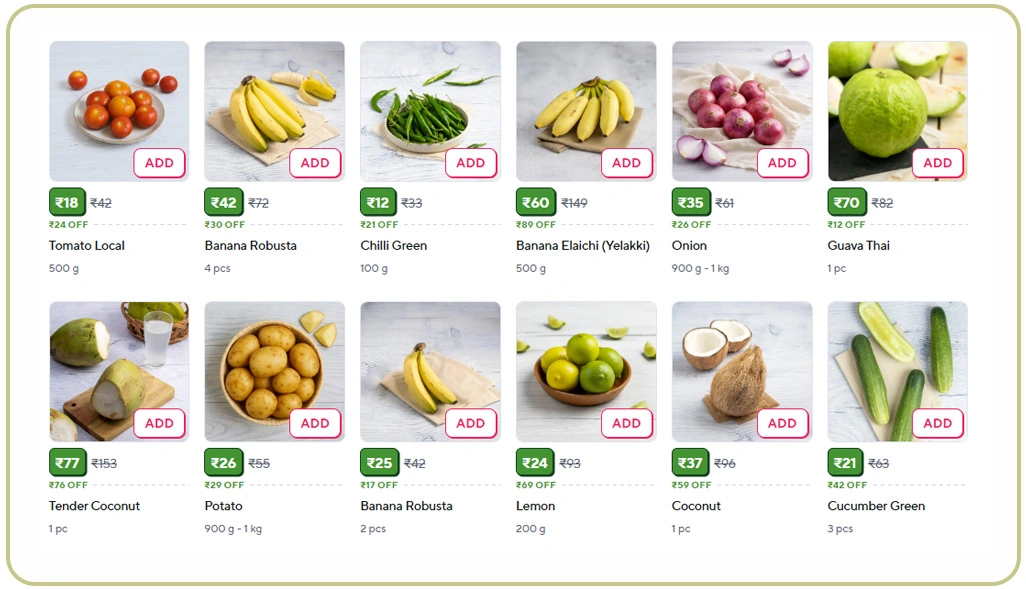
Retail organizations operating in quick commerce environments often face inconsistent data formats across platforms, which makes it difficult to generate unified insights for inventory planning and demand prediction. Variations in SKU naming, availability reporting, and update frequency lead to fragmented analytics pipelines.
A key advancement in retail analytics is the use of Retail Market Intelligence for Quick Commerce Data Scraping, which helps organizations identify demand clusters, monitor category-level performance, and refine product placement strategies. Combined with structured ingestion systems, retailers can improve data consistency and reduce analytical delays.
Another important dimension is the utilization of Quick Commerce Datasets, which provide historical insights into stock movements, seasonal demand fluctuations, and SKU performance trends. Organizations can leverage them to enhance category optimization, improve replenishment cycles, and strengthen demand prediction models across multiple retail environments.
| Data Type | Source | Insight |
|---|---|---|
| Stock Trends | APIs | Demand shifts |
| SKU History | Datasets | Seasonality |
| Availability | Feeds | Market response |
These insights significantly improve decision-making speed and operational clarity, allowing retailers to align stock availability with real-time demand signals while reducing inefficiencies in inventory distribution across markets effectively.
Strengthening Pricing And Stock Visibility Systems
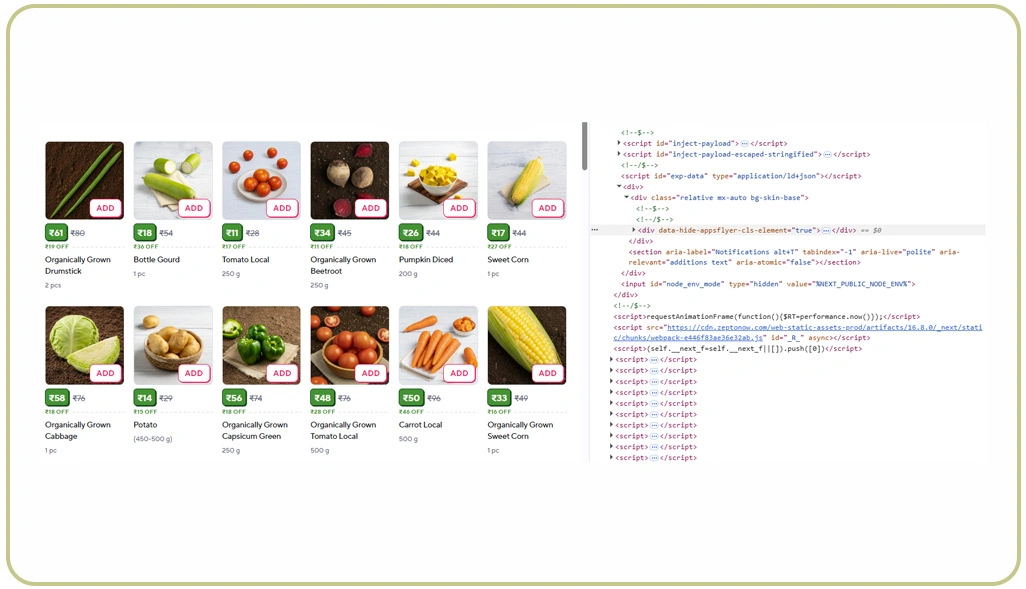
Retailers operating in highly dynamic delivery ecosystems face continuous fluctuations in both pricing and stock availability, which directly impacts profitability and market positioning. A crucial capability for modern retail intelligence is Competitive Product Availability Monitoring in Quick Commerce, which allows brands to track competitor stock levels and identify gaps in product distribution.
Alongside this, Quick Commerce Data API for Market Research provides structured access to real-time and historical market signals, enabling better forecasting and strategic planning. These systems help retailers respond faster to market shifts, optimize pricing decisions, and maintain competitive positioning in fast-changing retail environments.
Market competitiveness further depends on Competitor Price Monitoring, which helps retailers analyze pricing strategies across competitors and adjust their own offerings accordingly. When combined with real-time inventory intelligence, it strengthens overall market adaptability and ensures sustained performance in volatile retail conditions.
| Factor | Insight | Impact |
|---|---|---|
| Pricing | Competitor trends | Margin control |
| Availability | Stock gaps | Demand capture |
| Market | Movement signals | Strategy shift |
This integrated approach ensures smarter decision-making across pricing and inventory functions. Retail Brand Inventory Intelligence Using Quick Commerce Data ultimately enhances operational resilience and supports scalable growth across competitive markets. This enables faster alignment between supply signals and consumer demand patterns.
How Web Data Crawler Can Help You?
Modern retail ecosystems require continuous data ingestion to maintain accurate inventory intelligence across fast-moving platforms. Retail Brand Inventory Intelligence Using Quick Commerce Data becomes significantly more effective when automated systems are deployed for structured data extraction and transformation.
Key capabilities include:
- Continuous extraction of product availability updates
- Normalization of multi-platform inventory formats
- Real-time monitoring of SKU-level changes
- Automated detection of stock fluctuations
- Integration with analytics dashboards
- Scalable data collection across regions
These capabilities help retail teams build stronger forecasting models and improve supply chain responsiveness. When combined with Retail Market Intelligence for Quick Commerce Data Scraping, businesses can achieve deeper visibility into market behavior and competitor movement, ensuring more informed and timely retail decisions.
Conclusion
Retail organizations operating in fast-paced digital commerce ecosystems must prioritize intelligence systems that improve visibility and responsiveness. Retail Brand Inventory Intelligence Using Quick Commerce Data enables businesses to align inventory strategies with real-time consumer demand patterns, reducing inefficiencies across supply chains.
When combined with Quick Commerce Product Availability Data API for Retail Analytics, brands can improve forecasting accuracy and optimize replenishment cycles across multiple regions. Implement data-driven inventory intelligence today with Web Data Crawler to transform retail performance and stay ahead in dynamic quick commerce markets.