


How Can Restaurant Reviews Scraping Service Extract Ratings and Reviews for Sentiment Analysis?
Sep 30
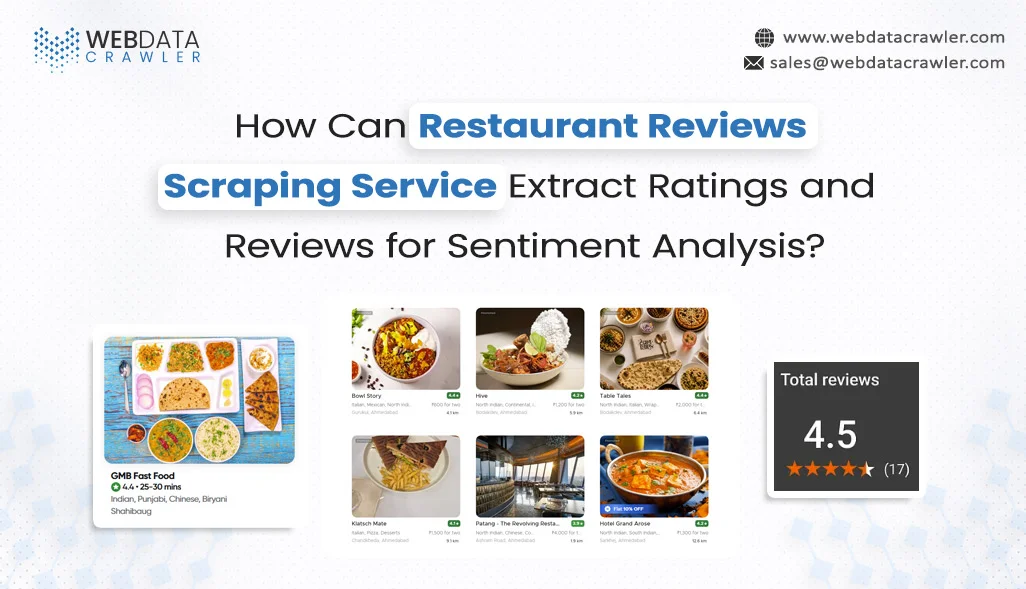
Introduction
Restaurant feedback contains valuable signals about food quality, service, pricing, delivery, ambience, and customer expectations. Businesses can collect these signals from multiple digital platforms and organize them into structured datasets for recurring analysis. Restaurant Reviews Scraping Service helps gather ratings, written feedback, review dates, restaurant details, and related attributes.
Manual review collection becomes difficult when businesses monitor thousands of restaurants across different locations. Automated Web Scraping Food Data workflows can capture publicly available review information consistently while reducing repetitive collection work. The resulting data can support sentiment classification, complaint identification, rating comparisons, and customer experience analysis.
A structured review pipeline also makes it easier to identify recurring themes across large volumes of feedback. Ratings can be normalized, review text can be cleaned, and sentiment indicators can be categorized into positive, neutral, or negative groups. This creates a practical foundation for measuring customer perception and supporting restaurant performance analysis.
Smarter Feedback Structuring Methods for Accurate Restaurant Sentiment Analysis
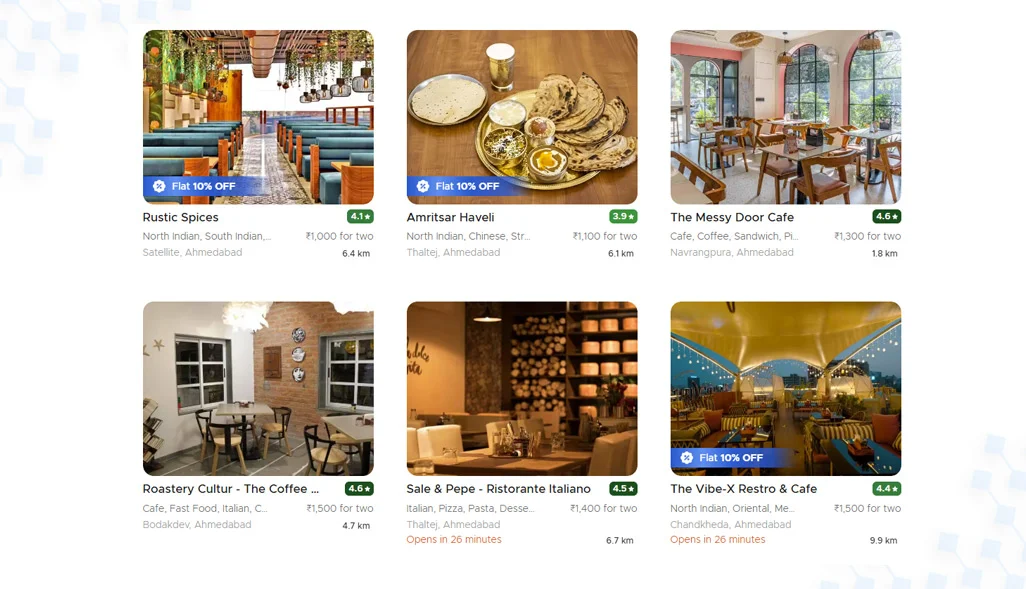
Restaurant reviews often contain detailed information beyond simple star ratings. Customers may discuss food taste, portion sizes, staff behavior, cleanliness, packaging, delivery speed, pricing, and overall experience. Bringing these details into a structured format allows analysts to examine individual feedback alongside broader rating patterns. This organized approach also makes recurring customer concerns easier to classify.
For example, Zomato Restaurant Reviews Scraping can supply review records that include ratings, written opinions, restaurant details, dates, and other available attributes. Once these records are collected, businesses can clean unnecessary characters, standardize fields, remove duplicates, and prepare the information for sentiment processing. Such preparation creates consistency across large review volumes.
Several activities can strengthen the overall preparation process:
- Collect review text and rating information systematically
- Standardize dates, locations, and restaurant identifiers
- Remove duplicate or incomplete records
- Categorize reviews according to sentiment and topics
- Prepare structured outputs for analytical systems
The resulting datasets can support restaurant comparisons across locations, cuisines, service categories, and customer segments. Food and Restaurant Datasets can also provide a broader foundation by combining review information with other restaurant attributes. Analysts can then connect customer opinions with operational or market-level information and identify relationships between ratings, recurring complaints, and customer experience indicators.
| Data Element | Analytical Role |
|---|---|
| Star Rating | Measures customer satisfaction |
| Review Text | Captures detailed opinions |
| Review Date | Tracks feedback over time |
| Restaurant Name | Supports restaurant-level comparison |
| Location | Enables geographic analysis |
Advanced Data Integration Strategies for Comprehensive Restaurant Review Analysis
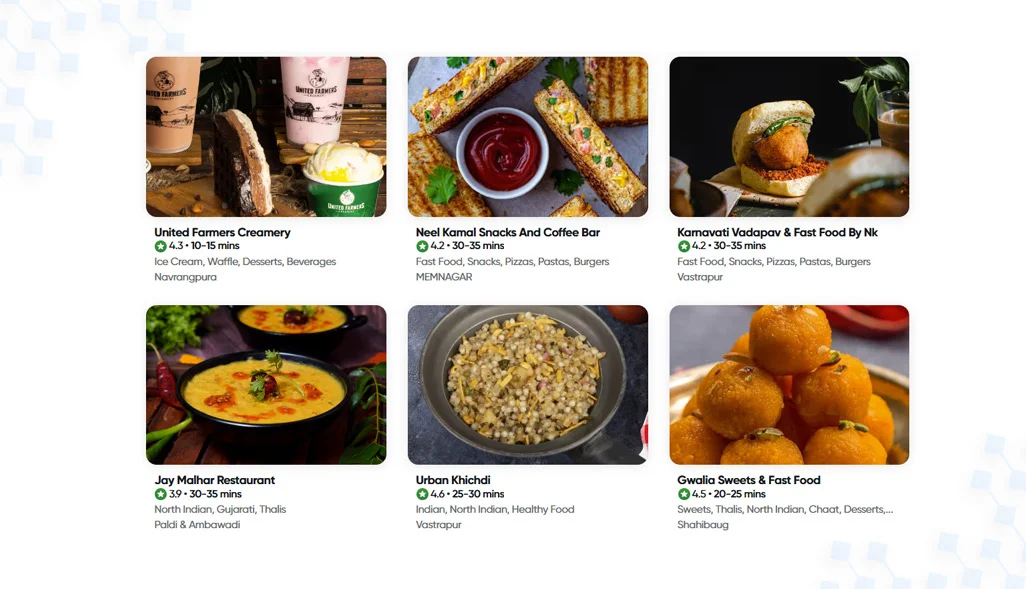
Restaurant feedback can appear across several platforms, and each source may follow different structures for ratings, written reviews, dates, restaurant information, and location details. Combining these sources requires consistent collection and normalization methods. A centralized workflow can bring separate records together while preserving important source-level information for comparison and analysis.
During this process, Swiggy Restaurant Reviews Scraping can contribute another stream of customer feedback for businesses monitoring restaurant experiences across platforms. Review text can be cleaned and standardized before sentiment classification, while rating scales can be converted into a consistent structure. This helps analysts compare feedback without treating every platform's formatting as identical.
A scalable workflow can include several important processing activities:
- Identify relevant review sources and restaurant pages
- Capture available ratings and written feedback
- Normalize different rating structures
- Clean repetitive or irrelevant text elements
- Organize records according to restaurant and location
- Prepare updated information for recurring analysis
After normalization, analysts can examine sentiment patterns across restaurants, cities, cuisines, and service categories. A Scraping API Services can connect recurring data collection with databases, dashboards, or internal analytical applications. This reduces manual movement between collection and analysis stages while supporting structured data delivery for teams that require frequent updates.
| Processing Stage | Expected Output |
|---|---|
| Source Collection | Raw review information |
| Data Cleaning | Refined records |
| Rating Normalization | Comparable rating values |
| Sentiment Classification | Categorized feedback |
| Data Delivery | Analysis-ready datasets |
This combined approach also makes it easier to identify differences between platforms and understand whether particular customer concerns appear consistently across multiple sources.
Strategic Review Intelligence for Multi-Location Restaurant Performance Monitoring
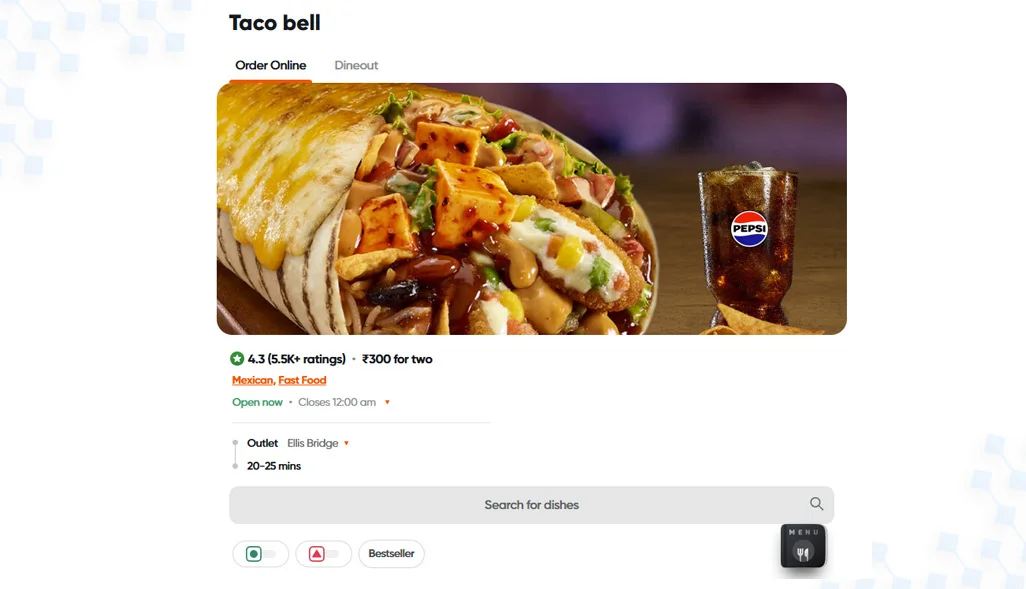
Large restaurant groups and market research teams often need to monitor feedback across multiple branches, cities, cuisines, and service formats. Handling this information manually can create inconsistent records and make recurring analysis difficult. Automated workflows provide a repeatable structure for collecting and organizing large volumes of customer feedback for ongoing evaluation.
For broader monitoring projects, Restaurant Rating Dataset Scraping can support the creation of organized records containing ratings, review information, restaurant identifiers, locations, and other available fields. Analysts can use these datasets to compare branch-level performance, identify changing customer preferences, and examine recurring themes across different geographic markets.
A structured review intelligence workflow can support activities such as:
- Monitor customer feedback across selected locations
- Compare ratings between restaurant branches
- Identify frequently discussed customer concerns
- Track changes in review sentiment
- Group feedback by cuisine or service type
- Prepare recurring datasets for analytical teams
Once the data is organized, analysts can evaluate subjects such as food consistency, service quality, waiting times, delivery experiences, cleanliness, and perceived value. A Scraping API can integrate recurring extraction with existing databases or analytical environments, making it easier to transfer updated records into reporting workflows. This connection supports continuous analysis without rebuilding the collection process for every reporting cycle.
| Analysis Area | Useful Measurement |
|---|---|
| Customer Sentiment | Sentiment distribution |
| Food Experience | Food-related mentions |
| Service Quality | Service-related feedback |
| Location Performance | Branch-level ratings |
| Delivery Experience | Delivery-related mentions |
With consistent historical records, businesses can also compare feedback periods and identify shifts following menu changes, operational adjustments, promotional campaigns, or other customer-facing initiatives.
How Web Data Crawler Can Help You?
A structured data partner can simplify the process of collecting, cleaning, organizing, and delivering restaurant feedback from multiple public sources. A Restaurant Reviews Scraping Service can be configured around selected platforms, restaurant categories, locations, and required fields. This allows businesses to build datasets aligned with their specific sentiment analysis requirements.
We can support the workflow through:
- Identify relevant restaurant and review sources
- Configure collection around required data fields
- Capture ratings, review text, and supporting metadata
- Remove duplicate or inconsistent records
- Standardize formats for analytical use
- Deliver structured datasets through suitable formats
The resulting data can support customer experience teams, restaurant operators, market researchers, analytics companies, and food-tech businesses. Depending on the project scope, datasets can include restaurant information, ratings, review content, timestamps, location attributes, and category-level details. Uber Eats Restaurant Reviews Scraping can also be incorporated when multi-platform restaurant feedback is required for comparative analysis.
Conclusion
Customer reviews provide detailed signals that can support restaurant performance and customer experience analysis when collected in a structured manner. A Restaurant Reviews Scraping Service can organize ratings and review text into usable datasets, enabling teams to identify sentiment patterns, recurring concerns, and location-level differences more efficiently.
When feedback is gathered across multiple platforms, businesses can build a broader analytical foundation for understanding customer opinions. How to Extract Restaurant Ratings and Review Sentiment at Scale becomes more practical when collection, cleaning, normalization, and classification are connected within one repeatable workflow. Contact Web Data Crawler today to discuss your restaurant review data requirements and request a customized dataset.