


Why Does Restaurant Menu Data Extraction Without Getting Blocked Matter for Reliable Menu Data?
Sep 21
Introduction
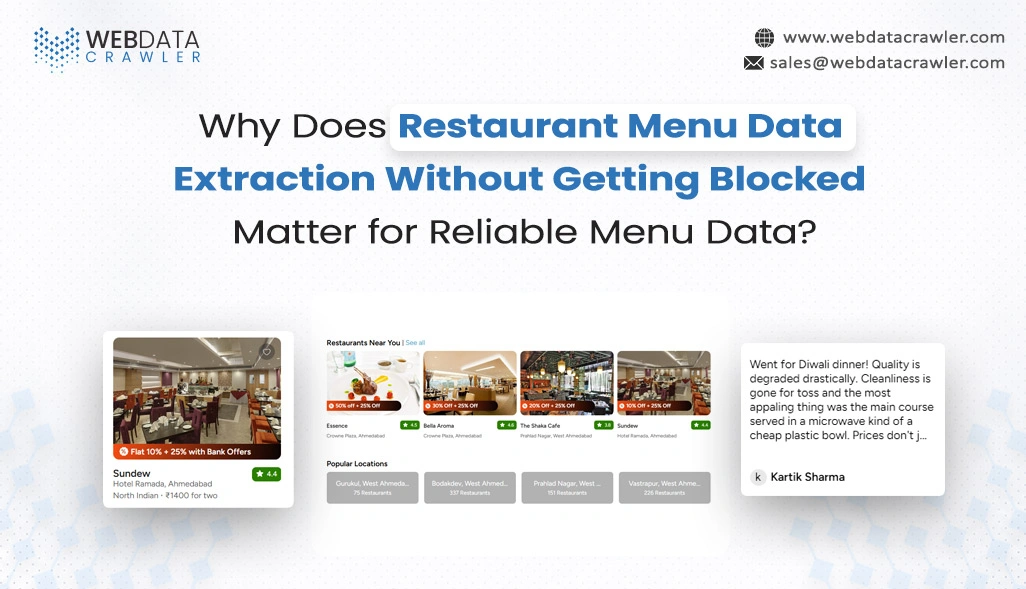
Restaurant menu information changes frequently as dishes, prices, portions, ingredients, availability, and dietary labels are updated across digital platforms. For businesses collecting this information at scale, Restaurant Menu Data Extraction Without Getting Blocked helps maintain steady access while reducing interruptions that can create missing records and inconsistent datasets.
Reliable menu collection supports pricing analysis, competitor monitoring, location-based comparisons, and customer trend studies. Using Food and Restaurant Datasets, teams can organize menu names, categories, prices, descriptions, ratings, and availability into structured records. A dependable extraction process also makes historical comparisons easier when restaurant offerings change across locations.
Blocked requests can create gaps that weaken downstream analysis, especially when data is collected repeatedly from many restaurant pages. Practical request management, respectful crawling patterns, validation, and structured storage can improve continuity. The objective is not aggressive access, but a controlled process that produces accurate, usable menu data over time.
Controlled Collection Practices Improve Menu Data Reliability
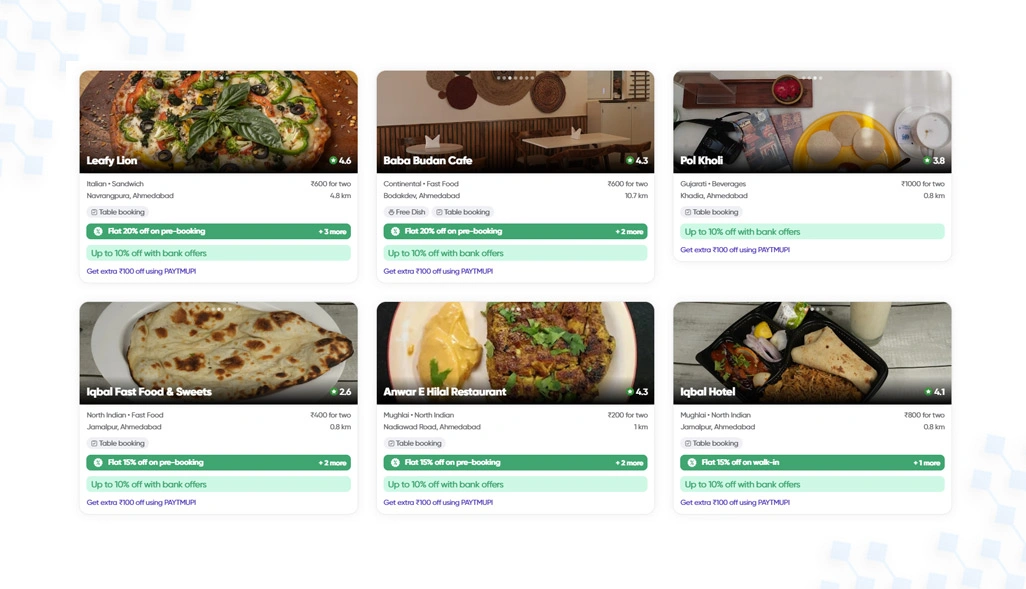
Restaurant menu extraction becomes more dependable when collection workflows are designed around consistency, controlled requests, and structured monitoring. Restaurant Listing Database Scraping can organize restaurant names, locations, menu URLs, categories, and collection timestamps into standardized records. This makes repeated collection easier while helping teams identify missing pages, duplicate records, and unexpected changes before they affect analysis.
A controlled request strategy is equally important when collecting information from large numbers of restaurant pages. Web Scraping Food Data can be performed more consistently by managing request frequency, limiting unnecessary page calls, and applying selective retries when temporary failures occur. For example, a workflow processing 10,000 pages can monitor successful retrieval rates, response codes, and incomplete fields to identify potential collection gaps.
- Monitor retrieval success and failed requests
- Apply controlled request intervals
- Review incomplete records before storage
- Track changes between collection cycles
- Remove duplicate records during validation
Several operational checks can further improve reliability and reduce unnecessary reprocessing. Businesses can track failed URLs, compare newly collected records with previous versions, and flag unusual changes in page structure. A scheduled process can also divide large collections into manageable batches, allowing teams to review performance before expanding the workflow across additional restaurants or locations.
| Monitoring Area | Example Measurement |
|---|---|
| Page retrieval | Successful versus failed pages |
| Request activity | Requests processed per cycle |
| Data completeness | Required fields populated |
| Record consistency | Duplicate and changed entries |
These practices create a stronger foundation for recurring restaurant data collection. Instead of relying on one-time extraction, businesses can establish repeatable workflows that continuously check data quality and identify operational issues. This approach supports dependable menu records while reducing the impact of temporary access interruptions and changing restaurant page structures.
Structured Validation Strengthens Menu Data Consistency
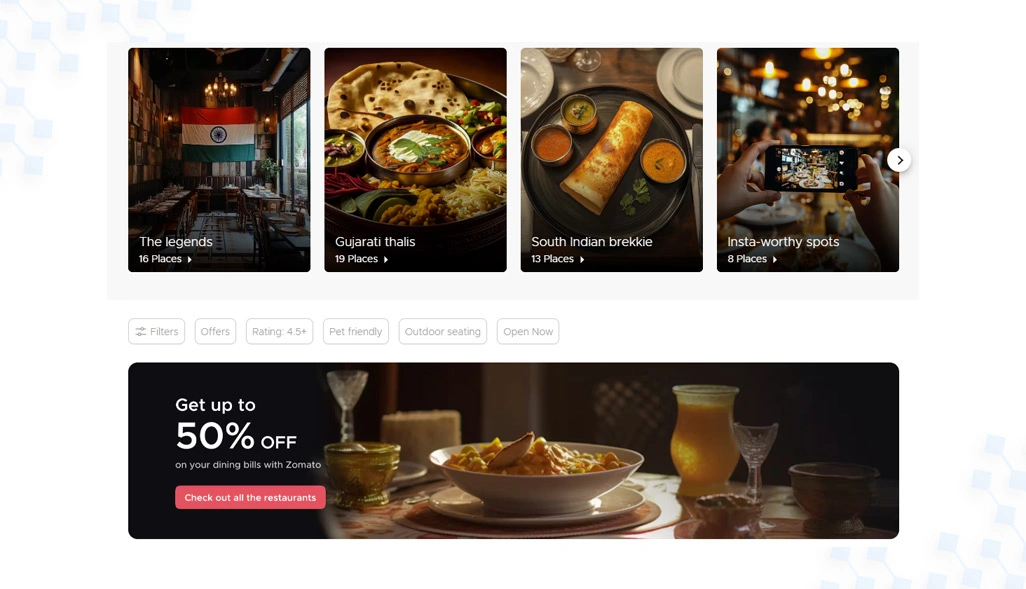
Reliable menu information requires more than successfully retrieving restaurant pages. Each record should be checked for completeness, formatting, duplication, and unexpected values before reaching an analytics environment. Restaurant Market Research Dataset development becomes more useful when menu records follow consistent structures, allowing researchers to compare pricing, categories, item availability, and restaurant offerings across different collection periods.
Field-level validation can identify common problems before they spread throughout a larger dataset. Food Data Scraping workflows can check whether prices contain valid numerical values, menu names are present, categories follow expected formats, and availability fields are populated correctly. For example, if a collection contains 50,000 menu records and 2% require correction, automated validation can identify approximately 1,000 records for review instead of leaving those issues inside the final dataset.
- Check required fields before database insertion
- Identify duplicate menu items
- Validate prices and category formats
- Compare current and previous records
- Flag unusual data changes for review
Historical comparison also plays an important role in maintaining reliable menu information. Teams can store previous versions of records and compare changes in item names, prices, descriptions, categories, and availability. This makes it easier to distinguish genuine restaurant updates from unexpected extraction errors caused by layout changes or incomplete page responses.
| Validation Component | Purpose |
|---|---|
| Price checking | Detect invalid values |
| Duplicate checking | Prevent repeated records |
| Field validation | Maintain required attributes |
| Historical comparison | Identify meaningful changes |
A structured validation process improves the usability of restaurant menu information across reporting and analytics systems. When records are standardized and reviewed before delivery, businesses can reduce manual correction requirements while creating cleaner datasets for pricing analysis, assortment comparisons, location-based research, and ongoing restaurant monitoring.
Efficient Delivery Supports Reliable Restaurant Intelligence Workflows
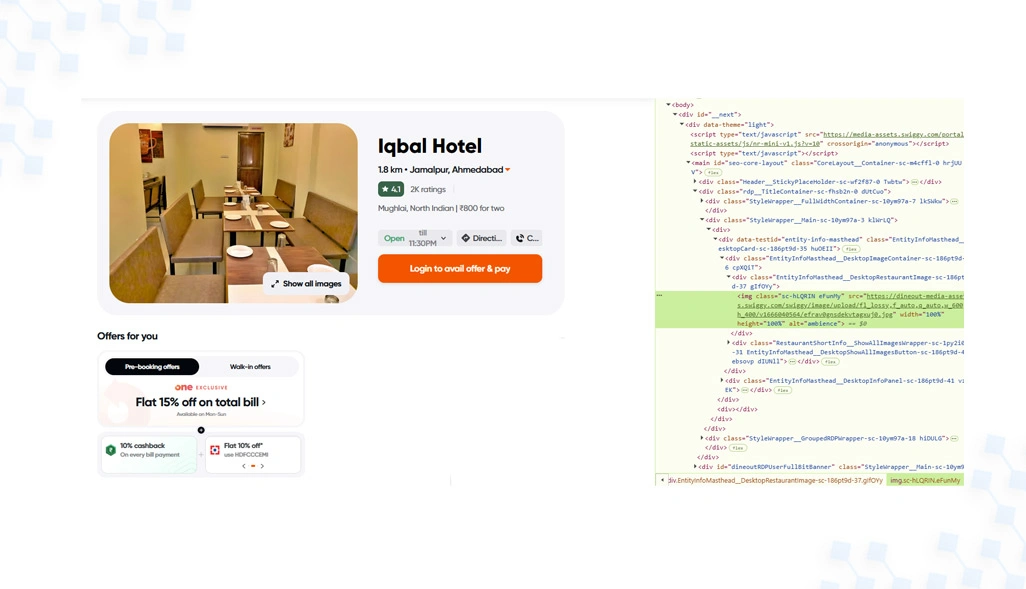
Restaurant data becomes more valuable when collected information can move efficiently into databases, dashboards, and analytical systems. A structured delivery process helps businesses manage recurring updates without repeatedly rebuilding extraction workflows. Restaurant Insights Scraping Service solutions can support this process by organizing collection, validation, scheduling, and output management around specific business requirements.
Scalable delivery also depends on how collected information is transferred and refreshed. A Scraping API can provide structured responses that connect restaurant information with internal applications, databases, or reporting platforms. For example, a workflow monitoring 2,500 restaurant pages daily could generate approximately 75,000 page checks over 30 days, creating a substantial volume of records that benefits from automated processing and standardized outputs.
- Connect structured outputs with analytics systems
- Schedule recurring restaurant data updates
- Monitor response and processing status
- Track schema and field-level changes
- Maintain organized historical records
Operational monitoring can help teams identify delivery issues before they affect business reporting. Response logs, field-level checks, timestamp tracking, and schema monitoring can show whether newly collected records meet expected requirements. When restaurant websites introduce layout or content changes, these signals can help teams identify affected records and adjust collection processes without unnecessarily repeating successful requests.
| Delivery Area | Business Application |
|---|---|
| Structured output | Database integration |
| Scheduled updates | Recurring monitoring |
| Status tracking | Workflow supervision |
| Historical records | Trend comparison |
Consistent delivery ultimately strengthens the wider restaurant intelligence workflow. Restaurant Market Intelligence Data can be organized into refreshed records that support pricing comparisons, assortment monitoring, competitor research, and location-level analysis. With scheduled collection, validation, and structured delivery working together, businesses can maintain reliable information while reducing repetitive manual processing and improving the consistency of downstream reporting.
How Web Data Crawler Can Help You?
We can support structured menu collection by combining scheduled extraction, validation, monitoring, and organized output in one workflow. In the first paragraph, Restaurant Menu Data Extraction Without Getting Blocked can be supported through controlled request volumes, configurable retries, and monitoring that identifies failed pages before large data gaps develop.
Key capabilities include:
- Scheduled collection across selected restaurant pages
- Configurable request intervals for controlled crawling
- Automatic retry handling for temporary failures
- Structured extraction of menu fields and attributes
- Validation checks for missing or duplicate records
- Export-ready datasets for analytics and reporting
For businesses comparing menus across locations, a Restaurant Insights Scraping Service can reduce repetitive collection work and support consistent delivery into databases or dashboards. With clear extraction rules, monitoring, and validation, teams can maintain cleaner menu records and use refreshed data for pricing, assortment, and competitor analysis.
Conclusion
Reliable menu collection depends on consistency, validation, and responsible request management rather than simply retrieving pages at scale. Restaurant Menu Data Extraction Without Getting Blocked supports a more dependable workflow by reducing avoidable interruptions and helping businesses maintain structured records for pricing, availability, assortment, and competitive analysis across changing restaurant menus.
When organized into a repeatable pipeline, Restaurant Market Intelligence Data can support timely comparisons, market studies, and operational reporting without relying on fragmented records. Contact Web Data Crawler today to build a reliable restaurant menu data collection workflow tailored to your business requirements and reporting goals.