
Why Is Restaurant Demand Forecasting With Uber Eats Data Scraping Essential for Restaurants' Growth?
July 2 2026
Introduction
Restaurants operate in a fast-moving delivery economy where customer preferences, menu demand, competitor pricing, and local availability can change throughout the day. Without reliable visibility into these shifts, restaurant teams may overstock ingredients, underprepare popular dishes, misjudge promotional timing, or lose customers to nearby competitors.
Delivery platforms contain valuable information about restaurant performance indicators, including cuisine categories, item availability, delivery areas, menu pricing, customer ratings, promotions, and competitor activity. An Uber Eats Food Data API can support this process by delivering structured marketplace information for faster analysis and reporting.
This approach supports better purchasing decisions, smarter menu planning, improved staffing, and more relevant customer offers. Restaurants can also identify demand gaps across locations and respond to changing customer expectations with greater confidence. Restaurant Demand Forecasting With Uber Eats Data Scraping helps restaurants identify demand signals before they become operational problems.
Improving Demand Planning Through Marketplace Data Analysis
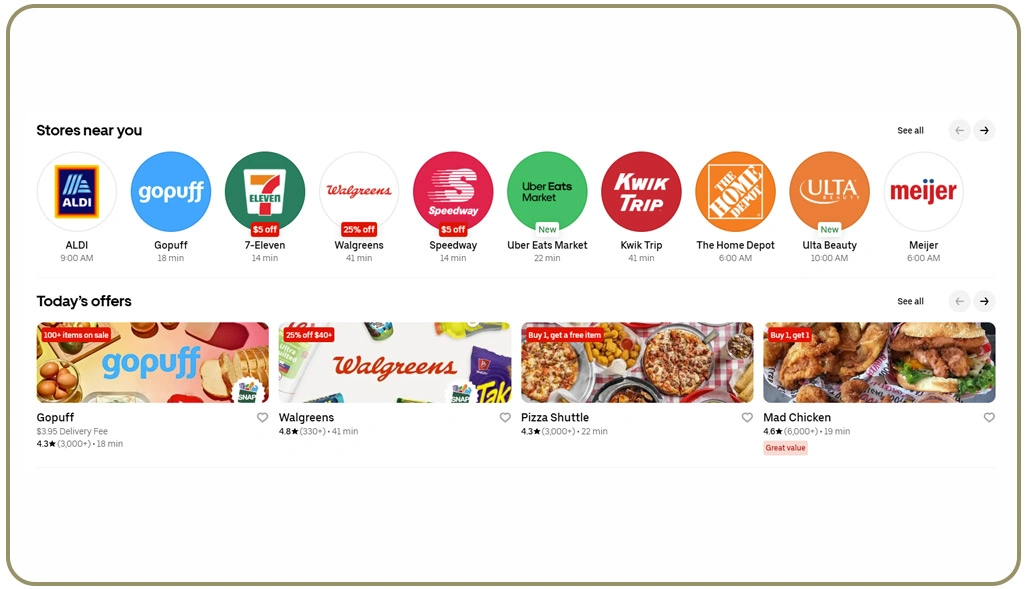
Restaurant demand can shift quickly due to local events, weather conditions, changing consumer preferences, competitor promotions, seasonal menu launches, and delivery platform visibility. Many restaurants identify these movements only after experiencing lower sales, ingredient waste, or missed ordering opportunities. Monitoring external marketplace activity helps teams recognize early demand signals and respond before operational performance is affected.
Using Uber Eats Food Delivery Data Scraping, restaurants can track competitor listings, delivery availability, menu changes, promotional offers, cuisine categories, and customer-facing updates across selected locations. For instance, growing activity around lunch bundles, family meals, healthy dishes, or late-night snacks may indicate changing customer expectations.
Foodservice studies suggest that accurate demand forecasting can reduce food waste by 10% to 20% while improving purchasing efficiency and preparation planning. Restaurants that align inventory levels with expected order volumes can minimize shortages, avoid over-ordering, and improve kitchen productivity during busy periods.
| Demand Signal | Data Point to Monitor | Restaurant Action |
|---|---|---|
| Growing cuisine interest | New competitor listings | Add relevant menu options |
| Price sensitivity | Competitor price changes | Review pricing structure |
| Peak ordering periods | Delivery availability | Adjust staff schedules |
| Promotional activity | Discount frequency | Create targeted offers |
| Item shortages | Availability updates | Improve inventory planning |
Businesses can Scrape Uber Eats Restaurant Listings for Business Growth to compare restaurant names, cuisine tags, ratings, delivery estimates, promotional placements, and local visibility. These insights help brands understand how competitors attract customers in specific neighborhoods.
Building Market Intelligence Through Menu Data Analysis
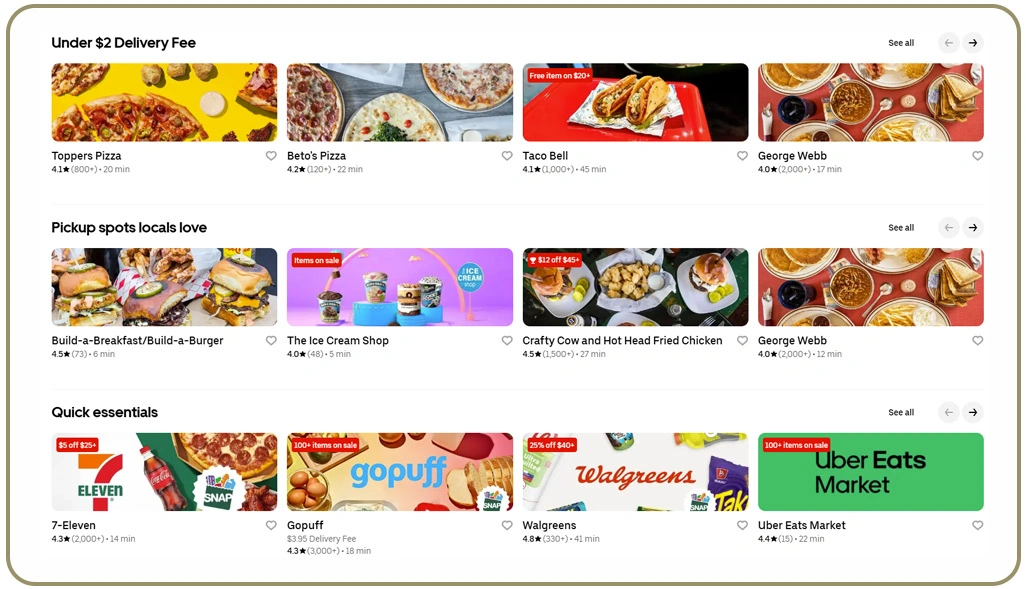
Menu planning becomes more effective when restaurants understand how customers respond to pricing, availability, cuisine trends, and competitor offerings. Internal sales reports can show what customers ordered in the past, but external marketplace information explains how nearby restaurants influence customer choices. This broader perspective helps businesses identify relevant menu opportunities and reduce decisions based only on assumptions.
An Uber Eats Food Data Crawler can collect structured information about menu categories, item descriptions, price ranges, discounts, availability status, and competitor menu updates. For example, growing demand for value meals or meal combinations may encourage a restaurant to introduce similar options that match local customer expectations.
Industry research indicates that menu engineering and pricing optimization can improve restaurant profitability by 10% to 15% when supported by accurate demand insights. Restaurants that regularly assess item performance can identify high-margin dishes, low-performing products, pricing inconsistencies, and opportunities for better bundle creation.
| Menu Area | Marketplace Insight | Business Benefit |
|---|---|---|
| Item pricing | Competitor price comparisons | Better price positioning |
| Product availability | Out-of-stock patterns | Improved stock planning |
| Meal bundles | Promotion monitoring | Higher average order value |
| Cuisine trends | Category growth analysis | Relevant menu development |
| Delivery demand | Peak order periods | Better preparation planning |
Restaurants can Scrape Uber Eats Menu Prices and Availability Data to monitor changing prices, product removals, discounts, and menu additions across competing brands. Additionally, Uber Eats Restaurant Location Data Scraping helps businesses compare menu opportunities by neighborhood.
Supporting Restaurant Growth With Competitive Listing Insights
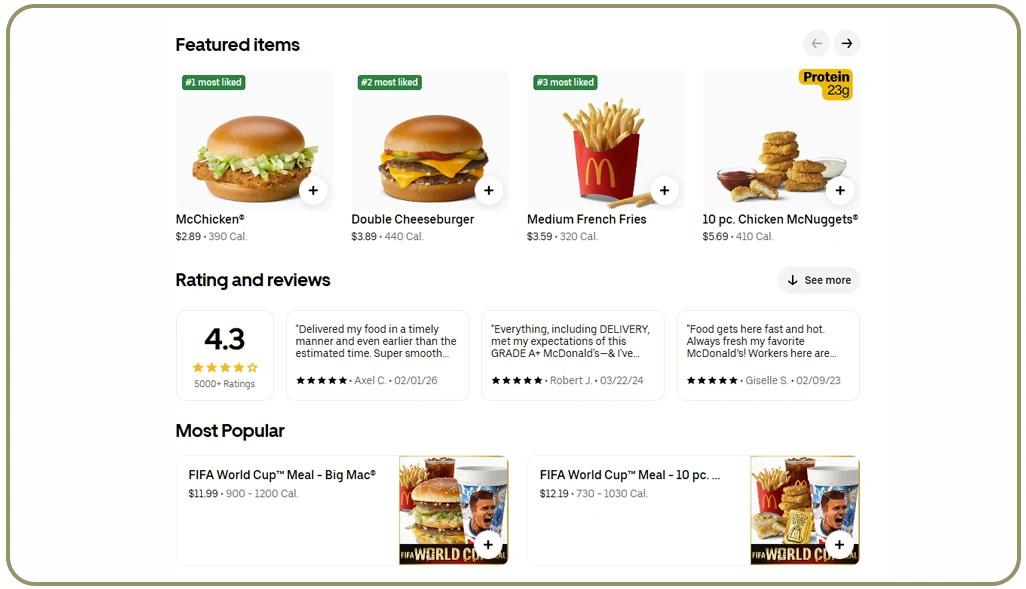
Restaurant growth requires more than reviewing daily sales reports. Businesses must understand how competitors expand, which cuisines attract local demand, how pricing varies by area, and where delivery opportunities remain underserved. Competitive intelligence helps restaurant operators evaluate market conditions before investing in new delivery zones, menu categories, promotions, or physical locations.
An Uber Eats Restaurant Dataset can provide structured information about restaurant density, cuisine availability, delivery coverage, ratings, pricing levels, promotional activity, and customer demand indicators. This data helps businesses identify areas where customers have limited choices for certain cuisines, meal formats, or price points. It also highlights highly competitive markets where brands need clearer differentiation.
Restaurant industry benchmarks show that data-supported location decisions can reduce expansion risk by helping businesses assess demand, competition, and pricing potential before launch. Restaurant Analytics Using Uber Eats Data Extraction allows restaurant teams to compare their market position with competitors.
| Market Factor | Data Insight | Strategic Use |
|---|---|---|
| Restaurant density | Number of active listings | Evaluate competition level |
| Cuisine demand | Category presence | Identify market gaps |
| Price positioning | Average menu prices | Set suitable price ranges |
| Delivery coverage | Service area availability | Plan expansion zones |
| Customer feedback | Ratings and reviews | Improve service quality |
The Uber Eats Food Delivery Data API for Business Intelligence can support automated reporting for multi-location brands by organizing marketplace information into dashboards and forecasting models. Businesses can also use an Uber Eats Restaurant Dataset for Market Insights to evaluate potential expansion areas before committing resources.
How Web Data Crawler Can Help You?
Restaurant operators need dependable data collection systems to understand marketplace changes without manually reviewing hundreds of listings, menus, and delivery zones. Through Restaurant Demand Forecasting With Uber Eats Data Scraping, businesses can transform changing marketplace signals into practical decisions for inventory, menu planning, staffing, and local growth.
Our approach includes:
- Collect competitor listing information across target delivery areas
- Monitor changing menu categories and item availability
- Track pricing updates and promotional activity regularly
- Organize location-level data for comparison and reporting
- Deliver structured datasets for analytics and forecasting teams
- Support customized extraction based on business objectives
The collected data can be integrated into dashboards, reports, and internal forecasting models for faster operational planning. Businesses can use Uber Eats Restaurant Location Data Scraping to evaluate local competition, compare delivery zones, and identify areas with stronger market potential.
Conclusion
Restaurants need timely market visibility to manage changing customer preferences, reduce food waste, and improve delivery performance. Restaurant Demand Forecasting With Uber Eats Data Scraping supports smarter inventory planning, menu optimization, pricing evaluation, and local market analysis by turning delivery marketplace activity into actionable business intelligence.
Better decisions begin with better data. By using Scrape Uber Eats Menu Prices and Availability Data, restaurants can monitor competitor activity, identify customer demand patterns, and improve growth strategies across delivery locations. Contact Web Data Crawler today to build a customized data solution for your restaurant intelligence needs.