


How Do Restaurant Data Intelligence Services Turn Competitor Menus Into Smarter Price Benchmarks?
Sep 11
Introduction
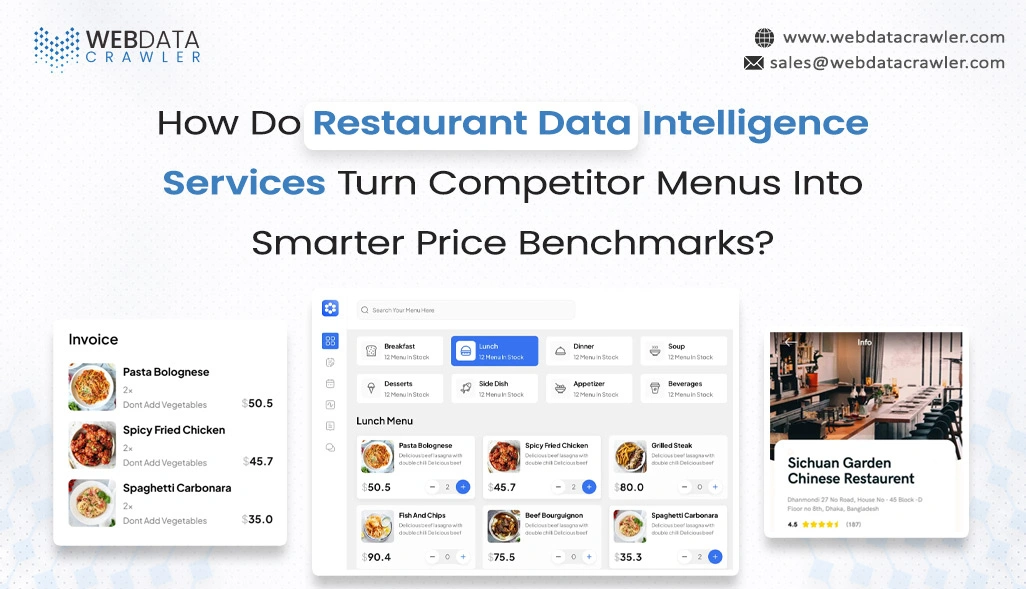
Restaurant pricing decisions increasingly depend on how effectively businesses understand competitor menus, promotional changes, item availability, and regional price differences. Manual comparisons often create fragmented records that make it difficult to identify meaningful pricing patterns across delivery platforms, locations, categories, and customer segments.
With structured Restaurant Data Intelligence Services, restaurant teams can organize competitor menu information into comparable datasets and evaluate pricing movements with greater consistency. Food and Restaurant Datasets can bring together menu names, prices, categories, ratings, discounts, restaurant locations, and availability indicators, creating a stronger foundation for benchmarking and commercial analysis.
This approach also helps businesses identify price gaps without relying on occasional manual checks. By monitoring menu changes at regular intervals, teams can evaluate how competitors position similar dishes, adjust promotional strategies, and identify opportunities for more informed pricing decisions across different markets.
Sharper Menu Signals Reveal Hidden Gaps Across Competitive Restaurant Pricing
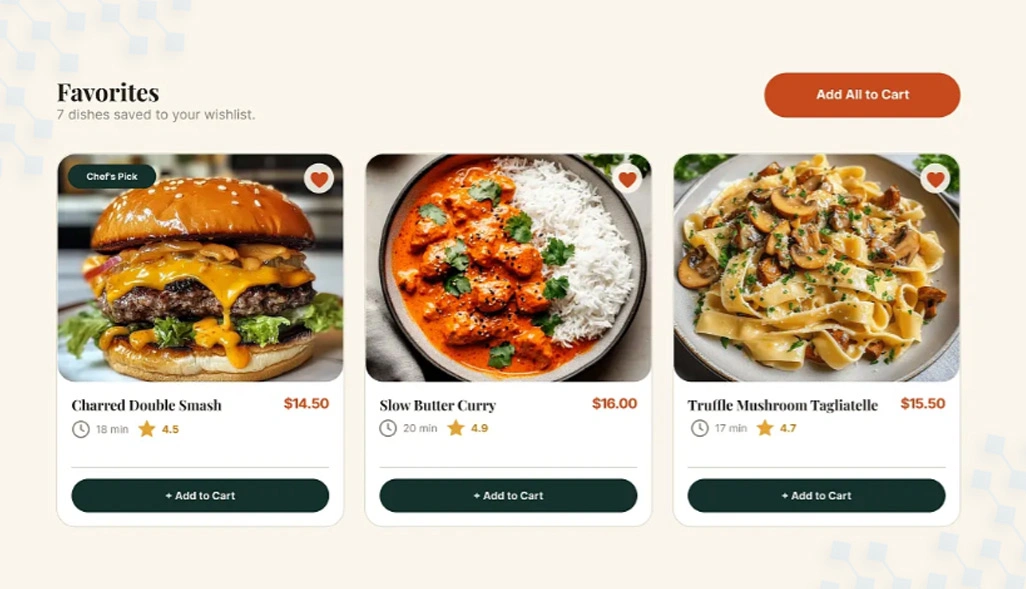
Restaurant menus contain numerous pricing signals that can be difficult to compare manually. Differences in portion sizes, item names, meal combinations, add-ons, and category structures can make similar products appear unrelated. A structured collection process organizes these attributes into consistent records, allowing pricing teams to evaluate comparable dishes across restaurants and locations. This creates a stronger foundation for identifying where a restaurant is positioned above, below, or close to prevailing market levels.
Using Web Scraping Food Data within a structured monitoring workflow can also help capture recurring menu changes rather than relying on occasional manual checks. Historical records make it easier to observe whether a price adjustment is temporary, seasonal, promotional, or part of a longer-term strategy. Analysts can compare multiple observations over time and separate genuine competitive movement from isolated menu changes.
Illustrative Metric, Earlier Process, and Structured Process:
| Illustrative Metric | Earlier Process | Structured Process |
|---|---|---|
| Menu comparison coverage | 45% | 88% |
| Price records reviewed | 1,200 | 4,800 |
| Manual review time | 16 hrs | 6 hrs |
For pricing teams, How Restaurants Can Benchmark Menu Prices Against Competitors becomes more practical when comparable menu records are organized around consistent attributes. Analysts can evaluate average prices, category-level differences, item positioning, and regional variations without repeatedly rebuilding comparison sheets.
Key advantages include:
- Consistent item-level comparisons
- Better regional price visibility
- Faster identification of pricing gaps
- Easier historical price evaluation
- More organized competitive reporting
Cross Platform Pricing Patterns Create Stronger Restaurant Benchmarking Frameworks
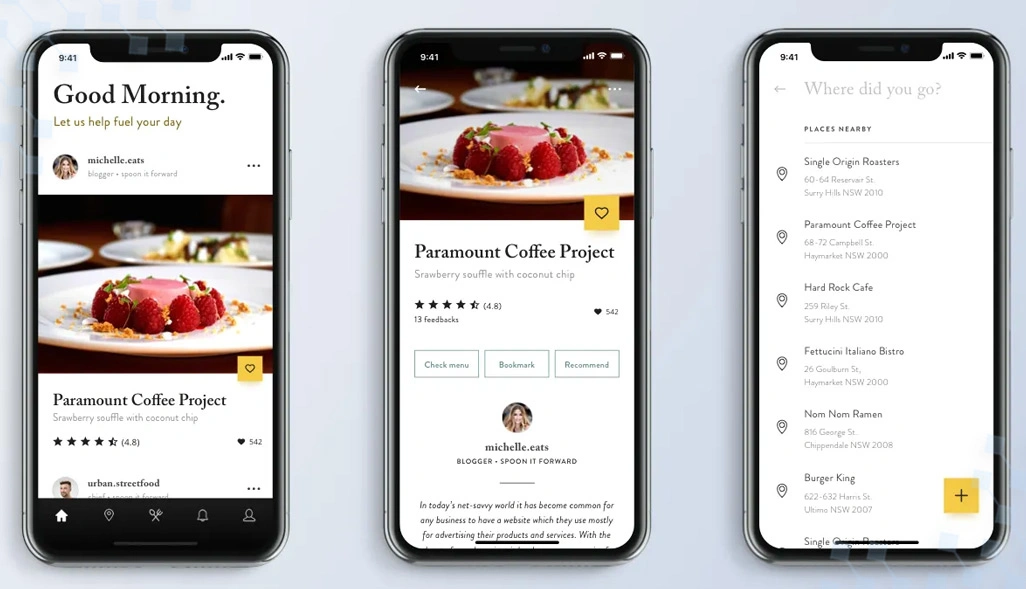
Restaurant prices frequently differ between delivery platforms because of discounts, location-based campaigns, menu configurations, and platform-specific offers. These differences can create misleading comparisons when analysts examine only one source. A broader collection framework brings multiple platform records together, allowing teams to evaluate standard prices and promotional prices against comparable restaurant offerings across different markets.
With Food Data Scraping, analysts can organize menu names, categories, prices, ratings, restaurant locations, discounts, and availability indicators into consistent fields. This makes cross-platform analysis easier while reducing the effort required to manually reconcile differently formatted information. Historical records can further show whether price differences remain stable or change during specific promotional periods.
Illustrative Measure, Platform A, Platform B, and Platform C:
| Illustrative Measure | Platform A | Platform B | Platform C |
|---|---|---|---|
| Average menu items | 82 | 76 | 89 |
| Promotional items | 24% | 31% | 27% |
| Average price variance | 9% | 13% | 11% |
Businesses can Extract Zomato Restaurant Data to examine restaurant menus, pricing structures, ratings, and availability patterns within selected markets. Similar collection workflows can Extract Uber Eats Restaurant Data, enabling analysts to compare menu positioning between platforms and identify meaningful differences that may influence customer choices.
Useful analysis areas include:
- Platform-specific menu variations
- Location-level pricing differences
- Promotional price movements
- Category-based price comparisons
- Historical competitor monitoring
Strategic Promotion Signals Bring Greater Clarity To Competitive Restaurant Positioning
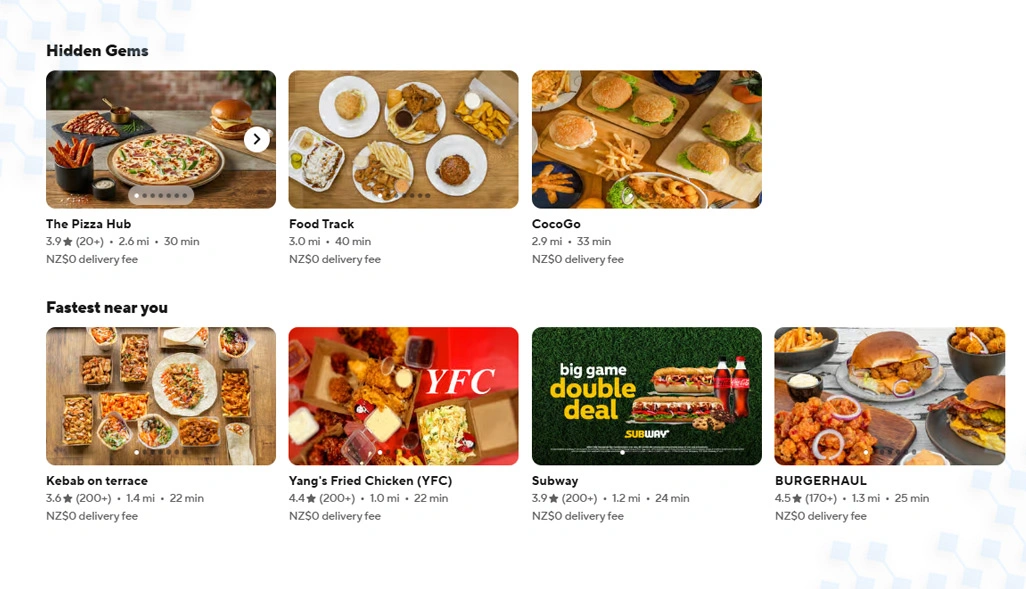
Promotional activity can significantly influence how customers perceive restaurant prices. A competitor offering discounts, meal combinations, or limited-time deals may appear more affordable even when its regular menu prices remain similar. Monitoring these changes alongside standard pricing gives businesses greater context when evaluating competitive positioning and deciding whether observed price gaps are permanent or promotion-driven.
A structured Enterprise Web Crawling approach can help organize recurring menu and promotional changes across multiple sources. Instead of reviewing isolated observations, analysts can maintain historical records that reveal recurring discount patterns, campaign frequency, item-level changes, and periods of increased promotional activity. This supports more consistent market evaluation across restaurant categories and geographic areas.
Illustrative Signal, Monthly Changes, and Monitoring Priority:
| Illustrative Signal | Monthly Changes | Monitoring Priority |
|---|---|---|
| Discount offers | 320 | High |
| Combo changes | 145 | Medium |
| Menu price changes | 210 | High |
| Availability changes | 180 | Medium |
With Competitive Promotional Pricing Data Intelligence Services, pricing teams can distinguish regular menu positioning from temporary promotional activity. This helps analysts understand whether competitors are changing base prices, increasing discounts, introducing bundles, or adjusting offers around specific periods. Such context can improve interpretation of market movements and reduce decisions based on incomplete observations.
Key applications include:
- Monitoring recurring promotional patterns
- Comparing discount frequencies
- Tracking limited-time menu offers
- Evaluating competitive price movements
- Supporting category-level market analysis
How Web Data Crawler Can Help You?
Restaurant teams need structured information that can move from competitor observations into practical pricing decisions. By combining collection, normalization, validation, and monitoring capabilities, Restaurant Data Intelligence Services can support a more organized competitive intelligence workflow without depending entirely on manual research.
We can help businesses:
- Collect menu information from multiple digital sources
- Standardize inconsistent restaurant and menu attributes
- Monitor changing prices and promotional offers
- Track item availability across selected locations
- Organize competitor information into analysis-ready records
- Support recurring competitive intelligence and reporting workflows
These capabilities allow restaurant teams to compare categories, evaluate regional pricing patterns, and identify meaningful changes without repeatedly rebuilding datasets. Structured workflows can also support historical analysis, recurring reporting, and market-specific evaluations. Food Delivery Menu Prices Datasets can provide organized records for reviewing historical prices, promotional movements, restaurant offerings, and platform-level changes across competitive markets.
Conclusion
Restaurant pricing becomes more actionable when competitor menu information is collected consistently, standardized accurately, and compared through meaningful benchmarks. Restaurant Data Intelligence Services can help teams connect menu prices, promotions, availability, and location-level variations into a clearer analytical framework. This supports more informed pricing reviews while reducing dependence on fragmented manual comparisons and isolated market observations.
For businesses operating across competitive delivery markets, structured intelligence can make recurring analysis easier to manage. Restaurant Data Scraping Services in USA & UAE can support market-specific collection requirements and help teams build organized competitive datasets for ongoing evaluation. Contact Web Data Crawler today to build a smarter restaurant pricing intelligence workflow.