


What Can Redfin Data API for Property Price & Listing Intelligence Deliver for Property Analysis?
Aug 25, 2026
Introduction
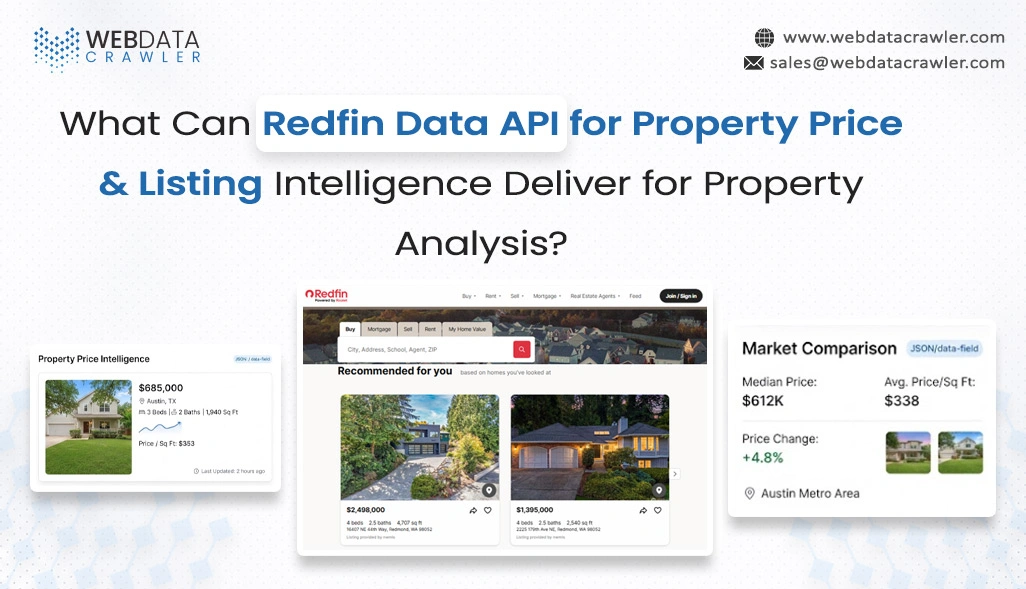
Real estate analysis depends on timely information about property prices, listings, locations, and market movements. Redfin Real Estate Data API can organize property information into structured datasets, helping analysts evaluate changing market conditions and compare properties across selected locations with greater consistency and speed.
The Redfin Data API for Property Price & Listing Intelligence supports research workflows where analysts need current listing information, pricing signals, property characteristics, and market-level observations. Instead of reviewing individual listings manually, structured data can support repeatable analysis across thousands of properties, enabling more efficient comparisons and trend identification.
For investors, brokers, researchers, and real estate technology teams, reliable property information can improve pricing assessments and market research. The right data workflow can track listing changes, identify pricing patterns, evaluate neighborhood activity, and support evidence-based decisions across residential and commercial property markets.
Evaluating Property Listings Through Structured Market Data
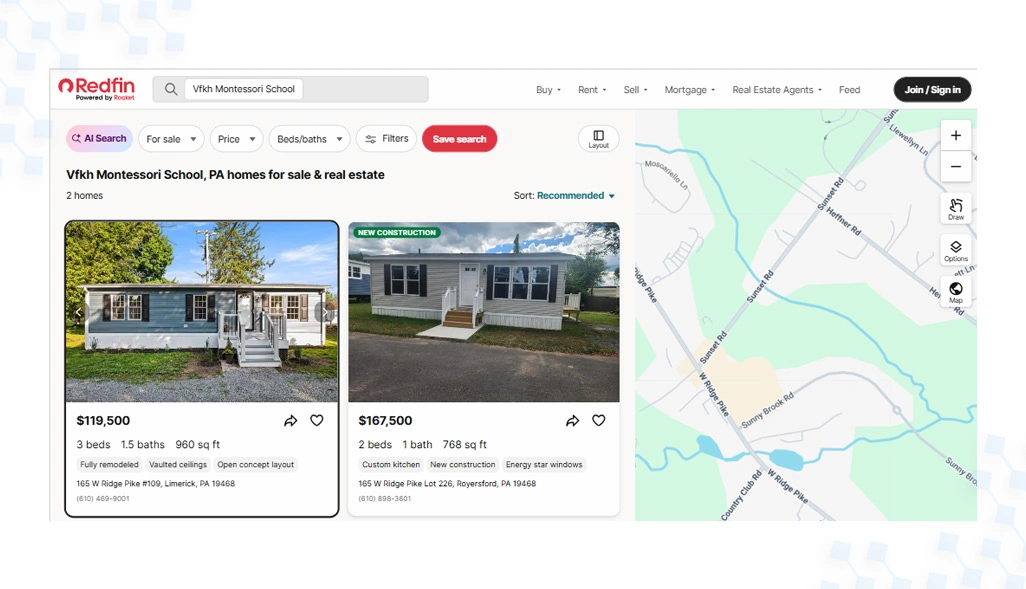
Property analysis becomes more practical when listing information is gathered consistently across different locations and timeframes. A structured collection process can capture asking prices, property types, locations, bedrooms, bathrooms, square footage, and listing status. This gives analysts comparable records that can be filtered according to neighborhood, property category, or pricing range.
When teams Scrape Redfin Real Estate Data for Market Research, they can organize large volumes of listing information for recurring comparisons. Instead of manually checking individual properties, analysts can review standardized records and identify pricing differences, inventory changes, and property-level patterns. This approach is particularly useful for market researchers managing multiple locations.
The collected information can also support Redfin Real Estate Data Crawler workflows where property records are gathered according to predefined fields and schedules. For example, monitoring 1,000 listings across five neighborhoods can provide a broader view of pricing movements and inventory conditions than occasional manual searches.
Key benefits include:
- Standardized property records
- Location-based comparisons
- Listing status monitoring
- Property attribute analysis
- Recurring market research
Data Category and Analytical Purpose:
| Data Category | Analytical Purpose |
|---|---|
| Listing Price | Price comparison |
| Property Type | Segmentation |
| Square Footage | Size evaluation |
| Listing Status | Inventory assessment |
| Location | Geographic analysis |
Measuring Pricing Patterns Across Changing Property Markets
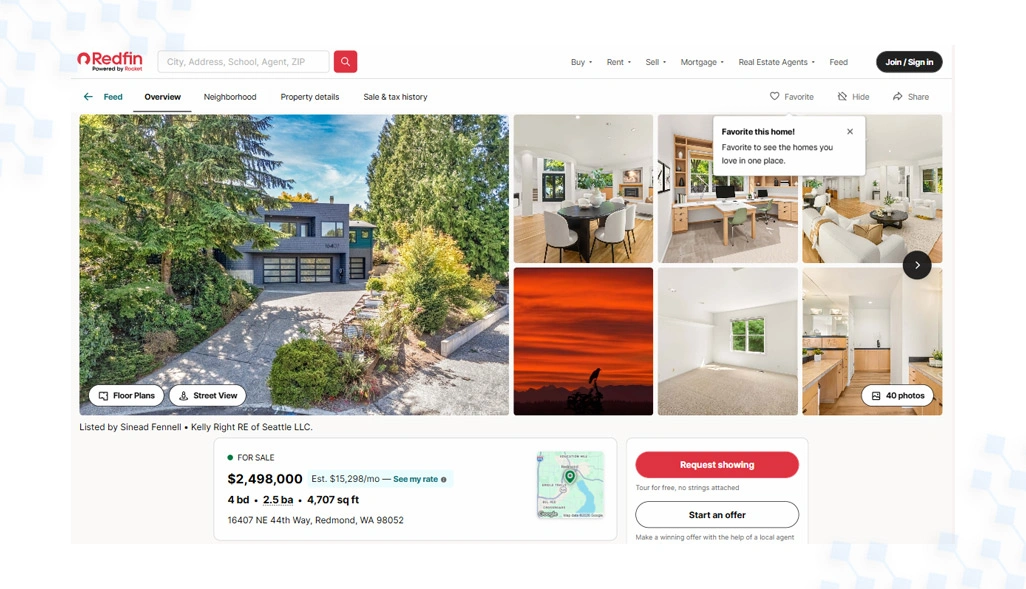
Property pricing analysis becomes more meaningful when asking prices are reviewed alongside property characteristics, locations, and listing activity. Historical observations can help analysts identify pricing ranges and recognize differences between neighborhoods. This allows real estate teams to assess market conditions using consistent property-level information rather than isolated examples.
Using Redfin API for Real-Time Property Prices within a broader analytical workflow can help teams monitor pricing information as market conditions evolve. Analysts may compare current asking prices against previous observations, identify reductions, and examine how pricing behavior differs between property categories or geographic areas.
A structured Redfin Real Estate Dataset can further support analysis involving property sizes, asking prices, locations, and listing statuses. For example, reviewing 500 properties across four weeks can reveal recurring price adjustments, newly added listings, and changes in active inventory that may indicate evolving market conditions.
Important analysis areas include:
- Price movement tracking
- Inventory comparison
- Neighborhood segmentation
- Property-size comparison
- Listing activity measurement
Market Indicator and Potential Application:
| Market Indicator | Potential Application |
|---|---|
| Price Movement | Trend assessment |
| Active Inventory | Supply analysis |
| Property Size | Comparative evaluation |
| Neighborhood | Geographic segmentation |
| Listing Activity | Market monitoring |
Tracking Listing Signals For Better Property Decisions
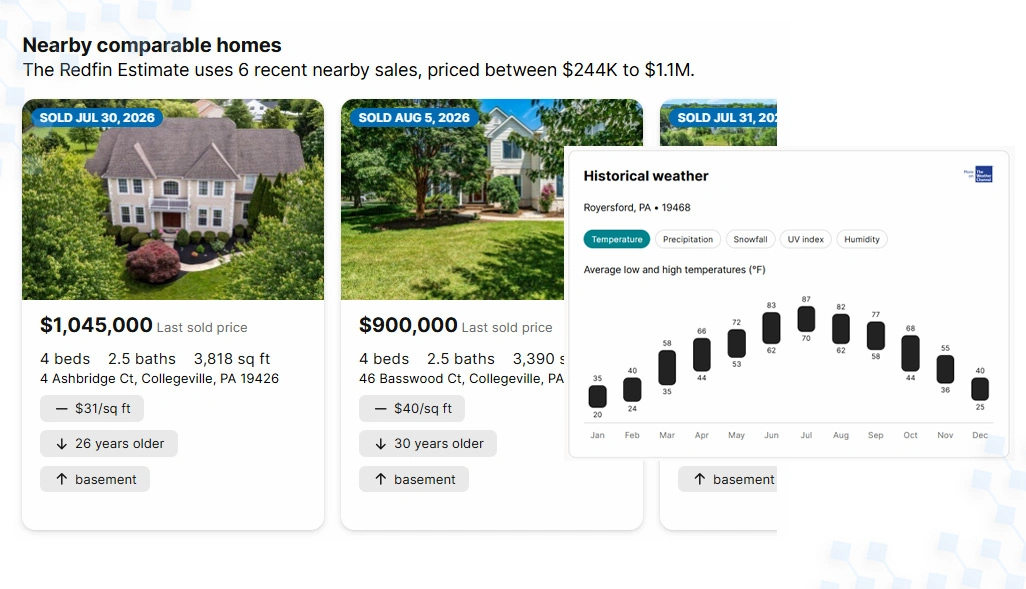
Timely listing information can strengthen real estate decision-making by providing a broader view of changing market activity. Regularly collected information can show when properties enter the market, when prices change, and when listings are removed. These signals help analysts understand supply patterns and evaluate differences between local property markets.
With Extract Real-Time Redfin Property Data, businesses can establish recurring workflows for collecting property attributes, pricing information, availability signals, and listing details. Consistent updates make it easier to compare current observations with earlier records and identify changes that may influence investment or pricing decisions.
For larger analytical operations, Redfin Property Data Scraping Services can support recurring data collection across multiple locations and property categories. A workflow covering 2,000 properties with daily updates, for example, can help identify newly listed properties, repeated price changes, and shifts in active inventory more systematically.
Useful monitoring activities include:
- New listing identification
- Price change tracking
- Inventory monitoring
- Property attribute comparison
- Geographic market analysis
Listing Signal and Business Application:
| Listing Signal | Business Application |
|---|---|
| New Listings | Inventory tracking |
| Price Changes | Pricing analysis |
| Removed Listings | Supply monitoring |
| Property Details | Comparable analysis |
| Location Information | Market segmentation |
How Web Data Crawler Can Help You?
Real estate teams often need structured information that can move directly from collection into analysis. The Redfin Data API for Property Price & Listing Intelligence can support workflows designed around recurring property research, pricing comparisons, listing monitoring, and market intelligence. We can help organize these workflows around specific locations, property attributes, and update requirements.
Key capabilities can include:
- Defining property data requirements according to research objectives
- Collecting listing information from selected real estate sources
- Structuring raw information into consistent data fields
- Removing duplicates and improving data consistency
- Scheduling recurring data collection for ongoing monitoring
- Preparing datasets for dashboards, analytics, and business systems
These capabilities can reduce repetitive research work while giving analysts a standardized foundation for property comparisons. Redfin Web Data Scraper for Real Estate Research can also fit into broader workflows where teams require organized property information for recurring analysis and reporting.
Conclusion
Property intelligence becomes more actionable when listing information, pricing signals, property attributes, and location-level observations are available in a structured format. The Redfin Data API for Property Price & Listing Intelligence can support analytical workflows that require consistent property information for market comparisons, pricing assessments, inventory monitoring, and research.
For teams conducting large-scale property research, Extract Real-Time Redfin Property Data can help create a more current analytical foundation while reducing repetitive manual collection. Get in touch with Web Data Crawler to build a customized property data solution for your real estate analysis needs.