
How Does Real-Time Food Delivery Demand Prediction Using AI Transform Restaurant Order Planning Accuracy?
June 11
Introduction
The food delivery ecosystem has evolved rapidly with digital ordering platforms, where customer behavior shifts dynamically based on time, location, weather, and promotional campaigns. Restaurants often struggle to anticipate sudden spikes or drops in demand, leading to over-preparation or stock shortages. Modern AI systems are now bridging this gap by analyzing real-time behavioral signals and historical ordering patterns to improve forecasting precision.
The integration of AI Web Scraping Service enables platforms to collect large-scale delivery data from multiple sources, helping businesses identify hidden consumption trends. These insights allow restaurants to optimize kitchen operations, reduce waste, and improve delivery speed. In this context, real-time food demand prediction using ai is becoming a critical driver of operational efficiency, enabling smarter planning and resource allocation.
With advanced machine learning models, restaurants can now simulate demand scenarios before peak hours begin. Real-Time Food Delivery Demand Prediction Using AI helps in identifying surge windows and customer ordering habits across different regions. This not only improves profitability but also enhances customer satisfaction by ensuring timely order fulfillment and better inventory control.
Strengthening Operational Forecast Systems with Data Inputs
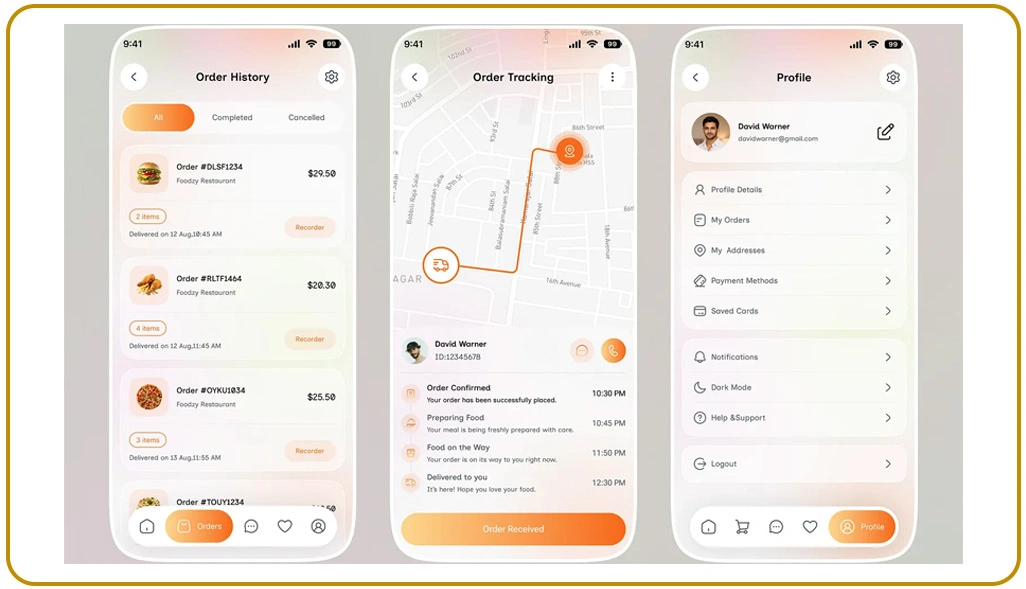
Improving forecasting accuracy in food delivery operations requires structured and continuous data input from multiple digital sources. To address this, modern systems utilize Web Scraping Food Data to gather real-time insights from food ordering platforms, including menu updates, pricing changes, and customer engagement patterns. This ensures restaurants can respond proactively to sudden market shifts.
These datasets are essential for building accurate predictive models that enhance operational planning. Alongside this, AI-Driven Food Delivery Price Analytics for Restaurants helps businesses understand how pricing variations influence order volume and customer behavior. This allows restaurants to fine-tune their pricing strategies while maintaining profitability and competitiveness.
Operational Data Table:
| Data Category | Function | Operational Impact |
|---|---|---|
| Order Trends | Pattern detection | Improved forecasting |
| Menu Activity | Popular item tracking | Better menu planning |
| Customer Feedback | Sentiment evaluation | Service improvement |
| Delivery Timing | Efficiency monitoring | Faster fulfillment |
Additionally, Scraping Food Delivery Apps for Demand Prediction Using AI enhances forecasting systems by continuously updating demand signals across platforms. By integrating intelligent data pipelines, businesses achieve more accurate planning cycles, reduce food waste, and improve kitchen efficiency.
Enhancing Strategic Market Understanding Through Data Systems
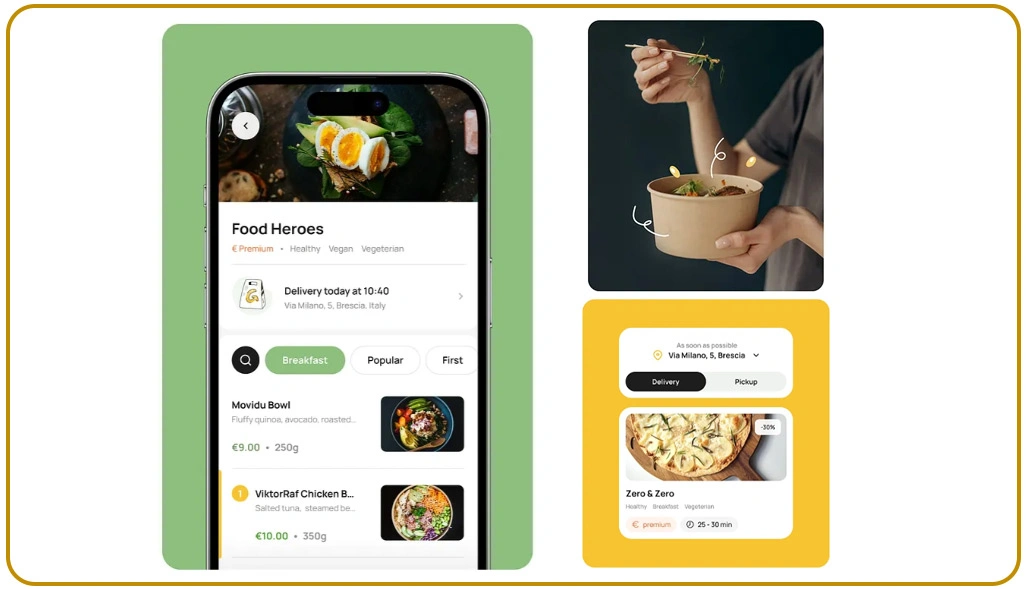
Understanding broader market behavior is essential for restaurants aiming to stay competitive in the fast-changing food delivery landscape. Demand patterns vary significantly based on geography, time, and customer preferences, making structured analytics crucial for strategic planning. The use of Food and Restaurant Datasets enables businesses to analyze ordering behavior, regional food preferences, and peak demand cycles.
These datasets help restaurants refine menu offerings and optimize delivery coverage. In addition, AI-Based Food Delivery Market Analysis provides deeper insights into competitor behavior, pricing trends, and consumer engagement across platforms. This supports better decision-making in marketing and expansion strategies. As a result, businesses become more adaptive and resilient in highly competitive environments.
Market Insight Table:
| Analytical Area | Insight Derived | Business Outcome |
|---|---|---|
| Regional Demand | Location trends | Expansion planning |
| Menu Preference | Popular dishes | Improved offerings |
| Customer Behavior | Order frequency | Targeted campaigns |
| Competition Data | Pricing comparison | Strategic positioning |
Furthermore, AI Food Delivery Review Data Scraping helps businesses analyze customer feedback at scale, allowing them to identify strengths and weaknesses in service delivery. These insights enable restaurants to align their operations with real-time market needs, ensuring better resource utilization and improved customer satisfaction.
Improving Revenue Efficiency Through Price Intelligence Systems
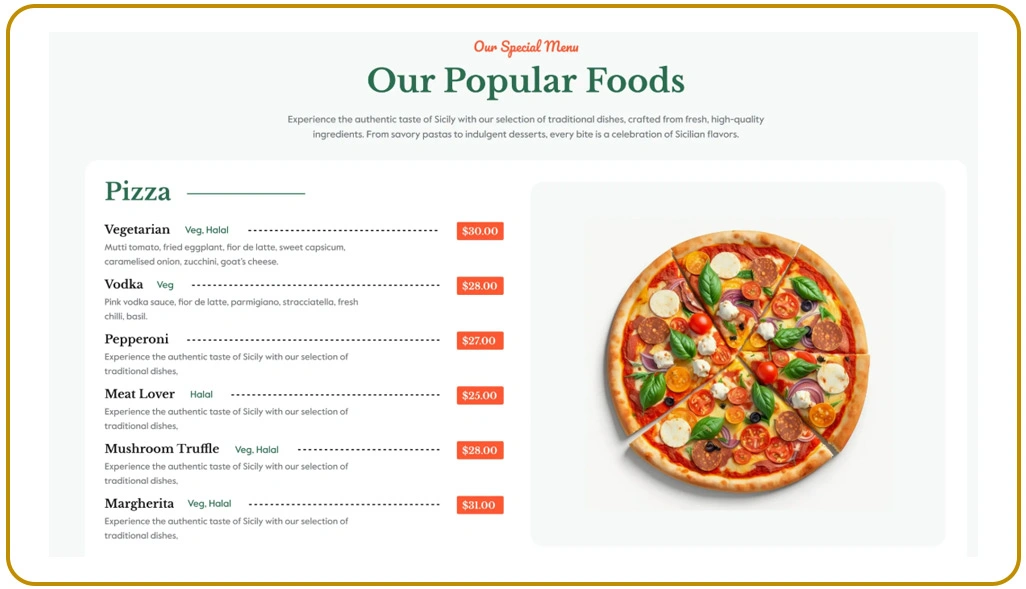
Effective pricing strategies play a crucial role in maximizing profitability in food delivery operations. Restaurants must balance affordability with revenue optimization while responding to dynamic market conditions. The implementation of Pricing Intelligence helps businesses evaluate demand-based pricing adjustments and optimize revenue during peak and off-peak hours.
This ensures financial stability and improved order conversion rates. Additionally, Food Delivery Data Collection for Business Intelligence supports structured analysis of customer behavior, order patterns, and pricing sensitivity. This enables restaurants to make informed decisions about discounts, promotions, and menu pricing strategies. Ultimately, businesses gain better financial control and improved market responsiveness.
Revenue Optimization Table:
| Pricing Factor | Analysis Focus | Business Benefit |
|---|---|---|
| Peak Demand | Surge analysis | Higher revenue |
| Discount Impact | Conversion tracking | Better sales |
| Competitor Pricing | Market benchmarking | Competitive pricing |
| Customer Response | Behavior tracking | Revenue stability |
By combining predictive analytics with price intelligence, restaurants can dynamically adjust their strategies to maximize profitability. This ensures that pricing decisions are not static but continuously optimized based on real-time data inputs. Such systems also help reduce revenue leakage caused by inefficient discounting or misaligned pricing strategies.
How Web Data Crawler Can Help You?
Efficient data collection is the backbone of modern predictive systems, especially in the food delivery ecosystem. Real-Time Food Delivery Demand Prediction Using AI becomes more accurate when powered by structured and continuously updated data pipelines.
This raw data is then processed and transformed into actionable insights for restaurant operators.
- Collects structured ordering patterns from multiple platforms
- Identifies peak ordering time variations across regions
- Tracks menu changes and customer engagement behavior
- Monitors delivery performance metrics in real time
- Supports predictive modeling with clean and structured inputs
- Helps reduce manual data collection efforts significantly
By integrating automated data extraction systems, restaurants can improve decision-making speed and accuracy. Food Delivery Data Collection for Business Intelligence strengthens this ecosystem by converting raw data into meaningful strategic insights that enhance operational planning and efficiency.
Conclusion
Our Real-Time Food Delivery Demand Prediction Using AI is reshaping how restaurants plan their operations by improving forecasting accuracy and reducing inefficiencies in order management. It enables businesses to respond faster to changing customer behavior and maintain consistent service quality even during peak demand hours.
When combined with Food and Restaurant Datasets, the system becomes even more powerful, offering deeper insights into consumer patterns and operational performance. Contact Web Data Crawler today to improve your restaurant's operational precision and stay competitive in the evolving food delivery landscape.