


How Can Real Estate Data Extraction Services for Market Research Build Better Property Databases?
07 September 2026
Introduction
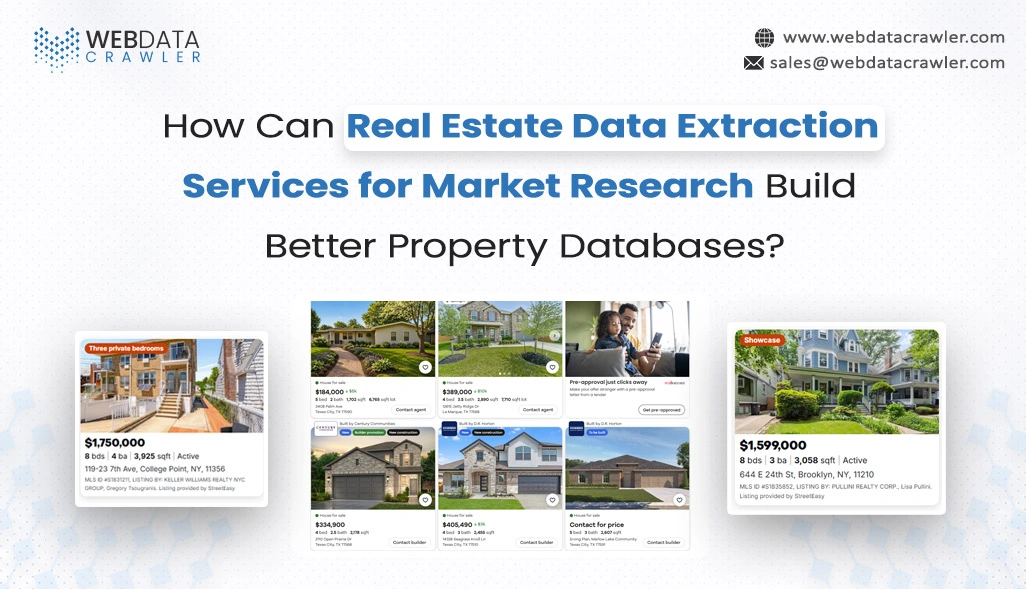
The real estate market generates extensive information across property listings, pricing, locations, amenities, availability, and demand indicators. Organizing these details manually can create inconsistent records and slow down research. Real Estate Data Extraction Services for Market Research help businesses collect structured information from multiple property sources for reliable database development.
With Web Scraping Real Estate Data, researchers can gather property-level information at scale and transform scattered listing details into organized datasets. This approach supports property comparison, market segmentation, pricing analysis, and location-based research while reducing repetitive manual collection. It also makes frequently changing information easier to maintain.
A well-structured database can help brokers, investors, analysts, developers, and research teams evaluate market movements more efficiently. When property information is standardized across sources, teams can compare thousands of listings using consistent fields such as price, property type, area, bedrooms, amenities, and location. This creates a stronger foundation for data-driven decisions.
Strategic Foundations for Building Reliable Property Listing Databases

Property information is distributed across listing websites, brokerage portals, property marketplaces, and local real estate platforms. Bringing these records together requires a structured approach that maintains consistent fields across different sources. Real Estate Catalog Data Using Web Scraping can help organize listing titles, property categories, locations, prices, sizes, bedrooms, bathrooms, and availability into standardized records for research teams.
A comprehensive database can contain thousands of property records while preserving important details for comparison. For example, collecting 50,000 listings with 15 standardized fields produces approximately 750,000 individual data points. Real Estate Datasets can then be segmented according to cities, neighborhoods, property types, price ranges, or other attributes, making large volumes easier to analyze.
Data quality also plays an important role when building property databases. Duplicate listings, missing fields, inconsistent addresses, and different measurement formats can reduce analytical accuracy. A structured workflow can normalize these values and create consistent records, helping teams compare properties more efficiently across multiple sources and geographic markets.
Key database-building activities can include:
- Identifying relevant property listing sources
- Standardizing property fields across sources
- Removing duplicate and incomplete records
- Normalizing locations and measurement units
- Organizing records for analysis and reporting
| Data Element | Example Output | Research Value |
|---|---|---|
| Property Type | Apartment | Market segmentation |
| Location | Miami, FL | Geographic analysis |
| Price | $425,000 | Price comparison |
| Area | 1,250 sq. ft. | Value assessment |
| Bedrooms | 3 | Buyer analysis |
Sharper Intelligence Through Comprehensive Property Pricing And Location Analysis
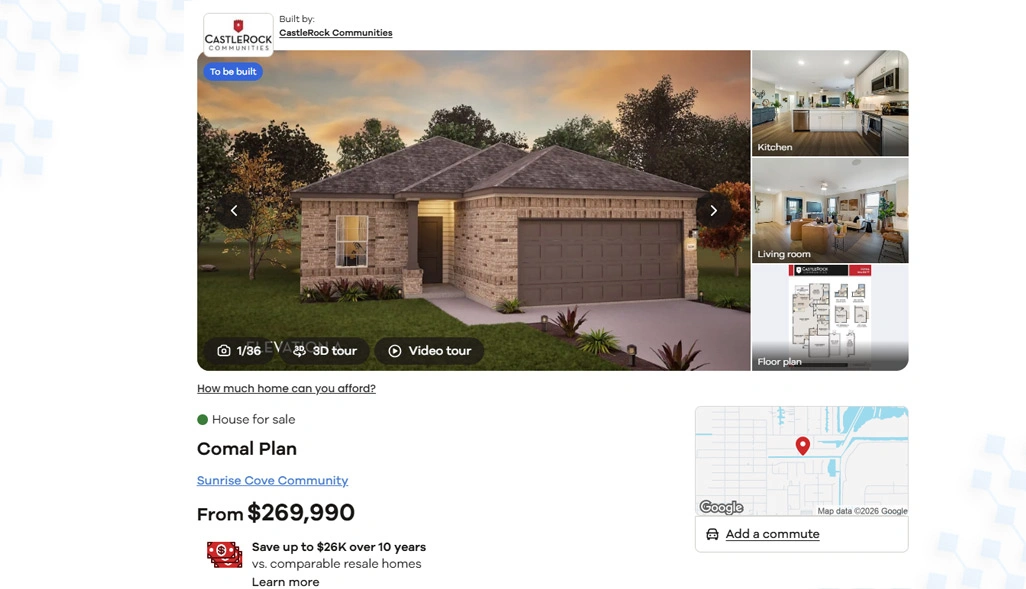
Property prices can change according to neighborhood, property type, size, demand, and market conditions. Consistent collection allows analysts to compare asking prices, rental values, property sizes, and locations over time. Real Estate Price Data Scraping for Analysis can organize these variables into historical records, helping researchers evaluate pricing movements and identify differences between selected markets.
Location intelligence becomes more useful when property records contain standardized geographic information. Cities, ZIP codes, neighborhoods, coordinates, and nearby areas can be combined with pricing and property characteristics. This enables teams to compare local markets, identify higher-value areas, and examine how property attributes vary across different geographic segments.
Large organizations may need to monitor extensive listing inventories across several markets. Enterprise Web Crawling can support scalable collection workflows where multiple sources, locations, and property categories must be processed regularly. Automated scheduling can also help refresh records as listings are added, removed, updated, or repriced.
Important monitoring activities can include:
- Comparing property prices across locations
- Tracking historical pricing movements
- Monitoring newly added listings
- Identifying changes in property availability
- Segmenting markets by geographic attributes
| Metric | Sample Volume | Application |
|---|---|---|
| Listings Monitored | 100,000 | Market coverage |
| Locations | 25 Cities | Geographic comparison |
| Price Records | 100,000+ | Pricing research |
| Property Attributes | 15+ Fields | Database enrichment |
| Update Cycle | Daily | Market monitoring |
Enriched Property Profiles For Deeper Real Estate Market Understanding
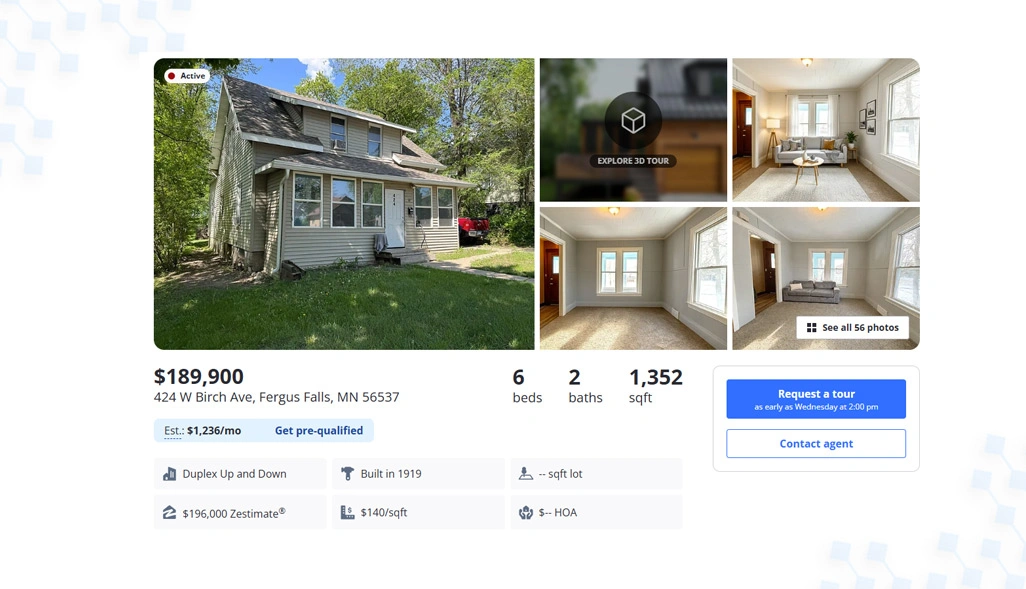
Property databases become more valuable when they include detailed characteristics beyond basic listing information. Features such as parking, balconies, pools, gyms, furnishing status, pet policies, floor information, and outdoor spaces can provide additional context for market research. Scrape Property Amenities Data to enrich property records with attributes that may influence buyer and renter preferences.
Combining property characteristics with pricing and location information creates opportunities for deeper market segmentation. Researchers can compare properties based on their included features, evaluate pricing differences, and identify which characteristics appear frequently within specific neighborhoods. This creates a broader view of market inventory rather than relying only on headline prices.
Data consistency remains important when collecting detailed property attributes because websites may describe similar features differently. Web Scraping Services can support structured workflows that collect predefined fields, normalize values, and organize information into usable formats. This helps research teams maintain consistency when handling large property inventories.
A detailed database can support several analytical activities:
- Comparing properties according to included amenities
- Grouping listings by property characteristics
- Evaluating features across neighborhoods
- Identifying common property configurations
- Combining attributes with pricing information
| Attribute Group | Example Fields | Analytical Use |
|---|---|---|
| Amenities | Pool, Gym, Parking | Preference analysis |
| Property Details | Beds, Baths, Area | Property comparison |
| Listing Status | Active, Sold, Rented | Availability tracking |
| Location | City, ZIP, Neighborhood | Local market analysis |
| Property Type | Condo, Villa, Apartment | Segmentation |
How Web Data Crawler Can Help You?
Property research requires consistent collection, cleaning, and organization of information from numerous sources. We can support Real Estate Data Extraction Services for Market Research by creating structured workflows designed around specific property fields, geographic markets, and research requirements. The process can accommodate large listing volumes while maintaining standardized output formats.
Key capabilities include:
- Identify relevant property sources and listing pages
- Collect predefined property fields consistently
- Standardize values across different websites
- Remove duplicate or incomplete property records
- Organize information into research-ready formats
- Schedule recurring collection for changing listings
These capabilities can make property databases easier to maintain and analyze. Teams can also combine listing information with Real Estate Web Scraping Services for Property Insights to create broader datasets covering pricing, locations, availability, property characteristics, and market trends.
Conclusion
A reliable property database depends on accurate, structured, and regularly refreshed information. Real Estate Data Extraction Services for Market Research can help organizations organize listing details, pricing information, geographic attributes, and property characteristics into a consistent research resource. Better data quality can support more effective market comparisons and property analysis.
As property markets continue changing, timely information becomes increasingly important for research teams, investors, brokers, and developers. Real Estate Catalog Data Using Web Scraping can complement structured collection strategies by supporting broader property intelligence. Build a stronger property database with Web Data Crawler and turn complex real estate information into research-ready data.