
What Can PrizePicks Data Extraction for Game Analysis Reveal About Player Performance Trends?
Oct 14
Introduction
Sports analytics helps researchers, analysts, and fantasy sports enthusiasts understand player performance through measurable statistics. Historical results, recent match records, projected outcomes, and player consistency provide valuable context for evaluating performance trends. Structured data also makes it easier to compare athletes across games, identify statistical changes, and assess how individual performances develop over time.
Consistent data collection also simplifies recurring analysis and supports evidence-based reporting. PrizePicks Data Extraction for Game Analysis supports this process by organizing publicly available player projections, statistical categories, and historical performance information into structured datasets. Analysts can compare projected values with actual outcomes and evaluate performance patterns across different sports.
Researchers can Extract PrizePicks Daily Fantasy Sports Behavior Insights to examine projection movements, popular statistical categories, and changing player performance expectations. When these observations are combined with historical results and relevant match context, analysts can develop a clearer understanding of athlete consistency, statistical variability, and performance indicators without relying solely on isolated game results.
Evaluating Historical Statistics to Understand Player Performance Trends
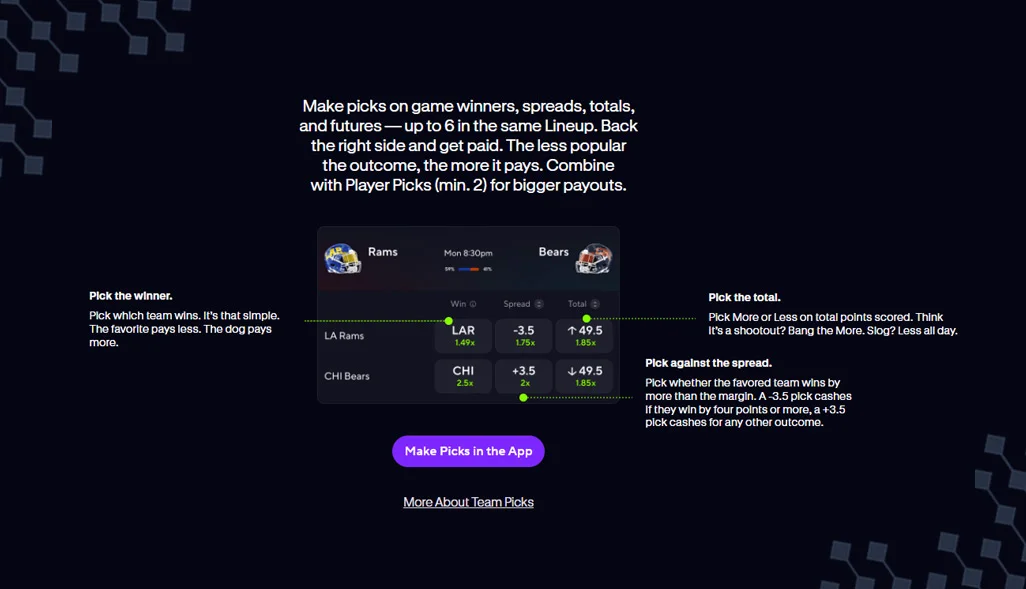
Player performance analysis requires consistent records of projections, actual results, and historical statistics. By collecting publicly accessible information across multiple matchups, analysts can identify scoring patterns, evaluate consistency, and compare performance against different opponents. Comparing recent games with longer historical periods also provides context for understanding changes in player output and the reliability of individual statistical indicators.
These records help distinguish recurring performance patterns from short-term fluctuations. A structured approach allows researchers to examine performance across multiple games instead of drawing conclusions from isolated outcomes. When analysts Scrape Sports Betting Props From PrizePicks, they can organize permitted publicly displayed player projections and statistical categories for research.
This information can be compared with historical match results to evaluate differences between expected and observed performance. Analysts should consider playing time, team roles, opponent strength, and competition conditions when evaluating statistical outcomes. Using consistent records to Scrape PrizePicks Sports Data for Analysis helps identify meaningful comparisons and track performance patterns over time.
| Performance Indicator | Analytical Purpose | Example Measurement |
|---|---|---|
| Scoring output | Evaluate offensive consistency | Points per game |
| Rebounding activity | Compare player contributions | Rebounds per match |
| Playmaking activity | Assess team involvement | Assists per game |
| Recent results | Identify short-term changes | Five-game average |
| Statistical variation | Measure performance differences | Range of observed values |
Historical comparisons become more informative when datasets include player identifiers, match dates, opponent details, and consistent statistical categories. Analysts can segment records by season, competition, or recent form to improve the relevance of comparisons.
Useful practices for evaluating historical performance include:
- Compare recent statistics with longer-term averages.
- Separate records by sport and statistical category.
- Account for changes in player roles and participation.
- Review unusual results before identifying recurring patterns.
Measuring Projection Accuracy Through Statistical Comparison Methods

Comparing projected statistics with actual game results helps analysts evaluate the accuracy of performance expectations. Structured datasets can reveal whether projections consistently fall above or below observed outcomes across different statistical categories. Reliable analysis depends on clearly defined calculations and sufficient observations, rather than assumptions based on a small number of games.
These comparisons provide a measurable foundation for examining projection deviations, identifying outliers, and evaluating whether performance expectations remain consistent across selected periods. Organizations using Web Scraping Services can establish repeatable workflows for collecting permitted public information and organizing it into standardized records.
Analysts can calculate average deviations, compare projection accuracy across time periods, and investigate statistical categories that demonstrate greater variability. They can identify genuine performance shifts by comparing multiple observations with match conditions. PrizePicks Player Performance Scraping provides useful context for distinguishing meaningful trends from normal fluctuations and avoiding misleading conclusions based on unusual results.
| Analytical Metric | Calculation Method | Research Application |
|---|---|---|
| Mean absolute error | Average absolute difference between projected and actual values | Measure typical projection deviation |
| Average performance | Total statistic divided by games played | Establish a performance baseline |
| Standard deviation | Measure dispersion around the average | Evaluate variability |
| Outcome frequency | Qualifying outcomes divided by total observations | Summarize historical occurrence |
| Trend difference | Recent average minus baseline average | Identify performance changes |
Accurate comparisons require complete observations, consistent definitions, and appropriate treatment of missing records. Injuries, reduced playing time, changes in team responsibilities, and differences in opponent strength can affect statistical results. Analysts should document these factors when interpreting historical comparisons and avoid treating past outcomes as guarantees of future performance.
Practical steps for improving projection analysis include:
- Apply consistent calculation methods across datasets.
- Compare equivalent statistical categories and time periods.
- Investigate outliers before drawing conclusions.
- Record missing observations and relevant match conditions.
Organizing Structured Sports Datasets for Consistent Analytical Research
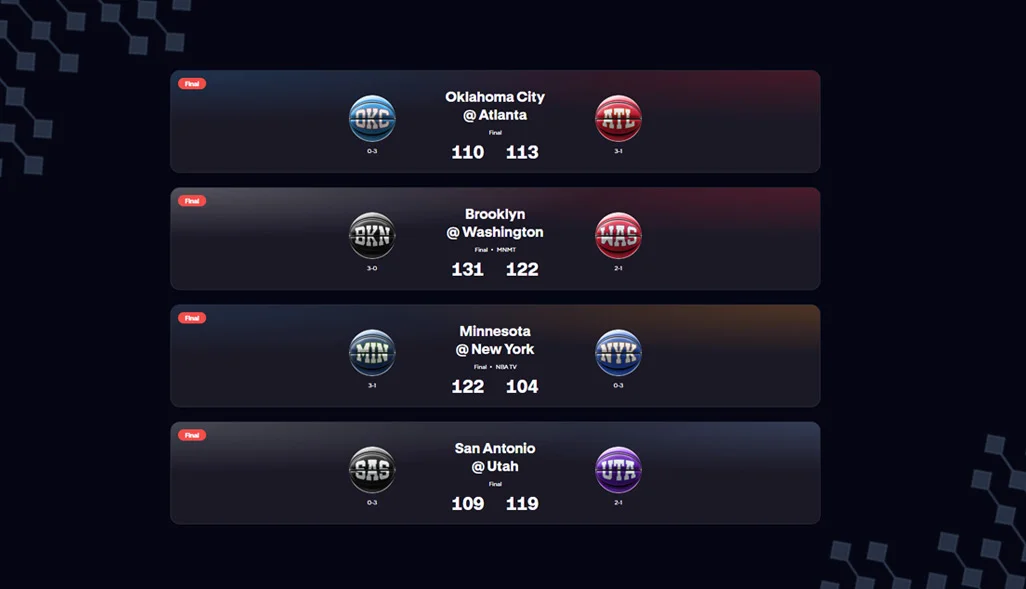
Well-organized sports datasets allow analysts to combine player statistics, projections, match details, and historical outcomes within a consistent analytical environment. Standardized records make it easier to compare athletes, filter statistical categories, and prepare information for spreadsheets or business intelligence platforms. A carefully designed data structure also supports recurring research by reducing inconsistencies between records collected at different times. Researchers can use these datasets to investigate performance patterns and prepare reports based on clearly defined statistical measures.
Through PrizePicks Sports Projections Data Collection, researchers can organize permitted publicly available information into structured records when access conditions allow. An integrated Web Scraping API can support authorized collection and data delivery, helping reduce repetitive manual work and maintain consistent reporting schedules. Depending on source accessibility and project requirements, datasets may include player identifiers, projection categories, match dates, historical results, and collection timestamps. This structure allows analysts to connect related observations and conduct comparisons across selected periods.
| Dataset Component | Suggested Fields | Research Benefit |
|---|---|---|
| Player information | Name, team, sport | Organize player records |
| Match details | Date, opponent, competition | Establish game context |
| Projection records | Category, projected value | Document expected outcomes |
| Actual results | Final statistical value | Compare projections and outcomes |
| Data quality | Timestamp, source, validation status | Improve traceability |
Automation becomes more effective when collection workflows include validation, duplicate removal, standardized formats, and timestamp tracking. These practices help maintain dataset consistency and make it easier to identify missing or outdated records. Researchers can then prepare data for dashboards, historical comparisons, and recurring analytical reports without repeatedly restructuring the same information.
Recommended practices for structured sports data management include:
- Standardize field names and statistical formats.
- Validate records before adding them to datasets.
- Remove duplicates and flag incomplete observations.
- Maintain timestamps and source references for traceability.
How Web Data Crawler Can Help You?
Sports research becomes easier to manage when scattered information is converted into structured, analysis-ready records. A well-designed collection workflow can reduce manual preparation while helping analysts concentrate on interpreting performance indicators and identifying meaningful variations.
We provide data collection solutions designed to help businesses gather permitted publicly accessible information and prepare structured outputs for analytical workflows. PrizePicks Data Extraction for Game Analysis can support these objectives by helping researchers organize relevant player statistics, projections, and historical observations into consistent datasets.
Key ways we can support sports data projects include:
- Collecting permitted public information from relevant sports data sources.
- Structuring player statistics into consistent, analysis-ready formats.
- Organizing historical records for easier comparison across matches.
- Supporting scheduled data delivery for recurring research workflows.
- Improving dataset consistency through validation and duplicate checks.
- Preparing structured outputs for spreadsheets, dashboards, and reporting tools.
These capabilities can help teams reduce repetitive preparation tasks and maintain more consistent analytical records. PrizePicks Player Performance Scraping can support the organization of permitted player information for historical comparisons and statistical research. Project scope, source availability, access restrictions, and delivery requirements should be confirmed before implementation.
Conclusion
Reliable sports analysis depends on accurate records, consistent measurement methods, and careful interpretation of historical results. PrizePicks Data Extraction for Game Analysis helps frame research around player projections, actual outcomes, statistical variations, and changing performance patterns. Combining structured datasets with relevant match context allows analysts to evaluate trends without treating historical observations as guaranteed indicators of future results.
Researchers can use PrizePicks API Data Extraction to assess permitted data access options and integrate suitable records into their analytical workflows. Proper validation, responsible collection, and regular updates help maintain useful datasets for performance comparisons and reporting. Contact Web Data Crawler to discuss your sports data collection requirements and build structured datasets for informed performance analysis.