
What Makes Price Benchmarking Model Using Web Scraping Across Retailers Drive 28% Better ROI Outcomes?
May 01
Introduction
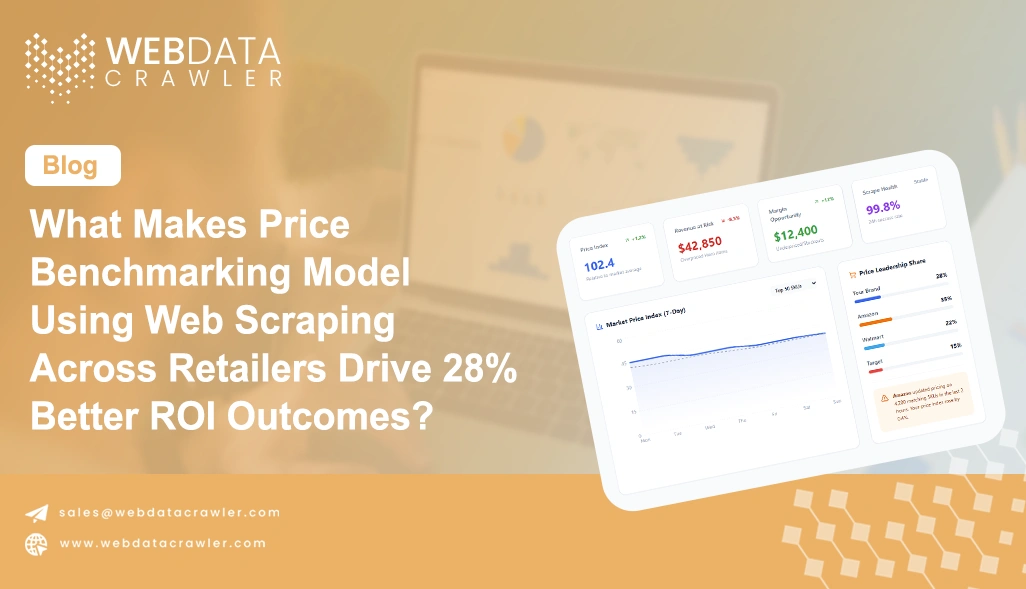
Retailers today operate in a highly dynamic pricing environment where margins are constantly under pressure. This is where a Price Benchmarking Model Using Web Scraping Across Retailers becomes a critical asset. By systematically collecting and analyzing competitor pricing data, companies can create smarter pricing strategies that directly impact profitability.
Modern pricing strategies are no longer based on intuition alone. Instead, they rely on structured data pipelines that gather insights from multiple platforms and channels. With the integration of Competitive Benchmarking, retailers can compare their product pricing against industry leaders and identify gaps that need immediate attention. This approach not only improves decision-making but also ensures alignment with market demand.
Additionally, automation has transformed how pricing data is captured and processed. Retailers are increasingly adopting tools that enable Extracting Retail Pricing via Analytics Tools for Real Insights, allowing them to respond faster to price fluctuations. Ultimately, a well-implemented pricing model backed by web scraping enables businesses to improve operational efficiency, reduce manual errors, and drive measurable ROI improvements—often as high as 28% when executed effectively.
Identifying Hidden Pricing Gaps Through Structured Retail Data
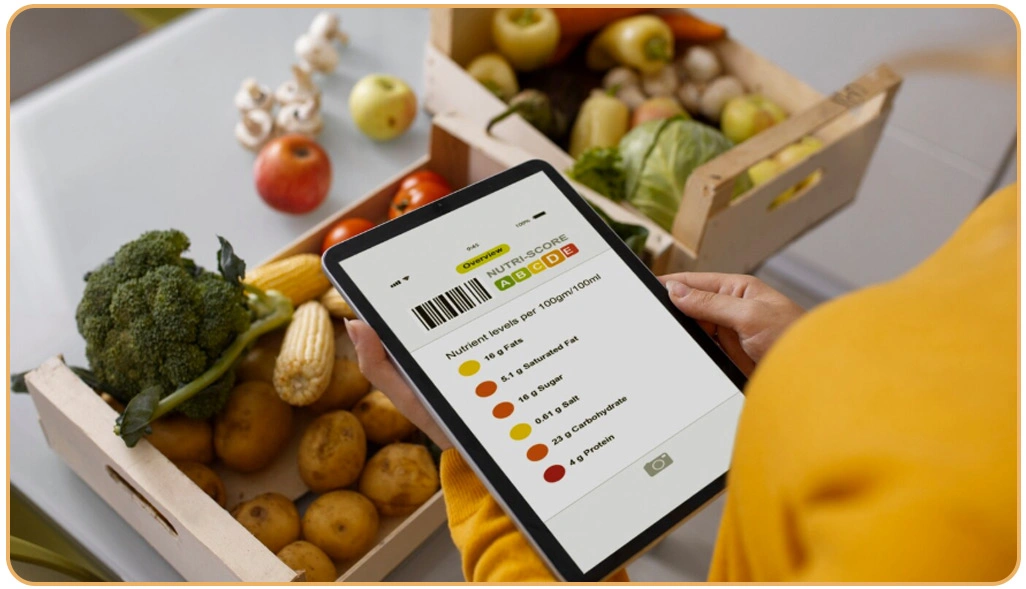
Retailers often struggle to clearly understand how their pricing compares within competitive markets. Without accurate visibility, pricing decisions become inconsistent, leading to missed revenue opportunities or reduced margins. By integrating Competitor Price Monitoring, businesses can track fluctuations across multiple platforms and ensure their pricing reflects current market conditions.
A major advantage of this approach lies in the ability to evaluate pricing at a granular level. Using a SKU Level Price Benchmarking Model Using Retail Data, retailers can assess product-specific pricing rather than relying on broad category assumptions. This precision helps identify underperforming products and optimize them effectively.
Another key component is the ability to derive actionable insights through Extracting Retail Pricing via Analytics Tools for Real Insights, enabling companies to quickly adjust pricing strategies based on real-time data patterns. This ensures that businesses remain competitive while maintaining profitability.
| Challenge | Traditional Method | Data-Driven Solution |
|---|---|---|
| Price visibility | Manual checks | Automated tracking |
| Decision speed | Delayed | Real-time response |
| Accuracy | Limited | High precision |
| Revenue impact | Unstable | Consistent growth |
By adopting structured data models, retailers can close pricing gaps faster, improve conversion rates, and maintain a strong competitive position in rapidly evolving markets.
Transforming Retail Decision Making With Advanced Insights
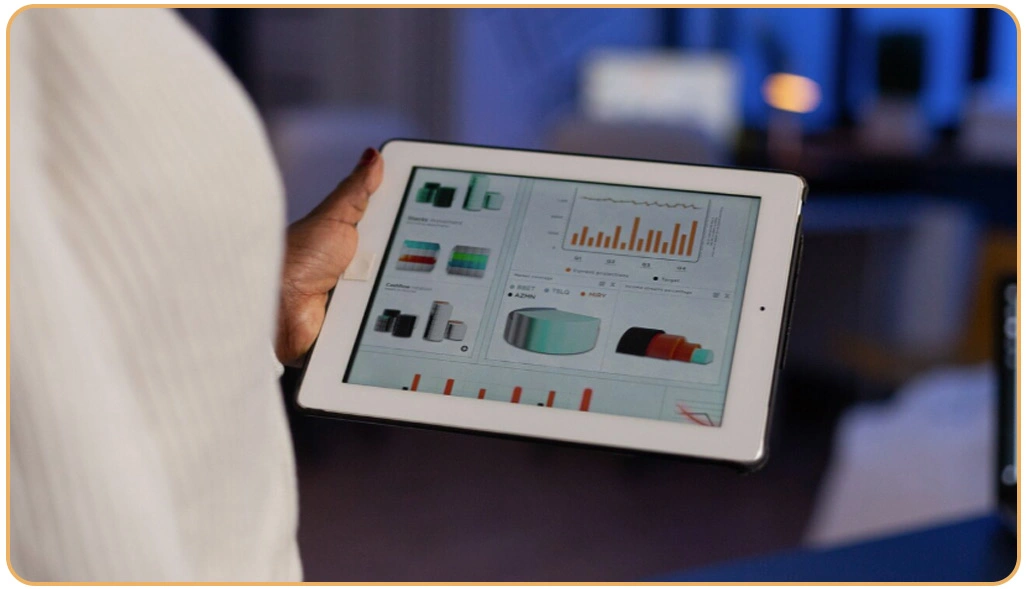
Modern retail success depends on how effectively businesses interpret and act on pricing data. Advanced analytics allow companies to move beyond reactive pricing and adopt proactive strategies that align with market trends. The integration of Pricing Intelligence enables retailers to analyze competitor behavior, customer demand, and historical pricing patterns simultaneously, leading to more informed decisions.
Centralized data visualization further strengthens this approach. When businesses Develop Price Intelligence Dashboard for Retail Benchmarking, they gain a unified view of all pricing metrics, making it easier to monitor performance and adjust strategies in real time. These dashboards reduce complexity and improve decision-making speed across teams.
Automation also plays a critical role in scaling pricing strategies. With Python Price Scraping for Benchmarking Analysis, retailers can collect large volumes of data efficiently and maintain consistency in analysis. This ensures scalability while minimizing errors associated with manual data handling.
| Insight Category | Business Benefit | Result |
|---|---|---|
| Market trends | Better forecasting | Reduced uncertainty |
| Competitor data | Strategic adjustments | Improved positioning |
| Customer behavior | Personalized pricing | Higher engagement |
| Dashboard insights | Faster execution | Increased efficiency |
By combining analytics, dashboards, and automation, retailers can transition from static pricing models to dynamic strategies. This transformation not only improves profitability but also enhances long-term sustainability in competitive environments.
Enhancing Scalability Using Automation and Integrated Data Pipelines
As retail operations expand, managing pricing across multiple platforms becomes increasingly complex. Businesses require scalable solutions that can handle large datasets while maintaining accuracy and consistency. Automation and API-driven systems provide the foundation for achieving this scalability in modern pricing strategies.
One of the most impactful advancements is Real Time Price Benchmarking Using Scraped Data and APIs, which allows businesses to continuously monitor and adjust pricing without manual intervention. This ensures that pricing decisions are always aligned with current market dynamics, reducing the risk of outdated strategies.
The integration of a Scraping API further enhances efficiency by enabling seamless data extraction across diverse sources. APIs ensure uninterrupted data flow, improve reliability, and support real-time analytics, making them essential for large-scale retail operations.
Additionally, automation reduces operational costs while improving data accuracy. By eliminating repetitive manual tasks, businesses can focus on strategic initiatives that drive growth and innovation.
| Feature | Advantage | Outcome |
|---|---|---|
| API connectivity | Continuous data flow | Real-time insights |
| Automation tools | Reduced manual effort | Cost savings |
| Data consistency | Reliable inputs | Better decisions |
| Scalability | Handles large volumes | Future readiness |
By adopting automated and integrated systems, retailers can scale their pricing strategies efficiently. This approach not only improves operational performance but also ensures consistent and sustainable growth in highly competitive retail markets.
How Web Data Crawler Can Help You?
Retailers aiming to optimize their pricing strategies often struggle with fragmented data and delayed insights. Implementing a Price Benchmarking Model Using Web Scraping Across Retailers through us provide a streamlined solution that transforms how pricing decisions are made.
Our approach includes:
- Access real-time competitor pricing insights.
- Automate large-scale data collection processes.
- Improve pricing accuracy across product categories.
- Enable faster and smarter decision-making.
- Reduce dependency on manual tracking systems.
- Ensure scalable and reliable data pipelines.
By integrating advanced analytics capabilities, we also support Real Time Price Benchmarking Using Scraped Data and APIs, ensuring businesses stay aligned with rapidly changing market conditions while maintaining a strong competitive position.
Conclusion
Retail pricing success depends on the ability to adapt quickly to market dynamics. Implementing a Price Benchmarking Model Using Web Scraping Across Retailers ensures that businesses can make data-driven decisions that improve margins and overall performance.
With the support of advanced analytics such as Extracting Retail Pricing via Analytics Tools for Real Insights, companies can turn complex data into actionable strategies that deliver measurable growth. Start optimizing your pricing strategy today with Web Data Crawler and drive better ROI outcomes.