
How is Online Store Brand Data Extraction for Business Insights Driving 50% Faster Decisions for Retailers?
May 18
Introduction
Retail businesses are operating in a market where product positioning, competitor activity, and customer demand shift daily. To stay relevant, companies increasingly depend on structured data to monitor trends and react with confidence. Online Store Brand Data Extraction for Business Insights helps businesses transform scattered online product information into measurable indicators that support faster decision-making.
Retail analysts often spend hours collecting product listings, brand placements, and review signals manually, which delays reporting. Automated extraction reduces this delay and allows teams to compare multiple brand signals across marketplaces in real time. Studies indicate businesses using automated ecommerce intelligence improve pricing decisions by nearly 50% and reduce reporting errors by 35%.
Through Web Scraping Ecommerce Data, retailers can continuously collect stock trends, descriptions, ratings, and competitor positioning across multiple platforms. This helps teams identify gaps in assortment and refine merchandising strategies before trends shift. This process supports strategic planning by creating a reliable flow of retail intelligence that influences marketing, procurement, and category management decisions.
Building Stronger Product Intelligence Across Digital Shelves
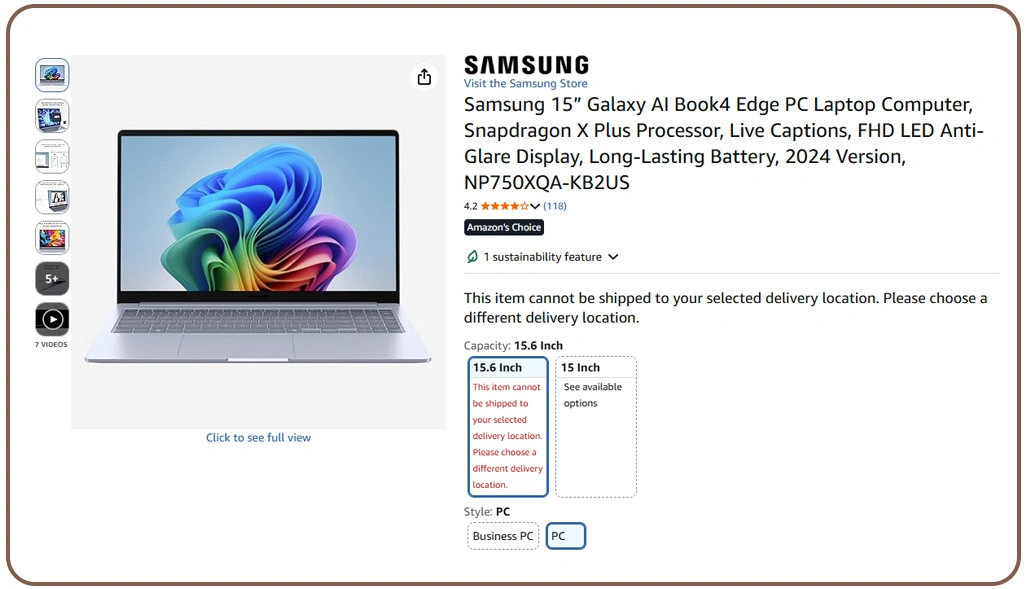
Retailers often face challenges understanding how their products appear across multiple online marketplaces. Product names, prices, seller rankings, descriptions, and ratings change frequently, making manual tracking slow and inconsistent. Structured collection methods help organize this information so teams can respond faster to competitor actions.
Companies using Web Scraping Services reduce time spent on manual audits and improve reporting consistency. Product listings become measurable signals that support category planning and promotional strategy. Businesses can identify underperforming items, compare brand visibility, and monitor competitor changes through centralized dashboards. This creates a reliable workflow for sales teams, analysts, and merchandising managers.
Many retailers rely on Ecommerce Data Scraping for Market and Pricing Insights to compare brand presence across platforms. According to industry research, businesses using ecommerce intelligence tools improve reaction speed by 42% and reduce monitoring costs by 36%. These improvements support faster execution during seasonal campaigns and promotional launches.
| Data Area | Business Purpose | Outcome |
|---|---|---|
| Product Listings | Visibility tracking | Assortment updates |
| Price Monitoring | Competitor comparison | Faster action |
| Seller Position | Ranking analysis | Category planning |
This reveals how discounts and promotions impact product exposure. Businesses also use Competitor Product Data Scraping for Online Stores Insights to benchmark category depth and monitor how rivals expand inventory. These structured insights support campaign planning and help businesses refine pricing strategies with better market awareness.
Turning Catalog Changes Into Strategic Market Signals
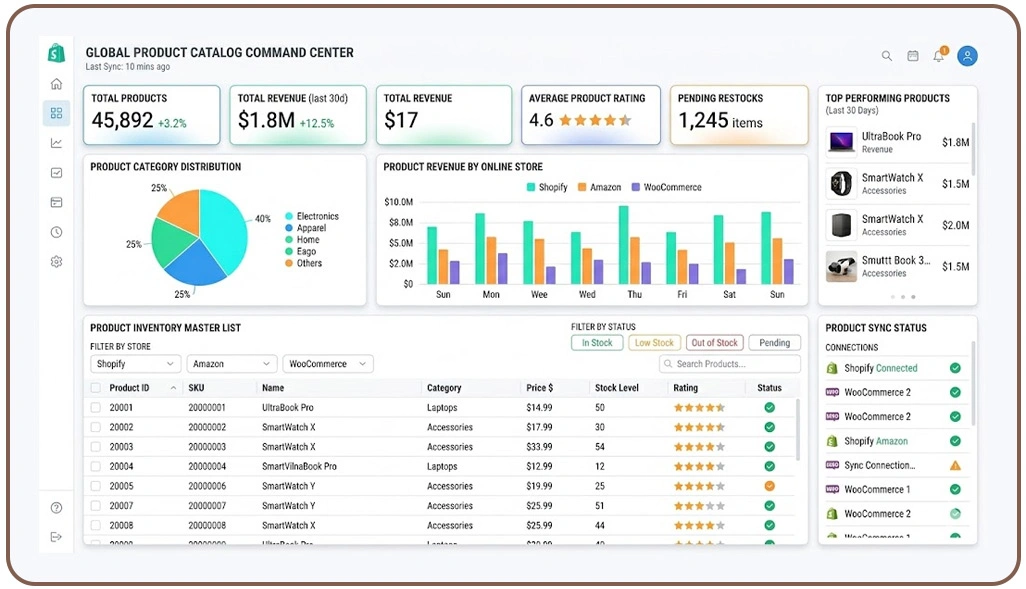
Product catalogs reveal more than listings; they reflect category expansion, seasonal movement, and customer demand patterns. Retailers use catalog tracking to monitor how competitors launch products and adjust assortment. This provides a measurable way to understand shifts in consumer preferences. As categories evolve quickly, real-time monitoring becomes critical for maintaining relevance.
With Market Research, businesses analyze product launches, feature updates, and category changes. These indicators help teams understand demand trends and evaluate competitor strategy. Historical catalog patterns also support future planning for assortment expansion. Faster access to category data supports better merchandising and campaign planning.
Recent reports show organizations using automated product monitoring improve launch timing by 46% and reduce research effort by 39%. Companies often Extract Product Catalog Using Online Stores Data to compare assortment changes across channels. This process reveals product gaps, stock availability, and premium category opportunities. Businesses can identify which brands dominate key segments and how their listings evolve over time.
| Catalog Metric | Insight | Business Use |
|---|---|---|
| Product Additions | Demand shift | Launch planning |
| Description Changes | Positioning update | Messaging review |
| Category Growth | Trend detection | Expansion strategy |
Another important process is How to Extract Brand-Level Data From Ecommerce Websites, which helps organize titles, prices, and category tags by brand. Structured catalog intelligence allows teams to monitor competitor strategies more effectively. This supports category decisions, campaign timing, and product introductions with measurable market evidence.
Measuring Customer Perception Through Review Signals

Customer reviews provide direct insight into product satisfaction, but reviewing large datasets manually is inefficient. Automated systems transform review text, ratings, and feedback frequency into measurable signals. Retailers use these signals to understand product acceptance and improve brand positioning. This helps identify why products succeed or decline in specific categories.
A Web Crawler collects review information continuously across marketplaces. Ratings, sentiment patterns, and complaint topics are converted into analytics dashboards. These insights reveal changes in consumer expectations and emerging product issues. Review insights become stronger when combined with sales trends and listing data. Businesses identify patterns between poor sentiment and declining conversions.
Studies indicate retailers using automated review analytics improve customer retention by 31% and reduce negative trend response time by 47%. Faster analysis supports stronger product planning. This allows earlier intervention before sales drop. Automated sentiment analysis supports long-term planning and improves customer loyalty by aligning products with buyer expectations.
| Review Metric | Insight | Business Impact |
|---|---|---|
| Ratings | Product acceptance | Quality decisions |
| Complaint Themes | Service gaps | Faster response |
| Review Volume | Buyer interest | Campaign planning |
Businesses conduct Brand Sentiment Analysis From Product Reviews Data to understand product perception and customer expectations. This helps identify frequent complaints, quality issues, and positive feature trends. Product teams can improve offerings based on measurable feedback.
How Web Data Crawler Can Help You?
Retail intelligence requires reliable data sources that update continuously. Businesses relying on static reports often miss pricing changes, new launches, and customer sentiment trends. By integrating Online Store Brand Data Extraction for Business Insights, companies can monitor market behavior accurately and act faster.
A data-driven workflow supports:
- Tracking brand visibility across marketplaces
- Monitoring product assortment updates
- Comparing competitor pricing patterns
- Analyzing review trends over time
- Identifying customer preference changes
- Improving category performance decisions
Automated extraction reduces reporting delays and gives teams access to current product information across multiple sources. Businesses often combine this approach with Competitor Product Data Scraping for Online Stores Insights to understand broader competitive movement and improve response strategies.
Conclusion
Retail businesses need accurate and timely information to respond to changing customer demand. Online Store Brand Data Extraction for Business Insights creates a reliable system for tracking products, pricing, and brand performance, helping teams make faster strategic decisions.
Combining extracted catalog data with customer feedback creates a stronger view of consumer behavior. How to Extract Brand-Level Data From Ecommerce Websites supports category benchmarking and competitor tracking. Start using automated retail intelligence today with Web Data Crawler to improve decisions, reduce delays, and strengthen market positioning.