
How Monitor Map Violations Using Web Crawlers Reduces 37% Pricing Breaches in the 2026 Market Worldwide?
Feb 12
Introduction
In 2026, pricing integrity has become one of the most urgent challenges for global e-commerce brands. With hundreds of third-party sellers operating across marketplaces, brands are struggling to maintain consistent pricing rules, especially Minimum Advertised Price (MAP). Unauthorized discounts, hidden cart price drops, and region-based pricing loopholes are now directly impacting profit margins and brand positioning.
To solve this issue, businesses are increasingly shifting toward automated monitoring systems that identify violations the moment they occur. This is where Monitor Map Violations Using Web Crawlers becomes essential, as it provides a structured method to scan thousands of product listings across platforms, identify suspicious pricing activity, and report violations before the damage spreads.
Using Enterprise Web Crawling, companies can capture real-time seller behavior, track unauthorized price cuts, and maintain strong enforcement policies across multiple regions. As online marketplaces expand, the need for automated MAP enforcement is no longer optional. It is now a critical part of brand survival and long-term revenue control.
Detecting Unauthorized Discounts Before They Spread Fast
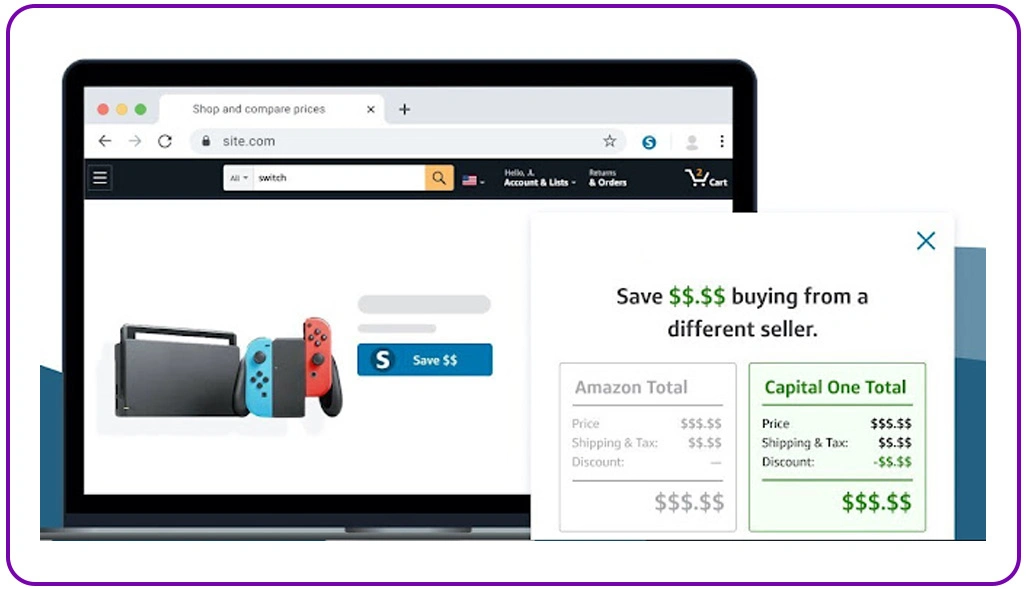
In 2026, this problem is growing due to cross-border sellers, automated repricing bots, and grey-market inventory distribution. Reports indicate that nearly 42% of pricing breaches remain unnoticed for over 48 hours, giving violators enough time to reshape customer expectations and damage brand value.
To solve this, brands are increasingly adopting automated systems that continuously scan product listings and compare seller prices with established pricing policies. This is where Map Price Violation Detection Data Scraper becomes valuable, as it captures visible pricing details along with hidden discounting factors like coupons, shipping adjustments, and cart-based offers.
Many organizations also integrate a Scraping API to extract structured pricing data in real time, ensuring fast processing across thousands of listings. This approach reduces manual workload while improving accuracy, especially when pricing changes happen multiple times daily.
| Pricing Violation Problem | Manual Monitoring Outcome | Automated Monitoring Advantage |
|---|---|---|
| Hidden cart-based discounts | Frequently missed | Captured through structured extraction |
| Unauthorized reseller activity | Hard to track | Seller identification becomes easier |
| Multi-platform price breaches | Slow reporting | Faster cross-market scanning |
| Price war initiation | Late response | Alerts triggered instantly |
By using automation, brands are able to reduce pricing breaches significantly and prevent larger marketplace disruptions. The key benefit is early detection, which minimizes margin loss and protects channel trust.
Creating Compliance Systems Across Multiple Marketplaces
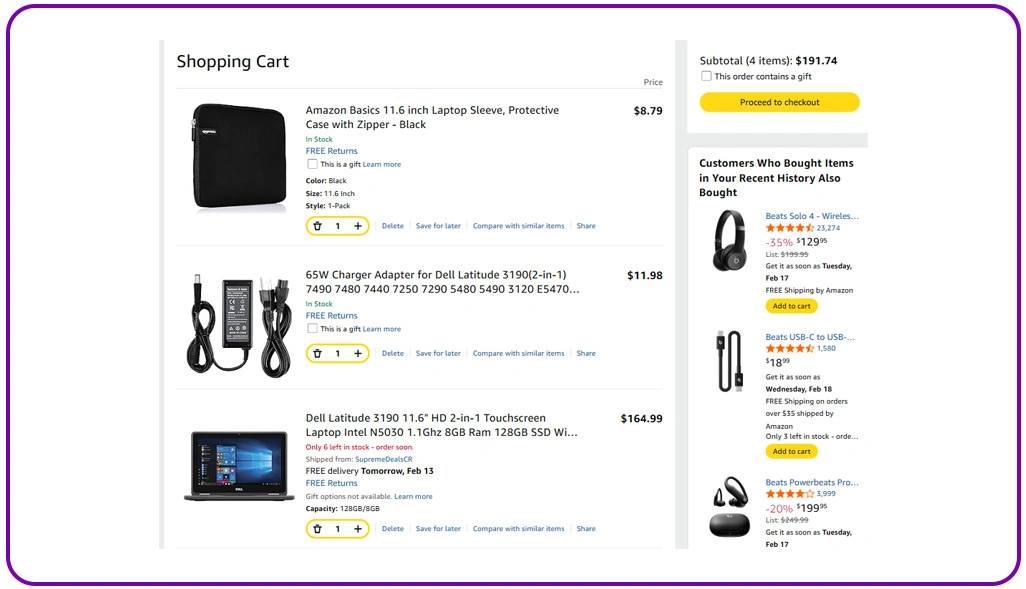
A major reason pricing policies fail is delayed visibility across marketplaces. The ability to Monitor Map Violations in Real-Time ensures that violations are detected instantly, preventing sellers from maintaining discounted listings long enough to influence market pricing behavior.
Many brands now depend on Real-Time Web Scraping Datasets to capture marketplace trends, analyze violation frequency, and identify repeat offenders. These datasets support predictive compliance strategies by helping companies understand which sellers are most likely to violate pricing rules again.
Additionally, companies use Map Violation Data Extractor for Ecommerce Brands to standardize extracted pricing information into structured reports that can be used for legal enforcement or marketplace escalation. This strengthens compliance operations and reduces the time spent gathering proof manually.
| Compliance Requirement | Data Collected | Business Benefit |
|---|---|---|
| Seller tracking | Seller name, store link | Identifies repeat violators |
| Price history logging | Pricing timeline | Builds evidence for enforcement |
| Regional pricing monitoring | Currency, taxes, location | Prevents geo-based loopholes |
| Violation reporting | Screenshots, timestamps | Supports marketplace escalation |
Ultimately, continuous monitoring enables brands to shift from reactive action to proactive compliance control.
Preventing Price Wars and Protecting Brand Value
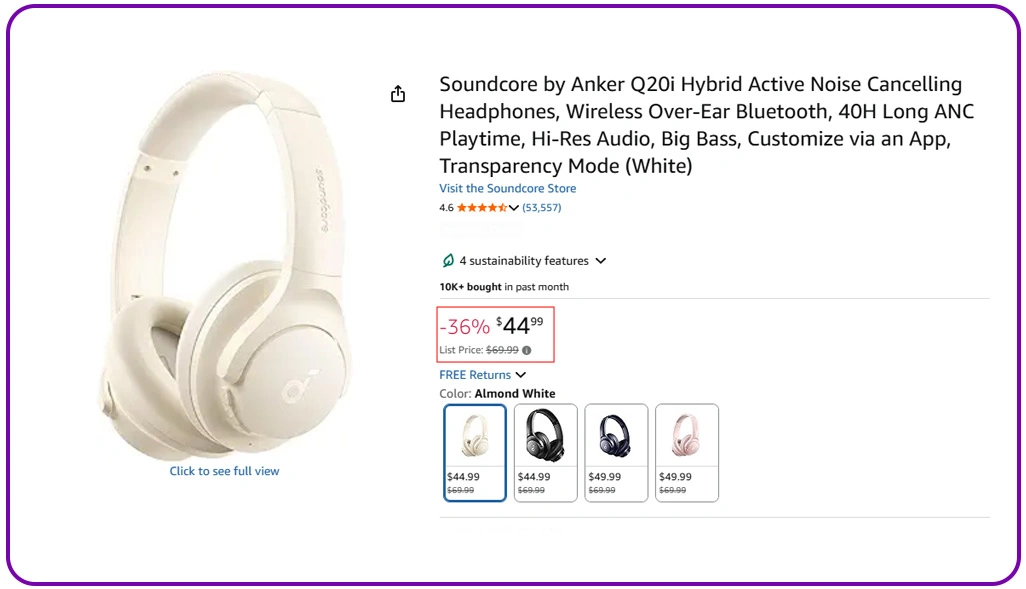
Pricing breaches do more than reduce revenue. Using Competitor Price Monitoring, businesses can evaluate whether repeated discounting is caused by competitor pressure, aggressive reseller behavior, or intentional marketplace manipulation. This helps brands respond strategically instead of reacting blindly.
Additionally, many companies implement Map Price Monitoring Solutions to combine monitoring dashboards, alerts, and violation reporting into a single workflow. This makes it easier to detect which marketplaces create the highest violation volume and which sellers consistently disrupt pricing integrity.
Strong enforcement is only possible when brands maintain evidence-based documentation. Automated reporting provides structured records such as listing URLs, seller identities, timestamps, and discount patterns. These reports allow brands to issue warnings, terminate agreements, or escalate complaints to marketplaces confidently.
| Price War Trigger | Impact on Brand | Prevention Benefit |
|---|---|---|
| Unauthorized deep discounts | Margin loss | Faster violation alerts |
| Grey-market sellers | Brand dilution | Seller verification tracking |
| Coupon stacking offers | Policy collapse | Hidden discount detection |
| Multi-seller price matching | Uncontrolled drops | Automated escalation workflow |
When pricing compliance is managed effectively, brands prevent margin collapse, maintain channel stability, and protect their long-term market authority.
How Web Data Crawler Can Help You?
Pricing enforcement becomes challenging when your products appear across multiple marketplaces, regions, and unauthorized reseller networks. Monitor Map Violations Using Web Crawlers to ensure consistent compliance, detect violations faster, and protect brand value across every platform.
What We Deliver for Pricing Compliance:
- Multi-platform listing monitoring with scheduled tracking.
- Seller-level reporting to identify repeat offenders.
- Historical pricing change logs for evidence-based enforcement.
- Automated alerts for sudden price drops and discount patterns.
- Compliance dashboards for real-time marketplace visibility.
- Structured reports ready for marketplace escalation actions.
Our process supports automated enforcement models using Map Violation Data Extractor for Ecommerce Brands for better reporting accuracy and faster response execution.
Conclusion
In the competitive 2026 marketplace environment, pricing stability is no longer a minor operational task. Brands that implement Monitor Map Violations Using Web Crawlers can reduce unauthorized discounting, control reseller pricing behavior, and stop pricing breaches before they expand into multi-marketplace price wars.
At the same time, implementing structured Monitor Map Violations in Real-Time ensures faster seller accountability, stronger compliance reporting, and better brand reputation across e-commerce platforms. Connect with Web Data Crawler today and request a custom MAP monitoring solution built for global marketplace control.