


How Does Medicine Price Data Scraping From Tata 1mg, PharmEasy and Netmeds Help Compare Prices?
Oct 16
Introduction
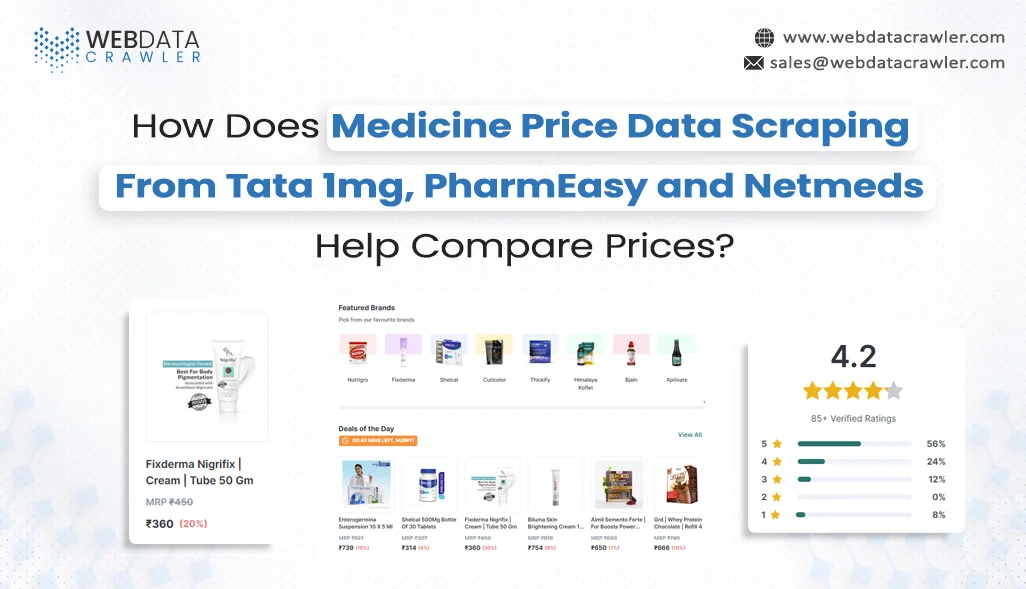
Online pharmacies have transformed how consumers search for medicines, compare discounts, and manage healthcare expenses. However, identical products may display different prices across platforms because of promotional campaigns, seller policies, regional availability, and customer-specific offers. Comparing these variations manually can become time-consuming for retailers, healthcare businesses, and market researchers who need consistent pricing information for their decisions.
This approach also supports competitor research, pricing assessments, and recurring market analysis across multiple online pharmacy platforms. Medicine Price Data Scraping From Tata 1mg, PharmEasy and Netmeds helps businesses organize publicly accessible information about medicine listings, selling prices, maximum retail prices (MRPs), and discounts. Structured records allow analysts to compare equivalent products, identify price differences, and monitor changes over time.
Businesses can use these insights to evaluate pricing patterns and understand competitive positioning. Using Tata 1mg Healthcare Data Scraping can help organizations examine product descriptions, listed prices, and promotional details alongside information collected from other pharmacy websites. Accurate comparisons require standardized product specifications, collection timestamps, and checks for delivery charges, stock availability, and applicable website policies to produce dependable research outcomes.
Improving Competitive Analysis Through Consistent Price Comparisons
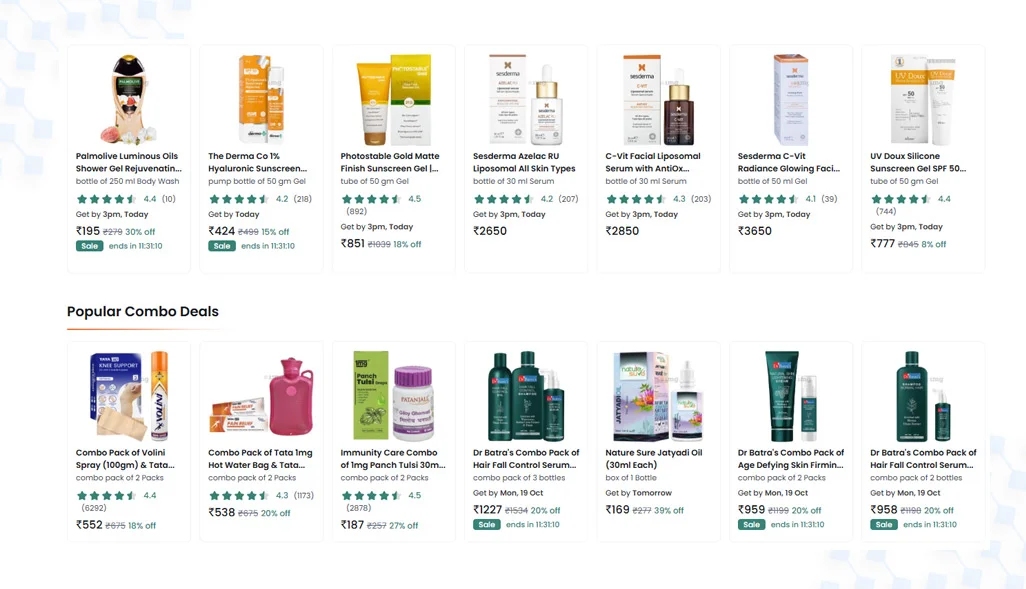
Online pharmacy platforms regularly update product listings, promotional offers, and stock information. Businesses that monitor these changes can better understand how pricing differs across competing retailers. Consistent data collection provides a structured foundation for evaluating medicine prices without depending entirely on repeated manual searches. Analysts can compare equivalent products, identify unusual variations, and examine how promotional activity influences displayed prices across different platforms.
For example, PharmEasy Healthcare Data Scraping can support research into publicly accessible medicine listings, selling prices, product descriptions, and discount information. Product names, strengths, formulations, and pack sizes should be standardized before comparisons begin, reducing the risk of matching different medicines or incorrectly interpreting price variations.
Another important consideration is the final payable amount. Businesses can Scrape Medicine Prices From Tata 1mg to build comparative records that account for selling prices, promotional conditions, availability, and collection dates. This approach makes competitive analysis more practical while helping researchers distinguish genuine price differences from variations caused by product specifications or temporary offers.
Key comparison factors include:
- Current selling prices and displayed MRPs.
- Product strength, formulation, and pack size.
- Promotional offers and discount eligibility.
- Stock availability and delivery conditions.
- Collection timestamps and historical price changes.
| Comparison factor | Information to evaluate | Research benefit |
|---|---|---|
| Listed price | Current selling amount | Identifies price differences |
| Product details | Brand, strength, and pack size | Improves matching accuracy |
| Promotional activity | Offer conditions and duration | Supports discount analysis |
| Availability | Product stock status | Identifies purchasing limitations |
| Collection date | Date and time of observation | Supports historical monitoring |
A reliable comparison workflow should also include regular validation and clear reporting practices. By combining automated collection with human review, organizations can improve the quality of their research and make better-informed decisions about market positioning, product monitoring, and competitive pricing strategies.
Evaluating Discount Structures for More Accurate Price Decisions
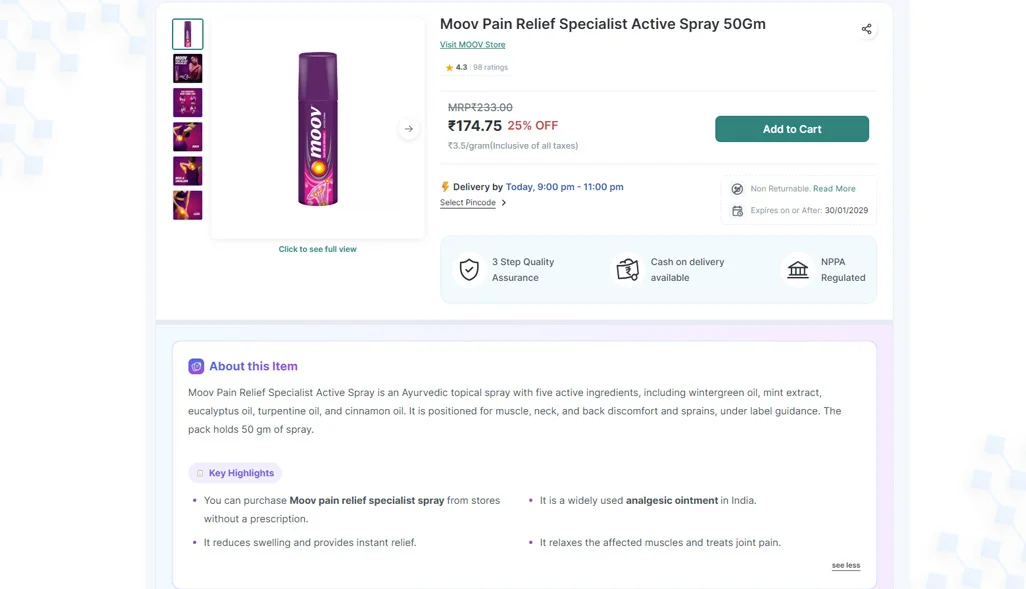
Discounts can create significant differences between medicine listings, making it important to evaluate the original price and the amount customers are expected to pay. Online pharmacies may display percentage reductions, promotional coupons, membership benefits, or conditional offers. Businesses examining these variations need a consistent method for distinguishing standard discounts from offers that apply only to specific customers, minimum order values, or selected products.
Through Netmeds Healthcare Data Scraping, analysts can organize publicly accessible product prices, discount details, and availability information for comparison with other online pharmacy platforms. However, the analysis should account for product equivalence and applicable offer conditions. Comparing different strengths, formulations, or pack quantities can produce misleading conclusions about which platform offers the better price.
A systematic workflow can Extract Medicine MRP and Discount Information to calculate discount percentages, estimate savings against the listed MRP, and monitor changes over time. For example, consider a hypothetical medicine pack with an MRP of ₹150. A platform selling it for ₹120 offers a 20% reduction, while another listing at ₹110 represents approximately 26.7%.
Important discount evaluation practices include:
- Record the original and selling prices separately.
- Calculate discounts using consistent formulas.
- Check promotional conditions before comparing offers.
- Include applicable delivery charges in final comparisons.
- Review historical changes to identify recurring promotions.
| Pricing metric | Illustrative value | Interpretation |
|---|---|---|
| Maximum retail price | ₹150 | Listed retail price |
| Platform A selling price | ₹120 | 20% below MRP |
| Platform B selling price | ₹110 | Approximately 26.7% below MRP |
| Difference between selling prices | ₹10 | Lower listed price on Platform B |
| Additional charges | Variable | May change the final payable amount |
Accurate discount analysis requires businesses to document the assumptions behind each calculation. Analysts should record whether coupons are included, whether membership is required, and whether delivery charges have been considered. These details improve the reliability of comparisons and prevent promotional claims from being interpreted as universal savings.
Identifying Long-Term Market Patterns Through Organized Records
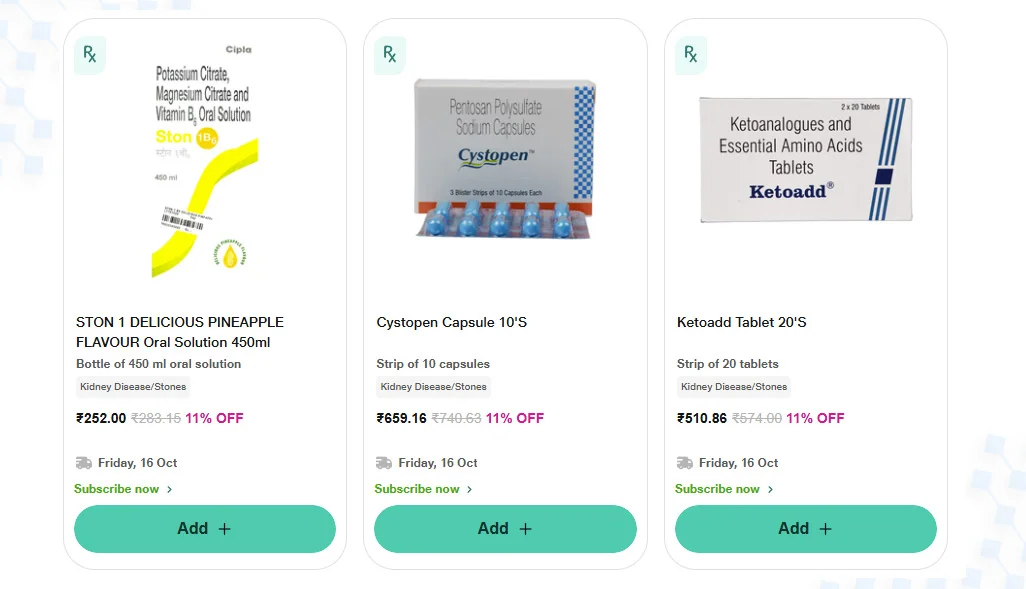
Individual price comparisons offer a snapshot of the online pharmacy market, but historical observations can provide a broader understanding of pricing behavior. Businesses that maintain consistent records can examine whether medicine prices remain stable, promotional discounts change frequently, or availability fluctuates across platforms.
Organized Healthcare Datasets can help researchers compare product prices over defined periods, provided the records contain consistent product identifiers, collection timestamps, and relevant listing information. Standardizing brand names, strengths, formulations, and pack sizes is essential because different descriptions may refer to different products. Without suitable normalization, analysts risk combining unrelated listings and producing inaccurate conclusions about pricing changes or competitive performance.
When businesses conduct Medicine Price Data Scraping From Tata 1mg, PharmEasy and Netmeds, they can build structured historical records that make repeated comparisons easier to manage. Analysts can use these records to examine price movements, measure discount changes, and identify recurring promotional periods. However, listing information alone cannot establish actual sales volumes, consumer demand, or purchasing behavior.
Useful practices for historical price analysis include:
- Maintain consistent product identifiers across records.
- Store collection dates and timestamps.
- Track selling prices and discount percentages over time.
- Flag duplicate listings and incomplete information.
- Separate observed price changes from assumptions about demand.
| Data field | Analytical purpose | Example application |
|---|---|---|
| Product identifier | Match equivalent listings | Compare the same medicine pack |
| Selling price | Measure price movement | Track changes over time |
| Discount percentage | Evaluate promotional activity | Compare discount patterns |
| Availability status | Record listing conditions | Identify stock fluctuations |
| Timestamp | Establish collection chronology | Build historical comparisons |
Data quality should remain central throughout the collection and analysis process. Teams should identify duplicate entries, flag missing fields, validate unusually large price changes, and maintain clear records of when information was collected. They should also recognize that discontinued listings and temporary stock shortages can affect historical comparisons.
How Web Data Crawler Can Help You?
Businesses researching pharmacy pricing need a consistent workflow that reduces repetitive manual work and makes comparisons easier to maintain. With Medicine Price Data Scraping From Tata 1mg, PharmEasy and Netmeds, organizations can establish structured workflows for reviewing listed prices, available discounts, product specifications, and stock information.
A practical workflow can support the following activities:
- Identify relevant medicine listings across selected platforms.
- Collect publicly accessible prices and discount details.
- Standardize product descriptions and pack specifications.
- Record timestamps for recurring price comparisons.
- Validate missing fields and unusual price changes.
- Export organized records for research and reporting.
These activities can help businesses maintain more consistent pricing records while reducing repetitive data handling. Quality assurance remains necessary because websites may change their layouts, listing structures, and promotional conditions.
For projects requiring integration with existing analytics systems, a Medicine Price Data Extraction API for Indian Pharmacies may support the transfer of structured pricing information, depending on the provider's capabilities and authorized access. Businesses should evaluate data coverage, update frequency, output formats, validation options, and technical support before selecting a solution.
Conclusion
Comparing medicine prices across online pharmacy platforms requires accurate product matching, consistent discount calculations, and reliable records of availability and collection times. Medicine Price Data Scraping From Tata 1mg, PharmEasy and Netmeds helps businesses organize publicly accessible pricing information for competitor analysis, historical monitoring, and market research.
A well-planned workflow can help organizations evaluate promotional strategies, monitor price changes, and identify useful patterns across medicine listings. Choosing suitable collection methods and maintaining responsible data practices are essential for dependable results. Contact Web Data Crawler today to discuss your requirements and explore a customized solution for online pharmacy price monitoring, structured data collection, and competitive market analysis.