
What Makes Manual Grocery Price Tracking Problems Solutions a Hidden Cost for Modern Grocery Retail?
Sep 11
Introduction
Grocery retailers often depend on spreadsheets, screenshots, store visits, and repeated website checks to monitor changing prices. While these methods appear manageable initially, growing product catalogs and frequent updates quickly increase workload. The hidden expense comes from employee hours, delayed reporting, inconsistent records, and missed pricing changes across multiple channels.
As competition intensifies, pricing teams need timely information covering products, promotions, availability, pack sizes, and regional differences. Grocery Data Scraping for Real Insights helps businesses replace repetitive collection with structured information that can support faster analysis. This becomes increasingly important when retailers track hundreds or thousands of products daily.
The challenge is not simply collecting prices but maintaining reliable information at the required frequency. Manual Grocery Price Tracking Problems Solutions can help retailers rethink repetitive monitoring activities, reduce operational friction, and create a more consistent process. With Web Scraping Grocery Delivery Data, teams can also compare online grocery pricing patterns across delivery platforms more efficiently.
Hidden Labor Burdens Behind Expanding Grocery Price Monitoring Operations
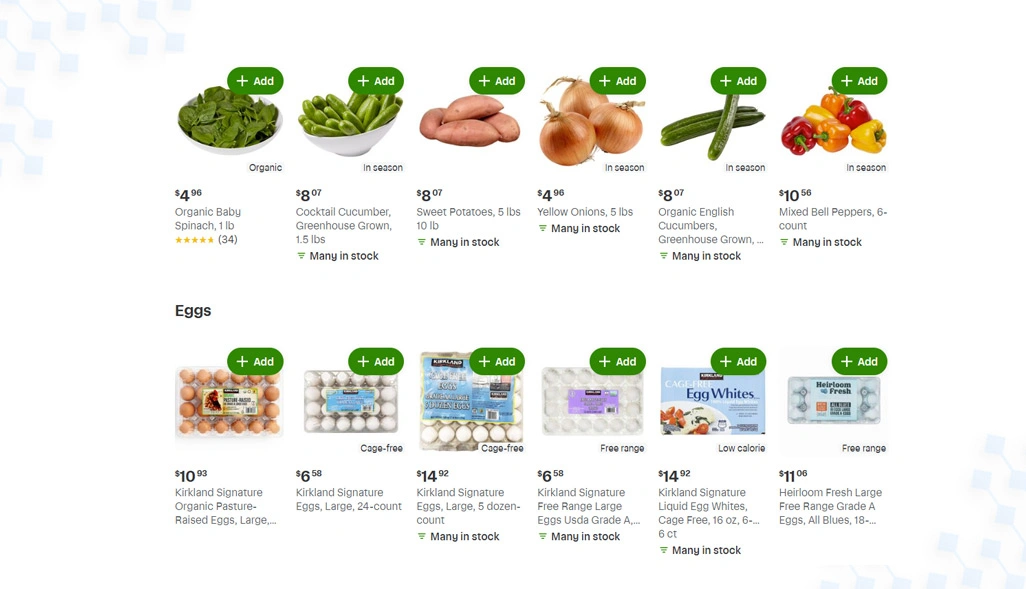
Manual grocery price tracking can consume substantial employee time when teams repeatedly search products, record prices, compare competitors, and verify promotional changes. What starts as a simple spreadsheet activity becomes increasingly demanding as retailers add more products, locations, channels, and competing stores. The resulting labor requirement can quietly become a recurring operational expense.
For retailers operating across fast-moving markets, the workload becomes even more difficult when prices change multiple times throughout the day. Instead of allowing employees to spend hours checking individual listings, Quick Commerce Data Scraping Services can support recurring collection from relevant digital sources. This approach helps teams redirect their working hours toward pricing analysis and commercial planning.
Several areas commonly contribute to increasing operational workload:
- Repeated competitor price checking
- Manual spreadsheet maintenance
- Product information verification
- Promotional offer comparison
- Regional price monitoring
- Historical record preparation
The hidden cost also includes the time required to organize collected information before analysts can actually use it. Employees may need to correct formatting, remove duplicate records, verify product details, and investigate unusual price movements. These additional activities create a chain of manual tasks that can make the overall monitoring process slower than expected.
Operational Area, Common Manual Challenge, and Resulting Pressure:
| Operational Area | Common Manual Challenge | Resulting Pressure |
|---|---|---|
| Product Checks | Repeated searches | Higher staff workload |
| Price Recording | Spreadsheet updates | More administration |
| Competitor Review | Frequent comparisons | Slower analysis |
| Promotion Checks | Manual verification | Delayed reporting |
As product coverage expands, these small activities can accumulate into a significant recurring cost. A more structured collection process can therefore improve productivity while reducing the amount of employee time devoted to repetitive monitoring.
Rising Operational Delays Across Fast Moving Grocery Pricing Workflows
Price information becomes less useful when it reaches decision-makers after competitors have already changed their offers. Manual processes often involve collecting information, entering it into spreadsheets, checking for errors, and preparing reports before analysts can evaluate market movements. Each additional step increases the possibility of delays.
Retailers operating in highly competitive environments need frequent visibility into competitor prices, discounts, availability, and promotional changes. When Web Scraping Grocery Prices Dataset resources are incorporated into a structured workflow, businesses can maintain organized information for historical comparison and recurring analysis. This can reduce the dependence on scattered manual records.
Important areas affected by delayed monitoring include:
- Competitor price comparisons
- Promotional change detection
- Regional pricing analysis
- Product availability reviews
- Historical trend evaluation
- Pricing report preparation
Maintaining consistent update schedules can also be challenging. Some products may be checked daily, while others are reviewed only when time allows. With Live Crawler Services supporting regular data collection, teams can reduce these gaps, maintain better competitive visibility, and distinguish temporary price changes from broader market trends.
Monitoring Factor, Manual Approach, and Structured Approach:
| Monitoring Factor | Manual Approach | Structured Approach |
|---|---|---|
| Collection | Periodic checks | Scheduled collection |
| Change Detection | Human review | Automated comparison |
| Records | Spreadsheet based | Centralized storage |
| Reporting | Often delayed | Faster preparation |
Frequent data collection can give pricing teams a more dependable foundation for evaluating market changes. When information arrives consistently, analysts can spend less time searching for updates and more time interpreting pricing patterns, promotional activity, and competitive movements.
Critical Data Gaps That Weaken Everyday Grocery Pricing Decisions
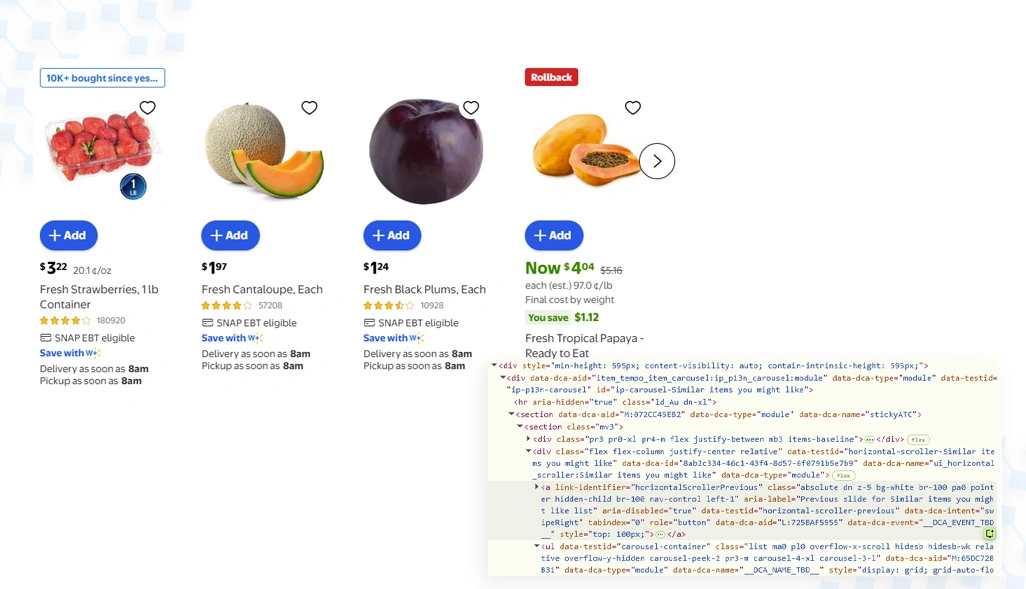
Manual collection can create inconsistencies that are difficult to identify once datasets become large. Employees may record different product names, overlook pack-size variations, miss promotional conditions, or enter incorrect values. Even a small number of inaccurate records can affect competitor comparisons and eventually influence pricing decisions.
Structured connectivity can reduce some of these challenges by moving collected information into systems where pricing teams can review standardized records. For recurring monitoring workflows, a Grocery Price Monitoring API can help deliver organized pricing information to downstream applications, dashboards, or internal analytical systems without requiring employees to repeatedly copy data.
Retail teams commonly need to manage several data-quality considerations:
- Product name consistency
- Pack-size verification
- Price accuracy
- Promotional condition checks
- Duplicate record removal
- Historical data organization
Product matching is another important concern because similar products may appear under different descriptions, sizes, or packaging formats. Employees reviewing large catalogs manually may struggle to maintain consistent comparisons. Over time, these inconsistencies can make historical analysis less reliable and complicate the identification of genuine pricing movements.
Data Issue, Possible Consequence, and Operational Impact:
| Data Issue | Possible Consequence | Operational Impact |
|---|---|---|
| Missing Values | Incomplete comparisons | Lower confidence |
| Duplicate Records | Inflated datasets | Confusing analysis |
| Wrong Matching | Incorrect benchmarks | Pricing risk |
| Old Information | Outdated comparisons | Delayed action |
Browser-based collections can also support structured monitoring across digital retail environments. A Browser Data Crawler can help collect information from accessible pages while reducing repetitive browsing activities performed manually by employees.
Improving data consistency ultimately supports better analytical outcomes. When product records are standardized and regularly refreshed, pricing teams can work with cleaner information and reduce the operational friction associated with correcting manually collected records.
How Web Data Crawler Can Help You?
Modern grocery operations require more than occasional price checks. Teams need structured collection processes that can continuously capture, organize, and prepare information for analysis. When Manual Grocery Price Tracking Problems Solutions are addressed through automated workflows, retailers can reduce repetitive work while improving monitoring consistency across products, competitors, and locations.
Key ways automated workflows can support grocery pricing teams include:
- Automating repetitive product price collection across selected sources.
- Scheduling recurring data extraction based on monitoring requirements.
- Organizing collected information into consistent and usable formats.
- Identifying pricing changes without relying entirely on manual reviews.
- Supporting historical records for trend and competitor analysis.
- Reducing spreadsheet dependency across recurring monitoring activities.
A structured approach also makes it easier to connect collected information with internal dashboards, reporting systems, and analytical workflows. With Automated vs Manual Grocery Price Tracking, businesses can evaluate operational differences across speed, consistency, workload, and scalability while selecting an approach suited to their monitoring requirements.
Conclusion
Grocery retailers cannot treat repetitive price checking as a minor administrative task when product ranges, competitors, and update frequencies continue expanding. Manual Grocery Price Tracking Problems Solutions can help organizations identify inefficient workflows and replace unnecessary manual effort with more consistent monitoring processes.
The long-term objective is to build a monitoring process that remains accurate as product coverage grows. Businesses evaluating Grocery Fmcg Pricing Data Scraping Services can build a stronger foundation for scalable pricing intelligence and recurring competitive monitoring. Contact Web Data Crawler today to build smarter, faster, and more reliable grocery price monitoring workflows.