


How Does Live Europe EV Charging Station Scraping for Mobility Client Support Mobility Planning?
11 August, 2026
Introduction
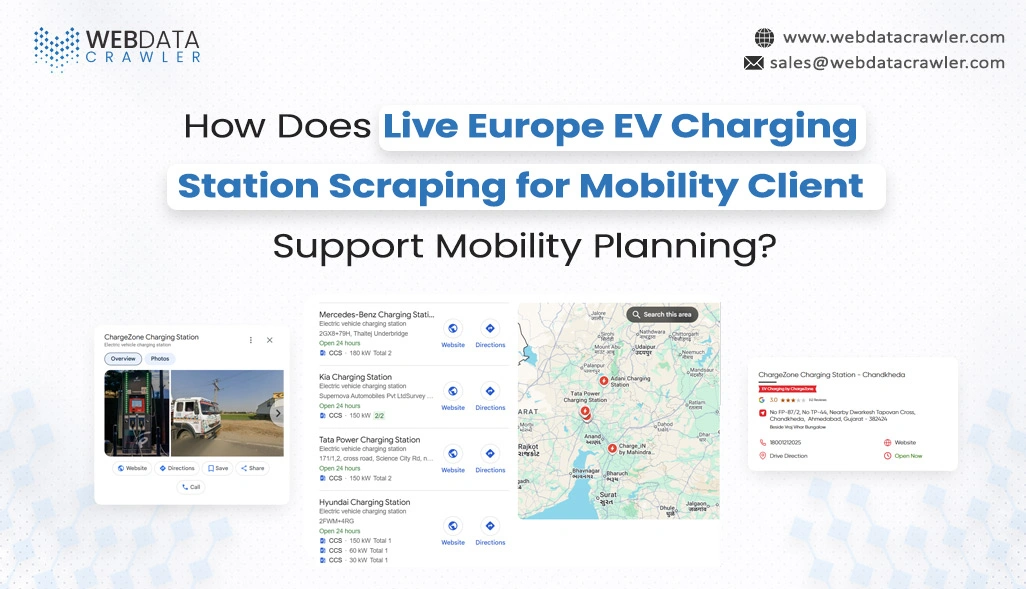
Electric mobility planning across Europe depends on timely information about charging infrastructure, station locations, connector availability, and regional coverage. Live Europe EV Charging Station Scraping for Mobility Client helps mobility businesses organize current charging information into structured datasets for route planning, operational analysis, and network monitoring.
European charging networks continuously change as operators add stations, modify availability, and expand geographic coverage. Businesses can use Enterprise Web Crawling to collect information from multiple public sources and organize relevant records consistently. This creates a clearer view of infrastructure conditions across countries, cities, highways, and important travel corridors.
Accurate charging information can support mobility platforms, fleet operators, navigation providers, and transportation planners. By combining location, station, accessibility, and network information, businesses can evaluate charging coverage more effectively. This approach also supports timely operational decisions where outdated infrastructure information could affect journey planning and customer experience.
Building Reliable European Charging Intelligence For Mobility Planning
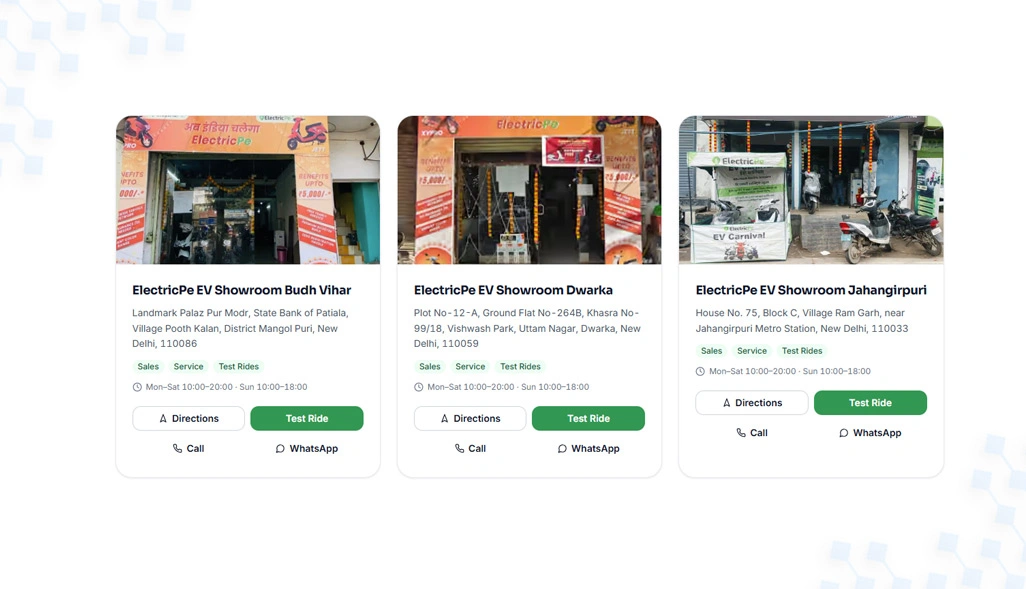
European mobility planning depends on accurate information about charging infrastructure across cities, highways, and regional travel corridors. Mobility providers need structured records that show where stations operate, which infrastructure attributes are available, and how charging coverage differs between markets. This information can support route evaluation, fleet planning, and infrastructure assessments.
Through EV Charging Station Location Data Extraction, businesses can organize coordinates, addresses, operator names, connector information, and accessibility attributes into consistent records. Such structured information makes it easier to compare charging availability across multiple locations and identify regions where infrastructure may require further attention.
Customer-oriented intelligence can add another useful layer to charging analysis. Sentiment Analysis can help interpret feedback associated with charging experiences, highlighting recurring concerns related to reliability, accessibility, waiting times, or station usability. Combining operational information with experience-based signals can provide mobility teams with a broader understanding of charging conditions.
Key information can be organized around practical planning requirements:
- Station coordinates and geographic coverage
- Operator and network identification
- Connector and charging specifications
- Accessibility and operating information
- Regional infrastructure comparisons
| Planning Area | Practical Application |
|---|---|
| Geographic Coverage | Regional infrastructure assessment |
| Station Attributes | Charging compatibility evaluation |
| Operator Information | Network comparison |
| Accessibility Details | Journey planning support |
Together, these structured records help mobility businesses evaluate charging infrastructure more consistently and prepare reliable information for route planning, fleet operations, and regional mobility strategies.
Tracking Charging Network Changes Across European Markets
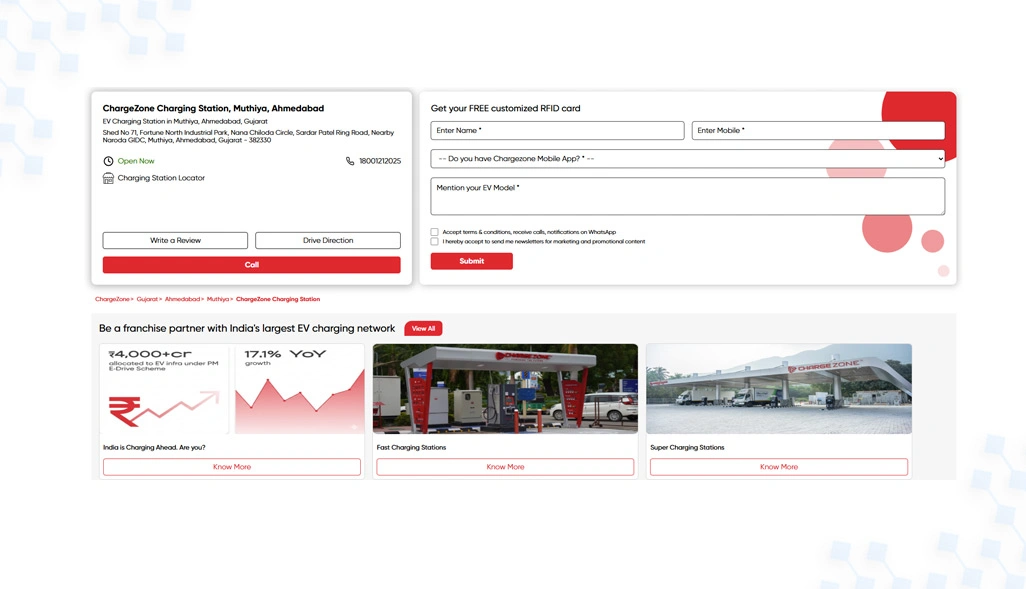
European charging infrastructure continues to develop as operators introduce new stations, modify existing facilities, and expand their networks into emerging mobility corridors. Mobility businesses therefore require regularly refreshed information to understand infrastructure changes and maintain useful records for planning, analysis, and operational decision-making.
Using Live Crawler Services, businesses can establish recurring collection workflows for charging station information across multiple sources. These workflows can capture newly listed locations, updated station attributes, and other relevant changes according to defined collection requirements. Regular monitoring helps reduce dependence on outdated spreadsheets and manually maintained records.
Continuous data collection can also help mobility teams compare charging density across countries, cities, highways, and other important travel areas. When records are refreshed consistently, analysts can identify changing infrastructure patterns and assess whether particular regions are becoming better served or continue to show coverage limitations.
Important monitoring activities can include:
- Tracking newly appearing charging locations
- Identifying modifications to station attributes
- Comparing infrastructure across European regions
- Maintaining consistent geographic information
- Organizing recurring collection schedules
| Monitoring Area | Planning Purpose |
|---|---|
| New Stations | Expansion assessment |
| Updated Attributes | Record maintenance |
| Regional Density | Coverage comparison |
| Network Changes | Infrastructure monitoring |
A recurring collection approach gives mobility organizations a more dependable information base for evaluating charging infrastructure. It can also support operational teams that need current records when planning services, comparing markets, or reviewing changing mobility requirements.
Structuring Charging Information For Better Route Decisions
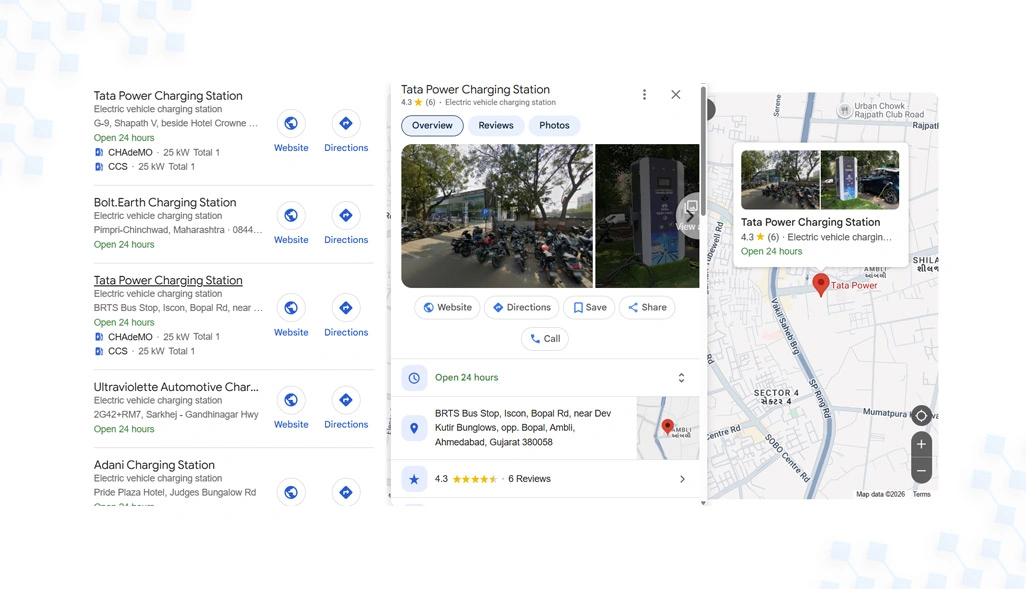
Effective mobility planning requires charging information that can be filtered, compared, and connected with other operational requirements. Station locations alone may not provide enough context for route evaluation. Businesses can benefit from structured records containing relevant infrastructure attributes that help determine suitable charging points across different European journeys.
An EV Charging Station API Scraper for Insights can support systematic collection of station information for analytical workflows. Relevant records may include coordinates, connector types, operator information, accessibility details, and other attributes required by a mobility application. Structured collection can simplify the movement of charging information into analytical environments and operational systems.
A consistent Dataset can also help teams evaluate potential charging stops according to distance, vehicle compatibility, regional coverage, and other route-related factors. Analysts can filter records based on defined requirements and combine charging information with internal mobility data to create more practical planning models.
Useful route-planning considerations include:
- Distance between potential charging stops
- Connector compatibility with vehicle types
- Geographic coverage across planned journeys
- Station attributes relevant to accessibility
- Regional charging density and availability
| Route Factor | Planning Use |
|---|---|
| Station Distance | Stop selection |
| Connector Type | Vehicle compatibility |
| Geographic Position | Route evaluation |
| Regional Coverage | Infrastructure assessment |
By organizing charging information into consistent structures, mobility teams can evaluate potential stops more efficiently and support planning activities across different countries, routes, fleets, and transportation scenarios. This creates a stronger foundation for data-driven mobility operations.
How Web Data Crawler Can Help You?
For mobility businesses handling extensive European infrastructure information, Live Europe EV Charging Station Scraping for Mobility Client can support recurring collection and structured data management. We can gather relevant charging station information from multiple sources and organize records according to specific business requirements.
Key capabilities include:
- Collecting station information across multiple European regions
- Structuring location and infrastructure attributes consistently
- Supporting recurring data collection workflows
- Filtering records according to defined business requirements
- Preparing information for analytical and operational systems
- Delivering structured outputs suitable for business applications
With the collected information, Benefits of EV Charging Station Scraped Datasets become more practical for mobility intelligence, infrastructure comparison, service planning, and route-related analysis. The resulting data can help businesses evaluate charging availability and regional infrastructure patterns using regularly refreshed records.
Conclusion
Reliable charging infrastructure information is increasingly important for mobility platforms, fleet operators, and transportation planners operating across Europe. Live Europe EV Charging Station Scraping for Mobility Client can provide structured station information that supports network monitoring, infrastructure evaluation, and data-driven mobility decisions across multiple markets.
When location and station attributes remain current, businesses can make route-related decisions with greater consistency. How EV Charging Scraped Data Supports Route Planning becomes especially valuable when mobility teams need structured information for evaluating charging stops and regional coverage. Connect with Web Data Crawler today to build your customized EV charging data solution.