


What Can Lazada vs Shopee Data Scraping for Southeast Asia's Insights Show About Online Demand?
Sep 09
Introduction
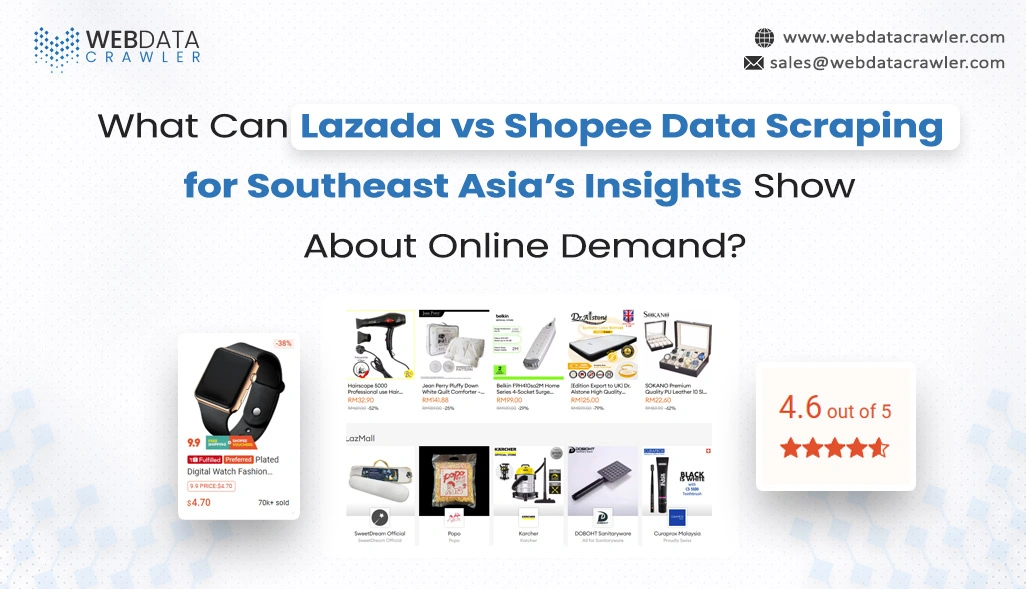
Southeast Asia's e-commerce ecosystem continues to evolve through changing consumer preferences, competitive pricing, expanding product assortments, promotional campaigns, and seller activity. Lazada and Shopee provide extensive marketplace information that businesses can analyze to understand demand movements and competitive conditions across regional markets.
Lazada vs Shopee Data Scraping for Southeast Asia's Insights enables businesses to organize marketplace information around products, prices, sellers, ratings, discounts, and availability. By using Scrape Shopee Product Data, analysts can evaluate assortment changes, promotional patterns, product visibility, and purchasing signals across different Southeast Asian categories.
Structured marketplace datasets also make cross-country analysis more practical. Businesses can compare product positioning, pricing movements, seller strategies, and availability patterns while identifying differences between marketplaces. These insights can support pricing research, assortment planning, competitor monitoring, and broader regional e-commerce analysis.
Fresh Marketplace Signals Reveal New Patterns in Southeast Asian Demand
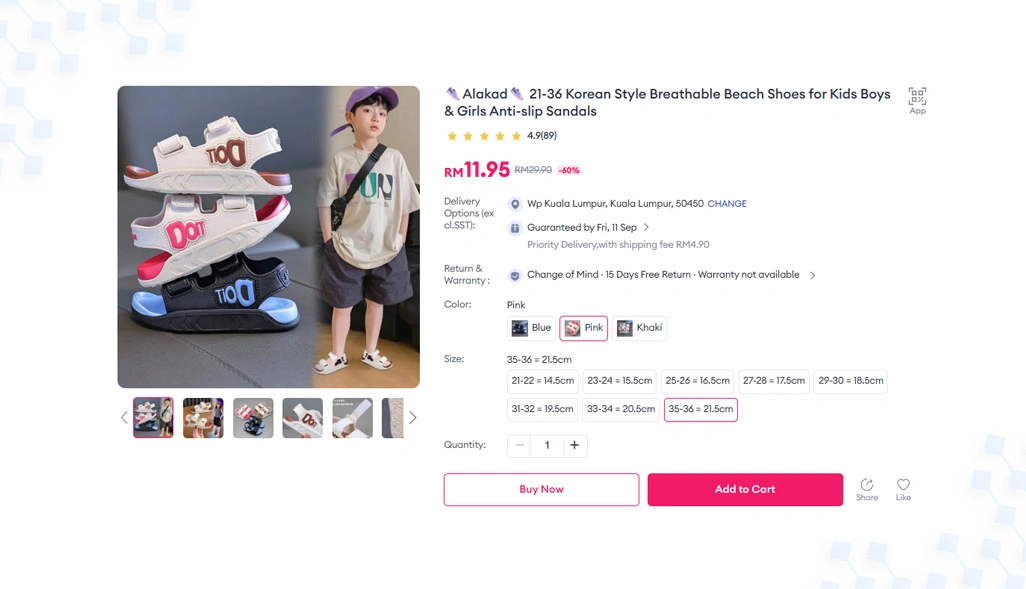
Southeast Asian marketplaces contain constantly changing product information that can provide useful signals about online demand. Product prices, discounts, seller counts, ratings, availability, and assortment depth can change according to consumer interest and competitive activity. Businesses that consistently monitor these attributes can identify which categories are becoming more active and which products are receiving greater marketplace attention.
This creates a clearer foundation for evaluating assortment movements and identifying recurring patterns within regional marketplace activity. Lazada Product Data Scraping for Better Strategies can organize product-level information into structured records that are easier to compare. Analysts can examine product titles, brands, specifications, prices, discounts, ratings, and seller information across multiple categories.
Businesses can further segment marketplace information by country, category, brand, seller, and pricing range. This segmentation can help identify products receiving stronger marketplace activity and categories showing wider assortment changes. Important analytical areas include:
- Product availability and stock signals
- Category-level assortment movements
- Seller participation and activity
- Discount and promotional patterns
- Product ratings and review signals
- Price differences between comparable products
Regular collection also makes it possible to compare marketplace conditions over time rather than relying on isolated observations. Changes in discount frequency, price positioning, product availability, and seller participation can indicate shifting competitive conditions. Scrape Lazada Product Data can support these monitoring activities by creating consistent records for category-level and product-level comparisons.
Data Area, Illustrative Coverage, and Analysis Focus:
| Data Area | Illustrative Coverage | Analysis Focus |
|---|---|---|
| Product records | 50,000+ | Assortment evaluation |
| Sellers | 2,500+ | Competitive activity |
| Categories | 120+ | Market segmentation |
| Price observations | 4–6 weekly | Price movement |
| Discount range | 10–40% | Promotion analysis |
Strategic Pricing Movements Highlight Competitive Opportunities Across Regional Marketplaces
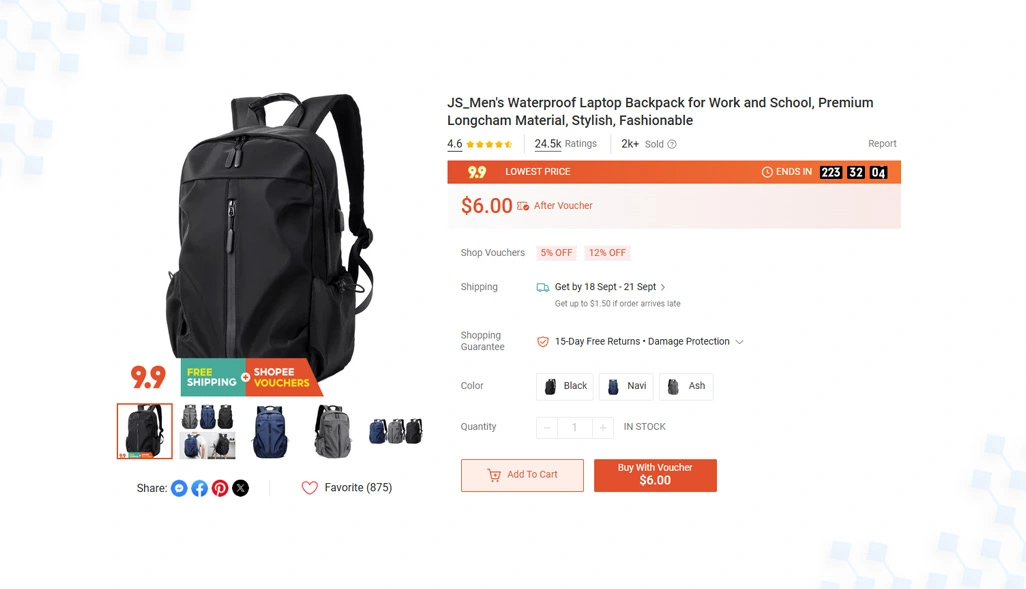
Pricing differences between major marketplaces can reveal important competitive signals for brands, retailers, and analysts. Similar products may appear at different prices because of seller strategies, promotional campaigns, marketplace fees, availability, or category-specific competition. Tracking these differences provides a stronger basis for understanding how pricing conditions vary across Southeast Asian e-commerce channels.
A structured Shopee Product and Pricing Dataset can bring product names, brands, prices, discounts, ratings, seller information, and availability into a consistent format. Analysts can then compare comparable products without manually collecting information from individual marketplace pages. This supports faster evaluation of pricing ranges and competitive positioning across categories.
Combining historical observations with current marketplace records can provide additional context for pricing decisions. Teams can identify recurring price changes, unusual discount movements, seller-level variations, and differences between competing products. Useful comparison areas include:
- Average listed price by category
- Promotional discount frequency
- Seller-level price variation
- Product rating distribution
- Availability differences
- Brand-level pricing positions
Businesses can also examine how promotional intensity affects marketplace positioning. Frequent discounts may indicate aggressive competition, seasonal campaigns, or category-specific purchasing activity. Shopee E-Commerce Data Scraping Across the Southeast Asia can help organize information across regional markets, allowing analysts to evaluate pricing behavior and assortment differences through a consistent analytical framework.
Comparison Metric, Illustrative Result, and Business Application:
| Comparison Metric | Illustrative Result | Business Application |
|---|---|---|
| Average discount | 18–35% | Promotion evaluation |
| Price variation | 8–25% | Competitive analysis |
| Products per category | 1,000+ | Assortment comparison |
| Rating coverage | 70%+ | Customer-interest assessment |
| Seller variation | 15–30% | Seller benchmarking |
Smarter Data Integration Builds Stronger Foundations for Regional Market Planning
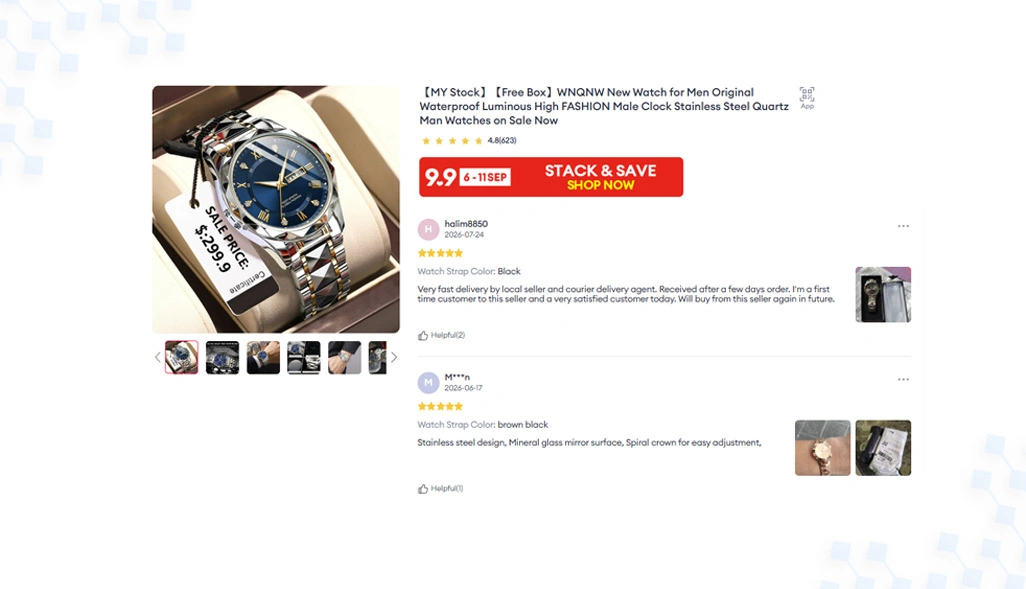
Combining marketplace information can provide a broader perspective on product demand and competitive conditions across Southeast Asia. Instead of evaluating isolated product pages, businesses can structure information around categories, brands, sellers, prices, ratings, discounts, and availability. This creates a more consistent foundation for identifying regional differences and recurring marketplace patterns.
A standardized Lazada Product and Pricing Dataset can support detailed product comparisons by keeping important attributes within consistent fields. Analysts can use these records to evaluate pricing ranges, product availability, seller participation, assortment depth, and promotional activity. Standardization also makes large datasets easier to filter, categorize, and prepare for business intelligence applications.
A broader dataset can also support recurring reporting and trend analysis. Businesses may identify fast-changing categories, monitor product availability, evaluate competitive positioning, and compare marketplace activity over different periods. Key planning areas include:
- Country-level marketplace comparisons
- Category demand segmentation
- Product assortment evaluation
- Seller activity monitoring
- Promotional trend analysis
- Historical pricing assessment
Cross-marketplace analysis becomes more useful when comparable information is collected from multiple sources and organized using common data structures. Asean E-Commerce Data Scraping can help consolidate regional marketplace records, allowing teams to examine differences between countries, categories, sellers, and product segments without depending on fragmented manual observations.
Planning Dimension, Illustrative Coverage, and Analytical Objective:
| Planning Dimension | Illustrative Coverage | Analytical Objective |
|---|---|---|
| Product records | 100,000+ | Regional market analysis |
| Categories | 100+ | Demand segmentation |
| Price differences | 10–30% | Competitive benchmarking |
| Availability records | Daily | Stock monitoring |
| Seller records | 2,500+ | Marketplace comparison |
How Web Data Crawler Can Help You?
Large marketplace environments can generate substantial volumes of information that become difficult to collect and maintain manually. We can support automated data collection workflows designed around product details, prices, seller information, ratings, discounts, and availability.
This approach can make recurring marketplace monitoring more systematic while reducing repetitive collection work. Lazada vs Shopee Data Scraping for Southeast Asia's Insights can be incorporated into a structured workflow that collects marketplace information at defined intervals.
Key capabilities can include:
- Automating recurring marketplace data collection
- Capturing product and seller attributes consistently
- Monitoring price and discount changes
- Tracking product availability across categories
- Organizing regional marketplace records
- Preparing structured outputs for analytics
After collection, businesses can process marketplace information according to specific analytical requirements. Scrape Shopee & Lazada Product Dataset workflows can help bring information from both marketplaces into a consistent structure, making cross-platform comparisons, regional reporting, and ongoing competitive monitoring more practical.
Conclusion
Southeast Asia's e-commerce marketplace environment changes continuously as sellers adjust prices, brands introduce products, promotions fluctuate, and consumer preferences shift. Lazada vs Shopee Data Scraping for Southeast Asia's Insights can help businesses organize these marketplace signals and evaluate product assortment, pricing, seller activity, discounts, and availability through structured data.
A consistent data workflow can provide stronger support for regional market analysis, competitive benchmarking, assortment planning, and pricing research. Lazada Product Data Scraping for Better Strategies can contribute to recurring marketplace intelligence and more informed business planning. Connect with Web Data Crawler today to build a structured marketplace data collection workflow for Southeast Asian e-commerce analysis.