
How Does Lazada Data Scraping for Seller and Offer Comparison Reveal Competitor Pricing Trends?
Oct 22
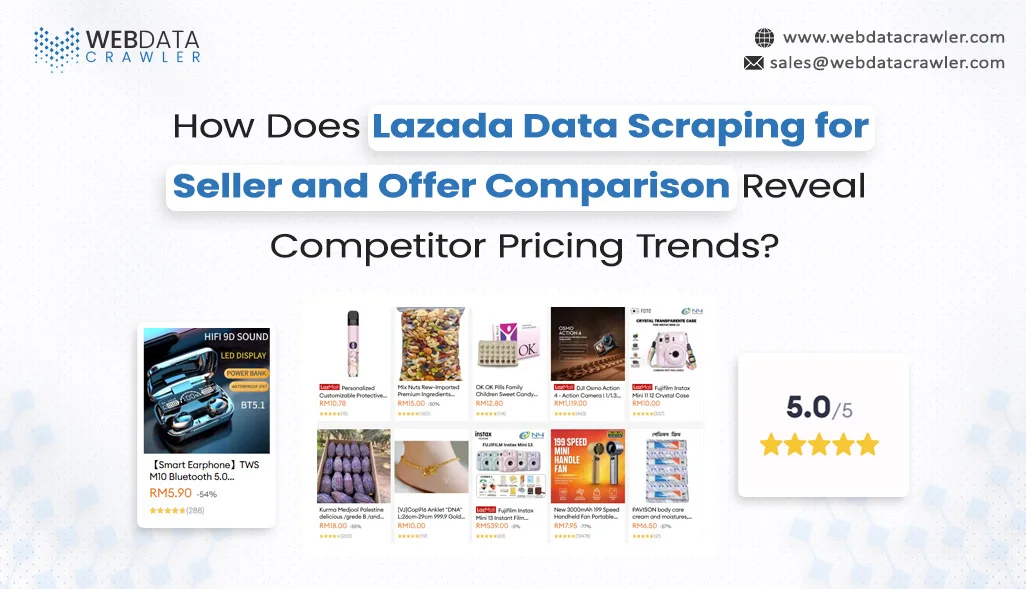
Introduction
In the rapidly evolving Southeast Asian e-commerce landscape, maintaining optimal pricing strategies requires real-time marketplace insights. Brands and marketplace merchants must continuously track rival storefronts, product bundles, and discount schemes to prevent margin erosion. Automated data extraction provides a structured approach to analyzing competitor behavior across diverse regional seller networks.
By deploying Lazada Data Scraping for Seller and Offer Comparison, businesses can effortlessly convert unstructured marketplace listings into actionable strategic assets. This systematic process captures detailed product specifications, stock levels, and merchant ratings. Having access to precise seller-level data allows brands to refine dynamic pricing models and respond swiftly to market fluctuations.
Leveraging a reliable Lazada E-Commerce Data API streamlines the aggregation of large-scale pricing metrics and promotional shifts. Companies gain a transparent view of competing offers, seller metrics, and regional price variations. These data-driven insights enable retailers to optimize positioning, protect market share, and maximize revenue across digital marketplaces.
Strategic Tracking of Live Product Price Shifts and Marketplace Discounts
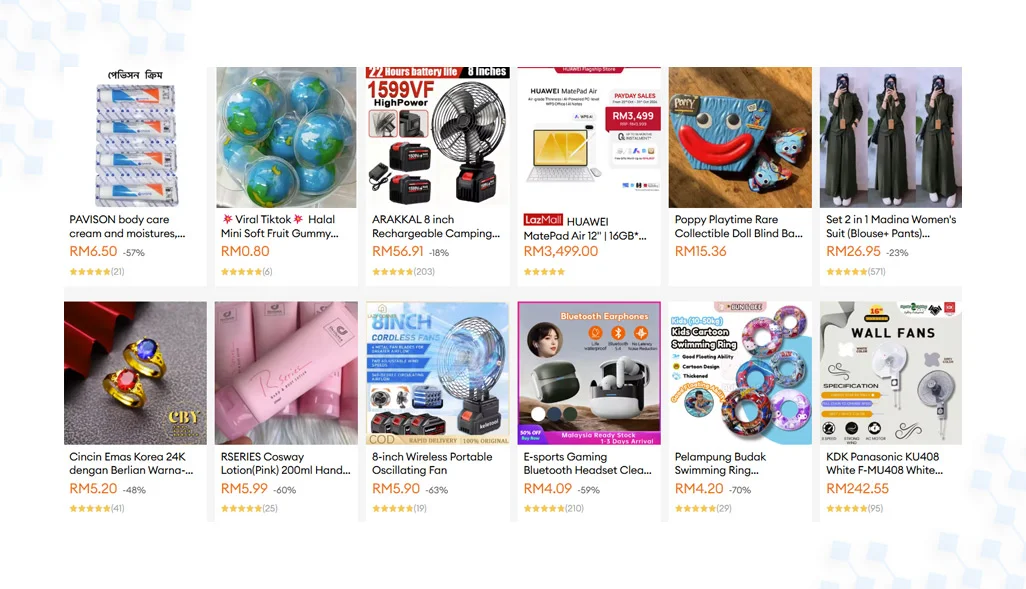
E-commerce marketplaces utilize automated dynamic pricing structures that shift multiple times throughout a single calendar day. Enterprise strategy teams must monitor live pricing adjustments, seller vouchers, and bundle deals to maintain competitive parity. Implementing a tailored Lazada Product Data Scraping workflow allows organizations to systematically archive historical pricing behaviors and detect flash promotion cycles. Capturing real-time price drops helps brands instantly identify when competing vendors initiate aggressive market share acquisition tactics.
Continuous monitoring reveals clear patterns in seasonal promotional campaigns, price undercut strategies, and regional tier variations. Analyzing micro-adjustments during high-volume sales events like 11.11 provides critical clarity on rival margin thresholds. Commercial teams can effectively separate short-term promotional clearance efforts from permanent structural price reductions. Detailed historical logs enable pricing managers to forecast strategic merchant moves before major shopping holidays begin.
Analyzing seller pricing data provides key metrics to evaluate promotional aggressive strategies across product lines:
- Frequency and depth of temporary flash sale price reductions.
- Application rates of seller-funded vouchers on total order totals.
- Multi-buy discount structures that drive higher average order values.
- Regional baseline price variances across different seller territories.
| Pricing Metric Tracked | Data Capture Frequency | Analytical Strategic Insight Obtained |
|---|---|---|
| Flash Sale Price | Hourly | Short-term competitor discount caps |
| Seller Voucher Value | Daily | Net effective price paid by consumers |
| Multi-buy Discounts | Daily | Bundle pricing tactics and cross-selling |
| Base Listing Price | Real-time | Standard MSRP changes and market baseline |
Industry benchmarks show that automated price tracking helps businesses respond to market changes 68% faster, contributing to an average 14% revenue increase during major promotions. Lazada API Integration for Marketplace Analytics supports accurate pricing insights, enabling brands to adjust listings proactively while protecting profit margins.
Deep Analysis of Multiple Merchant Offerings and Buy Box Metrics
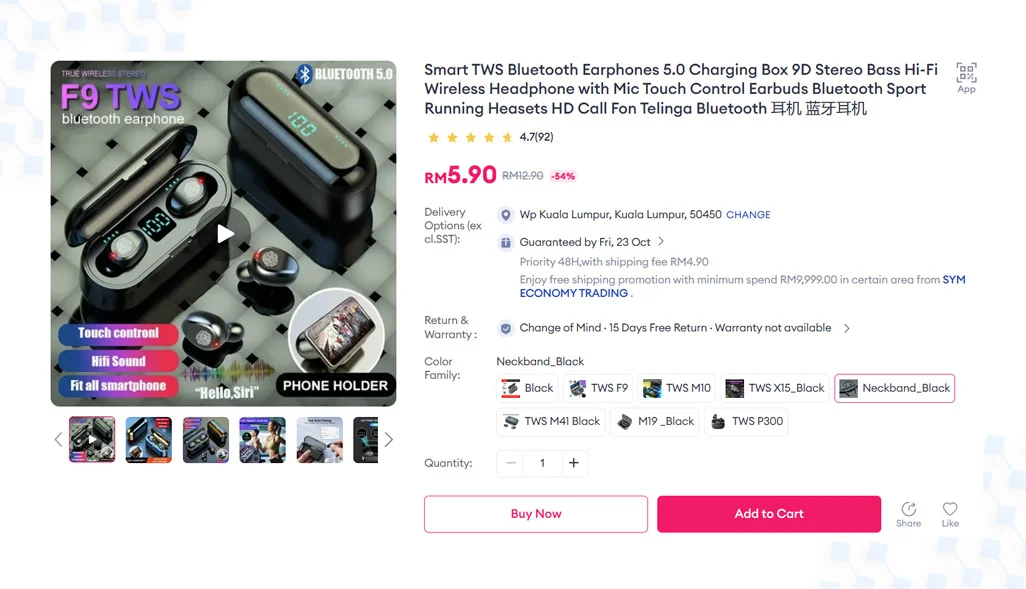
Popular marketplace items are often featured by dozens of independent third-party sellers competing directly for consumer conversion. Organizations must Extract Lazada Seller Details to correlate merchant performance metrics, fulfillment channels, and localized freight charges with final buyer choices. Uncovering seller metrics demonstrates how merchant tenure, positive ratings, and ship-on-time percentages influence Buy Box ownership. Detailed seller profiling helps official brand stores reclaim market share from unauthorized gray-market sellers.
Analyzing multi-seller listings helps category managers understand how fulfillment strategies affect sales. The Lazada E-Commerce Web Scraping Tool supports comparisons between Fulfilled by Lazada (FBL) and merchant-managed delivery to identify operational efficiencies across competing sellers. Localized inventory allocation significantly alters delivery speed, which directly impacts overall customer rating scores and listing visibility. Tracking merchant feedback percentages helps identify high-performing sellers driving category growth.
Evaluating merchant profile attributes reveals critical operational factors that determine buy-box dominance:
- Merchant fulfillment type distinguishing FBL from independent seller dispatch.
- Positive seller feedback scores reflecting customer service and product satisfaction.
- Ship-on-time percentages indicating logistical reliability and dispatch speed.
- Inventory status tracking out-of-stock frequency across authorized and unauthorized stores.
| Seller Attribute | Market Impact Level | Key Operational Metric Analyzed |
|---|---|---|
| Fulfillment Channel | High | FBL vs. Merchant Fulfillment |
| Seller Rating Score | High | Percentage of positive buyer feedback |
| Shipping Speed | Medium | Average dispatch duration and localized delivery |
| Stock Level Status | Critical | Inventory availability and out-of-stock frequency |
Comprehensive seller evaluations highlight gray-market distribution loops and minimum advertised price (MAP) violations across regional channels. Categorizing seller tiers equips brand protection teams with the exact metrics required to address policy compliance issues promptly. Category leaders utilize structured merchant data to forge stronger relationships with top-tier authorized distributors.
Comprehensive Examination of Long Term Market Patterns and Inventory Strategies
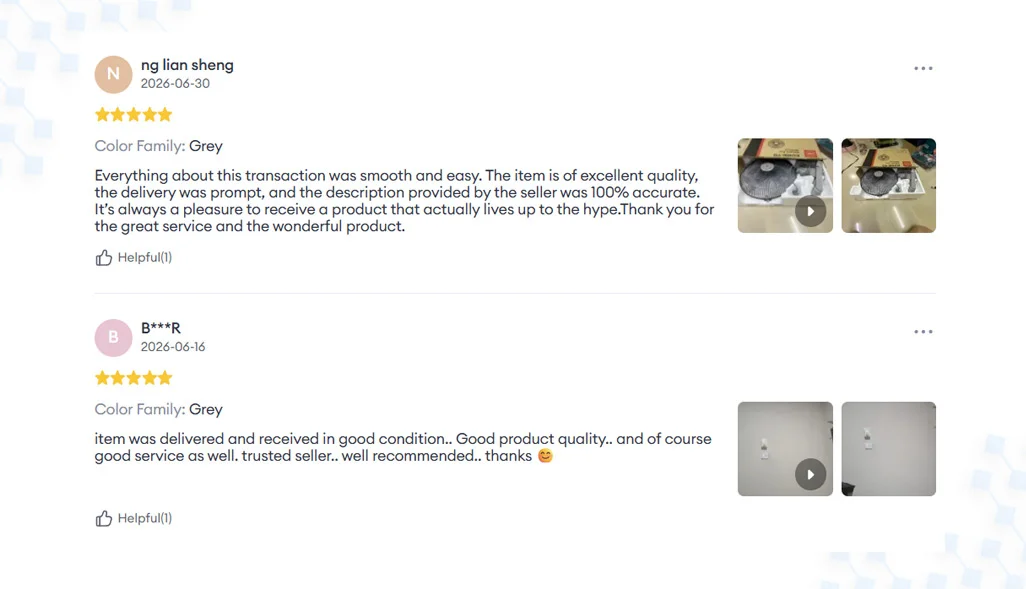
Beyond immediate pricing movements, long-term catalog metrics reveal crucial intelligence regarding strategic inventory velocity and product lifecycle changes. Utilizing Lazada Ecommerce Data Scraping for Competitive Intelligence Growth equips executive teams with predictive insights needed to spot emerging product demand shifts early. Aggregated sub-category inventory movements reveal supply chain bottlenecks and demand displacement patterns.
Persistent markdown trends in the Lazada Product Dataset reveal overstocked inventory and opportunities for premium alternatives, while rapid stock depletion helps teams anticipate competitor shortages and launch timely promotions to attract potential buyers. Tracking review count velocity provides tangible proof of customer adoption rates following major product refreshes. Long-term catalog tracking transforms reactive selling into structured, proactive category leadership.
Long-term marketplace trend analysis focuses on critical operational signals that forecast broader commercial shifts:
- Rapid stock depletion signaling high product demand and potential stockouts.
- Persistent markdown activity indicating overstocked merchant inventory levels.
- Influx of new market sellers signaling heightened category competition and interest.
- Review velocity acceleration reflecting strong post-purchase consumer engagement.
| Category Indicator | Trend Detection Signal | Strategic Commercial Outcome |
|---|---|---|
| Rapid Inventory Depletion | High product demand velocity | Early warning for re-stocking or price increase |
| Persistent Markdown | Overstocked merchant inventory | Opportunity to launch competing premium offerings |
| New Seller Influx | Heightened category interest | Increased competition requiring proactive positioning |
| Review Velocity Surge | High post-purchase activity | Validation of consumer adoption and satisfaction |
Empirical market analysis demonstrates that companies implementing long-term marketplace trend tracking experience up to a 22% reduction in stockout occurrences. Furthermore, these organizations maintain 11% higher profit margins than reactive sellers by optimizing stock replenishment schedules. Detailed historical analytics provide a dependable foundation for sustained cross-border e-commerce expansion.
How Web Data Crawler Can Help You?
Navigating complex marketplace structures demands scalable, robust automated extraction infrastructure capable of bypassing anti-scraping mechanisms and delivering structured feeds seamlessly. Integrating Lazada Data Scraping for Seller and Offer Comparison into your organizational workflow simplifies the collection of clean, structured marketplace data delivered directly into your analytical tools or databases.
- Extract granular merchant data including ratings, response times, and store operational histories.
- Monitor dynamic price changes, promotional vouchers, and bundle deals across regional storefronts.
- Aggregate SKU-level stock availability and inventory velocity across major product categories.
- Capture localized shipping costs, delivery estimates, and fulfillment methods for every offer.
- Build automated custom monitoring pipelines tailored to specific high-value competitor storefronts.
- Export standardized structured datasets formatted for direct integration into enterprise analytical tools.
Modern enterprise solutions offer custom scheduling, anti-bot handling, and custom pipeline builds tailored to your strategic priorities. Businesses looking to expand their technical capabilities can utilize a dedicated Lazada Product Price Scraper to build persistent competitive intelligence frameworks that accelerate growth.
Conclusion
Building a sustainable competitive edge on digital platforms requires detailed visibility into merchant activities, pricing tactics, and dynamic product deals. Implementing an end-to-end framework powered by Lazada Data Scraping for Seller and Offer Comparison ensures your team receives automated, continuous insights into market shifts, enabling rapid price optimization and proactive commercial decision-making.
Establishing automated workflows transforms raw web pages into high-value strategic inputs that directly feed executive dashboards and pricing engines. Modern organizations choose seamless Lazada API Integration for Marketplace Analytics to automate raw web data extraction into enterprise-ready data feeds. Take control of your marketplace performance today with Web Data Crawler specialists to launch your customized intelligence pipeline.