
What Idealista Property Data Scraping for Real Estate Trends Shows About 18% Urban Housing Price Growth?
Jan 01

Introduction
Urban housing markets across Portugal are undergoing measurable transformation, driven by increased buyer demand, limited supply, and changing investment patterns. Cities such as Lisbon, Porto, and Braga are witnessing accelerated price movement, with recent analyses pointing to an 18% growth in select urban zones. Idealista Property Data Scraping for Real Estate Trends enables analysts to convert thousands of active and historical listings into actionable indicators reflecting real market momentum.
Through Idealistaportugal Property Data Scraping Services, stakeholders gain visibility into price evolution, rental yield fluctuations, neighborhood-level demand, and buyer preferences. Instead of relying on fragmented reports, data extraction creates a unified view of listings, price per square meter, listing velocity, and seasonal variations. This approach empowers investors, developers, and analysts to validate assumptions using evidence rather than speculation.
As urban migration continues and remote work reshapes residential preferences, housing data has become a strategic asset. Scraped property intelligence helps identify micro-markets experiencing faster appreciation, areas facing affordability pressure, and zones with emerging demand. When properly structured and analyzed, Idealista-driven datasets reveal not only where prices are rising, but why they are rising—and how long the trend may sustain.
Urban Housing Pressure Driven by Supply Gaps
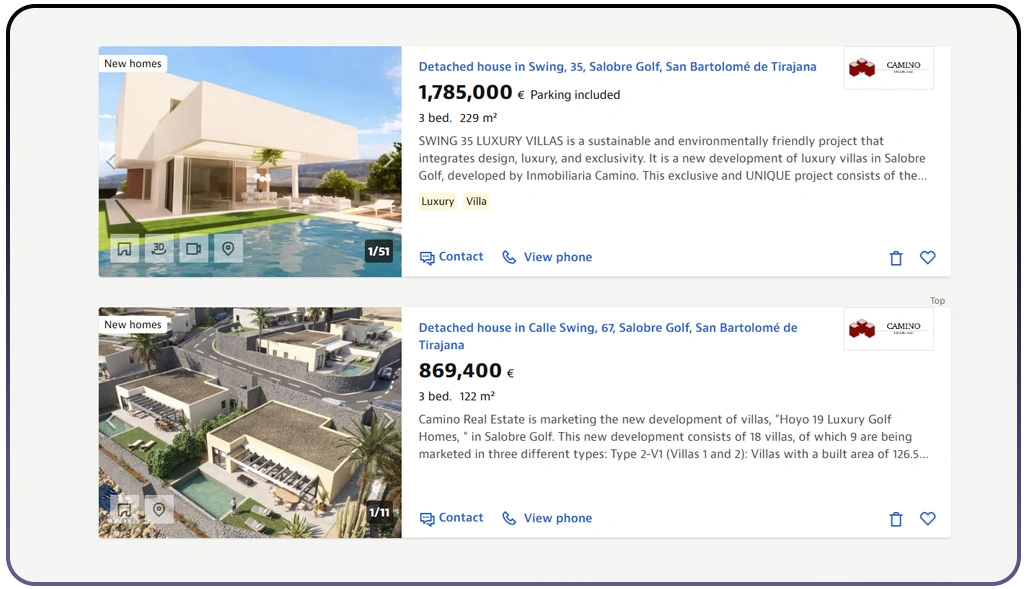
Urban housing prices continue to rise primarily due to structural supply limitations and uneven listing availability across major Portuguese cities. When large volumes of Real Estate Datasets are analyzed together, clear patterns emerge showing that high-demand urban zones experience reduced listing turnover and intensified buyer competition. Central districts face prolonged supply shortages, which amplifies price escalation even during periods of moderate demand growth.
Data aggregation reveals that new listings entering urban markets are often absorbed quickly, leaving minimal inventory for sustained price balance. Smaller residential units dominate transaction activity, particularly among first-time buyers and investors seeking liquidity. Meanwhile, renovation-ready properties attract heightened attention, as buyers prioritize customization potential amid constrained availability.
Urban Market Supply Indicators:
| City | Avg. Annual Price Increase | Listing Volume Change | Buyer Demand Level |
|---|---|---|---|
| Lisbon | 18.2% | Declining | Very High |
| Porto | 15.6% | Stable | High |
| Braga | 12.9% | Moderate Growth | Moderate |
| Coimbra | 9.4% | Increasing | Balanced |
Listing duration analysis shows that properties priced competitively exit the market significantly faster, reinforcing upward price pressure. Areas undergoing infrastructure upgrades or transit expansion show early-stage appreciation signals, making them focal points for investors.
Through structured Property Listings Data Collection Across Portugal, analysts gain the ability to segment housing supply by city, district, property type, and pricing band. This segmentation clarifies where inventory constraints are most severe and where future supply interventions may ease pricing pressure. Ultimately, consistent listing intelligence enables market participants to distinguish temporary price spikes from sustained urban growth trends.
Shifting Buyer Preferences Influencing Price Momentum
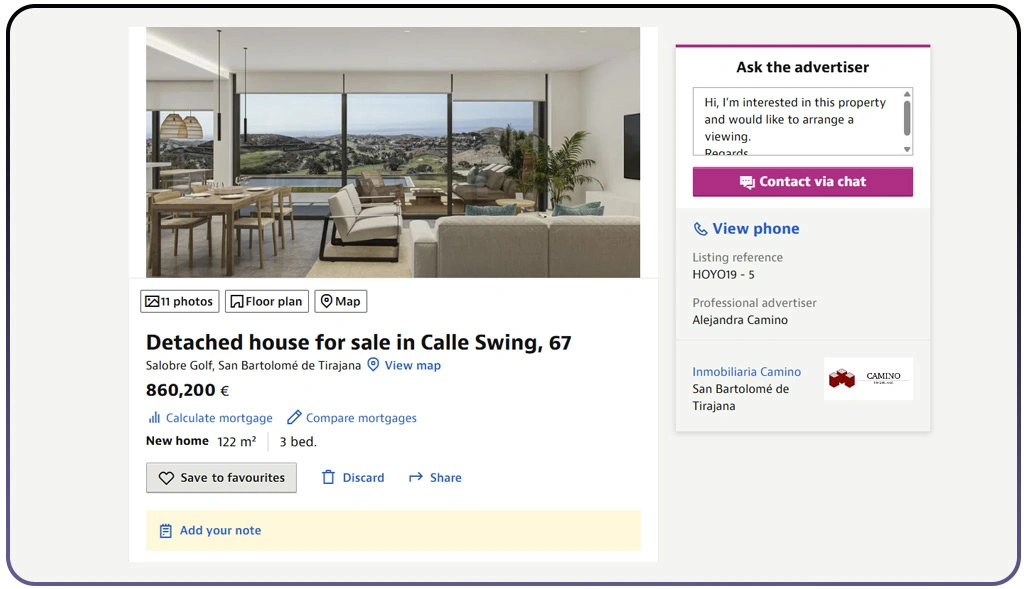
Housing price growth is increasingly shaped by evolving buyer behavior rather than location alone. Engagement signals such as listing views, inquiry rates, and save frequency highlight how preferences influence pricing momentum across urban regions. From a Market Research standpoint, these behavioral indicators provide measurable evidence of demand intensity and purchasing intent.
Analysis shows that buyers increasingly prioritize functional living spaces, energy efficiency, and transit accessibility. Listings featuring flexible layouts or modern upgrades consistently outperform others in engagement metrics. These interaction trends often precede price increases, acting as early signals of market acceleration.
Buyer Engagement Pattern Analysis:
| Property Attribute | Engagement Increase |
|---|---|
| Dedicated Work Areas | +22% |
| Public Transport Access | +19% |
| Energy-Efficient Ratings | +16% |
| Renovation Potential | +14% |
Search behavior also indicates that buyers are expanding their geographic scope while maintaining strong interest in urban connectivity. Well-connected neighborhoods outside traditional city centers now experience sustained demand, narrowing price gaps between central and peripheral areas.
When aligned with Portugal Real Estate Data Trends, buyer interaction data reveals broader shifts in demographic demand, foreign investment flows, and affordability thresholds. Developers can align design choices with verified preferences, while investors reduce risk by targeting properties supported by consistent engagement signals. Behavioral data thus transforms buyer interest into a reliable pricing indicator.
Predictive Housing Signals Through Listing Intelligence

Forecasting urban housing movement requires continuous monitoring of listing behavior rather than static quarterly reports. Automated data collection enables analysts to observe pricing revisions, listing longevity, and demand fluctuations as they occur. By applying Web Scraping Real Estate Data, market forecasts gain precision through real-time visibility.
Historical trend analysis shows that frequent price adjustments often precede broader market corrections, while shortened listing durations indicate strong demand momentum. These micro-signals help identify inflection points before they appear in public indices.
Forecasting Signal Indicators:
| Market Signal | Predictive Strength |
|---|---|
| Price Revision Frequency | High |
| Average Listing Duration | Medium |
| New Listing Density | High |
| Inquiry Velocity | Very High |
Identifying these zones early allows investors to enter before widespread appreciation occurs. Forecast models supported by Idealista Property Trends Forecasting convert raw listing activity into scenario-based projections, helping stakeholders evaluate future price ceilings and sustainability levels. Rather than reacting to delayed market summaries, decision-makers gain forward-looking insights grounded in live housing behavior.
Consistent forecasting rooted in listing intelligence improves acquisition timing, portfolio diversification, and long-term urban planning strategies. When pricing signals are monitored continuously, housing growth becomes predictable rather than reactive—supporting data-backed confidence in an increasingly competitive urban market.
How Web Data Crawler Can Help You?
Urban property analysis demands accuracy, scale, and continuity to remain relevant in fast-moving markets. In this context, Idealista Property Data Scraping for Real Estate Trends allows stakeholders to transition from fragmented insights to structured intelligence that reflects live market conditions.
What we delivers:
- Continuous monitoring of property listings across regions.
- Structured pricing and feature-level data extraction.
- Historical trend mapping for long-term analysis.
- Scalable data pipelines supporting large volumes.
- Clean, normalized datasets ready for analytics.
- Custom outputs aligned with business objectives.
After operational deployment, insights derived from Web Scraping Idealista Housing Data for Market Insights support valuation models, investment screening, and market intelligence initiatives with dependable, up-to-date information.
Conclusion
Urban housing markets are no longer shaped by intuition alone. With Idealista Property Data Scraping for Real Estate Trends, pricing growth, buyer behavior, and supply dynamics can be evaluated using measurable evidence, enabling confident interpretation of the 18% urban housing surge.
Strategic clarity emerges when insights are aligned with Portugal Real Estate Data Trends, helping investors, analysts, and developers position themselves effectively. If data-backed property intelligence matters to your growth strategy. Connect with Web Data Crawler to transform listings into decisions.