
How Does Hyperlocal Grocery Data Scraping From Zepto and Instamart Map Local Demand by Pincode?
Nov 05
Introduction
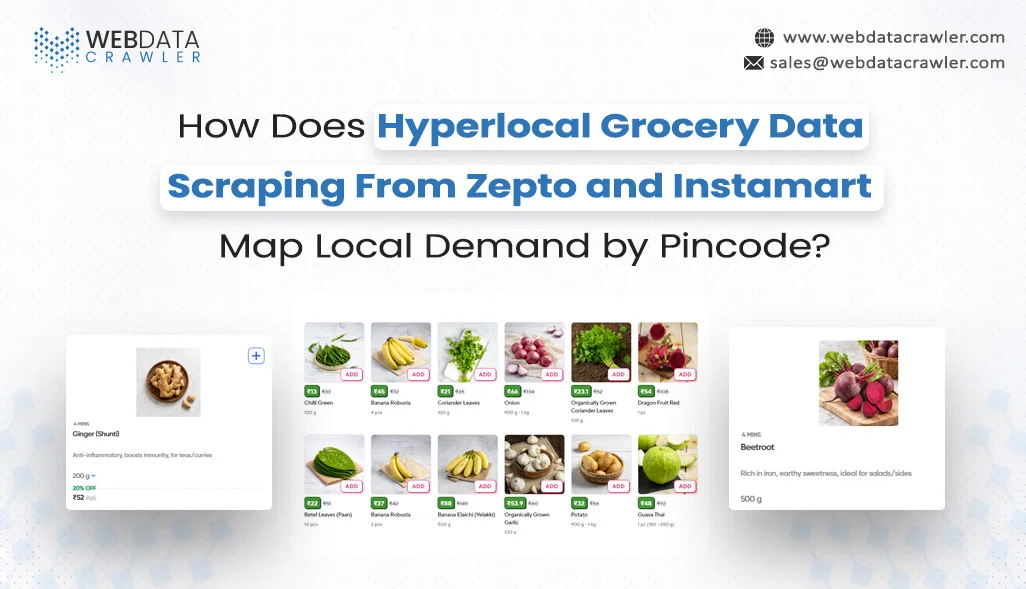
The rise of ultra-fast delivery networks has completely transformed traditional retail supply chains across urban centers. Quick commerce platforms rely on micro-fulfillment hubs to deliver orders within minutes. Understanding micro-market consumption patterns requires continuous visibility into local store inventories, pricing variations, and localized stock availability.
Analyzing catalog data across dynamic geographic zones helps brands capture regional purchasing patterns in real time. Deploying a Zepto Grocery Data API allows market analysts to monitor instant changes in catalog volume and stock replenishment rates. Through real-time tracking, retail intelligence platforms accurately identify emerging demand signals across localized micro-markets.
Evaluating geographic inventory feeds enables quick-commerce platforms and competitive brands to optimize their fulfillment strategies. Integrating Hyperlocal Grocery Data Scraping From Zepto and Instamart provides deep operational insights into dark store efficiency and localized product assortments, allowing pricing strategists to make rapid, data-driven decisions that match hyper-targeted consumer expectations.
Analyzing Dark Store Inventory Networks Across Urban Delivery Zones
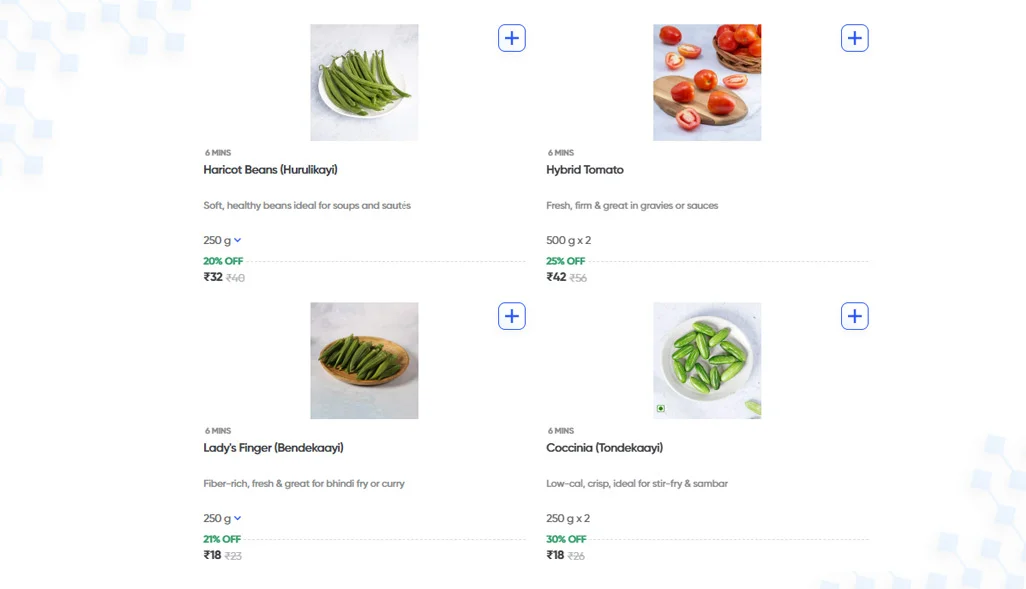
Micro-fulfillment centers form the operational backbone of quick commerce services, where instant order fulfillment relies heavily on real-time stock management. Operations teams must continuously monitor inventory balances, out-of-stock frequencies, and localized SKU variations to prevent sales loss across dense urban fulfillment areas. Evaluating neighborhood stock levels helps commercial teams identify fast-moving consumer items and ensure high-demand products remain available during peak ordering hours.
Understanding how inventory moves within specific fulfillment zones provides key operational signals for brand managers and logistics planners. Executing Instamart Quick Commerce Data Scraping gives analytics teams clear visibility into regional catalog depth, stock-out patterns, and localized product variants across selected postal sectors. By capturing these granular inventory metrics, supply chain strategists can optimize stock replenishment cycles, adjust safety stock levels, and minimize order cancellation rates across high-velocity dark stores.
Commercial teams use these aggregated inventory metrics to streamline distribution schedules and reduce stockout risks across high-density urban areas. Having continuous access to neighborhood-level stock feeds helps supply chain managers maintain optimal inventory levels without overstocking slow-moving goods.
- Tracking out-of-stock frequencies across daily peak order hours to improve fulfillment reliability.
- Monitoring catalog breadth and variant distribution across individual micro-fulfillment centers.
- Cross-referencing stock replenishment cycles against regional demographic purchasing velocity.
- Identifying missing category lines to optimize product availability across urban delivery boundaries.
| Operational Metric | High-Density Urban Zone | Suburban Residential Sector | Operational Impact |
|---|---|---|---|
| Daily Stockout Rate | 14.2% average | 4.8% average | Requires accelerated stock replenishment cycles |
| Active Catalog SKUs | 3,200 unique items | 1,800 unique items | Assortment scales directly with population density |
| Order Cancellation Rate | 3.5% due to stock gaps | 1.1% due to stock gaps | Inventory visibility directly improves delivery accuracy |
Integrating Instamart Pincode Wise Product Data Collection enables research teams to map dark store delivery boundaries against neighborhood purchasing habits to spot regional demand clusters. These detailed spatial insights help commercial leaders curate tailored product assortments, identify underperforming product categories, and improve delivery fulfillment efficiency across every service area.
Evaluating Regional Price Elasticity Across Dynamic Postal Codes
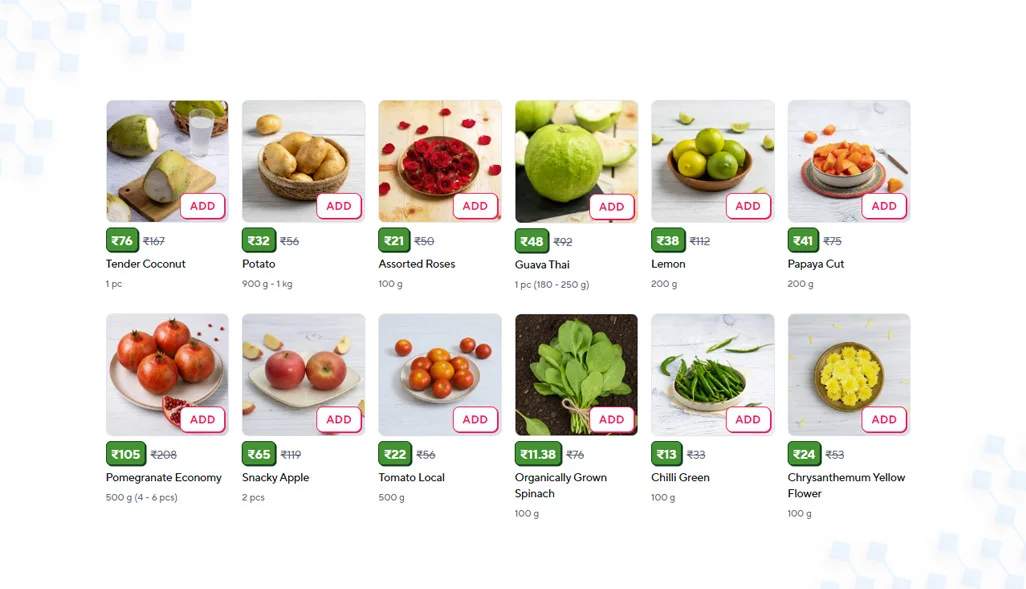
Dynamic pricing models on quick commerce platforms constantly respond to shifting local demand, local competitor pricing, and real-time inventory levels. Automated platform algorithms alter product markdowns during peak traffic hours to clear perishable inventory and gain pricing advantages. Executing Zepto Grocery Delivery Data Scraping provides commercial analysts with continuous tracking of rapid price fluctuations, flash discounts, and delivery fee adjustments across targeted urban delivery nodes.
Analyzing localized price sensitivity prevents profit loss caused by uniform regional pricing strategies that ignore neighborhood economic variations. Retailing teams analyze localized pricing tiers to build targeted promotional campaigns that boost sales velocity while preserving gross profit margins. Utilizing Pincode Level Grocery Product Data Scraping allows market research platforms to pinpoint specific postal codes where price elasticity allows higher margin capture without reducing overall order volumes.
Retailers utilize automated price tracking tools to build responsive pricing models that adjust dynamically to local market conditions. This systematic monitoring helps commercial planners maintain healthy margins while competing effectively against fast-moving quick commerce channels.
- Tracking hourly price fluctuations and flash promotional campaigns across targeted delivery sectors.
- Analyzing neighborhood price sensitivity to optimize regional product markdown schedules.
- Benchmarking product margin variations across different postal codes and delivery hubs.
- Identifying pricing threshold limits to maximize profit capture without sacrificing unit sales.
| Pricing Factor | Low Price Elasticity Zone | High Price Elasticity Zone | Revenue Strategy |
|---|---|---|---|
| Promotional Markdown | 5% average discount | 12% average discount | Maintain higher margins in low-sensitivity postal codes |
| Price Adjustment Frequency | 2 times per day | 5 times per day | React instantly to competitive promotional changes |
| Category Margin Capture | Higher premium markup | Volume-based low markup | Tailor pricing strategies based on local purchasing power |
Continuous price monitoring across local delivery hubs helps brand managers protect profit margins while offering competitive pricing to urban shoppers. Automated data gathering systems flag aggressive discount strategies applied by competing sellers in specific zip codes, letting pricing teams respond with matching promotional tactics. Having structured price visibility across local markets ensures that marketing investments deliver maximum conversion across every target sector.
Benchmarking Category Assortments Across Competitor Fulfillment Hubs
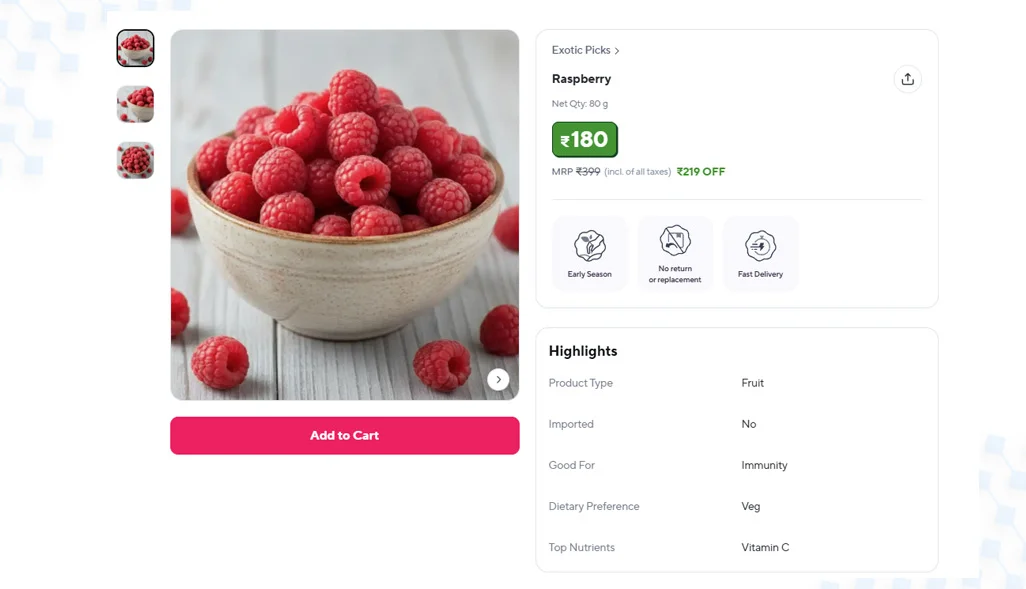
Selecting the right product assortment in quick commerce requires deep understanding of hyper-local consumer demographics and regional competitor listings. Category managers must continuously audit brand visibility, search rankings, and product placement against rival brands within quick-commerce micro-fulfillment centers. Accessing a comprehensive Zepto Quick Commerce Dataset allows market researchers to evaluate competitor shelf space, monitor category depth, and identify new product introduction strategies across dynamic urban nodes.
Monitoring digital shelf space across multiple quick delivery platforms gives brands clear insights into consumer brand preference shifts within specific geographic sectors. Incorporating a structured Zepto Product Dataset enables commercial teams to benchmark product distribution, optimize organic search placement, and build effective co-marketing campaigns across key delivery zones.
Maintaining strong digital shelf representation across quick delivery platforms requires continuous tracking of search results and category rankings. Regular catalog auditing allows sales teams to secure premier product placements and optimize promotional spending across high-volume delivery zones.
- Auditing top keyword search positions to ensure high product visibility across local delivery apps.
- Mapping regional catalog gaps to discover under-served product categories and regional preferences.
- Tracking rival product launches and bundle promotions across individual dark store catalogs.
- Analyzing category depth and shelf share percentage to refine retail distribution agreements.
| Assortment Metric | Leading Brand Position | Secondary Competitor | Strategic Advantage |
|---|---|---|---|
| Search Result Ranking | Top 3 organic placements | Below position 8 | Captures majority of instant search-driven sales |
| Category Shelf Share | 35% listing presence | 18% listing presence | Dominates local digital shelf visibility |
| Promotional Bundle Rate | 25% catalog coverage | 10% catalog coverage | Drives higher average order value across app users |
Detailed catalog audits help category leaders protect their market share against aggressive regional competitors attempting to dominate local digital shelves. By tracking search positioning and product placement, commercial managers can ensure high visibility for flagship products while identifying opportunities to launch specialized product sizes or bundles.
How Web Data Crawler Can Help You?
We deliver specialized data extraction solutions tailored for complex quick commerce ecosystems and micro-market analysis. Implementing Hyperlocal Grocery Data Scraping From Zepto and Instamart through our dedicated pipelines empowers brands to access clean, structured inventory and pricing insights without technical overhead.
- Customized enterprise data pipelines configured for multi-location delivery networks.
- Automated extraction schedules capturing real-time price changes and stock statuses.
- Advanced proxy networks engineered to bypass complex geographic anti-scraping checks.
- Standardized output formats ready for seamless integration into business intelligence dashboards.
- Rigorous data verification protocols guaranteeing high accuracy across dynamic product catalogs.
- Scalable infrastructure capable of monitoring thousands of targeted delivery zones simultaneously.
Our team transforms raw e-commerce data into actionable market intelligence to boost retail profitability. Partnering with us provides access to reliable Quick Commerce Data Scraping for Hyperlocal Market Research, giving your enterprise a clear competitive advantage in rapid delivery markets.
Conclusion
Modern quick commerce growth relies entirely on precise geographic intelligence and rapid market adaptability. Integrating automated Hyperlocal Grocery Data Scraping From Zepto and Instamart gives commercial planning teams clear visibility into micro-market trends, allowing quick adaptations to changing urban consumer demands.
Building a sustained competitive edge requires dependable data pipelines capable of delivering timely market insights. Strategic investment in structured Zepto Product Dataset solutions empowers e-commerce leaders to build dynamic pricing models, fix catalog gaps, and optimize neighborhood product placement efficiently. Reach out to our technical data experts at Web Data Crawler today to scale your retail data scraping operations.