


What Can Hotel Rate Intelligence Dataset Scraping for Analysis Reveal About Hotel Pricing Trends?
Sep 23
Introduction
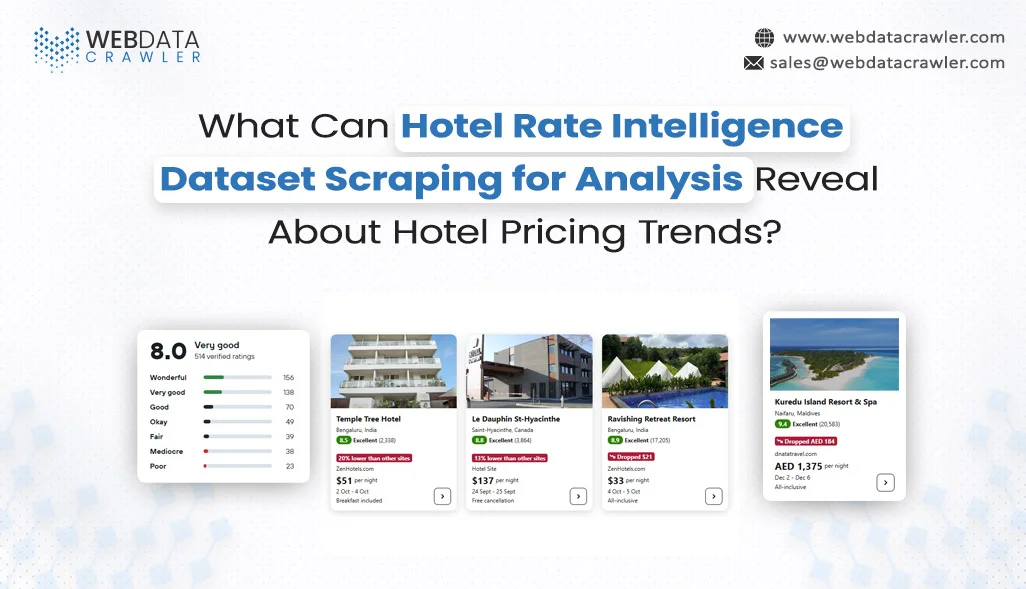
Hotel pricing changes continuously as demand, occupancy, seasonality, local events, and competitor actions influence room rates. Hotel Rate Intelligence Dataset Scraping for Analysis helps businesses collect structured pricing information across properties, room types, dates, and locations to identify meaningful pricing movements and market patterns.
With Web Scraping Travel Data , businesses can compare publicly available hotel rates across multiple booking sources and organize large volumes of information for analysis. This supports research into seasonal pricing, weekend fluctuations, promotional offers, and destination-level rate differences without relying only on manually collected observations.
Rate datasets can also reveal how hotels respond to changing market conditions. Comparing historical and current prices helps analysts identify recurring patterns, unusual rate movements, and differences between properties. These insights can support revenue planning, competitive analysis, pricing research, and broader hospitality market intelligence.
Uncovering Seasonal Pricing Patterns Through Detailed Hotel Rate Observations
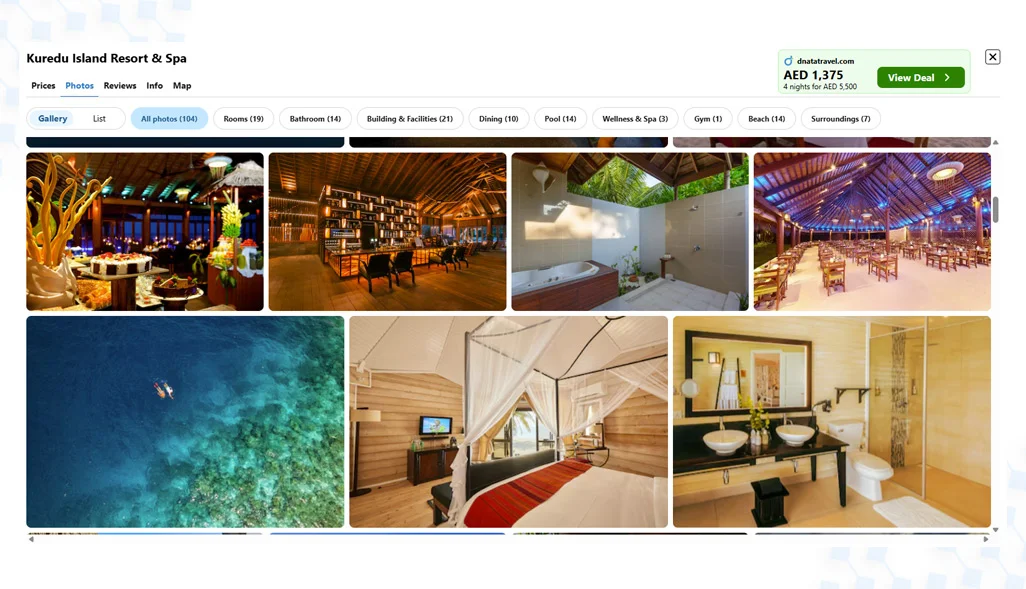
Hotel room prices rarely remain consistent throughout the year because demand changes across seasons, weekdays, weekends, holidays, and destination-specific events. By collecting rates at regular intervals, analysts can observe when prices begin increasing, how long elevated rates continue, and when properties start reducing prices. This creates a clearer view of recurring market behavior rather than relying on individual price observations.
A structured dataset can also reveal differences between room categories and booking periods. Hotel Dynamic Pricing Data Scraping can capture changing rates across accommodation types, allowing analysts to compare standard rooms, premium rooms, suites, and other available categories. Examining these variations alongside booking dates can show how properties adjust prices according to expected demand and remaining inventory.
Several signals can become particularly useful when studying seasonal hotel pricing:
- Peak-season rate increases
- Weekend and weekday differences
- Holiday-related pricing changes
- Promotional price reductions
- Room-category variations
- Destination-level fluctuations
Pricing Signal and What It Can Reveal:
| Pricing Signal | What It Can Reveal |
|---|---|
| Daily Rate Changes | Short-term pricing movements |
| Weekend Premiums | Differences between weekdays and weekends |
| Seasonal Rates | Peak and off-season patterns |
| Room Categories | Price differences by accommodation type |
| Destination Trends | Location-specific pricing behavior |
Historical comparisons can make these observations more meaningful. When rates from several periods are combined, analysts can identify repeated pricing cycles and unusual movements. Enterprise Web Crawling can support the collection of large volumes of publicly available hotel information, helping researchers organize observations from multiple properties and destinations into consistent datasets for further analysis and reporting.
Decoding Demand Signals Behind Changing Hotel Room Price Movements
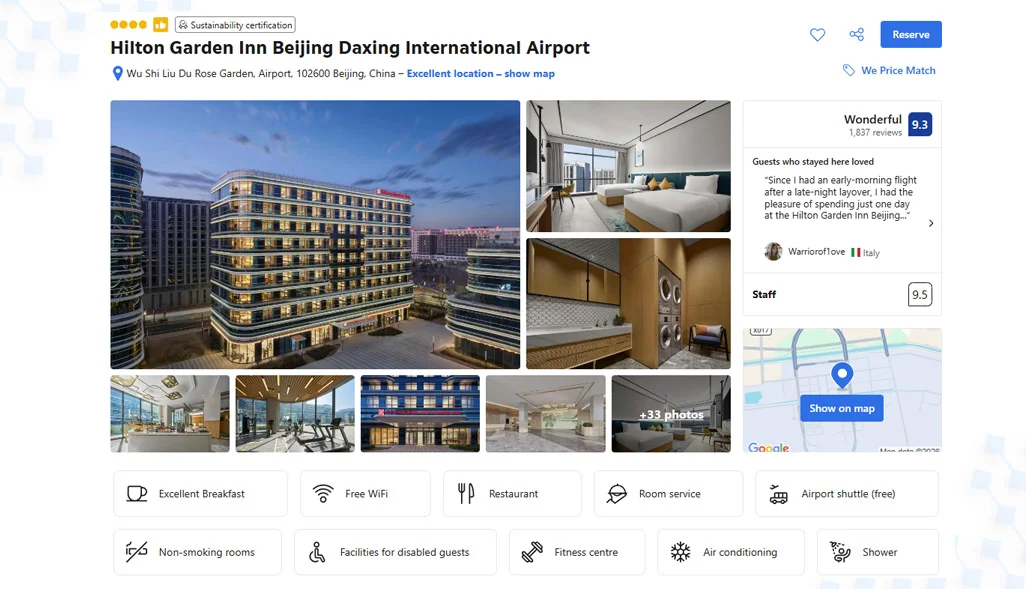
Hotel pricing is closely connected with demand, occupancy expectations, booking windows, destination popularity, and external events. A property may adjust its rates when reservations accelerate or when available rooms become limited. Studying these changes over time helps analysts understand how different market conditions correspond with movements in room prices across selected destinations and property categories.
How Hotels Use Rate Intelligence Data to Set Prices becomes clearer when rate observations are connected with historical demand patterns. Analysts can compare prices before, during, and after holidays, conferences, festivals, sporting events, and other high-demand periods. This approach can highlight whether rate increases occur gradually or appear closer to a specific event or booking date.
Important market factors can include:
- Occupancy-related pricing changes
- Advance booking patterns
- Major destination events
- Holiday demand periods
- Competitor rate movements
- Changes in room availability
Market Factor and Possible Pricing Effect:
| Market Factor | Possible Pricing Effect |
|---|---|
| High Demand | Higher room rates |
| Low Occupancy | Promotional pricing |
| Local Events | Temporary rate increases |
| Holiday Periods | Stronger seasonal pricing |
| Limited Availability | Higher prices for remaining rooms |
A broader dataset makes it easier to compare these signals across multiple properties. Pricing Intelligence can become particularly useful when analysts combine room rates with dates, locations, room types, availability indicators, and other relevant attributes. Such comparisons can support market research, revenue analysis, destination studies, and assessments of how pricing behavior changes under different demand conditions.
Mapping Competitive Rate Movements Across Evolving Hotel Markets
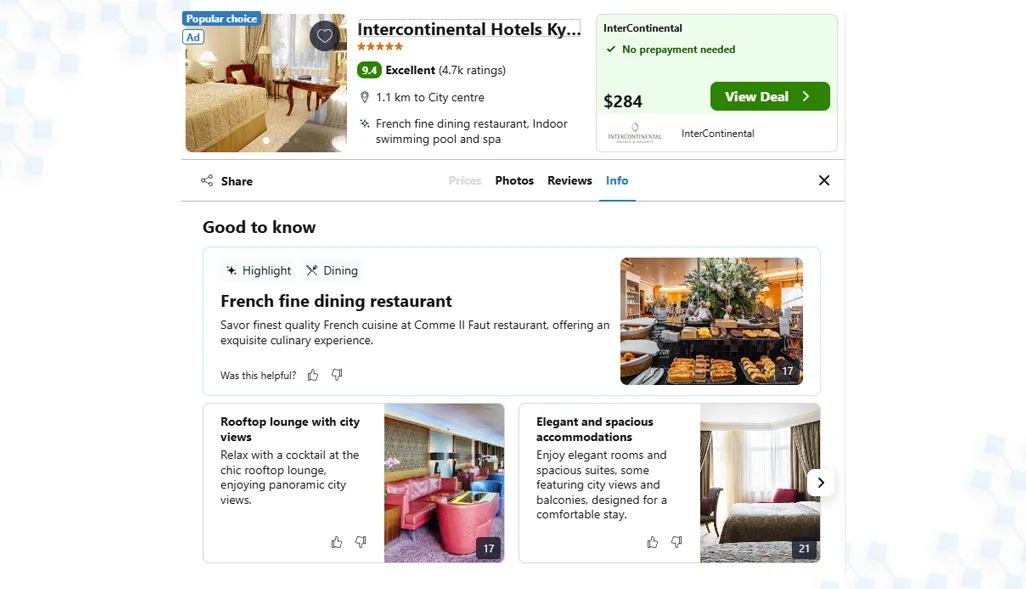
Competitor behavior can significantly influence how hotels position their room prices within a destination. Properties serving similar customer segments may adjust rates when nearby competitors introduce discounts, change availability, or increase prices during periods of stronger demand. Monitoring these movements over repeated intervals provides greater context for understanding competitive pricing behavior.
Real-Time Hotel Price Monitoring Scraping can help collect updated rate information from selected sources at recurring intervals. Instead of reviewing isolated prices manually, analysts can compare observations across properties, dates, room categories, and booking conditions. This makes it easier to identify whether a pricing change appears temporary or forms part of a wider market movement.
Competitive monitoring can focus on several useful indicators:
- Changes in competitor room rates
- Promotional discounts and offers
- Room availability conditions
- Price differences between channels
- Property-level pricing movements
- Changes across hotel segments
Competitive Indicator and Analytical Use:
| Competitive Indicator | Analytical Use |
|---|---|
| Competitor Rate Changes | Compare market movements |
| Discount Offers | Identify promotional activity |
| Room Availability | Understand supply conditions |
| Rate Parity | Compare prices across channels |
| Property Segments | Study positioning differences |
Consistent monitoring can also support deeper comparisons between similar properties within the same destination. Hotel Competitor Pricing Intelligence Scraping provides a way to examine competitor movements alongside property characteristics and booking conditions. When these observations are maintained over time, analysts can identify recurring patterns, unusual rate shifts, and competitive changes that may influence broader hotel pricing trends. Live Crawler Services can further support recurring collection workflows for ongoing hospitality market research.
How Web Data Crawler Can Help You?
Hotel businesses, travel platforms, market researchers, and hospitality analysts need organized information to understand pricing changes across a large number of properties. Hotel Rate Intelligence Dataset Scraping for Analysis can support systematic collection of room rates, availability, hotel details, dates, and other publicly accessible pricing attributes.
We can help structure this information into datasets that are easier to analyze and compare. Key capabilities include:
- Automated collection of hotel pricing information
- Structured organization of property and room data
- Scheduled extraction for recurring market analysis
- Collection across multiple destinations and sources
- Data formatting for analytical and reporting workflows
- Support for large-scale hospitality research projects
These capabilities reduce repetitive manual research and provide a consistent foundation for comparing hotel markets. Hotel Pricing Intelligence Dataset can then support historical comparisons, competitor research, pricing analysis, destination studies, and hospitality market reporting.
Conclusion
Hotel pricing patterns become clearer when rate information is collected consistently and analyzed across dates, properties, destinations, and market conditions. Hotel Rate Intelligence Dataset Scraping for Analysis can provide structured information for examining seasonal movements, competitor changes, demand-related fluctuations, and room-level pricing differences.
Combining these datasets with Hotel Competitor Pricing Intelligence Scraping can support broader competitive research and market analysis. Businesses can organize recurring observations into usable datasets for reporting and strategic evaluation. Contact Web Data Crawler today to discuss your hotel pricing data collection requirements and build a structured scraping solution for your analysis needs.