
Sharper Retail Control With Real-Time Grocery Price Analysis Using Web Scraping for Better Margins
11 September 2026
Introduction
The modern grocery retail landscape is more competitive than ever, with pricing decisions directly influencing both customer acquisition and profit margins. This case study examines how a prominent multi-state grocery retail chain partnered with us to overcome persistent challenges in competitive pricing visibility and market responsiveness.
The client struggled to track price fluctuations across rival platforms in real time, leaving their category managers dependent on outdated intelligence and reactive decision-making. The organization needed a dependable solution built on Real-Time Grocery Price Analysis Using Web Scraping to monitor thousands of SKUs across competitor storefronts simultaneously.
Our team additionally provided access to enriched Quick Commerce Datasets that empowered the client to benchmark their pricing across both traditional supermarkets and rapid-delivery platforms. By deploying a purpose-built data extraction framework, we equipped the client with consistent, structured, and actionable pricing intelligence that reshaped how they approached category planning, promotional timing, and margin optimization across all store formats.
Client Success Story
The client is an established grocery retail group managing over forty physical store locations and a growing e-commerce presence spread across five states in the United States. Their internal teams relied on Real-Time Grocery Price Analysis Using Web Scraping to stay informed about competitor price movements, but their existing manual workflows were too slow and inconsistent to support fast pricing decisions.
Additionally, they required robust Pricing Intelligence Services for Retailers to bring structure, speed, and scale to their competitive monitoring efforts, ensuring that every category team had access to reliable data before making pricing adjustments or launching promotional campaigns across their store network.
"We had no centralized way of knowing what competitors were charging for identical products on any given day," shared the client's Head of Category Management. "Our teams spent hours each week compiling pricing data manually, and by the time analysis was complete, the market had already shifted. We needed something faster and far more reliable to stay competitive without sacrificing our margin targets."
Within ninety days of deployment, the client recorded:
- 41% improvement in pricing accuracy across core product categories
- 33% reduction in time spent on manual competitive research
- 27% increase in gross margin contribution from repriced SKUs
- 19% growth in promotional campaign effectiveness
The Core Challenges
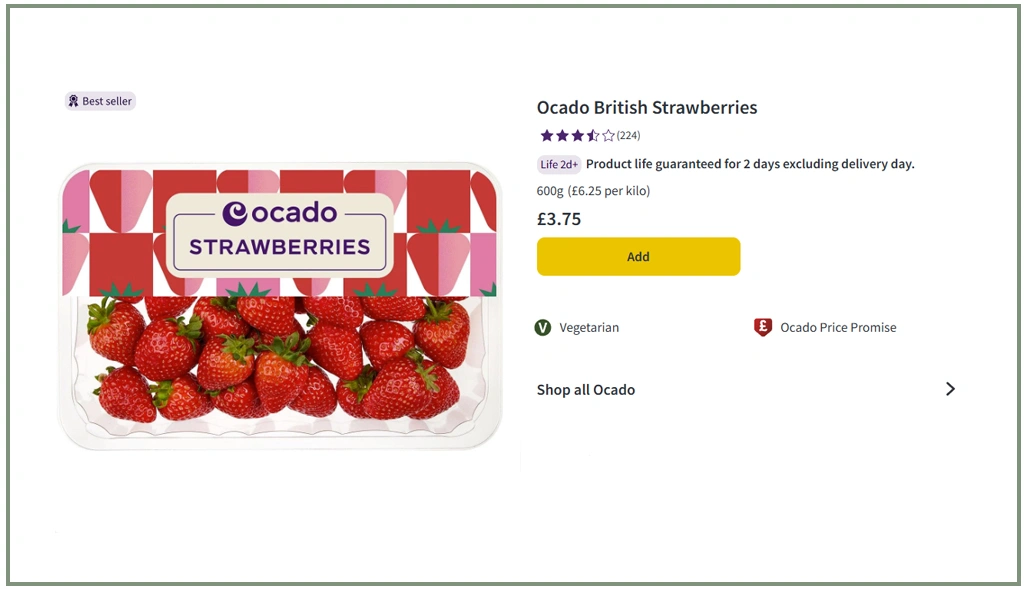
The client encountered several interconnected obstacles that undermined their ability to compete effectively in the digital grocery retail environment:
- Platform Access Complexity
Grocery and e-commerce platforms deploy layered security mechanisms, bot-detection systems, and dynamic page rendering that makes consistent data collection difficult. Without a professional Scraping API infrastructure capable of handling these barriers at scale, their internal tools failed frequently and returned incomplete datasets that could not be relied upon for pricing decisions.
- Data Inconsistency Across Formats
Normalizing this fragmented data into a unified format that category teams could actually use required significant processing effort. The absence of standardized Grocery FMCG Pricing Data Scraping Services meant data arrived in inconsistent formats that demanded extensive manual cleanup before analysis could begin.
- Volume and Velocity Limitations
The client monitored thousands of SKUs spanning produce, packaged goods, beverages, and household products. Without scalable Web Scraping Grocery Delivery Data capabilities, they consistently missed intraday price changes during peak shopping hours, which directly affected their ability to respond to competitor promotions before customers noticed the price gaps.
– Main Client Requirement –
At the core of the client's needs was a fully automated, end-to-end competitive pricing intelligence system that could collect, normalize, and deliver structured grocery price data from multiple platforms at regular intervals throughout the day, with minimal manual intervention and maximum reliability across all product categories they managed.
Smart Solution
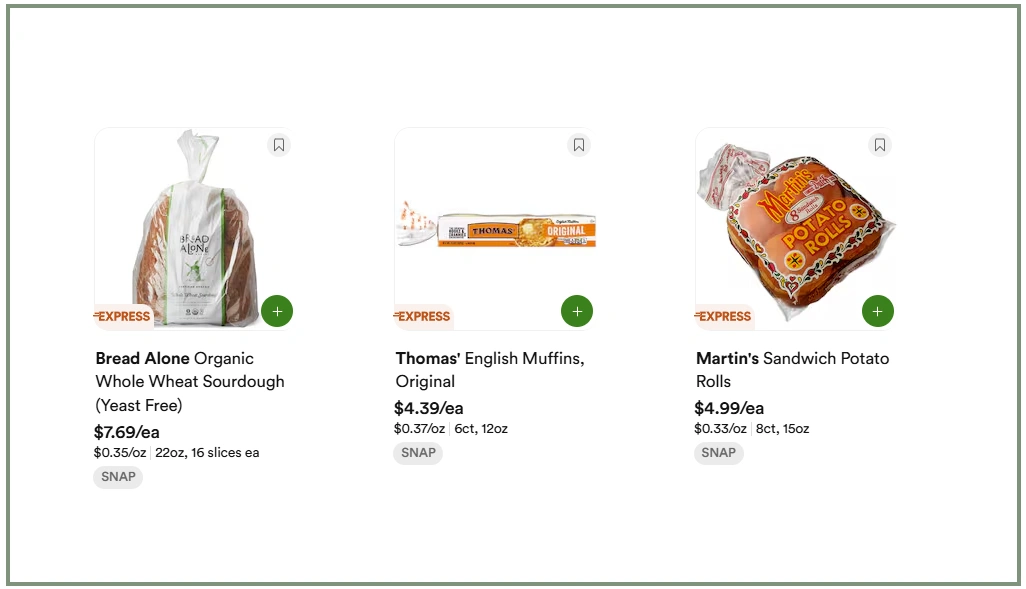
After conducting a thorough discovery phase covering the client's product catalog, target competitors, and internal workflow requirements, we engineered a comprehensive solution specifically calibrated for grocery retail price intelligence.
- PriceStream Capture Engine
We deployed an advanced extraction layer utilizing rotating proxy networks, browser simulation, and adaptive request scheduling to collect pricing data reliably from competitor grocery platforms without interruption. This infrastructure supported the client's need for Grocery & Supermarket Data Scraping Services in USA at a frequency and scale that their internal tools simply could not achieve.
- DataBridge Normalization Layer
Raw competitor pricing data arrived in vastly different structures depending on the source platform. By incorporating Grocery Price Monitoring API for Analysis, we ensured that category teams received clean, queryable data directly integrated into their existing reporting dashboards without requiring additional data transformation steps.
- MarginGuard Intelligence Module
The integration of Quick Commerce & Grocery Data Scraping Services USA extended monitoring coverage to rapid-delivery platforms, giving the client a complete market view that included both traditional supermarket rivals and emerging quick commerce competitors.
Execution Strategy
We followed a structured, phased implementation plan designed to minimize disruption to the client's existing operations while maximizing the speed at which they began receiving actionable intelligence.
- Discovery and Scope Alignment
Our team conducted detailed workshops with the client's category management, IT, and commercial strategy teams to map out priority competitors, product categories, data refresh requirements, and integration specifications. This phase produced a precise deployment blueprint aligned with immediate business priorities.
- Infrastructure Development and Configuration
We built and configured the full extraction and normalization pipeline, establishing secure data transfer protocols between our collection systems and the client's internal reporting environment. Redundancy measures were embedded throughout to ensure continuity during competitor platform updates or structural changes.
- Controlled Testing and Validation
Before full deployment, we ran parallel data collection across a subset of categories and validated output accuracy against manually verified pricing benchmarks. Edge cases involving promotional pricing, weight-variable products, and multi-unit packaging were specifically tested to ensure the normalization layer handled all variations correctly.
- Phased Market Rollout
Initial deployment covered the client's three highest-priority metropolitan markets and top product categories by revenue contribution. Category managers received structured training on accessing and interpreting the pricing dashboards, alongside direct support from our implementation team during the initial operational weeks.
- Full-Scale Expansion
Coverage was progressively extended to all monitored markets, competitor platforms, and SKU categories over the following weeks. Ongoing feedback from category managers informed continued refinements to alert thresholds, reporting frequency, and dashboard configurations to match evolving business priorities.
Impact & Results
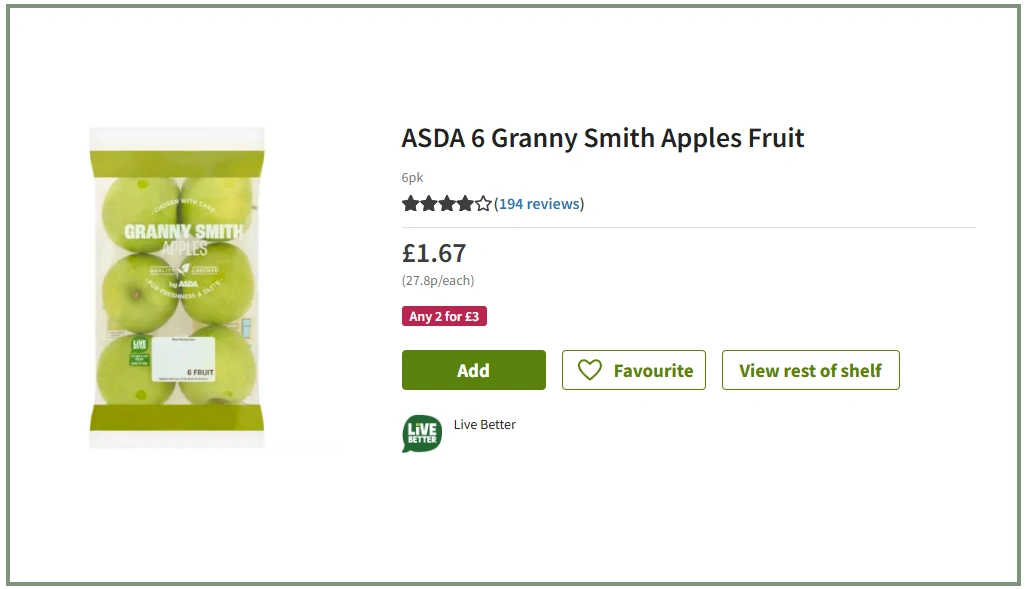
The deployment of our grocery pricing intelligence platform generated measurable improvements across every dimension the client had identified as critical to their competitive performance.
- Margin Recovery and Protection
With Real-Time Grocery Price Analysis Using Web Scraping embedded into daily category workflows, the client identified and corrected significant underpricing across multiple high-volume product lines within the first month. Recovered margin from these adjustments alone exceeded the total cost of the solution within the initial quarter, validating the business case entirely.
- Sharper Competitive Positioning
The structured intelligence delivered through our Pricing Intelligence Services for Retailers enabled category managers to make pricing decisions rooted in verified market data rather than periodic manual spot-checks. The client's ability to reposition on pricing within hours of detecting competitor movements transformed how they competed across both in-store and online channels.
- Operational Efficiency Gains
Automating data collection and normalization eliminated dozens of manual research hours per week across the category management team. Resources previously consumed by data gathering were redirected toward strategic analysis, promotional planning, and supplier negotiation, producing broader organizational efficiency gains beyond pricing alone.
- Faster Market Response
Real-time pricing alerts enabled the client to respond to competitor promotional activity before their customers encountered meaningful price differences. The ability to adjust prices on high-visibility items quickly proved especially valuable during seasonal peaks and promotional calendar events when competitor activity intensified.
- Scalable Intelligence Foundation
The modular architecture of our solution positioned the client to expand coverage to additional competitors, geographies, and product categories without rebuilding any core infrastructure, establishing a durable intelligence capability that would continue delivering value as their business evolved.
Final Takeaways
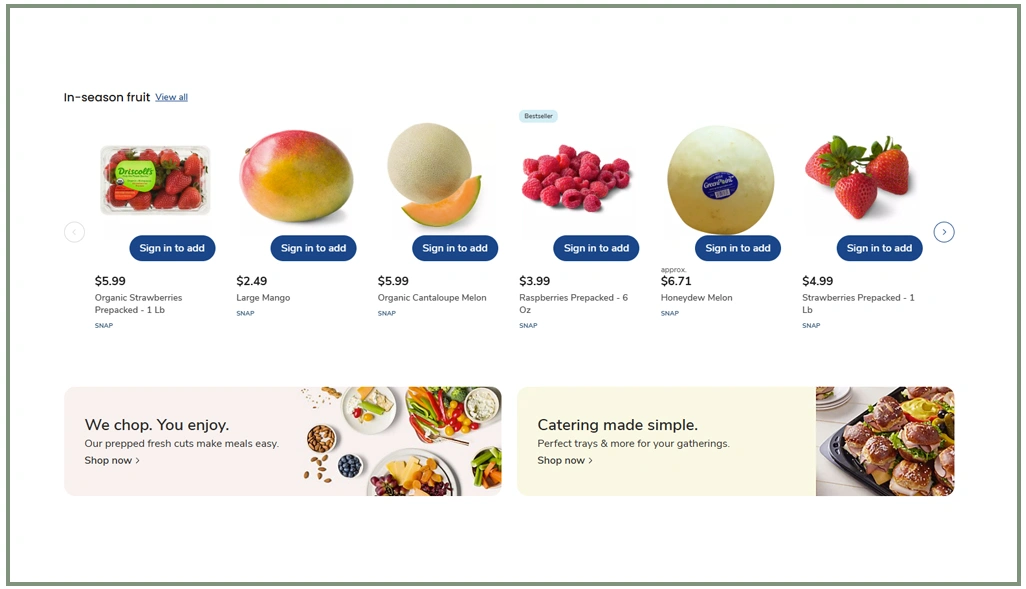
This engagement demonstrates how structured data intelligence, when purpose-built for grocery retail, can directly address the pricing challenges that erode margins and weaken competitive positioning.
- Intelligence Before Action
Pricing decisions made without reliable competitor data carry significant margin risk. Establishing continuous visibility through Grocery Price Monitoring API for Analysis ensures that every category adjustment is grounded in verified market reality rather than estimation, reducing costly pricing errors across the product range.
- Automation as a Strategic Asset
Manual competitive research consumes team capacity without delivering the frequency or coverage that modern grocery retail demands. Replacing manual workflows with automated extraction systems frees category teams to focus on interpretation and strategy rather than data collection logistics.
- Breadth of Market Coverage
Monitoring traditional supermarket competitors alone no longer provides a complete picture. Incorporating Quick Commerce & Grocery Data Scraping Services USA into the intelligence framework gives retailers visibility into the full competitive landscape, including rapid-delivery platforms that increasingly influence consumer price expectations and purchasing behavior.
- Insight-Driven Market Search
Sustaining a competitive edge in grocery retail requires pricing intelligence to be an ongoing practice, not a periodic task. Continuous data collection helps teams identify trends, understand competitor behavior, and make informed decisions through Market Research before market changes affect sales.
- Margin as a Measurable Outcome
The most significant validation of any pricing intelligence investment is its direct impact on margin performance. When Grocery FMCG Pricing Data Scraping Services are properly integrated into category workflows, the output translates directly into measurable financial improvement, not just analytical insight.

Web Data Crawler's solution gave us something we had been missing for years, genuine confidence in our pricing decisions. Real-Time Grocery Price Analysis Using Web Scraping became a core part of how we manage categories, and our margins improved in ways we can directly attribute to the intelligence we now have access to. The Grocery & Supermarket Data Scraping Services in USA coverage was exactly what we needed to stay sharp across all our key markets.
– Head of Category Management, Regional Grocery Retail Group
Conclusion
We understand the distinct pressures grocery retailers face when competing across both physical and digital channels simultaneously. Our purpose-built Real-Time Grocery Price Analysis Using Web Scraping platform is designed to deliver the consistency, accuracy, and operational depth that retail pricing teams genuinely need to protect and grow their margins.
Contact Web Data Crawler today to schedule a tailored consultation with our grocery retail intelligence specialists. Our Quick Commerce & Grocery Data Scraping Services USA coverage ensures you maintain complete market visibility across traditional and rapid-delivery competitors alike.