
Case Study - Powering Grocery Price Monitoring for Retail Brand Using Web Scraping for a 20% Price Improvement
10 August 2026
Introduction
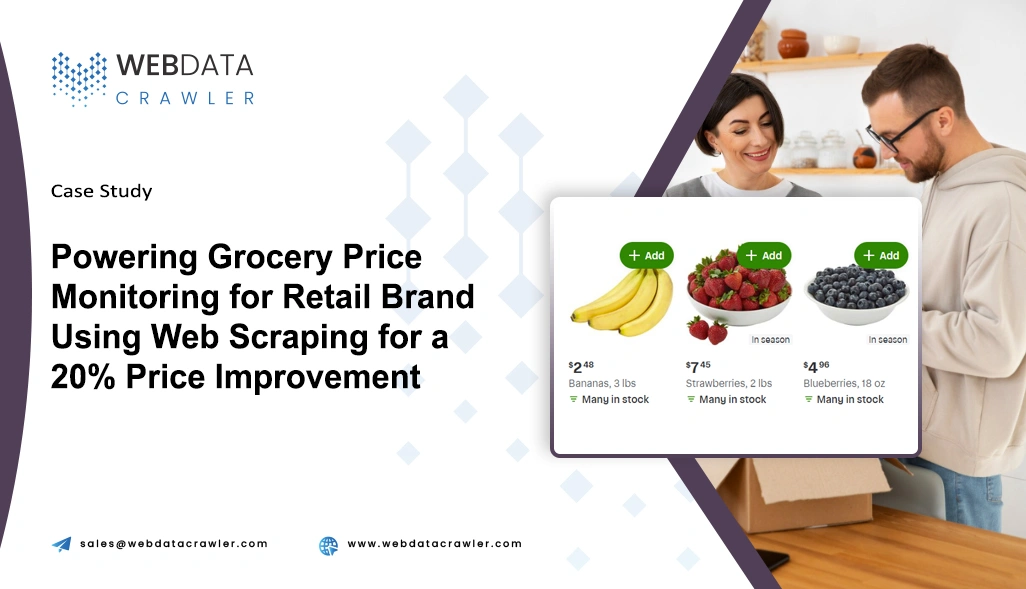
The grocery retail sector is one of the most price-sensitive markets in the world, where even minor fluctuations in competitor pricing can directly influence consumer behavior and brand revenue. This case study details how a prominent national retail brand partnered with us to build a reliable and intelligent pricing infrastructure through Grocery Price Monitoring for Retail Brand Using Web Scraping, enabling them to overcome persistent challenges in competitive pricing visibility.
The client had been struggling to monitor thousands of SKUs across multiple competing grocery platforms in near real time. Without a dependable system of Grocery Price Monitoring Services, they lacked the speed and accuracy needed to respond to rival promotions, seasonal discounts, and price changes effectively. Manual tracking methods were proving insufficient for a market that moved faster than their teams could handle.
Our engagement began with a thorough understanding of the client's operational environment, data requirements, and competitive landscape. By deploying Web Scraping Grocery Data infrastructure customized for grocery retail environments, we helped the client build a sustainable price intelligence system that ultimately delivered a measurable 20% improvement in competitive pricing accuracy and strategy across their active product categories.
Client Success Story
The client is a well-established grocery retail brand with over two decades of presence across twelve states, operating both physical stores and an expanding e-commerce platform. Their product portfolio spans thousands of SKUs across fresh produce, packaged goods, household items, and private-label categories.
Despite their market scale, the brand faced growing difficulty staying aligned with competitor pricing behavior in real time. Their existing approach to competitive tracking was fragmented, relying on manual spot-checks that covered only a fraction of the relevant product catalog. This created blind spots in categories where pricing battles were most intense.
The brand sought a partner capable of delivering Grocery Price Monitoring for Retail Brand Using Web Scraping at scale, along with structured insights that could feed directly into their pricing management systems. They also needed Grocery Market Intelligence Using Scraped Datasets to understand not just what competitors were charging, but how pricing patterns shifted across regions, seasons, and promotional cycles.
The Core Challenges
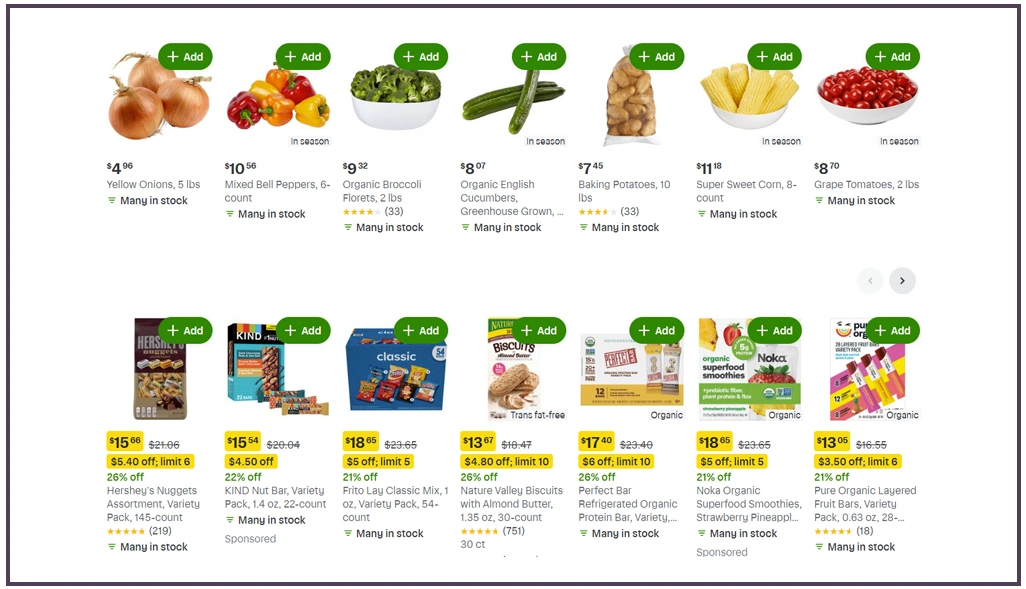
The client encountered several operational and technical challenges that limited their ability to compete effectively on pricing across retail platforms:
-
Barrier of Real-Time Data Access
Grocery retail platforms frequently update prices, launch flash promotions, and rotate discounts without advance notice. The client had no reliable mechanism to capture these updates at scale, which left their pricing team reactive rather than proactive in competitive situations.
-
Structural Inconsistency Across Platforms
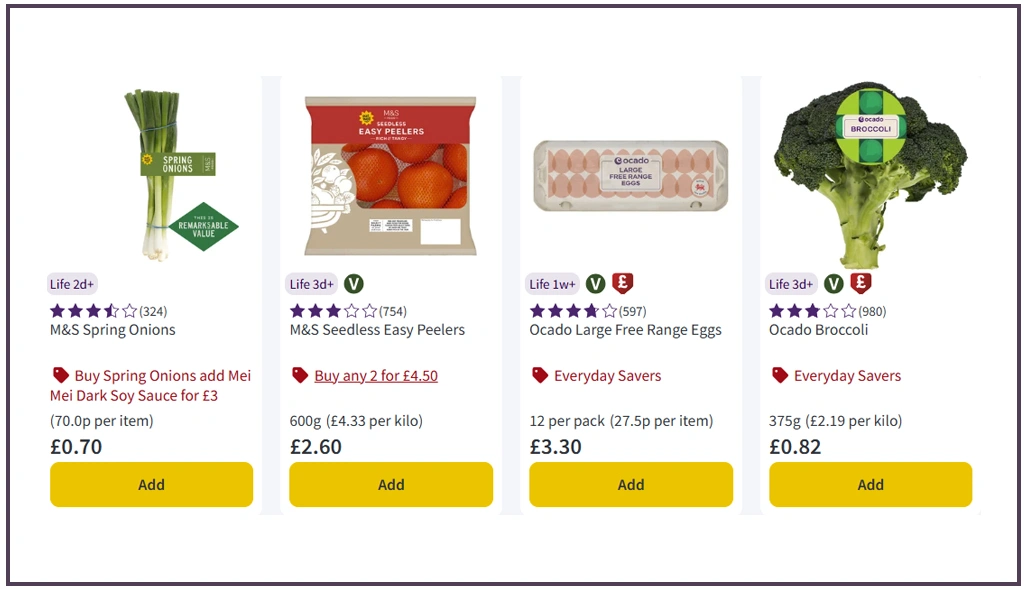
Competitor product listings across various grocery e-commerce platforms followed different naming conventions, unit measurements, and category hierarchies. Normalizing this data for meaningful comparison required significant manual effort, slowing down the analysis pipeline considerably.
-
Quick Commerce Data Fragmentation
The rapid expansion of quick commerce channels meant that Quick Commerce Datasets were scattered across multiple apps and platforms, making it nearly impossible for the client's internal team to aggregate and analyze pricing data from these fast-growing channels in a unified format.
– Main Client Requirement –
Beyond resolving these operational blockers, the client's primary requirement was a centralized, automated pricing intelligence platform that could ingest competitor data daily, normalize it across categories, and surface actionable insights without requiring significant manual intervention from their internal teams.
Smart Solution
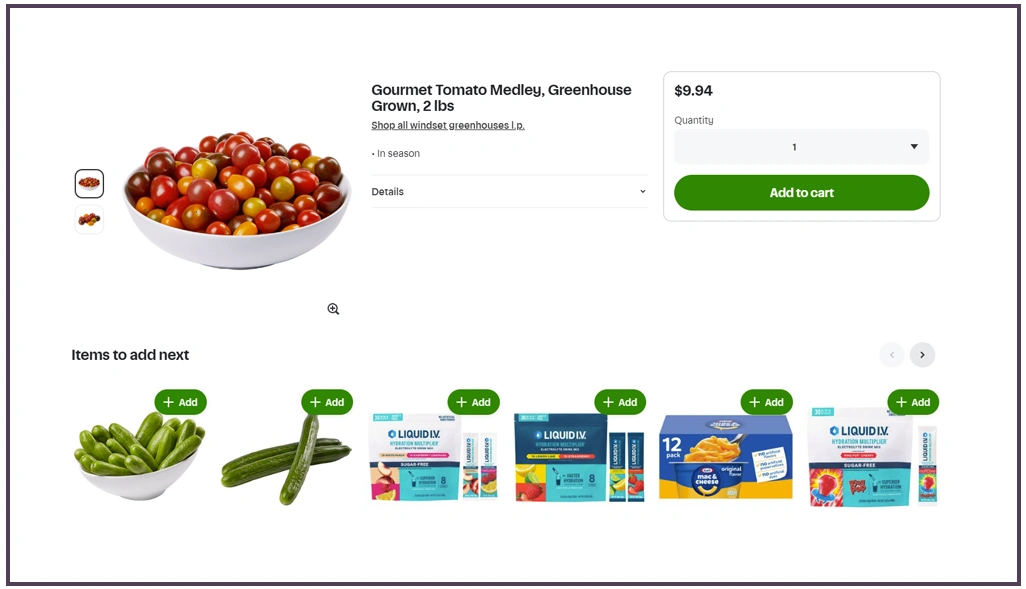
After a comprehensive discovery phase, we designed and deployed a multi-component data intelligence system aligned with the client's grocery pricing objectives and technology infrastructure.
-
PriceRadar Capture Engine
We built a dynamic data extraction layer capable of crawling competitor grocery platforms at scale, supporting scheduled and event-triggered scraping cycles. This system directly addressed How Grocery Price Monitoring Improves Pricing Strategy by ensuring the client received fresh, category-specific pricing data on a daily basis with minimal latency.
-
CatalogSync Normalization Module
This component handled the challenge of structural inconsistency by applying standardized taxonomies across all ingested grocery data. Product names, unit sizes, brand hierarchies, and regional variations were reconciled into a unified schema, enabling reliable like-for-like price comparisons and supporting Grocery Retail Analytics via API Scraper workflows.
-
IntelliPrice Analytics Dashboard
A purpose-built analytics interface gave the client's pricing and category management teams direct visibility into competitor pricing trends, promotional frequency, and price gap analysis across product segments. The dashboard incorporated visual trend indicators and automated alerts for significant price movements, supporting effective Grocery Market Intelligence Using Scraped Datasets in day-to-day operations.
Execution Strategy
Our deployment followed a structured phased approach designed to minimize disruption while ensuring progressive capability expansion across the client's pricing operations.
-
Discovery and Alignment Phase
We began by mapping the client's existing pricing workflows, data infrastructure, and competitive monitoring requirements. This phase established clear success benchmarks, defined priority product categories, and outlined the technical architecture required for seamless deployment.
-
Infrastructure Development Phase
Our engineering team developed the core extraction and normalization infrastructure, incorporating rotation mechanisms, session management, and platform-specific handling logic. The Web Crawler configuration was tailored to handle grocery platform structures, ensuring consistent and structured data capture even as platform layouts changed.
-
Validation and Testing Phase
Before full deployment, the system underwent rigorous accuracy testing across sample product categories. Data quality benchmarks were validated against manually verified price records, and load simulations confirmed that the system could handle peak volumes without degradation in performance or reliability.
-
Controlled Rollout Phase
Deployment began with three high-priority product categories and expanded systematically. Client teams received structured onboarding sessions on dashboard usage, alert management, and data interpretation workflows to ensure immediate operational value.
Impact & Results
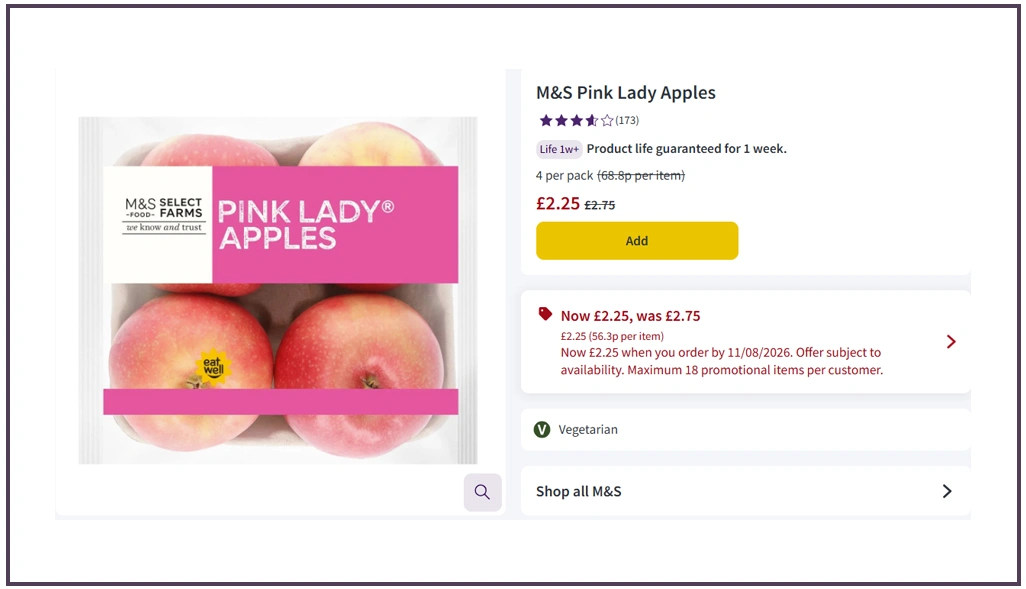
The deployment of our grocery pricing intelligence platform produced significant and measurable improvements across the client's pricing operations and competitive positioning.
-
Pricing Accuracy Advancement
With continuous access to structured competitor data, the client achieved a 20% improvement in competitive pricing alignment across their top-selling categories. This directly reflects the core Benefits of Grocery Price Monitoring precision, timeliness, and data-driven confidence in every pricing decision.
-
Competitive Awareness Transformation
The client's pricing team shifted from reactive spot-checks to proactive daily analysis. By understanding How Grocery Price Monitoring Improves Pricing Strategy, category managers could anticipate competitor moves and adjust their pricing tiers before losing market share.
-
Operational Efficiency Gains
Automation replaced hours of manual competitive research with structured data delivered directly into the client's pricing systems. This freed the internal team to focus on strategic interpretation rather than data collection, significantly improving overall team productivity.
-
Market Response Acceleration
With near real-time alerts on competitor price changes, the client reduced their average price response time dramatically. This speed advantage proved especially valuable during promotional seasons when pricing windows were narrow and market timing was critical.
Final Takeaways
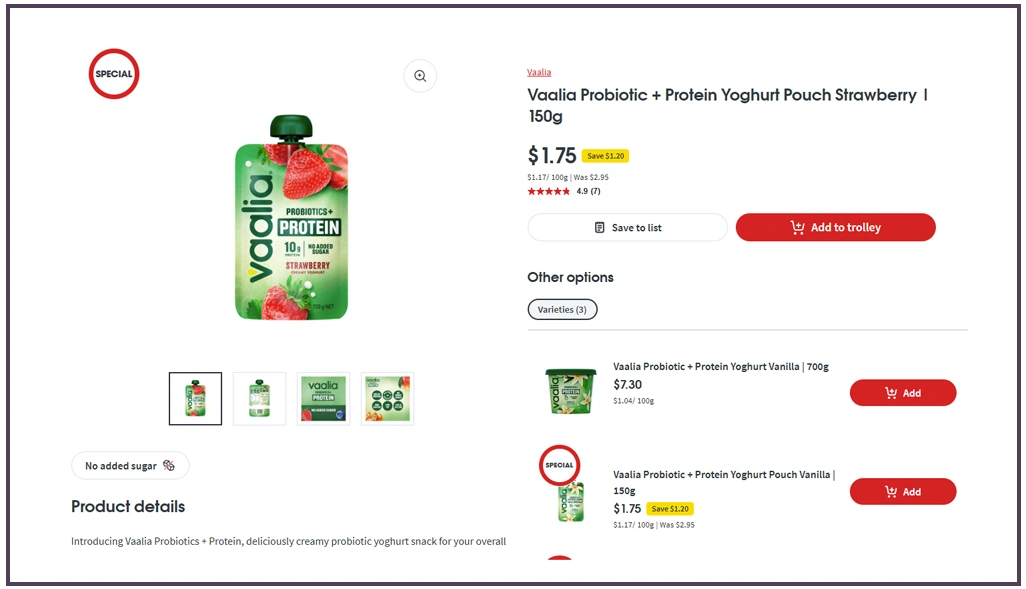
This engagement reinforced several important principles that retail brands should consider when building modern competitive pricing capabilities through data intelligence.
-
Precision Over Volume
Structured, category-aligned pricing data is what drives effective decisions, and understanding the Benefits of Grocery Price Monitoring means investing in the quality and reliability of your data pipeline, not just the quantity.
-
Automation as a Strategic Enabler
Manual competitive tracking simply cannot scale to meet the demands of modern grocery retail. Automated extraction and classification transforms price monitoring from a resource drain into a genuine strategic asset for retail brand teams.
-
Continuous Monitoring Supports Agility
Ongoing data collection ensures that pricing decisions are always grounded in current market conditions rather than outdated assumptions, which is the foundation of effective Grocery Retail Analytics via API Scraper implementation.
-
Technology Enables Strategy
Using a robust Web Scraping API as the backbone of a price intelligence system allows retail brands to deploy sophisticated monitoring workflows without the overhead of building and maintaining complex internal data engineering teams from scratch.

The results we achieved through Web Data Crawler's platform exceeded our expectations entirely. Their approach to Grocery Price Monitoring for Retail Brand Using Web Scraping gave us visibility we simply did not have before. The structured data and insights fed directly into our pricing decisions, and the impact was clear within the first quarter. The Grocery Price Monitoring Services they provided were both reliable and scalable, exactly what a growing retail brand needs.
– Head of Pricing Strategy, National Grocery Retail Brand
Conclusion
This case study demonstrates what becomes possible when grocery retail brands commit to data-driven competitive intelligence. Grocery Price Monitoring for Retail Brand Using Web Scraping is not simply a technology upgrade it is a strategic shift that positions brands to compete with precision and confidence in one of the most price-sensitive retail environments that exists today.
Understanding How Grocery Price Monitoring Improves Pricing Strategy goes beyond tracking numbers; it means building systems that inform category management, support promotional planning, and reduce the margin of error in every pricing decision a retail team makes. Contact Web Data Crawler today to discover how our customized pricing intelligence solutions can help your retail brand achieve the same level of competitive clarity.