


How Can Grocery Price Monitoring API Scraping Track Price Changes Across 50+ Retailers in Real Time?
Sep 11
Introduction
Grocery prices can change several times throughout the day because of promotions, seasonal demand, inventory conditions, competitor activity, and regional market differences. Grocery Price Monitoring API Scraping enables retailers to collect pricing information from more than 50 stores continuously, creating a consistent foundation for product comparisons and timely pricing decisions.
A centralized monitoring system allows pricing teams to observe product-level movements across supermarkets, grocery websites, quick-commerce platforms, and delivery channels. By combining automated collection with Scrape Real-Time Grocery Price Analysis, businesses can identify price changes, discounts, stock movements, and regional variations without depending on repetitive manual checks.
The same infrastructure can extend into delivery marketplaces through Web Scraping Grocery Delivery Data, giving businesses a broader view of grocery pricing across different purchasing channels. Instead of checking individual stores repeatedly, teams can receive structured information that supports historical comparisons, competitor analysis, and more responsive retail planning.
Smarter Retail Signals Shaping Continuous Grocery Price Comparisons Across Markets
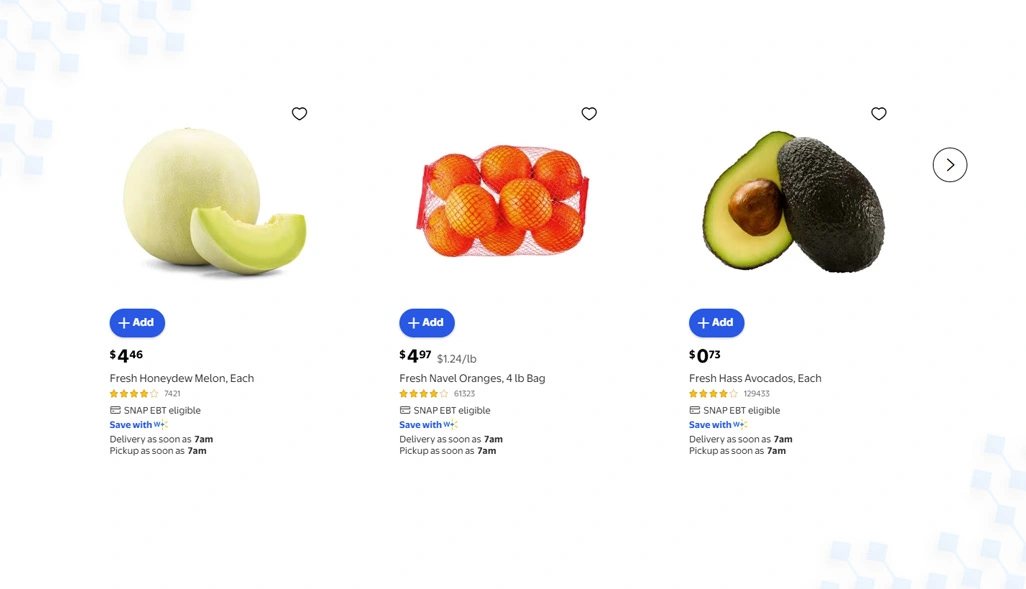
Tracking grocery prices across more than 50 retailers requires a reliable collection framework capable of handling frequent changes, different website structures, product variations, and location-specific information. A centralized approach helps teams capture prices at scheduled intervals while preserving timestamps, retailer details, product identifiers, discounts, and availability information. This makes comparisons more consistent and reduces the limitations of occasional manual observations.
For pricing teams, How to Track Grocery Price Changes in Real Time becomes more practical when automated processes continuously collect comparable product information. Each observation can be evaluated against previous records, allowing analysts to identify sudden increases, promotional reductions, recurring fluctuations, and unusual pricing behavior. This creates a stronger foundation for monitoring fast-moving grocery categories.
Monitoring Area and Example Coverage:
| Monitoring Area | Example Coverage |
|---|---|
| Retailers | 50+ |
| Monitoring frequency | 15 minutes |
| Product attributes | 8+ |
| Geographic markets | 10+ |
| Historical records | Continuous |
Businesses operating across rapidly changing delivery environments can also incorporate Quick Commerce Data Scraping Services into their monitoring framework. This helps extend coverage across fast-delivery channels where prices and availability can change frequently throughout the day.
Key monitoring activities include:
- Capturing product-level prices at scheduled intervals
- Recording promotional offers and discount changes
- Comparing identical products across multiple retailers
- Tracking location-based pricing differences
- Maintaining historical records for analysis
- Monitoring stock and availability movements
With Scrape Real-Time Grocery Price Analysis, retailers can convert frequent observations into structured information that supports competitive reviews and faster pricing evaluations.
Deeper Market Patterns Revealing Regional Grocery Pricing Shifts Over Time
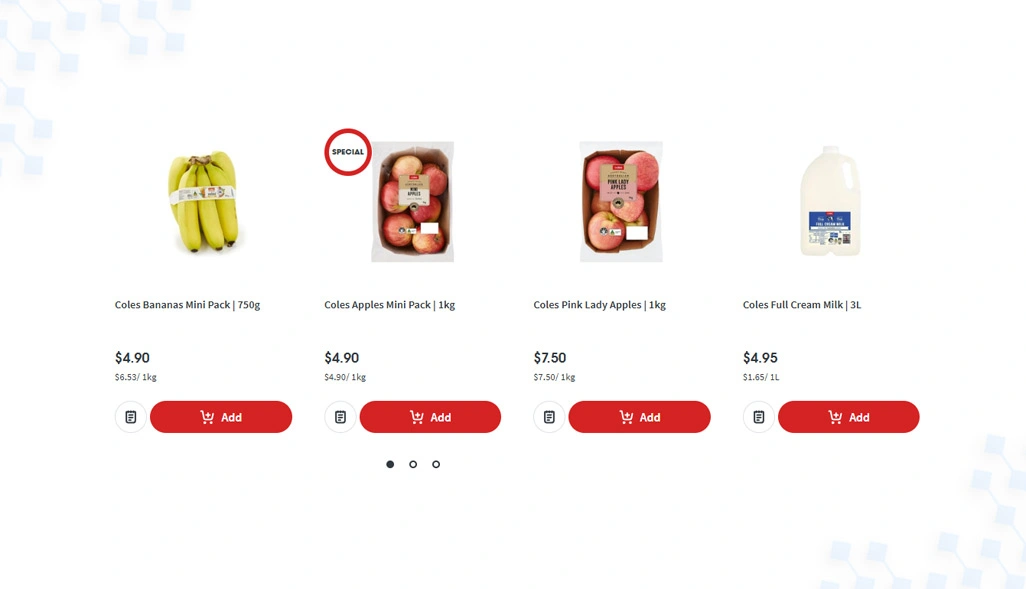
Grocery prices can vary considerably between locations because of local demand, supplier arrangements, promotions, inventory levels, taxes, and competitive conditions. A structured data collection process allows businesses to compare the same products across cities and regions while preserving the historical context behind each observation. This makes regional analysis more reliable than relying on isolated price checks.
A well-organized Web Scraping Grocery Prices Dataset can preserve product names, retailer identifiers, locations, prices, discounts, availability, and collection timestamps. When these records accumulate over time, analysts can evaluate recurring patterns and identify whether a pricing movement represents a short-term promotion or a longer market trend. Such comparisons can also reveal differences between urban and regional markets.
Data Point and Analytical Purpose:
| Data Point | Analytical Purpose |
|---|---|
| Product price | Competitive comparison |
| Discount value | Promotion assessment |
| Retailer | Market benchmarking |
| Location | Regional evaluation |
| Timestamp | Historical comparison |
For larger monitoring programs, Enterprise Web Crawling can help coordinate collection across numerous websites and geographic markets while maintaining consistent scheduling. This approach becomes particularly useful when product catalogs expand and pricing teams require regular updates from multiple sources without creating fragmented workflows.
Regional monitoring can help businesses evaluate:
- City-level price differences
- Category-specific price movements
- Recurring promotional patterns
- Retailer-specific pricing behavior
- Changes across geographic markets
- Historical price fluctuations
The resulting records provide analysts with a clearer view of market conditions and support category planning, competitive benchmarking, and regional pricing evaluations.
Actionable Pricing Intelligence Turning Retail Data Into Better Decisions
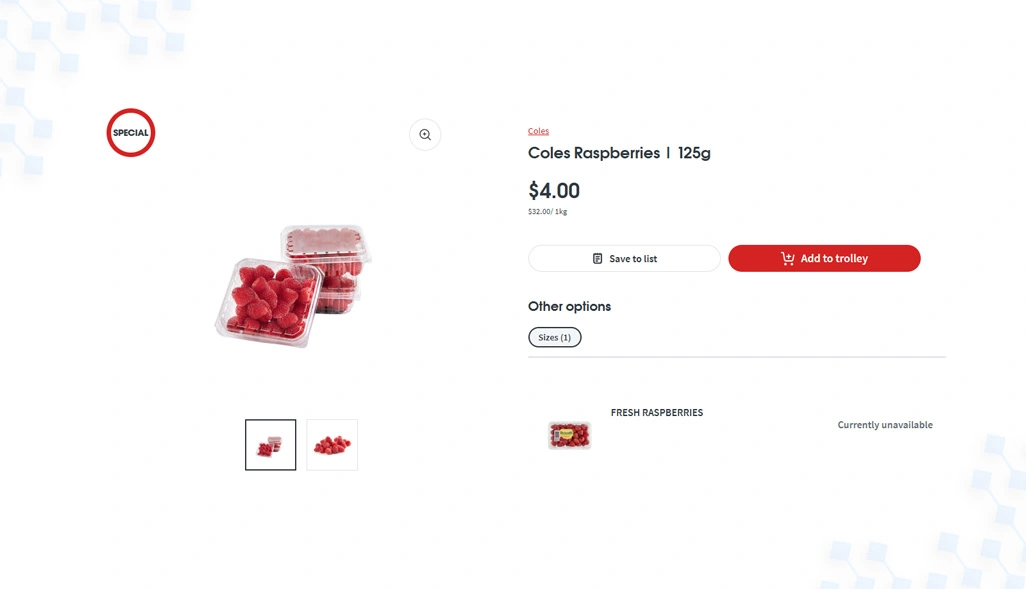
Collecting grocery prices is only the first step toward effective pricing analysis. Businesses need structured information that can be compared across retailers, categories, locations, and time periods. Standardized records make it easier to identify price gaps, promotional frequency, product availability changes, and competitive movements while reducing the effort required to prepare information for business teams.
Through Grocery & Supermarket Data Scraping Services, organizations can gather product and pricing information from multiple grocery sources and organize it according to their analytical requirements. Standardized fields can then feed dashboards, reports, internal databases, or analytical workflows. This allows teams to move from basic data collection toward regular evaluation of market behavior.
Analysis Area and Business Application:
| Analysis Area | Business Application |
|---|---|
| Price variance | Competitor evaluation |
| Promotion frequency | Offer assessment |
| Stock status | Availability planning |
| Price history | Trend evaluation |
| Retailer comparison | Market benchmarking |
Broader Web Scraping Services can also support additional sources when businesses need information beyond pricing, such as product descriptions, ratings, seller information, availability, or regional assortment details. Combining these attributes creates a richer dataset for understanding how grocery retailers position products across different markets.
Actionable monitoring can support:
- Competitor price comparisons
- Promotional performance reviews
- Category-level evaluations
- Regional pricing analysis
- Availability monitoring
- Historical trend reporting
When structured records are connected with reporting tools, pricing teams can review important movements more quickly and prioritize areas requiring further analysis. This creates a repeatable workflow for transforming large volumes of retailer information into practical business insights.
How Web Data Crawler Can Help You?
Managing grocery pricing information across dozens of retailers requires an automated infrastructure that can collect, organize, refresh, and standardize information consistently. Grocery Price Monitoring API Scraping can support this process by creating structured feeds for prices, promotions, product details, availability, retailer identifiers, and timestamps.
The workflow can be configured around different retailer structures and monitoring frequencies, allowing businesses to collect information according to their category coverage and analytical requirements. Historical records can also be maintained to compare current observations against previous pricing conditions and identify recurring market patterns.
Key capabilities include:
- Automated collection across multiple grocery retailers
- Scheduled extraction at defined monitoring intervals
- Product-level price and promotion tracking
- Regional comparison across multiple locations
- Historical storage for trend evaluation
- Structured outputs for reporting and analysis
With Scrape Grocery Store Data for Local Insights, businesses can examine localized pricing differences and identify market-specific movements across cities, neighborhoods, and retailer groups. The resulting information can support pricing teams, category managers, market researchers, and retail analysts with consistent data for ongoing competitive evaluation.
Conclusion
Continuous grocery monitoring gives retailers clearer visibility into how prices move across competitors, locations, and product categories. By combining structured collection with Grocery Price Monitoring API Scraping, businesses can reduce manual tracking and create timely visibility into pricing changes, promotions, and availability. Historical information also helps teams compare current movements with previous market conditions.
Businesses can use Web Scraping Grocery Prices Dataset records to evaluate pricing patterns, identify competitive gaps, and improve monitoring workflows across expanding retail networks. Contact Web Data Crawler today to build a scalable grocery price monitoring solution tailored to your retail data requirements.