


How Can Grocery Delivery App Web Scraping Reveal Product Availability and Changing Grocery Prices?
Nov 16
Introduction
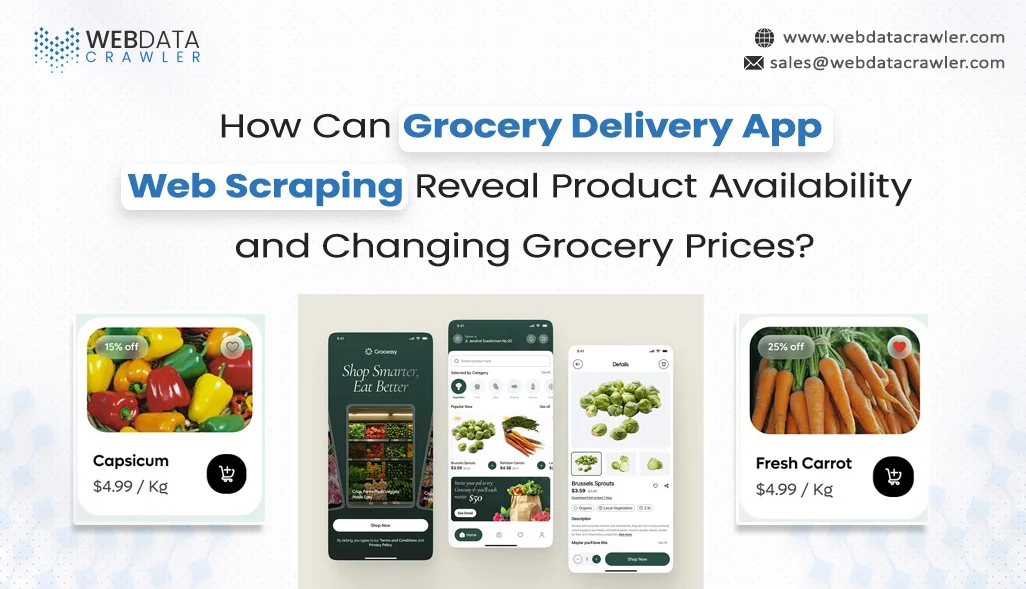
Modern quick-commerce platforms update product prices and stock statuses multiple times every hour to match local demand. Relying on manual checks leaves retail brands blind to sudden flash discounts and regional shortages. Adopting automated Grocery Data Scraping Services empowers businesses to capture accurate storefront listings directly from hyperlocal delivery apps in real time.
Dynamic pricing algorithms constantly adjust costs based on delivery zones, weather conditions, and warehouse inventory levels. Without granular visibility into these hyperlocal shifts, retailers risk losing price-sensitive shoppers to faster competitors. Systematic data extraction converts raw app feeds into structured datasets that reveal exact SKU availability across every neighborhood.
Implementing Grocery Delivery App Web Scraping bridges the gap between blind guesswork and profitable retail execution. By tracking live catalog updates, brands can optimize their own pricing tiers, prevent costly stockouts, and protect profit margins across rapidly shifting digital grocery marketplaces.
Tracking Hyperlocal Stock Availability and Sudden Outage Patterns
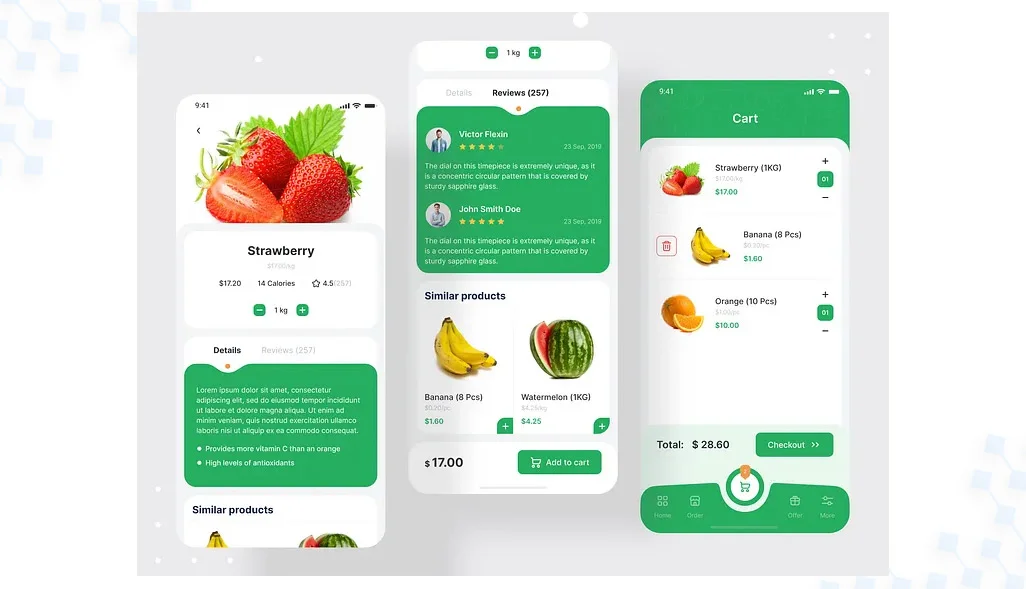
Product availability on quick-commerce platforms fluctuates rapidly throughout the day due to micro-fulfillment center constraints and sudden demand spikes. Industry benchmarks indicate that online grocery out-of-stock rates frequently reach 12% to 18% during peak weekend shopping windows. When popular staples vanish from a competitor's digital shelf, rival retailers have a narrow window to capture those frustrated buyers through targeted local promotions.
Furthermore, historical stock depletion logs help supply chain teams forecast seasonal demand surges before they occur. By analyzing how fast competing dark stores sell out of specific pack sizes, retailers can refine their own safety stock thresholds and avoid costly lost sales.
Leveraging Pricing Intelligence alongside real-time inventory tracking allows category managers to spot regional supply gaps immediately. Instead of applying blanket discounts across an entire city, brands can selectively adjust prices only in pin codes where competing apps show zero inventory, ensuring healthier margins across high-demand neighborhoods.
- Morning Replenishment Windows: Dark stores restock fresh produce early, creating brief windows of full catalog visibility before noon rushes deplete inventory.
- Weekend Demand Surges: Evening orders between Friday and Sunday trigger rapid depletion across dairy, snacks, and ready-to-eat categories.
- Regional Supply Bottlenecks: Weather disruptions or localized logistics delays often cause isolated stockouts in specific delivery zones while neighboring areas remain stocked.
| Retail Category | Peak Out-of-Stock Rate | Average Restock Window | Revenue Impact per SKU |
|---|---|---|---|
| Fresh Produce & Dairy | 18.4% | 4 to 6 Hours | High |
| Packaged Beverages | 11.2% | 12 to 24 Hours | Moderate |
| Pantry Staples & Grains | 9.5% | 24 to 48 Hours | Moderate |
| Frozen & Ready-to-Eat | 14.8% | 6 to 12 Hours | High |
Continuous monitoring of digital shelf status also reveals how rivals prioritize replenishment for high-margin items over low-margin staples. Armed with this visibility, operations managers can allocate warehouse inventory smarter and maintain superior fulfillment rates across every urban delivery cluster.
Uncovering Dynamic Price Shifts and Regional Discount Strategies
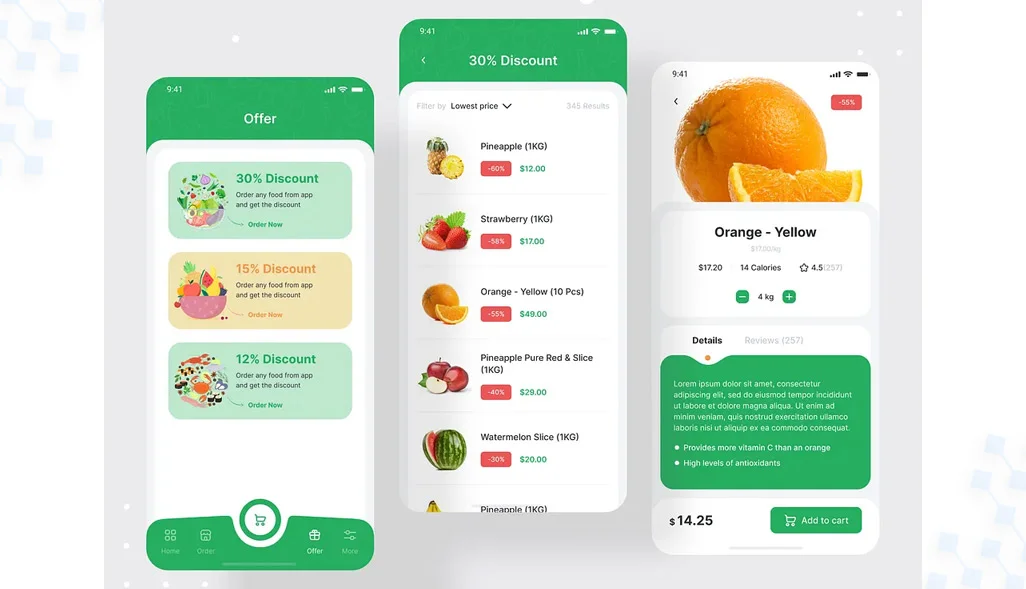
Quick-commerce apps rarely maintain static catalog prices across different neighborhoods or times of the day. Research shows that top grocery delivery platforms modify prices on over 35% of their active SKUs weekly to test price elasticity and clear short-shelf-life inventory. Utilizing Grocery Competitor Pricing Data Collection Services enables brands to monitor these micro-adjustments automatically without manual effort.
Integrating structured Competitor Price Monitoring into daily pricing workflows ensures your catalog stays aligned with actual market rates. When a rival drops prices on high-velocity items like cooking oil or milk, automated alerts notify your pricing team within minutes so they can respond decisively.
- Zone-Based Price Discrimination: Retailers frequently charge higher rates in affluent zip codes while offering aggressive markdowns in competitive urban clusters.
- Surge and Time-of-Day Pricing: Late-night convenience orders and weekend rush hours often trigger temporary price hikes or reduced bundle discounts.
- Flash Sales and Hidden Coupons: Automated crawlers capture app-exclusive promo codes, buy-one-get-one offers, and minimum-cart-value thresholds that distort base shelf prices.
| Pricing Mechanism | Typical Adjustment Range | Trigger Frequency | Primary Retail Objective |
|---|---|---|---|
| Geo-Targeted Pricing | 4% to 9% Variance | Daily | Match local purchasing power |
| Peak Hour Adjustments | 3% to 7% Increase | Hourly | Offset high delivery demand |
| Flash App Discounts | 10% to 25% Markdown | Twice Weekly | Clear perishable inventory |
| Minimum Cart Thresholds | $5 to $15 Variance | Weekly | Boost average order value |
To execute this efficiently at scale, businesses Scrape Grocery Prices for Competitor Comparison across multiple delivery apps simultaneously. This side-by-side visibility prevents margin erosion from unnecessary price wars while keeping core traffic-driving items competitively priced across every operating zone.
Measuring Assortment Gaps and Private Label Market Expansion
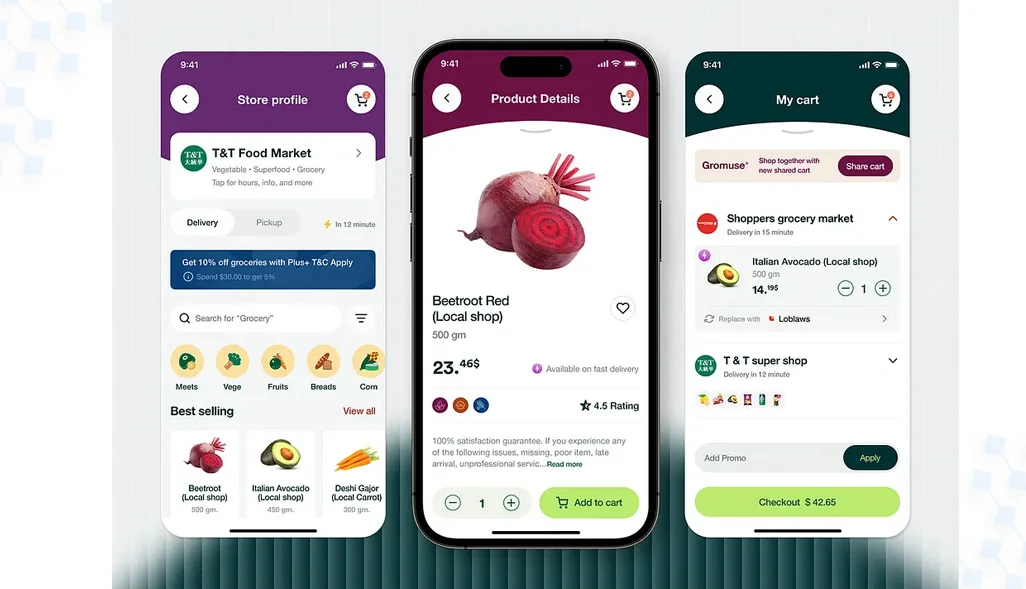
Beyond tracking daily price tags, analyzing competitor catalogs reveals long-term merchandising trends and emerging consumer preferences. Data from leading quick-commerce markets shows that private-label grocery products have grown by 22% year-over-year, often priced 15% to 25% lower than national brands. Specialized Web Scraping Services extract full product attributes, including pack weights, nutritional tags, customer ratings, and brand ownership details.
Combining detailed assortment audits with structured catalog tracking gives merchandising teams a complete blueprint of local market demand. Brands can steadily eliminate slow-moving inventory, introduce high-margin private labels, and tailor every dark store catalog to authentic neighborhood buying habits.
- Pack Size Optimization: Tracking unit prices across small trial packs and bulk family bundles reveals which sizes drive higher conversion rates.
- Brand Mix Benchmarking: Comparing national brand shelf share against house brands highlights where competitors are pushing higher-margin private labels.
- Customer Sentiment Tracking: Analyzing review counts and star ratings uncovers quality complaints on rival products that your brand can capitalize on.
| Data Attribute | Strategic Retail Application | Business Outcome |
|---|---|---|
| SKU Pack Size & Weight | Unit-price normalization across brands | Accurate apples-to-apples pricing |
| Private Label Share | Identifying category margin compression | Better brand positioning |
| Customer Ratings & Reviews | Spotting quality complaints on rival items | Targeted product improvements |
| New Product Launches | Tracking emerging organic or health trends | Faster assortment expansion |
When retailers Extract Competitor Grocery Pricing alongside comprehensive assortment metadata, they uncover lucrative white-space opportunities in specific neighborhoods. For instance, if rival apps lack organic dairy alternatives in a high-demand residential zone, a retailer can prioritize stocking those exact SKUs to capture unserved local shoppers.
How Web Data Crawler Can Help You?
Scaling retail operations across dozens of quick-commerce platforms requires clean, reliable data pipelines that never break when app layouts change. Partnering with us provides enterprise-grade Grocery Delivery App Web Scraping tailored to complex hyperlocal delivery ecosystems.
Our custom extraction infrastructure bypasses anti-bot barriers, handles pin-code-specific sessions, and delivers structured feeds ready for immediate analysis.
- Capture live product prices, discounts, and strike-through MRP values across multiple delivery zones simultaneously.
- Monitor real-time dark store stock availability and out-of-stock durations at the exact pin-code level.
- Receive normalized product attributes, pack sizes, and category hierarchies for effortless SKU matching.
- Track competitor promotional banners, bundle deals, and delivery fee variations throughout the day.
- Access clean, validated datasets in JSON, CSV, or direct database formats on custom schedules.
- Scale effortlessly from tracking thousands to millions of grocery listings without managing internal proxy servers.
By integrating our Real-Time Grocery Price Monitoring API directly into your pricing engine, your team eliminates manual tracking delays and makes profitable merchandising decisions faster.
Conclusion
Staying profitable in the fast-moving online grocery sector requires continuous visibility into hyperlocal inventory shifts and competitor discounting tactics. Implementing automated Grocery Delivery App Web Scraping transforms raw app storefront data into actionable retail intelligence that protects margins and prevents missed sales opportunities.
Instead of reacting days late to rival promotions, forward-thinking retailers use Grocery Competitor Pricing Data Collection Services to optimize every SKU across every delivery zone with precision. Contact Web Data Crawler today to schedule a free consultation and start receiving custom grocery pricing and availability feeds tailored to your business goals.