


Compare Grocery Analytics API vs Data Scraping: Which Is Better for Retail Intelligence at Scale?
13 August, 2026
Introduction
Retail intelligence depends on timely product, pricing, availability, and assortment signals across fragmented grocery channels. Choosing between an API-led approach and extraction workflows affects data freshness, scalability, maintenance, and coverage. Businesses evaluating Grocery Analytics API vs Data Scraping: Which Is Better need a practical framework built around their operating priorities across fast-moving retail environments and diverse categories.
Web Scraping Grocery Data can capture broad marketplace information when sources lack structured access or change frequently. APIs can provide standardized fields, predictable delivery, and easier integration into dashboards. The stronger option depends on required granularity, source accessibility, update frequency, and the cost of maintaining pipelines across markets.
A scalable strategy should compare accuracy, latency, coverage, infrastructure needs, and governance before implementation. Retail teams can combine structured feeds with targeted extraction where appropriate, creating a flexible foundation for pricing intelligence, assortment tracking, competitor analysis, and operational reporting without relying on one collection method.
Strategic Foundations for Choosing Scalable Retail Data Approaches
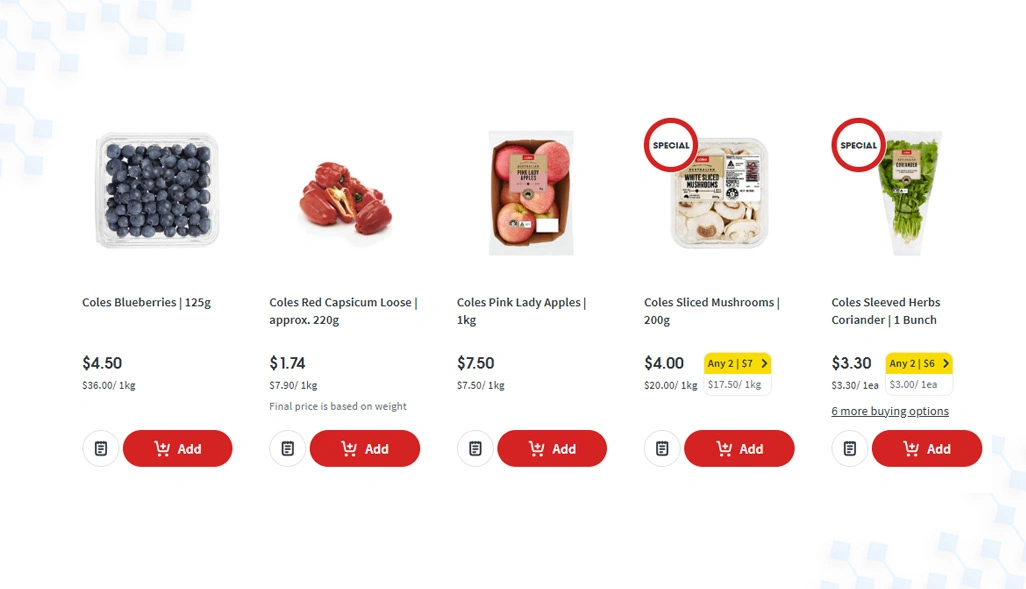
Retail businesses need dependable information to compare products, prices, availability, and assortments across multiple channels. Choosing between structured access and extraction depends on source accessibility, refresh frequency, required fields, and technical resources. Scrape Grocery Product Data API workflows can support organized collection when businesses need consistent product information for downstream analytics and reporting.
When rapid assortment changes matter, retailers also need datasets that capture frequently changing product signals across digital stores. Quick Commerce Datasets can provide useful inputs for studying fast-moving categories, promotional activity, and product availability. Structured sources generally simplify integration, while extraction-based approaches offer broader flexibility when individual retailers expose different fields or page structures.
A practical evaluation should consider scalability, maintenance requirements, geographic coverage, and historical availability before selecting an approach. Teams can compare data delivery speed, schema consistency, source diversity, and infrastructure demands to determine which method aligns with their intelligence goals. Grocery Dataset API Scraping for Analysis can help organize collected information for trend analysis, category comparisons, and pricing studies.
Key considerations include:
- Source accessibility and coverage
- Required product attributes
- Refresh frequency and latency
- Historical data requirements
- Integration and maintenance effort
| Evaluation Area | Structured Access | Extraction Approach |
|---|---|---|
| Integration | Standardized | Customizable |
| Coverage | Provider dependent | Source dependent |
| Flexibility | Moderate | High |
| Maintenance | Generally lower | Generally higher |
The strongest strategy may involve combining both approaches instead of treating them as competing options. Stable sources can support structured delivery, while extraction can address missing retailers, fields, or markets. This balanced architecture gives retail teams greater control over data availability while keeping operational complexity aligned with business priorities.
Emerging Coverage Patterns Reshaping Modern Retail Intelligence
Retail intelligence becomes more complex as businesses monitor numerous marketplaces, supermarkets, and digital grocery channels simultaneously. Grocery Data API Services Across Globe can simplify multinational data delivery where consistent coverage, documentation, and standardized formats are available across targeted markets.
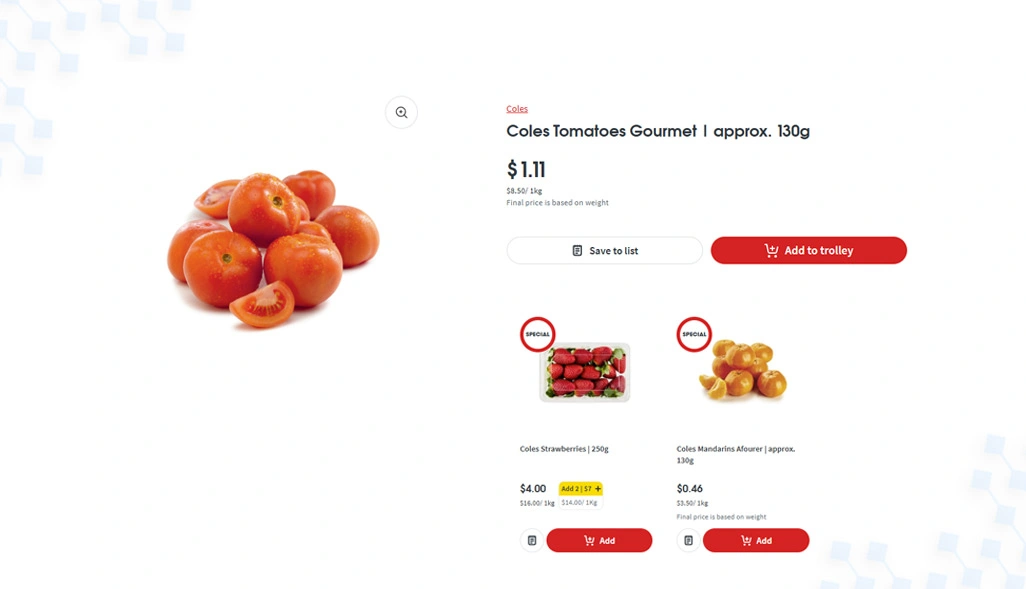
For retailers monitoring competitor movements, detailed source-level information can reveal pricing changes, assortment adjustments, promotions, and availability shifts. Supermarket Product Data Scraping for Price Monitoring can support these requirements where direct structured access is unavailable or does not expose sufficient attributes.
A Web Crawler can systematically revisit selected sources, identify updated information, and route records into processing pipelines. Retail teams should still account for validation, source changes, collection frequency, and infrastructure monitoring because poorly maintained workflows can reduce consistency and create gaps in historical datasets.
Important operational factors include:
- Source structure monitoring
- Automated collection schedules
- Attribute-level validation
- Duplicate record handling
- Historical data preservation
| Operational Factor | Structured Feed | Automated Extraction |
|---|---|---|
| Schema control | Provider-led | Business-led |
| Field customization | Moderate | High |
| Source expansion | Limited by coverage | Flexible |
| Monitoring | Lower | Higher |
A well-designed collection strategy should balance breadth with reliability. Businesses can prioritize stable sources for standardized ingestion while applying targeted extraction to harder-to-access channels. This creates a more adaptable foundation for competitive research, assortment intelligence, and pricing analysis without forcing every source into one collection model.
Advanced Operating Models Supporting Retail Intelligence Growth
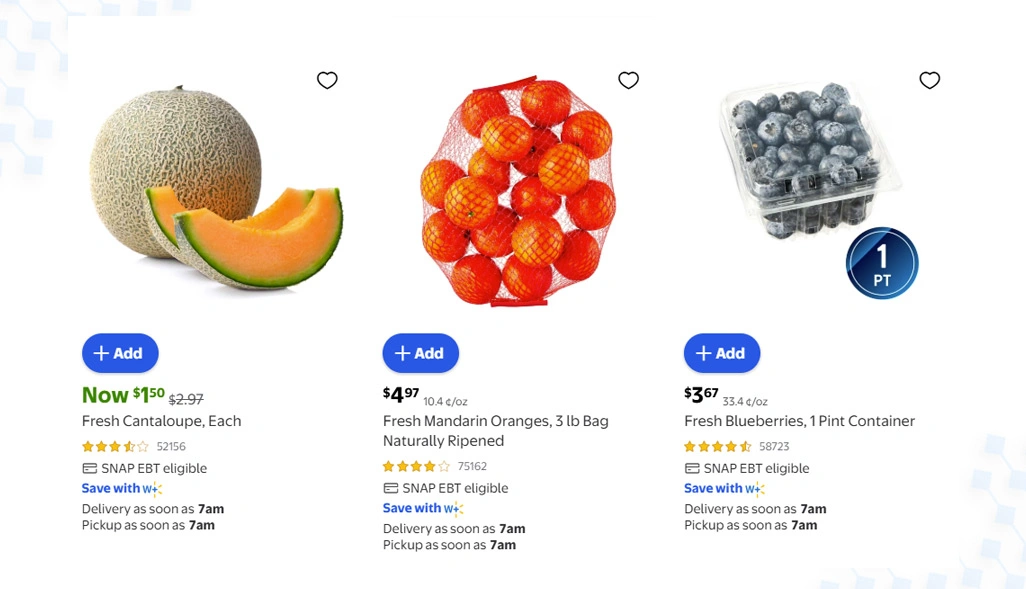
Large-scale retail intelligence requires more than collecting information; it requires dependable workflows that can process frequent changes without creating unnecessary operational overhead. Grocery Competitor Price Monitoring in Real Time can become more effective when collection schedules, validation processes, and storage systems are designed around the speed of market changes and pricing volatility.
Businesses also need architectures capable of serving analytical applications without rebuilding collection workflows for every use case. A Scraping API can provide a reusable delivery layer between extraction systems and downstream applications, allowing validated information to move into databases, dashboards, and analytical environments.
At scale, organizations should evaluate infrastructure capacity, monitoring requirements, error handling, and data normalization together. Grocery Product Catalog Using Web Scraping can support detailed assortment intelligence by capturing product names, attributes, pricing information, availability indicators, and category structures.
Key implementation priorities include:
- Scalable storage architecture
- Automated quality validation
- Error detection and recovery
- Flexible scheduling controls
- Consistent data normalization
| Scaling Requirement | Structured Model | Extraction Model |
|---|---|---|
| Delivery consistency | High | Configurable |
| Customization | Moderate | High |
| Infrastructure control | Moderate | High |
| Expansion flexibility | Provider dependent | Broad |
The most sustainable model aligns collection methods with source characteristics instead of applying one solution universally. Structured delivery can handle predictable sources efficiently, while extraction workflows can extend coverage and customization. Combining both within a monitored architecture can help retail teams maintain reliable intelligence as product catalogs, markets, and competitive conditions continue evolving.
How Web Data Crawler Can Help You?
We can support retail teams when information spans many stores, marketplaces, and category pages. For organizations comparing Grocery Analytics API vs Data Scraping: Which Is Better, crawler workflows can collect source-specific details while adapting to changing page structures.
Key advantages include:
- Broader source and category coverage
- Flexible extraction for custom fields
- Scheduled collection for recurring updates
- Historical storage for trend comparisons
- Validation across multiple source formats
- Scalable workflows for growing inventories
After collection, Grocery Product Catalog Using Web Scraping can be organized into normalized datasets for pricing, assortment, and availability analysis. Teams can then route validated records into dashboards, databases, or analytical models, creating a practical pipeline that complements structured data feeds while preserving flexibility for hard-to-reach sources without rebuilding the entire collection layer each time.
Conclusion
Retail intelligence works best when collection choices match business requirements rather than following one universal model. Teams assessing Grocery Analytics API vs Data Scraping: Which Is Better should weigh source coverage, refresh needs, integration effort, data quality, and long-term maintenance.
Grocery Product Catalog Using Web Scraping can complement structured feeds when retailers need detailed assortment visibility, helping analytical teams maintain richer datasets for pricing and category decisions. Contact Web Data Crawler today to build a scalable grocery intelligence solution tailored to your retail requirements.