
How Do Food Delivery APIs for Smart Restaurant Management Transform Restaurant Operations at Scale?
June 11
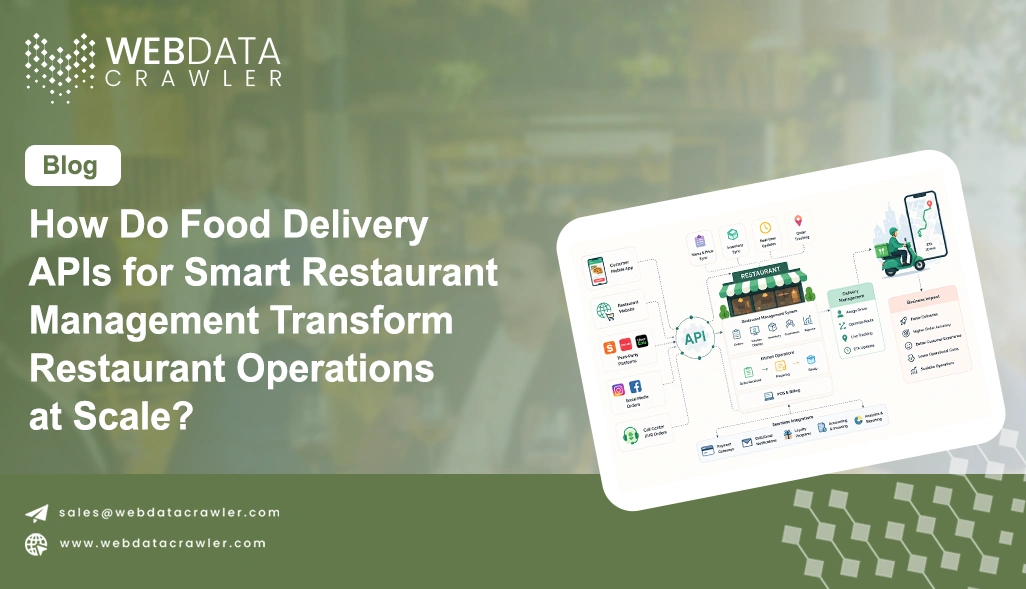
Introduction
The restaurant industry has experienced significant digital transformation over the past decade, driven by changing customer expectations and the growing demand for convenience. Consumers now expect quick ordering, real-time tracking, accurate menus, and seamless payment experiences across multiple delivery platforms. Managing these requirements manually can create operational inefficiencies, increase errors, and reduce customer satisfaction.
Modern API-driven ecosystems help restaurants connect ordering platforms, payment gateways, inventory systems, and customer management tools into a unified workflow. Through automation, restaurants can streamline order processing, synchronize menus, and reduce operational bottlenecks. The adoption of Food Delivery APIs for Smart Restaurant Management enables businesses to improve efficiency while handling increasing order volumes across multiple channels.
In addition, data-driven decision-making has become a competitive necessity. Businesses increasingly rely on a Scraping API to gather structured information from digital platforms, helping operators monitor pricing, promotions, and consumer behavior. With smarter integrations and automated data flows, restaurants can build scalable operations capable of meeting modern customer demands while optimizing profitability and service performance.
Streamlining Complex Digital Ordering Workflows Efficiently
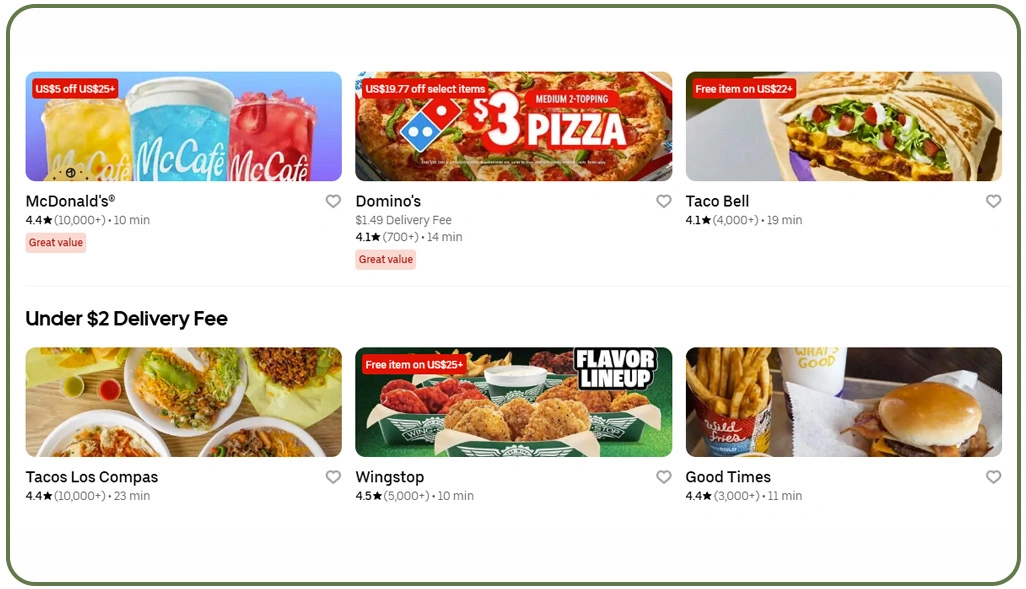
Restaurants today manage orders from multiple sources including websites, mobile applications, third-party delivery marketplaces, and in-store channels. Without a centralized system, handling large volumes of incoming orders often leads to operational delays, duplicate entries, inaccurate order fulfillment, and inconsistent customer experiences.
Operational intelligence also plays a critical role in improving service consistency. Restaurants increasingly rely on Food Data Scraping techniques to monitor changing customer preferences, identify trending menu categories, and evaluate competitor offerings. These insights help management teams make informed adjustments to menus and promotional strategies while improving customer satisfaction.
Businesses seeking consistent digital menu management often implement Restaurant Menu and Pricing Data API solutions to maintain accurate listings across multiple platforms. This helps eliminate pricing discrepancies and minimizes customer complaints resulting from outdated information.
Operational Challenge Table:
| Operational Challenge | Traditional Method | Automated Approach |
|---|---|---|
| Order Collection | Multiple Systems | Unified Dashboard |
| Menu Updates | Manual Process | Automated Sync |
| Error Management | High Risk | Reduced Errors |
| Processing Speed | Slower Workflow | Faster Operations |
| Staff Productivity | Limited Efficiency | Improved Performance |
Integrated platforms allow restaurants to synchronize orders automatically, reducing dependency on manual processes and improving workflow visibility. Industry studies suggest that businesses implementing automated order management systems can improve processing efficiency by more than 30% while reducing human errors significantly.
Building Greater Visibility Across Delivery Networks
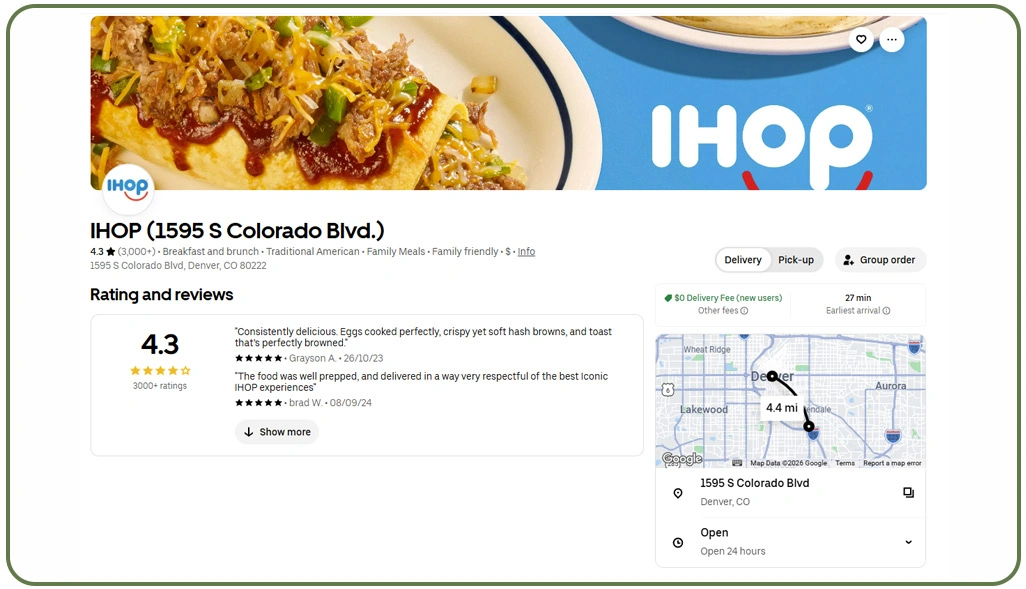
As online food ordering continues to expand, delivery performance has become one of the most important factors influencing customer satisfaction. Delayed deliveries, inaccurate tracking updates, and communication gaps often create negative experiences that impact customer retention and brand reputation. Restaurants therefore require systems that provide greater transparency and coordination throughout the delivery lifecycle.
Real-time operational visibility allows restaurant managers to identify bottlenecks before they escalate into customer issues. This level of transparency also enhances customer trust through timely notifications and accurate order tracking. Many organizations complement operational automation with Live Crawler Services that continuously monitor industry activities, competitor promotions, delivery coverage areas, and changing consumer preferences.
Such intelligence helps businesses respond quickly to evolving market conditions and maintain service competitiveness. To strengthen digital ordering ecosystems, many operators deploy Online Food Ordering API Integration Solutions that connect ordering channels directly with kitchen management and delivery systems. These integrations reduce manual intervention and support scalable operational growth.
Delivery Function Table:
| Delivery Function | Conventional Process | Integrated Process |
|---|---|---|
| Driver Assignment | Manual Coordination | Automated Dispatch |
| Status Updates | Periodic Updates | Real-Time Tracking |
| Customer Communication | Limited Visibility | Continuous Alerts |
| Delivery Monitoring | Reactive Management | Proactive Oversight |
| Performance Reporting | Delayed Analysis | Instant Insights |
Modern integration frameworks enable seamless communication between kitchen operations, delivery partners, and customer-facing applications. Industry reports indicate that restaurants utilizing automated delivery management technologies can improve on-time delivery performance by approximately 25–35%.
Using Actionable Intelligence For Smarter Business Decisions
In an increasingly competitive restaurant environment, data-driven decision-making has become essential for sustainable growth. Businesses must continuously evaluate customer behavior, pricing strategies, menu performance, and operational efficiency to remain competitive. Access to structured insights enables restaurants to improve profitability while responding effectively to changing market dynamics.
Advanced analytics systems collect and organize information from various operational sources, helping businesses identify trends and measure performance indicators. Competitive benchmarking remains another critical component of long-term success. Restaurants frequently conduct Market Research to understand competitor pricing structures, promotional campaigns, menu innovations, and customer engagement tactics.
This process helps organizations identify opportunities for differentiation and optimize their market positioning. Organizations also increasingly depend on Food Delivery App Data Scraping Services to monitor platform-wide trends, evaluate customer demand patterns, and assess competitive performance across delivery ecosystems.
Data Category Table:
| Data Category | Strategic Benefit |
|---|---|
| Customer Behavior | Better Personalization |
| Pricing Analysis | Revenue Optimization |
| Demand Patterns | Improved Forecasting |
| Delivery Performance | Service Enhancement |
| Competitive Insights | Stronger Positioning |
To support competitive intelligence initiatives, many businesses utilize Restaurant Data Scraping API for Market Research solutions that provide structured access to marketplace information. These systems simplify the collection of valuable competitor and industry data while improving analytical accuracy.
How Web Data Crawler Can Help You?
As restaurant operations become increasingly digital, businesses require reliable solutions to collect, process, and analyze large volumes of market data. The growing adoption of Food Delivery APIs for Smart Restaurant Management further strengthens automation capabilities by connecting ordering, delivery, and analytics systems into a unified ecosystem.
Key ways we support restaurant businesses include:
- Monitor menu changes across multiple platforms.
- Track competitor promotions and discount campaigns.
- Analyze customer ordering behavior patterns.
- Collect structured marketplace intelligence.
- Identify pricing fluctuations in real time.
- Support strategic operational planning decisions.
Businesses seeking broader competitive insights can also Scrape Food Delivery Pricing Data Smart Restaurant Platforms to evaluate pricing strategies, benchmark performance, and improve decision-making across dynamic food delivery ecosystems.
Conclusion
Restaurants operating in highly competitive digital markets increasingly depend on integrated technologies to improve efficiency, enhance customer experiences, and scale operations effectively. The implementation of Food Delivery APIs for Smart Restaurant Management enables automated workflows, streamlined delivery coordination, and stronger operational control across multiple channels.
Data intelligence remains equally important for sustainable growth. Solutions such as Food Delivery App Data Scraping Services provide valuable visibility into pricing trends, customer behavior, and competitive activities. Contact Web Data Crawler today to build a scalable data-driven strategy.