
How to Extract SERP Data for SEO and Market Research Analysis for 63% Faster Ranking Insights?
Nov 24
Introduction
Understanding search performance has become a foundational requirement for businesses aiming to build data-driven digital strategies. As markets become more competitive and keyword landscapes shift daily, marketers now need faster, verified insights that help decode user intent, track visibility, and analyze competitors with precision. In this context, learning to Extract SERP Data for SEO and Market Research Analysis provides a measurable advantage, enabling brands to study ranking volatility, content performance, and audience search patterns in real time.
From identifying keyword gaps to analyzing emerging opportunities, SERP datasets reveal exactly how search engines evaluate online content and how competitors position themselves. Organizations increasingly rely on Web Scraping Services to build systematic workflows that automate SERP monitoring while maintaining accuracy at scale. With large search volumes across categories, manual tracking becomes impossible, making structured data extraction more critical than ever.
Businesses looking to improve decision-making benefit significantly from understanding keyword difficulty patterns, content clusters, snippet triggers, and ranking shifts across devices and locations. By integrating SERP data with analytics and research models, teams can turn raw search insights into actionable strategies that accelerate growth.
Strengthening Digital Strategy Through Structured Search Insights
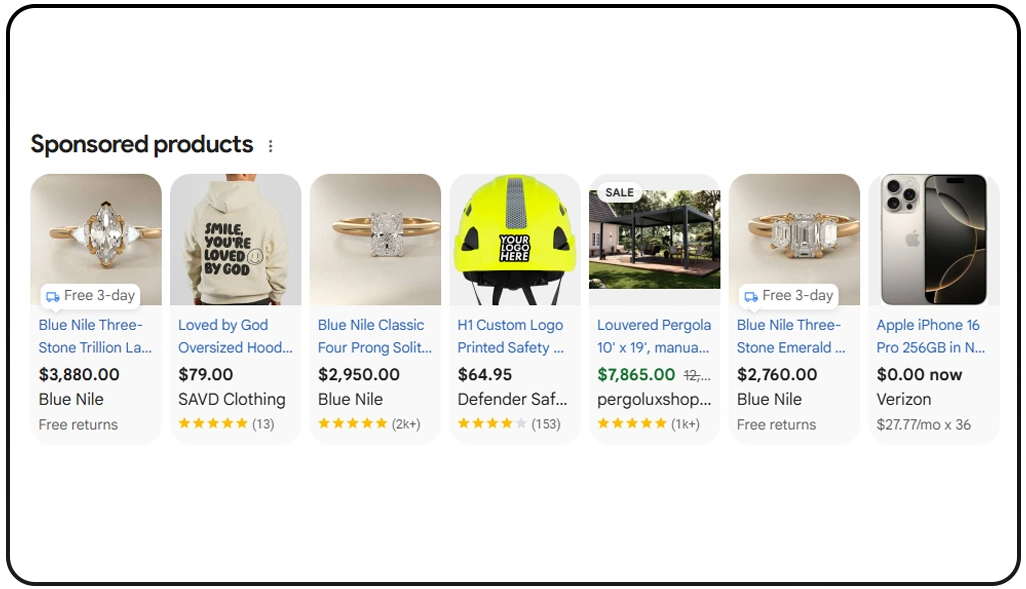
Understanding search performance requires a methodical approach that supports consistent evaluation of ranking shifts, competitor patterns, and result variations across categories. Within this context, businesses increasingly rely on Google SERP Scraping for Market Research to generate deeper visibility into search environments, allowing teams to compare trends over time and recognize emerging result patterns.
The growing relevance of Enterprise Web Crawling solutions shows how essential automation has become for scaling search analysis. These systems are capable of capturing high-frequency SERP changes, enabling decision-makers to understand how often competitors update metadata, expand content structures, or adopt new ranking strategies.
Categories of SERP Data Collected:
| Category | Information Extracted |
|---|---|
| Organic Signals | URL, titles, descriptions |
| Competitive Triggers | Page strength metrics |
| Snippet Indicators | FAQ patterns and featured snippets |
| Visibility Attributes | Position movements and CTR estimates |
With standardized SERP datasets, organizations gain clearer visibility into ranking velocity, uncover recurring snippet triggers, and analyze opportunity clusters with greater efficiency. This structured methodology, supported by a SERP API Alternative Data Extractor, enhances predictive modeling accuracy and enables teams to refine long-term SEO initiatives with improved strategic precision.
Enhancing Visibility Planning Using Competitive Search Intelligence

Competitive visibility continues to evolve as digital landscapes become more crowded, making it essential for brands to understand how competitors optimize content and expand authority. This process becomes even more effective with the help of Extract Keyword Ranking Data From Google, which simplifies the measurement of ranking fluctuations and keyword strengths.
Cross-device evaluation has gained importance with search behavior shifting toward mobile-first interactions. The inclusion of Mobile App Scraping in analytical workflows supports this development by offering insights into how mobile-specific ranking hierarchies differ from desktop environments.
Competitive Insights Measured:
| Metric Type | Insight Provided |
|---|---|
| Ranking Momentum | Speed of movement across keywords |
| Content Depth Score | Strength of page relevance |
| Snippet Availability | Opportunities for structured features |
| Competitor Coverage | New cluster expansions |
By analyzing competitor-driven patterns, teams can identify content opportunities, evaluate authority signals, and detect recurring ranking triggers. These insights help determine which optimization strategies consistently capture visibility advantages. Automated intelligence also reduces dependency on manual research, enabling organizations to focus on refining content strategies and strengthening long-term visibility performance in dynamic markets.
Improving Strategic Decisions Through Predictive Search Signals
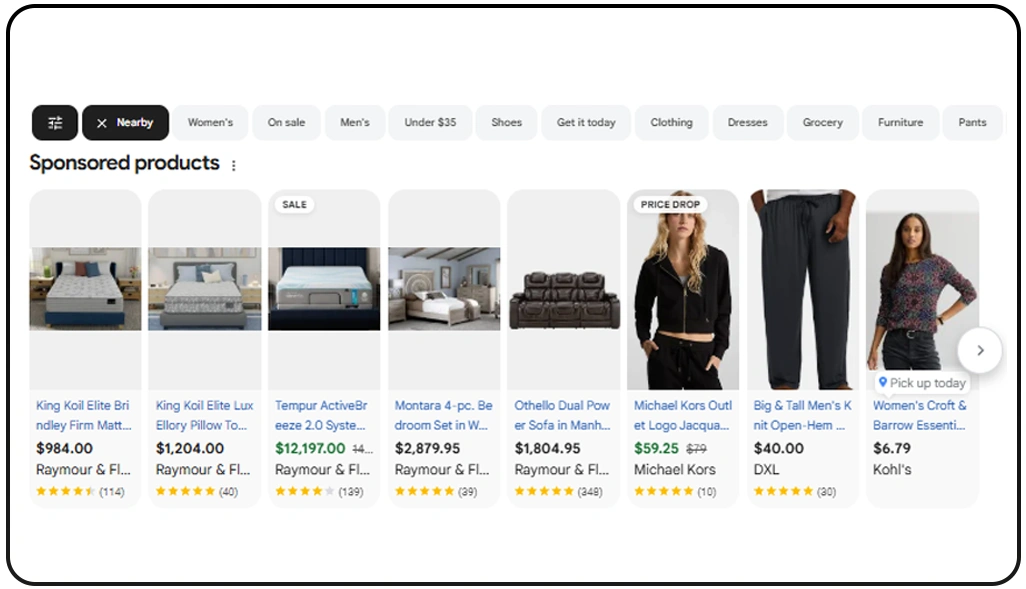
Predictive search insights enable organizations to anticipate ranking cycles, seasonal trends, and opportunity clusters by relying on long-term datasets rather than short-term assumptions. Predictive modeling has become an essential part of advanced SEO frameworks, especially as algorithm updates create rapid shifts in search environments. The growing use of Scrape Google PAA Results Data helps expand these insights by revealing question-driven search behavior that influences content direction.
The adoption of AI Web Scraping Services has accelerated access to structured datasets ideal for forecasting. These technologies extract recurring SERP attributes that help strengthen models responsible for evaluating ranking probabilities, snippet triggers, and keyword momentum.
Indicators Used for Predictive Modeling:
| Indicator Type | Modeling Application |
|---|---|
| Volatility Cycles | Predict ranking stability |
| Snippet Patterns | Identify content adjustments |
| Seasonality Signals | Determine publishing timelines |
| Content Momentum | Evaluate long-term opportunity |
Brands aiming to enhance forecast reliability gain value from monitoring evolving snippet patterns, keyword momentum, and competitor stability, while integrating automated insights through a Real Time SERP API Data Scraper supports stronger, structured predictions that effectively minimize guesswork and streamline outcome accuracy.
How Web Data Crawler Can Help You?
Businesses aiming to create stable visibility strategies often require precise systems capable of working to Extract SERP Data for SEO and Market Research Analysis at scale. We provide customized search intelligence pipelines designed to automate extraction, structure complex SERP elements, and deliver accurate datasets directly aligned with strategic SEO frameworks.
Key Capabilities of our solution:
- Automated extraction pipelines built to support large-scale SERP datasets.
- Precise data structuring for improved keyword and competitor evaluation.
- Snapshot-based monitoring for daily, weekly, or on-demand SERP updates.
- Comprehensive feature tracking across snippets, PAA blocks, and organic listings.
- Customizable output formats for seamless integration into analytics systems.
- Reliable delivery infrastructure designed for continuous, error-free data flows.
Our workflow also supports teams that work with Search Engine Results Page Scraping, ensuring accurate, repeatable insights tailored to evolving market demands.
Conclusion
Strategic search visibility becomes significantly more attainable when teams work with dependable datasets built to Extract SERP Data for SEO and Market Research Analysis, allowing businesses to mitigate keyword uncertainty and create more predictable performance outcomes.
By integrating automated systems that simplify complex competitor tracking, organizations benefit from more accurate insights supported by Extract Keyword Ranking Data From Google, strengthening long-term growth strategies. Get in touch with Web Data Crawler today to begin transforming your search strategy.